
Few soda comebacks generate real emotion. This one absolutely has.
Why this Mountain Dew return is hitting such a nerve
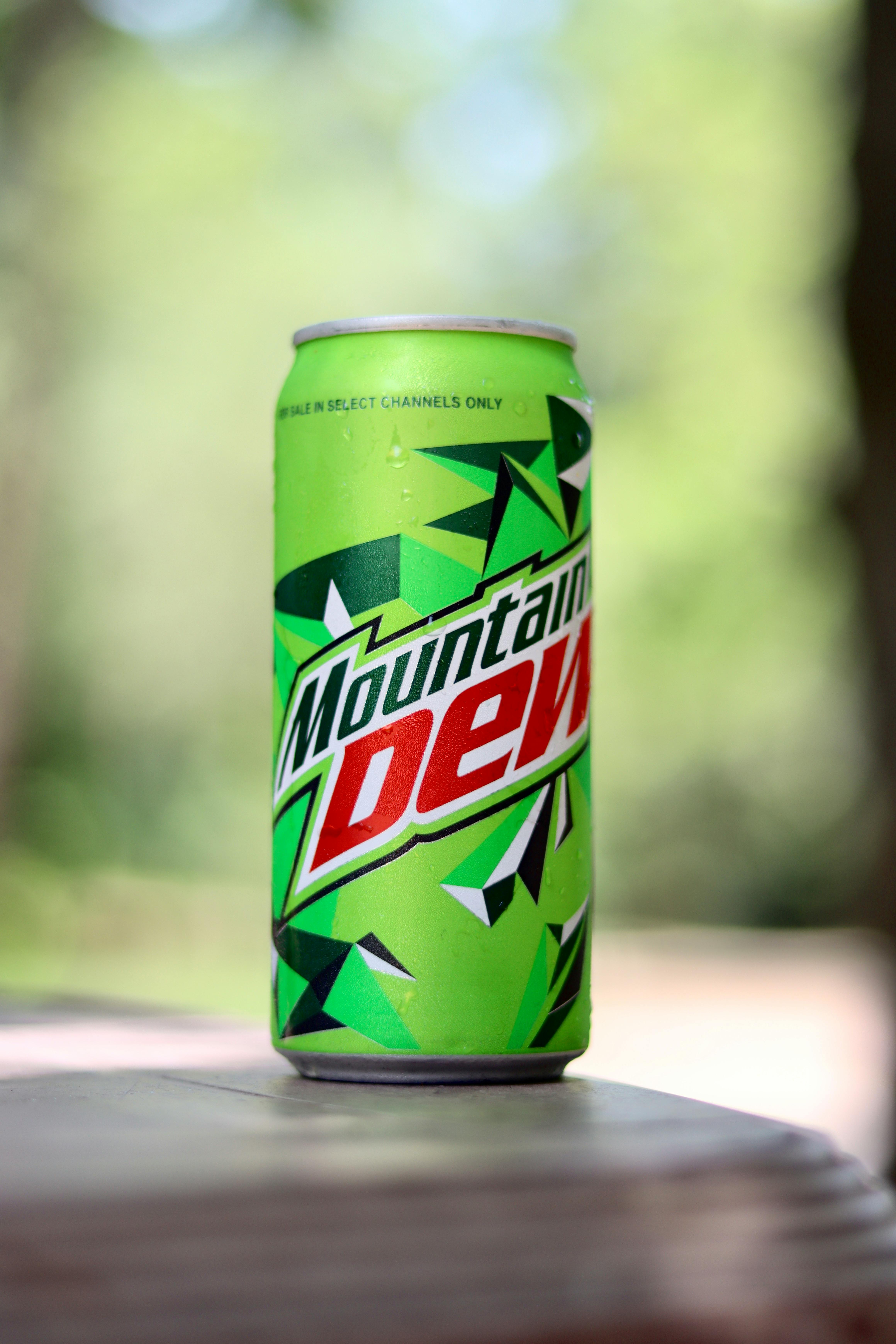
Nostalgia is doing heavy lifting here, but it is not the whole story. The flavor at the center of the frenzy is Mountain Dew Game Fuel Citrus Cherry, a drink that built a passionate following during its original run and then became one of the brand's most requested discontinued products. For many people, it was tied to a specific moment in the late 2000s and early 2010s, when limited-edition game tie-ins, midnight launches, and bold neon packaging were part of mainstream youth culture. That connection never really faded.
What makes this comeback different is the intensity of the demand that preceded it. Fans did not simply remember Citrus Cherry fondly. They organized around it for years through petitions, Reddit threads, YouTube taste tests, and social posts comparing every new Mountain Dew release to the one they actually wanted back. In a market flooded with rotating flavors, that kind of loyalty is rare.
PepsiCo has seen this kind of behavior before, and beverage companies track it closely. When a discontinued flavor keeps showing up organically in online discussions long after it leaves shelves, it becomes more than a memory. It becomes a proof point. Citrus Cherry's return suggests that the company recognized it had a product with lasting cultural value, not just a temporary promotional tie-in.
The flavor's history explains why fans never let it go
Citrus Cherry first arrived as part of Mountain Dew's Game Fuel line, introduced during the era when soda brands were leaning heavily into gaming partnerships. It quickly became the standout. Unlike novelty flavors that were fun once and forgotten, this one had a taste profile people described as balanced, sharp, and genuinely drinkable. It delivered a cherry-forward punch without losing the citrus backbone that made it feel unmistakably like Mountain Dew.
That matters more than it might seem. Limited-time soft drinks often win attention through shock value, unusual colors, or extreme sweetness. Citrus Cherry succeeded because it felt distinct while still fitting the brand. Fans often contrasted it with newer experimental releases, arguing that it was bold without being overdesigned. That helped it survive in memory long after many other specialty sodas disappeared.
Over time, the flavor's scarcity only made it more powerful. Cases and bottles became collector items. Old packaging circulated on resale sites. Online reviewers kept revisiting it as a benchmark, not a gimmick. In the beverage world, that is usually the sign of a product that outgrew its original promotional purpose and became a brand asset in its own right.
PepsiCo is tapping into a proven comeback strategy

Food and beverage companies have become much smarter about revivals, and this return fits a broader industry pattern. Brands are increasingly leaning on fan-demanded comebacks because they carry built-in awareness. A new flavor requires expensive education and marketing. A beloved returning flavor already has a story, an audience, and an emotional hook. That lowers risk while increasing the odds of social buzz and strong early sales.
Mountain Dew has been especially effective at turning its archive into an event. The brand understands that its audience treats discontinued flavors almost like lost chapters in a larger franchise. Bringing one back is not just about taste. It is about identity, loyalty, and rewarding the people who stayed engaged long after the original release ended. That is a very modern kind of brand relationship.
There is also a timing advantage. Younger consumers who missed the first run get to discover what older fans have been talking about for years, while longtime drinkers get the thrill of validation. That mix often drives viral attention. One group is experiencing the product for the first time, and the other is broadcasting, "See, we told you this one mattered."
Social media turned the comeback into a full-blown event

The reaction online has been fast, loud, and highly visual. Photos of store sightings, stacked cases, and nostalgic packaging have spread across TikTok, Instagram, Reddit, and X, turning a soda restock into something that looks closer to a sneaker drop. That kind of response does not happen by accident. It reflects years of pent-up demand meeting the internet's ability to amplify even small retail discoveries in real time.
Fan communities have played a major role in shaping the narrative. Some users are posting side-by-side comparisons with older editions. Others are debating whether the formula tastes identical to the original or slightly updated for current production standards. That kind of detailed discussion shows how unusually invested the audience is. Most soft drink launches do not inspire forensic-level analysis.
There is also an important commercial angle to all of this noise. When retailers see intense engagement around a returning product, it can influence shelf placement, reorder behavior, and local availability. Viral enthusiasm is not just entertainment. It can extend the life of a comeback. In practical terms, every excited post may help signal that this is not a niche novelty, but a genuine traffic-driving item.
What Citrus Cherry says about the future of soda innovation
This comeback highlights a reality the beverage industry can no longer ignore. Consumers do want innovation, but they also want brands to respect products that already proved themselves. For years, soda makers chased constant novelty with increasingly unusual flavor experiments. Some worked, many did not. The return of Citrus Cherry is a reminder that the smartest innovation strategy may include looking backward as much as forward.
There is a lesson here about product development. A flavor does not need to be bizarre to stand out. It needs to be memorable, repeatable, and emotionally resonant. Citrus Cherry earned its reputation because it delivered on all three. It tasted distinctive enough to be special, familiar enough to drink regularly, and specific enough to trigger strong memories years later.
That formula has implications beyond Mountain Dew. Across food and drink, companies are rediscovering the value of controlled nostalgia. Whether it is a retired snack, a seasonal coffee creamer, or a legacy fast-food item, brands are learning that people respond strongly when a comeback feels earned. The products that return successfully are usually the ones consumers kept talking about even after they disappeared.
Why fans are treating this like more than just a soda release

At a basic level, yes, this is just a soft drink coming back to stores. But for the people celebrating it, the appeal goes deeper than carbonation and flavor notes. Citrus Cherry represents a time capsule. It brings back memories of gaming marathons, convenience store runs, school-era routines, and a phase of pop culture that felt loud, playful, and less fragmented than today's algorithm-driven trends.
That emotional layer is what turns a product relaunch into a shared event. People are not only buying the drink. They are reconnecting with a version of themselves that existed when they first loved it. Consumer researchers have long noted that taste and smell are powerful memory triggers, and beverage brands benefit when a returning product taps directly into that response. This release appears to be doing exactly that.
The bigger takeaway is simple. Mountain Dew did not just revive a flavor. It revived a relationship with fans who had been asking, sometimes very loudly, to be heard. In an era when brand loyalty is hard to hold and even harder to rebuild, that matters. Citrus Cherry's comeback proves that when a company brings back the right product at the right moment, people do not just notice. They lose it.


Leave a Reply