
Crossing the border into Canada can feel like stepping into a slightly different grocery universe, one packed with snacks, condiments, and restaurant staples Americans have heard about for years but still cannot reliably buy at home. Some of these foods are tied to labeling laws, regional manufacturing, or licensing deals, while others simply never made the leap into U.S. supermarkets. Here are nine Canadian favorites that keep showing up on American wish lists, and why the demand never really goes away.
Ketchup Chips

Few snacks capture Canada's flavor identity as clearly as ketchup chips. They are tangy, salty, slightly sweet, and unmistakably bright red, with a bold seasoning that turns a basic potato chip into something much louder and more memorable than standard barbecue or sour cream and onion.
Americans regularly hunt for them after road trips north, only to realize they are still a niche import in most U.S. stores. While limited runs have appeared from time to time, ketchup chips never secured the same permanent shelf space in America that they enjoy in Canada. That gap keeps the demand alive, especially among curious snack fans who want a chip flavor that feels familiar at first bite and totally different by the second handful.
All-Dressed Chips

If ketchup chips are Canada's cult favorite, all-dressed chips are the country's master class in maximum flavor. The seasoning blends notes of vinegar, barbecue, onion, salt, and a little sweetness, creating a taste that sounds messy on paper but somehow works beautifully in the bag.
Americans have had brief chances to try them through special releases, yet they remain far from a dependable grocery staple. Part of the appeal is the mystery. People hear the name, wonder what "all-dressed" even means, then become instant converts once they taste the mix of sharp, smoky, and savory flavors. In Canada, they are ordinary snack-aisle fare. In the U.S., they are still the chip people keep asking stores to carry for good.
Coffee Crisp
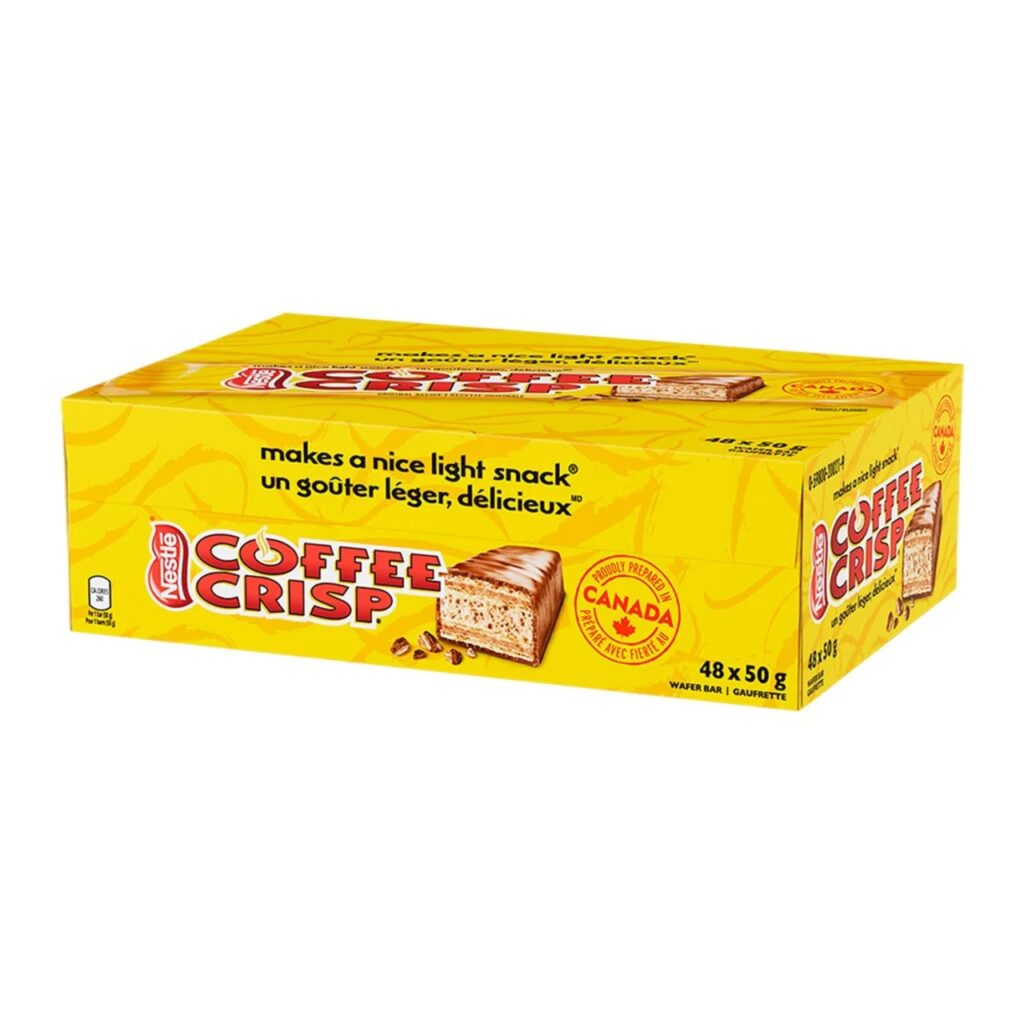
Coffee Crisp has one of the most misleading names in candy. It is not a harsh espresso bar for serious coffee drinkers. Instead, it is a light wafer candy with a gentle coffee flavor, layered texture, and milk chocolate coating that makes it feel airy rather than heavy.
That softer profile is exactly why Americans who try it in Canada often come back looking for more. It sits in a sweet spot between a wafer cookie and a candy bar, and there is not really a direct U.S. equivalent with the same texture and mellow flavor. Nestlé has kept it closely tied to the Canadian market, so while some specialty shops import it, most American grocery shoppers still cannot count on finding it next to mainstream chocolate bars.
Smarties

Canadian Smarties are one of the biggest sources of cross-border candy confusion. In the United States, Smarties are those tart little pressed sugar rolls handed out at Halloween. In Canada, Smarties are candy-coated milk chocolate pieces, closer in concept to M&M's but with a different shell, shape, and nostalgia factor.
Because the name belongs to different products in the two countries, bringing Canadian Smarties into the American mainstream has always been complicated. That legal and branding split helps explain why Americans keep hearing about them without seeing them in regular checkout lanes. For many Canadian shoppers, they are a childhood standard. For Americans, they remain a curiosity that feels both familiar and oddly off-limits, which only makes the craving stronger.
Aero Bars

Aero bars stand out because of texture before flavor. Snap one open and the inside looks aerated, almost bubbly, creating a chocolate bar that melts fast and feels lighter than a dense block of milk chocolate. That unusual structure gives it a distinct identity, even for people who think they have already tried every candy bar worth trying.
Although Aero has appeared in select international sections and specialty retailers in the U.S., it has never become a standard grocery-store item nationwide. Americans often discover it through travel or online chatter, then wonder why such a simple, satisfying chocolate bar is still hard to buy locally. The answer is mostly market focus and distribution. In Canada, it is common. In the U.S., it still feels like imported treasure.
Hickory Sticks
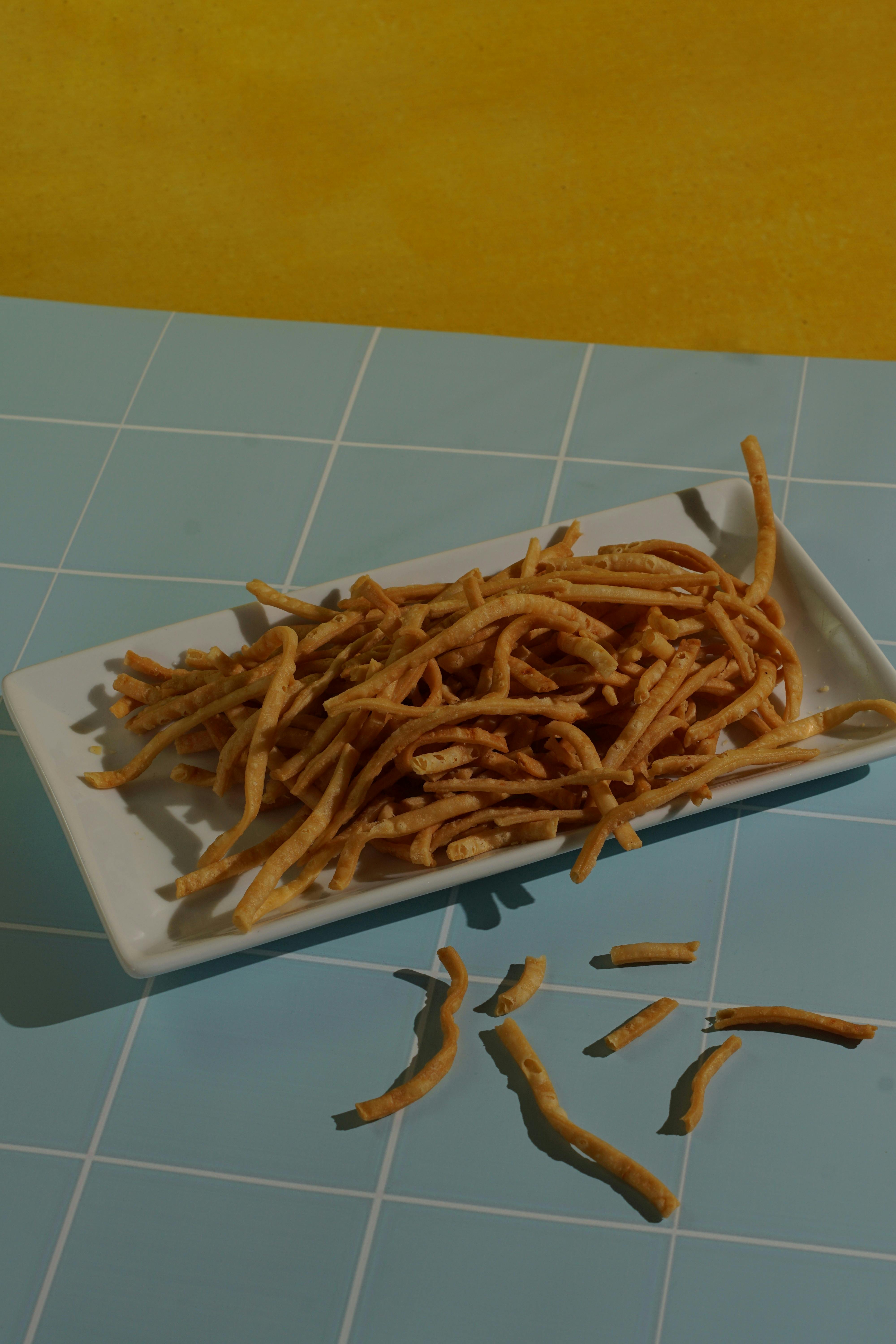
Hickory Sticks are one of those snacks that sound old-fashioned until you open the bag and realize how addictive they are. They are thin, crispy potato sticks with a smoky, savory seasoning that lands somewhere between chips, fries, and a retro bar snack people forgot they loved.
That texture is a big part of why Americans keep talking about them after trying them in Canada. They are lighter and crunchier than standard potato chips, but the flavor has more personality than plain shoestring potatoes. While the U.S. has seen similar products over the years, Hickory Sticks themselves remain surprisingly hard to find in mainstream grocery chains. For shoppers looking for something salty but different, they continue to feel like an obvious import that never quite arrived.
President's Choice Decadent Chocolate Chip Cookies

Some grocery-store products become famous enough to outgrow their house-brand label, and President's Choice Decadent cookies are a perfect example. Known for their generous chocolate chips, soft center, and rich buttery dough, they built a reputation as the kind of packaged cookie that tastes far better than anyone expects from a supermarket shelf.
Americans who hear Canadians rave about them often assume they can find something identical at home, but that is not really the case. President's Choice is closely tied to Canadian retail, especially Loblaw-owned stores, and the product has never developed broad U.S. grocery distribution. That matters because these cookies are not just another sweet snack. For many fans, they are the benchmark for packaged chocolate chip cookies, and Americans still want in.
Swiss Chalet Sauce
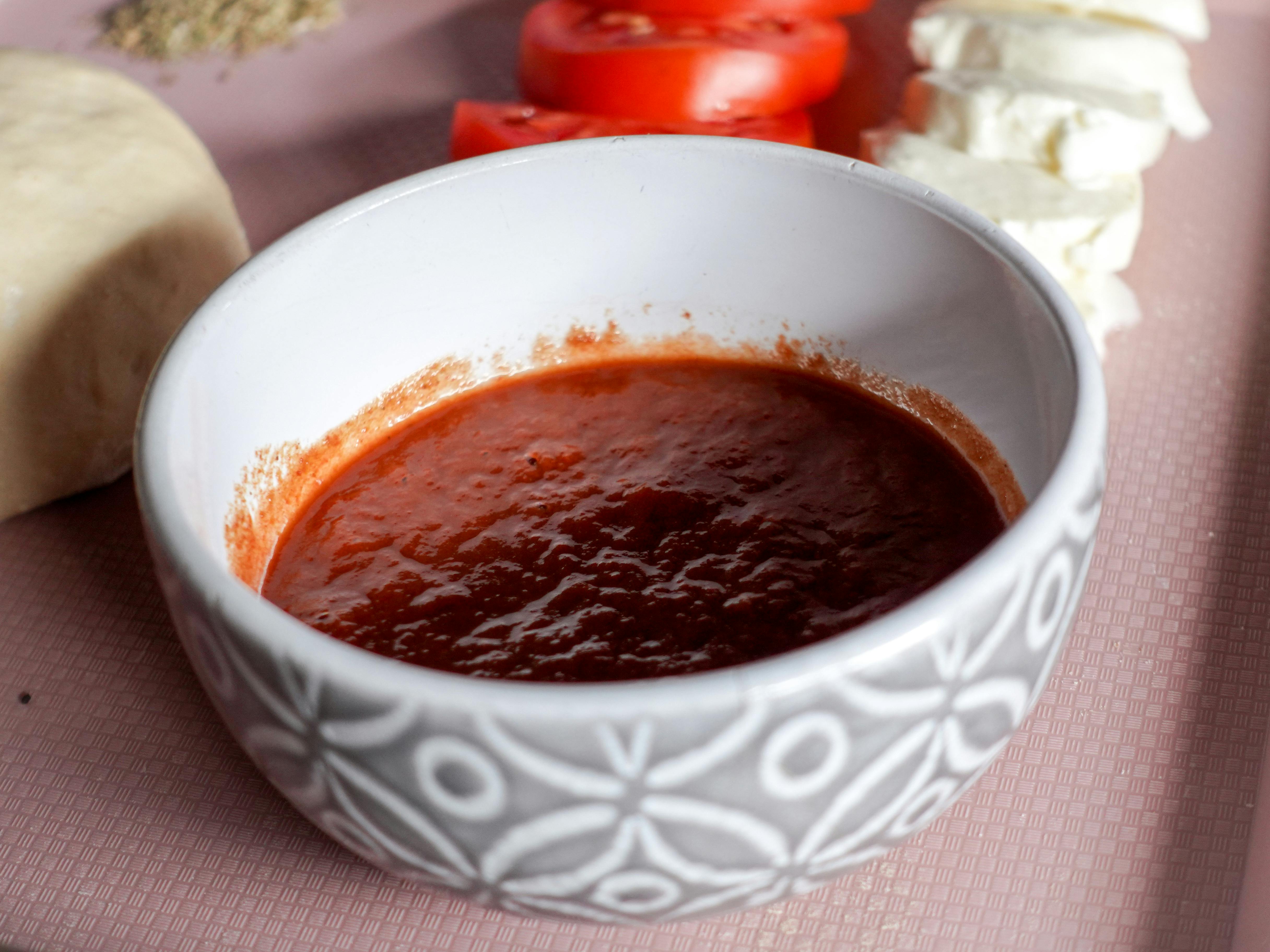
Swiss Chalet sauce has a loyal following that can sound almost evangelical to outsiders. Served with the chain's rotisserie chicken and fries, it is a savory dipping sauce with a thin, gravy-like consistency and a seasoned, slightly tangy flavor that is difficult to compare neatly to American chicken sauces or standard brown gravy.
That uniqueness is why Americans keep asking where they can buy it. Swiss Chalet has little to no real presence in the U.S., so the sauce never became part of the American restaurant or grocery landscape. Bottled versions have existed in Canada, but access south of the border is inconsistent at best. For travelers who tried it once with a chicken dinner, the memory tends to stick. There simply is not an easy domestic substitute.
Harvey's Sauce and Burger Experience
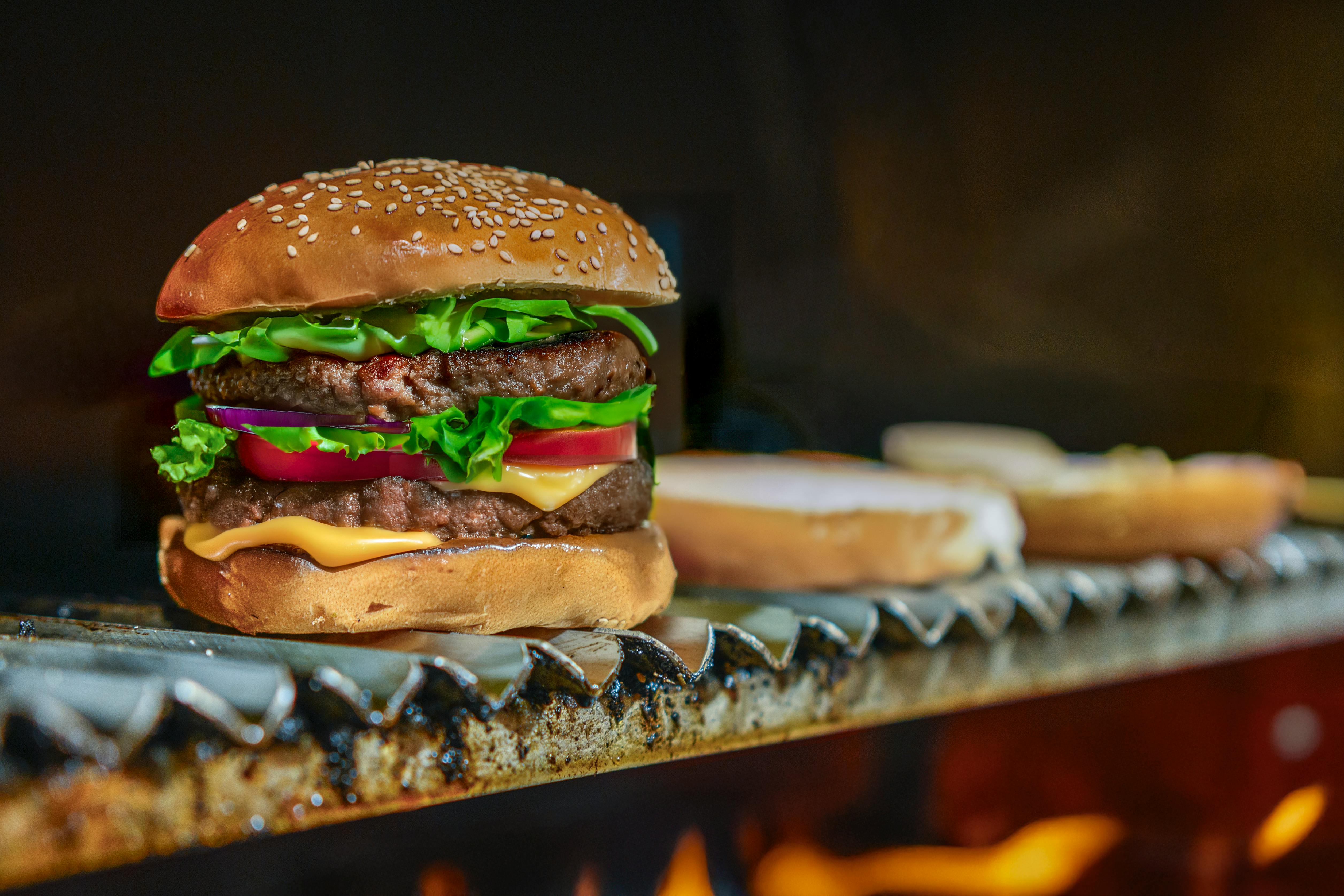
Harvey's is technically a restaurant brand, but for many Americans, it represents a whole category of Canadian fast-food flavor they wish had crossed over properly. The chain is known for flame-grilled burgers and a topping system that lets customers build a burger with a degree of customization that feels more personal than typical drive-thru fare.
One reason Harvey's keeps coming up in U.S. conversations is the signature taste people associate with its sauces and grilled beef. Americans who try it in Canada often come away wondering why this style of burger chain never expanded widely across the border. Since Harvey's remains overwhelmingly Canadian, there is no easy grocery-store workaround that captures the same combination of condiments, texture, and made-to-order feel. That absence keeps the brand in near-mythic territory for fans.




Leave a Reply