
For years, Canadian diners watched American fast food launches from across the border and wondered what they were missing. Then some of those long-hyped items finally arrived, only to reveal that scarcity had done most of the marketing. From overbuilt burgers to sugary drinks and novelty sides, these menu imports often felt more famous than flavorful.
McDonald's Big Breakfast

The Big Breakfast had the kind of cross-border mystique that made it sound like a missing piece of the McDonald's experience. Canadians had seen the photos, heard the comparisons, and expected something substantial enough to justify the wait.
What arrived was a very ordinary plate of scrambled eggs, a hash brown, sausage, and a biscuit or hotcake combination that felt more cafeteria than craveable. It was heavy without being satisfying, and expensive for food that rarely tasted fresher or better than a standard breakfast combo. In the end, the appeal seemed tied more to American familiarity than to any real culinary payoff.
Popeyes Chicken Sandwich
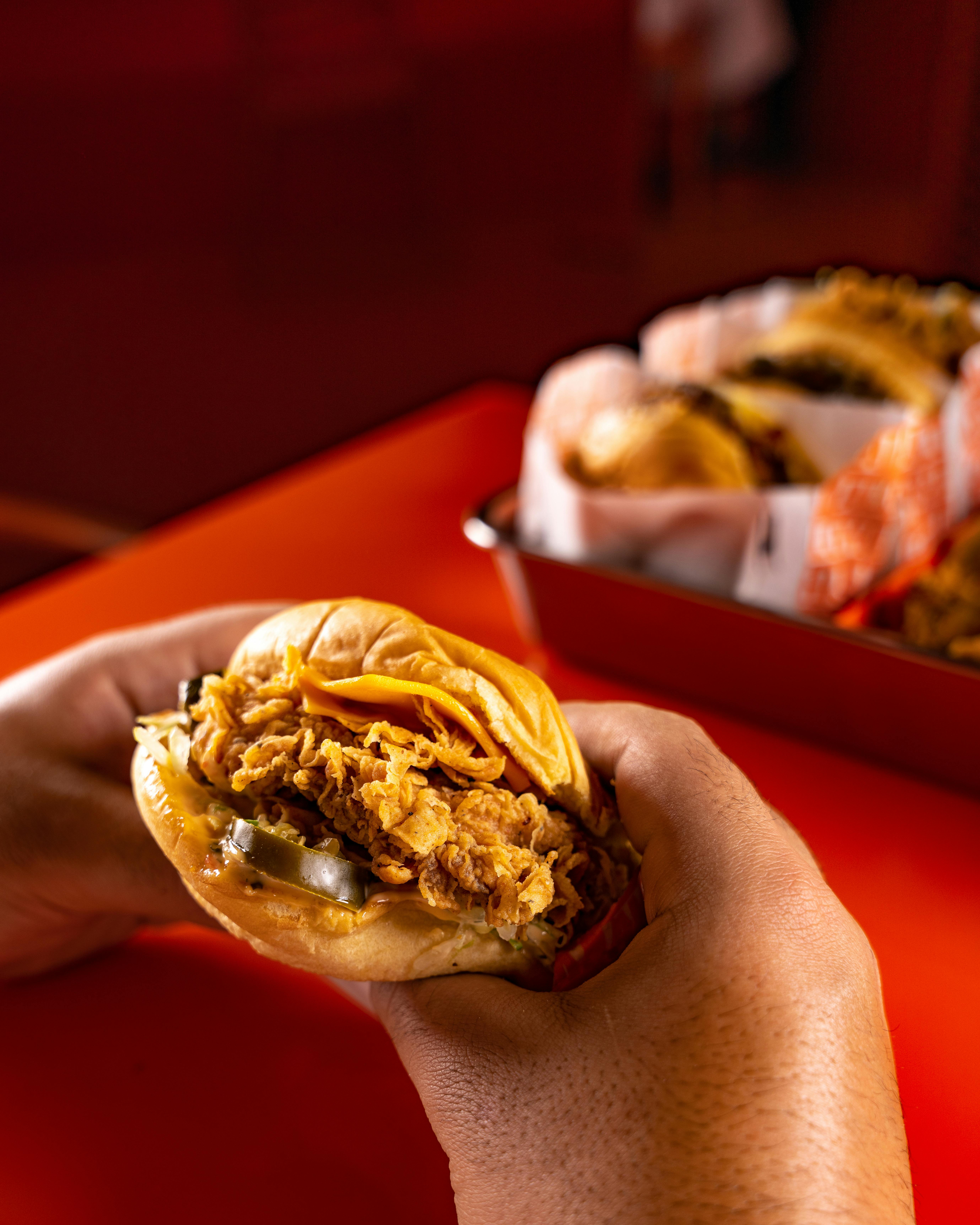
Few fast food items arrived with more online hype than the Popeyes Chicken Sandwich. By the time it became widely available in Canada, it had already been turned into a legend through sellouts, social media debates, and endless comparisons with rival chains.
The sandwich is not bad, but the expectation level was nearly impossible to meet. Many Canadian customers found it crispy and filling, yet also salty, messy, and a little one-note after the first few bites. When the excitement cooled, it landed in the same reality as many viral foods: solid for a quick lunch, but hardly the life-changing meal the internet promised.
Taco Bell Breakfast Crunchwrap

The Breakfast Crunchwrap sounded like exactly the kind of clever fast food innovation Canada had been missing. It took a familiar Taco Bell format, added eggs, cheese, meat, and hash browns, and promised a handheld breakfast that felt smarter than the usual sandwich.
In practice, it often tasted like a rushed compromise between convenience and novelty. The textures could turn soft quickly, the fillings were inconsistent, and the flavor rarely rose above generic breakfast saltiness. It looked inventive on paper, but after the curiosity wore off, many people were left with a meal that felt more engineered than enjoyable.
Burger King Chicken Fries

Chicken Fries were one of those American menu items Canadians heard about for years before they became easier to find. Their whole identity was built around being fun, snackable, and just different enough from nuggets to feel exciting.
The problem was that novelty did most of the heavy lifting. Strip away the shape, and they were often thin strips of processed chicken with a breading that leaned dry and salty. Dipping sauce helped, but it also exposed the weakness of the item itself. For many customers, Chicken Fries felt less like a breakthrough and more like nuggets trying very hard to wear a cooler outfit.
Dairy Queen Pretzel Sticks with Zesty Queso
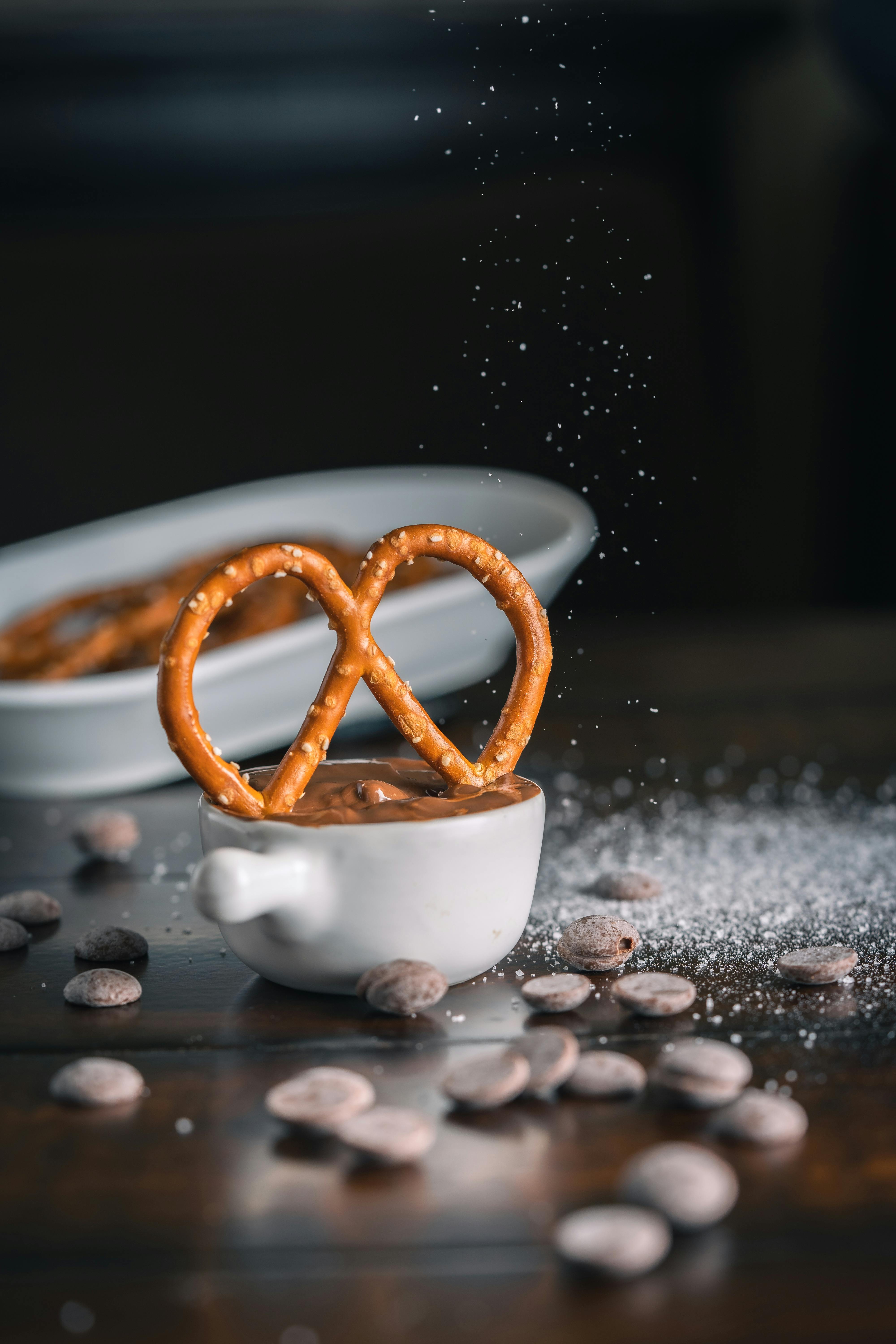
Some menu imports arrive with low expectations and still struggle to clear them. Dairy Queen's pretzel sticks with queso had a modest appeal when they gained attention in Canada, mostly because they promised a warm, savory break from the chain's sugar-heavy reputation.
What customers often got was a snack that felt more convenient than craveable. The pretzel sticks could be dry or overly chewy, while the queso leaned processed and flat instead of rich or sharp. It was not offensive, just forgettable. In a country already full of better bakery pretzels and better cheese dips, this one never felt like a missing classic finally restored.
A&W U.S. Cheese Curds

Cheese curds have real stakes in Canada because plenty of people already know what good ones should taste like. That made the arrival of American-style fast food cheese curds, including versions associated with A&W in the U.S., a harder sell from the start.
Instead of delivering the squeaky, fresh quality people expect from curds, these versions often came across as heavily breaded, greasy, and built more for dipping than for flavor. They were trying to be indulgent, but in a country where cheese curds are linked to poutine and dairy freshness, they felt strangely disconnected from the standard. The hype assumed novelty would be enough. It really was not.
Wendy's Baconator Fries
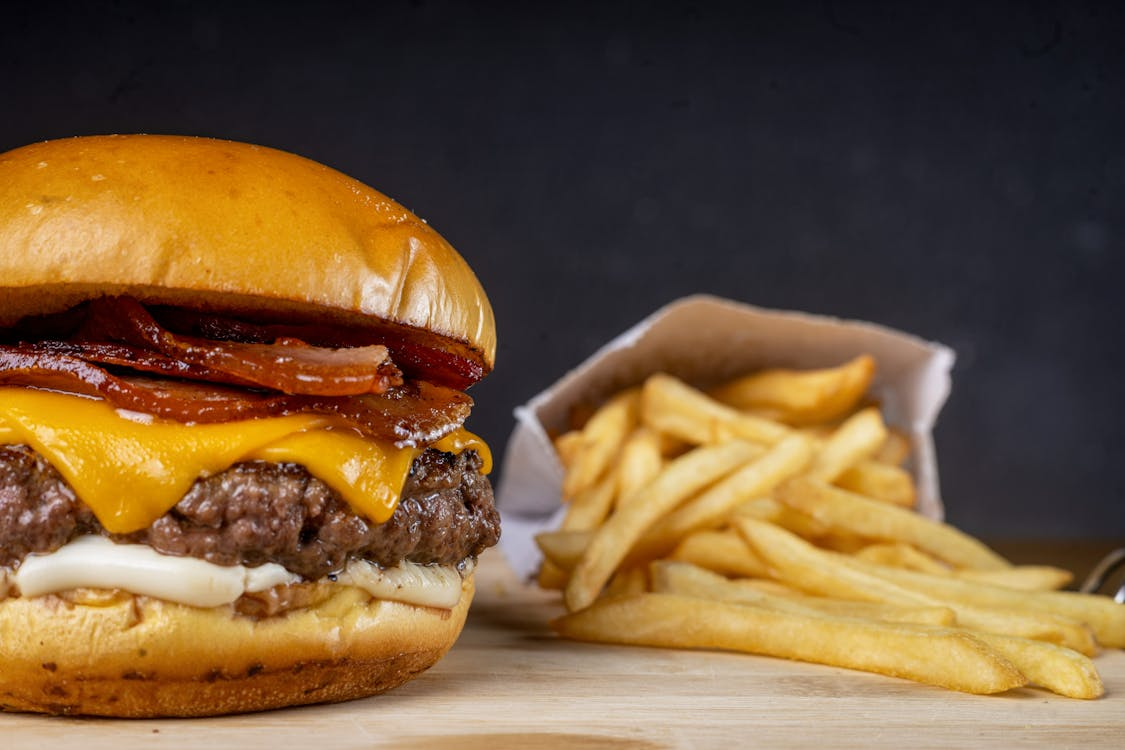
Baconator Fries arrived with a familiar fast food strategy: take a successful burger name, turn it into a side, and count on excess to sell the experience. For Canadians who had watched U.S. menus for years, it sounded like the kind of indulgent item worth trying at least once.
The issue was balance. Fries topped with cheese sauce and bacon can work, but these often turned limp quickly, with the sauce swallowing whatever crispness remained. The bacon added salt more than complexity, and the whole thing tended to eat like a side dish in a hurry to become a regret. It was rich, yes, but richness alone is not the same as satisfaction.
Krispy Kreme Original Glazed Doughnut

For Canadian fans of American chains, Krispy Kreme's Original Glazed Doughnut carried near-mythic status. The hot-light folklore, the melt-in-your-mouth reputation, and the long lines all suggested a doughnut experience leagues above what was already available at home.
Fresh off the line, it can be pleasant. Still, much of the praise depends on timing and nostalgia. Once the novelty fades, the doughnut's light texture can read as insubstantial, and the sugar glaze can feel overly sweet without much depth. In a market with strong local bakeries and familiar chains, it often seemed less like a revelation and more like a famous import trading heavily on its passport.
Sonic Corn Dogs

Sonic's corn dogs had long been one of those quintessentially American fast food items Canadians knew more from movies and road trip stories than from actual experience. Their eventual availability carried a certain nostalgia, even for people who had never eaten one.
Then reality set in. A corn dog is a simple thing, and Sonic's version often delivered exactly that, no more and no less. The sweet coating could taste oily if it sat too long, and the hot dog inside rarely felt premium enough to justify the anticipation. It was more of a pop culture snack than a genuinely great one, which made the cross-border buildup feel larger than the food itself.
Chick-fil-A Waffle Potato Chips

Not every underwhelming import is a main course. Chick-fil-A's waffle potato chips attracted curiosity in Canada because the branding suggested something more special than a standard bagged side, especially from a chain with a loyal following and carefully built menu identity.
What people got was a bag of chips that looked distinctive but tasted fairly ordinary. The waffle cut made them seem sturdier and more artisanal than they really were, while the flavor profile stayed firmly in the safe, salty middle. They were fine in the way many packaged chips are fine, but not memorable enough to feel like a prized menu arrival. For all the interest, they mostly disappeared into the meal.
Taco Bell Baja Blast

Baja Blast had years of reputation behind it before becoming easier for Canadians to try. It was not just a fountain drink. It was treated like a rite of passage for Taco Bell fans, a bright turquoise symbol of American fast food exclusivity.
That kind of buildup can be dangerous for a soda. Once the mystery was removed, many found it sugary, citrusy, and vaguely tropical, but hardly transformative. It pairs well with salty food, which is likely why it developed such loyalty, yet on its own it often felt like an aggressively branded soft drink in a crowded category. Fun to sample, yes. Worth years of anticipation, not really.


Leave a Reply