
The U.S. and Canada share a border, a language, and plenty of grocery aisles, but their comfort foods do not always translate. Some American staples strike Canadians as overly processed, oddly sweet, or just plain unsettling once you look closely at what is actually in them. This gallery explores a dozen foods Americans often treat as totally routine while many Canadians find them surprisingly hard to stomach.
Spray Cheese

There is something about cheese coming out of a pressurized can that instantly tests the limits of what many Canadians consider food. While Americans often treat it as a playful snack for crackers, road trips, and game days, the format alone can feel more industrial than appetizing north of the border.
Part of the reaction comes from expectations around cheese itself. Canada has a stronger everyday culture of block cheese, cheddar curds, and real dairy products with a shorter ingredient list. A shelf-stable cheese product packed with emulsifiers and preservatives reads less like a snack and more like a science project, even to Canadians who enjoy processed foods.
Twinkies

Twinkies have become a symbol of American snack culture, but to many Canadians they seem almost too engineered to be real. The bright sponge cake, the sweet cream filling, and the reputation for lasting forever make them feel less like dessert and more like a pop culture artifact.
Canadians certainly eat packaged sweets, but Twinkies push a few familiar complaints to the extreme. They are very sweet, very soft, and highly processed, with a texture that can come off as artificial rather than indulgent. What Americans often read as nostalgic comfort food, many Canadians read as a sugar bomb with a chemistry set attached.
Biscuits and Gravy
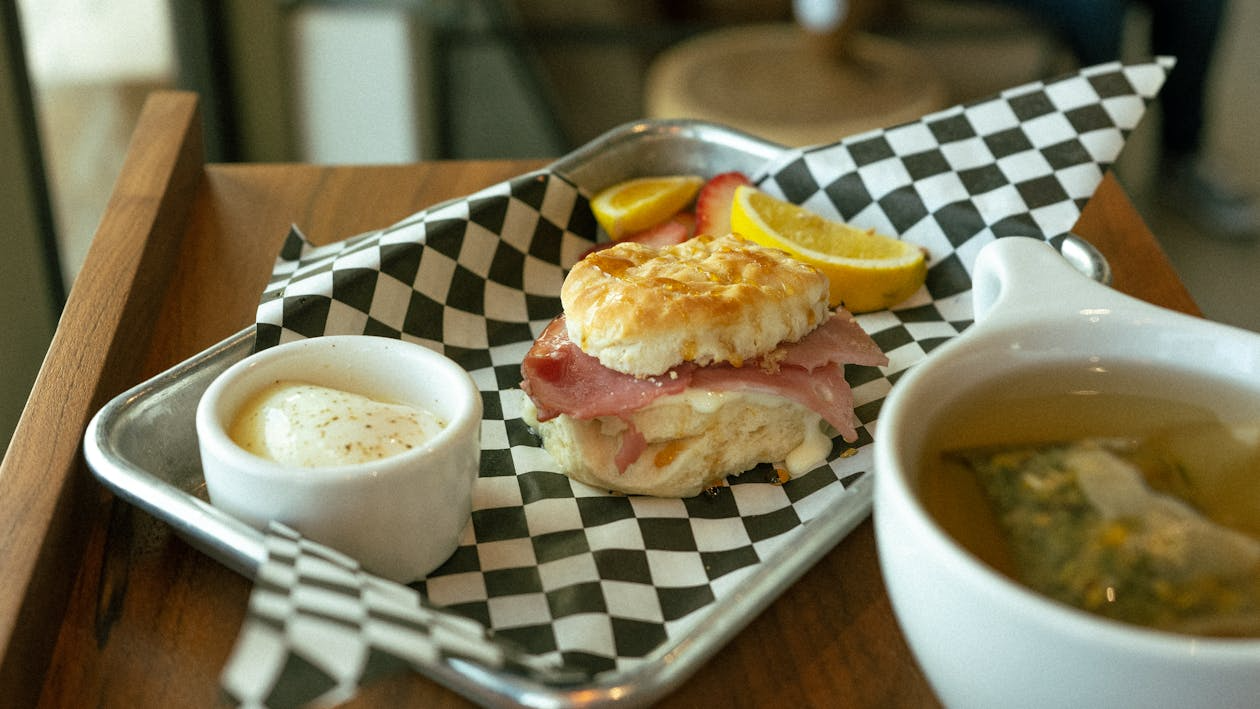
For many Canadians, the phrase sounds confusing before the plate even arrives. In Canada, a biscuit usually suggests something closer to a cookie in British usage, and gravy belongs with roast dinners, fries, or poutine. Covering a soft breakfast bread with a thick sausage sauce can seem heavy, beige, and deeply strange at first glance.
The dislike is often about context as much as flavor. A rich white gravy made with sausage fat is not a standard breakfast idea for most Canadians, who are more likely to expect toast, eggs, or peameal bacon. Americans may call it comforting and hearty, but Canadians often see a plate that feels excessive before the first bite.
Root Beer

Root beer is one of the clearest examples of a flavor divide that never quite closes. Many Canadians grow up with it too, but a large number still find the taste bizarre because it strongly resembles wintergreen, licorice, or even medicinal products. For people who connect those notes with toothpaste or cough remedies, the drink can be hard to enjoy.
Americans often describe root beer as nostalgic, creamy, and perfect with burgers or ice cream floats. Canadians who dislike it tend to have the exact opposite reaction. They do not taste dessert. They taste a sweetened version of something that belongs in a medicine cabinet, which makes every sip feel wrong.
Peanut Butter and Jelly Sandwiches
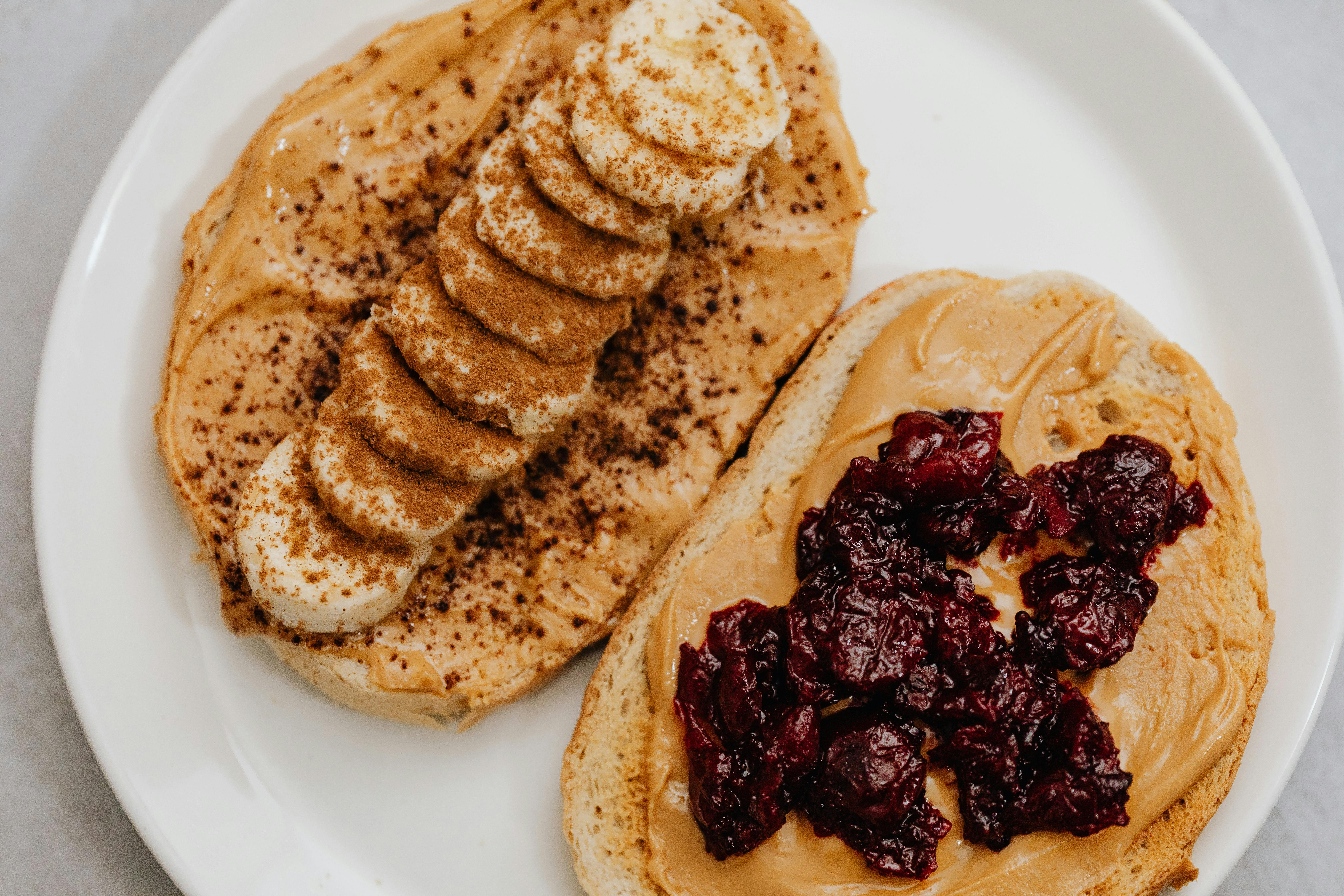
The peanut butter and jelly sandwich is practically sacred in the United States, yet many Canadians see it as one of those foods that makes less sense the more you think about it. Nut butter is savory, jelly is sugary, and the combination can strike people as sticky, messy, and strangely sweet for a sandwich.
Canada certainly sells peanut butter and jam, but the everyday devotion is not always the same. Many Canadians grow up with different lunch habits and are less attached to the pairing as a childhood staple. Without nostalgia doing the heavy lifting, the sandwich can seem like an odd mix of textures and flavors that never quite earns its fame.
Grape-Flavored Candy and Soda
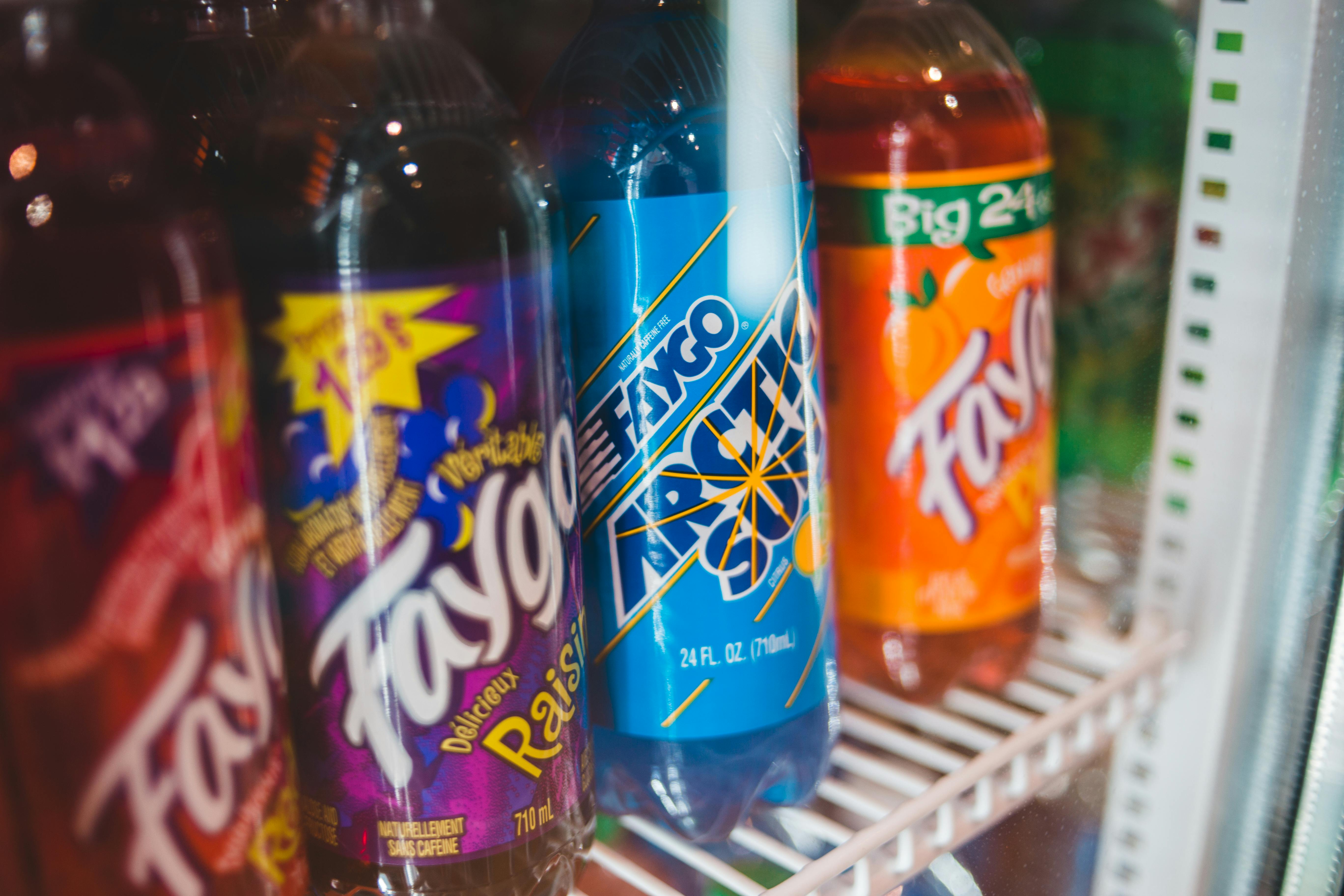
Grape flavor in the United States often lands with a purple punch that feels nothing like actual grapes. That gap can be especially jarring to Canadians, who may already be skeptical of intensely artificial fruit flavors. Instead of tasting fresh or juicy, many grape candies and sodas come across as medicinal and aggressively sweet.
This is not simply a matter of preferring one brand over another. The American version of grape flavor has become its own category, built more on candy chemistry than fruit. To fans, that is part of the appeal. To critics, especially those expecting something closer to real grapes, it tastes fake in a way that is almost impossible to ignore.
Canned Cheese Ravioli
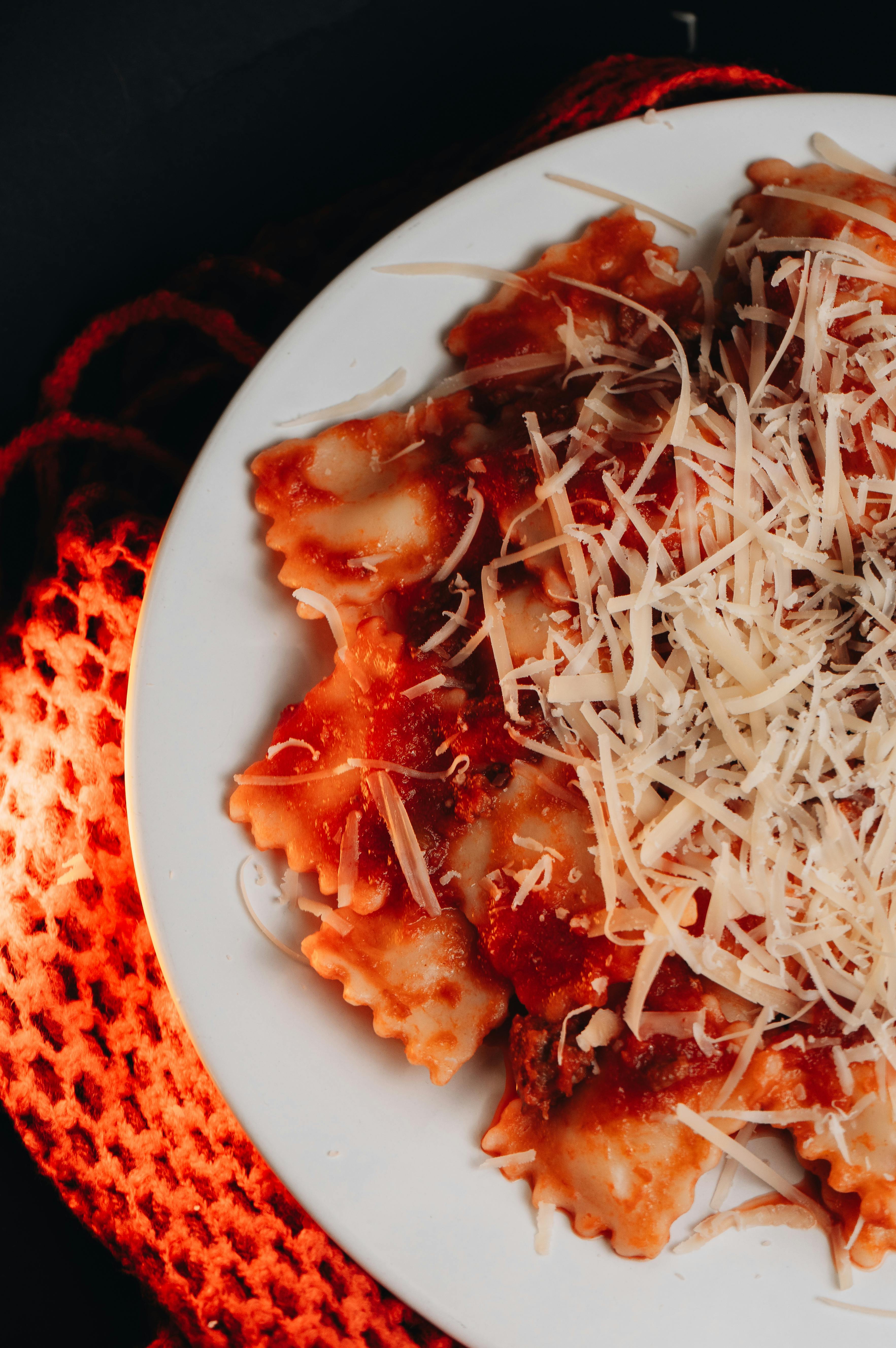
Pasta from a can already asks for a certain suspension of disbelief, and many Canadians are not willing to grant it. Canned cheese ravioli is often seen as one of the most extreme examples of convenience food, with soft pasta, sweet tomato sauce, and a texture that can feel more survivalist than satisfying.
The problem is not just that it is processed. It is that it imitates a dish associated with fresh ingredients and turns it into something shelf-stable for months. Canadians who are used to frozen pasta, takeout, or homemade versions often find the canned format especially grim. Americans may call it cheap comfort. Canadians often call it a last resort.
Corn Dogs
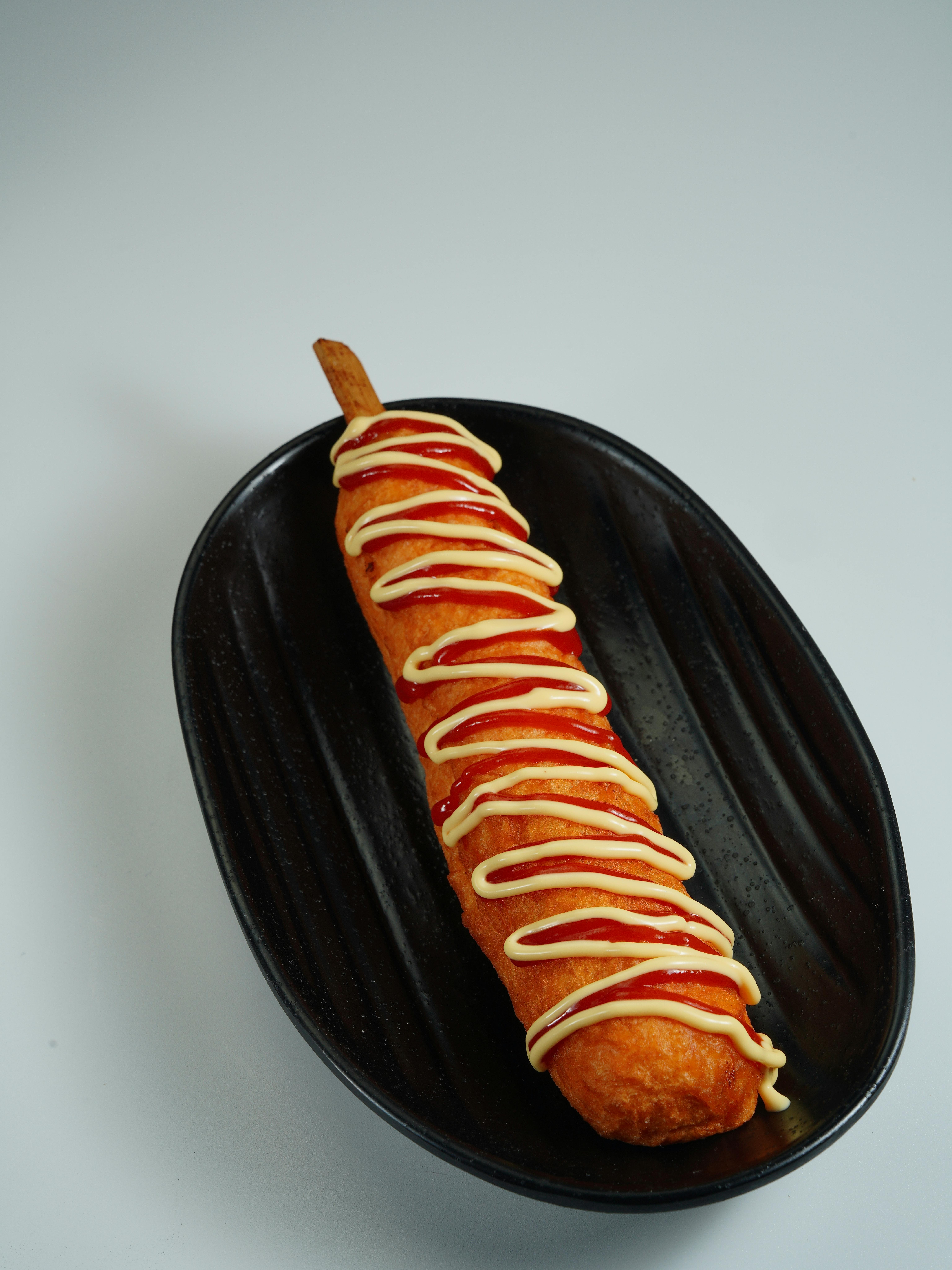
A hot dog dipped in cornmeal batter and deep-fried on a stick is exactly the kind of fair food Americans embrace with zero hesitation. Many Canadians, though, look at corn dogs and see a perfect storm of processed meat, sweet coating, and carnival grease all in one handheld package.
The flavor profile is part of the issue. The sausage is salty, the batter can be slightly sweet, and the whole thing leans more novelty than meal. Canadians enjoy plenty of fried foods at festivals, but corn dogs often feel especially artificial and overbuilt. They are less disturbing as a guilty pleasure than as something Americans genuinely treat as normal lunch food.
Marshmallow-Topped Sweet Potatoes
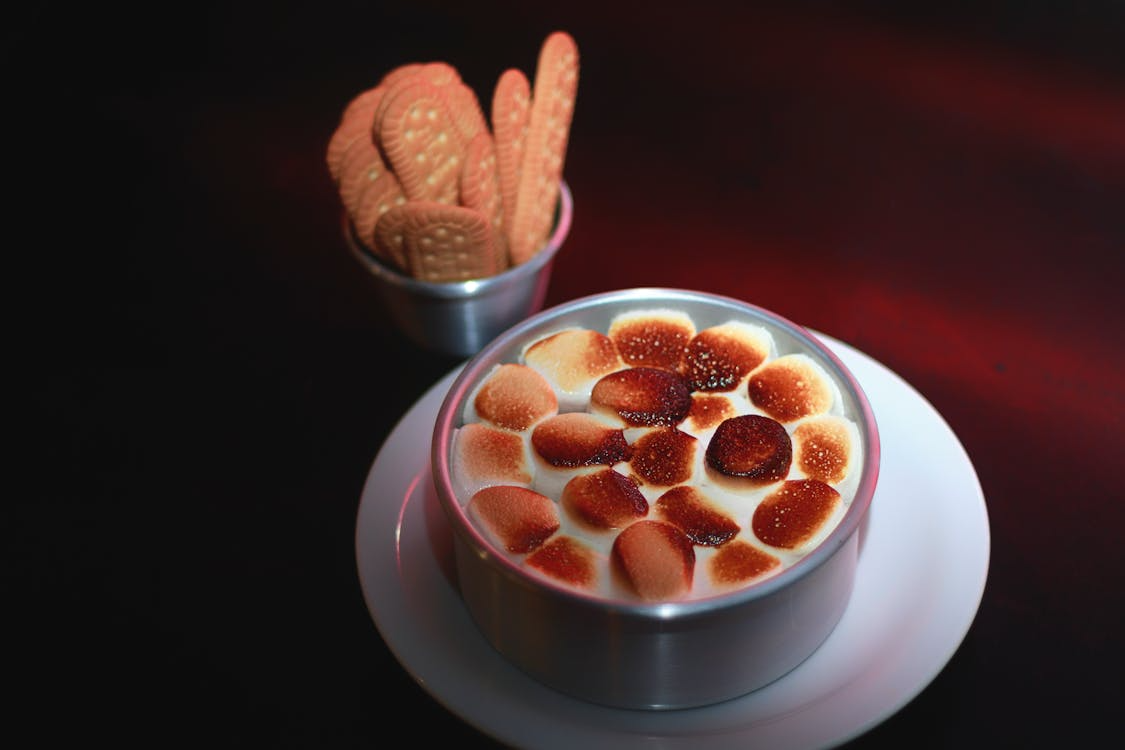
Sweet potatoes already occupy an unusual space between savory side dish and dessert, and the American habit of topping them with marshmallows can push Canadians over the edge. To many of them, it looks like a casserole that cannot decide whether it belongs beside turkey or on a holiday sweets table.
The dish has roots in American food marketing and holiday tradition, which helps explain why it remains so beloved in some homes. But outside that tradition, it can seem baffling. Canadians are often more comfortable with sweet potatoes roasted, mashed, or seasoned simply. Adding melted marshmallows on top makes the whole thing feel less festive than fundamentally confused.
Chicken and Waffles
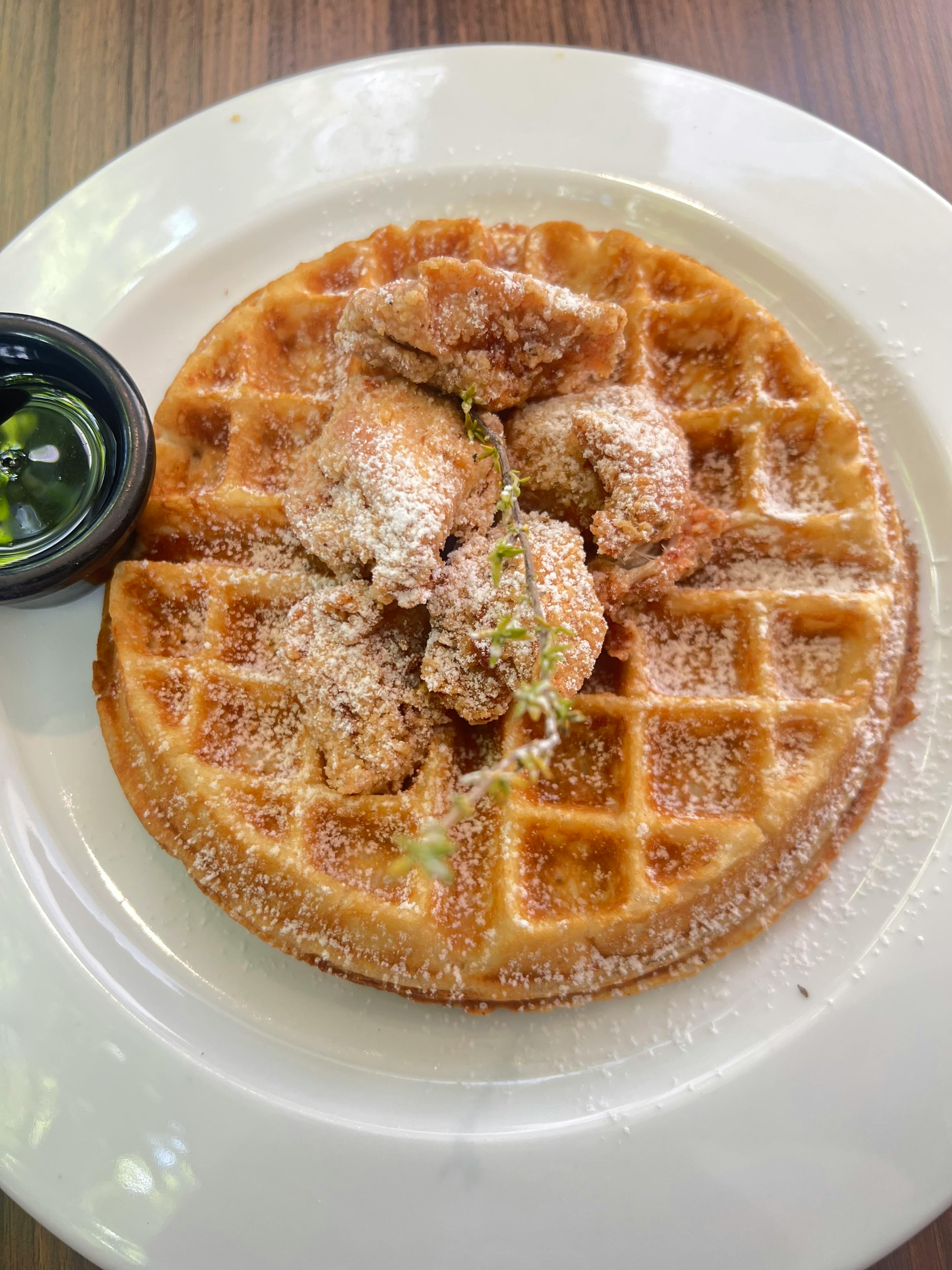
The first reaction many Canadians have to chicken and waffles is not disgust so much as disbelief. Fried chicken makes sense. Waffles make sense. Maple syrup makes sense. Putting them together on one plate, however, can feel like a culinary dare rather than a serious meal.
Americans who love the dish usually point to the contrast of salty, crispy, buttery, and sweet. That balance is exactly what critics reject. For many Canadians, the syrup crossing into fried chicken territory is where breakfast and dinner stop cooperating. Without a strong cultural attachment to the pairing, the whole thing can read as a mash-up that went one step too far.
Miracle Whip
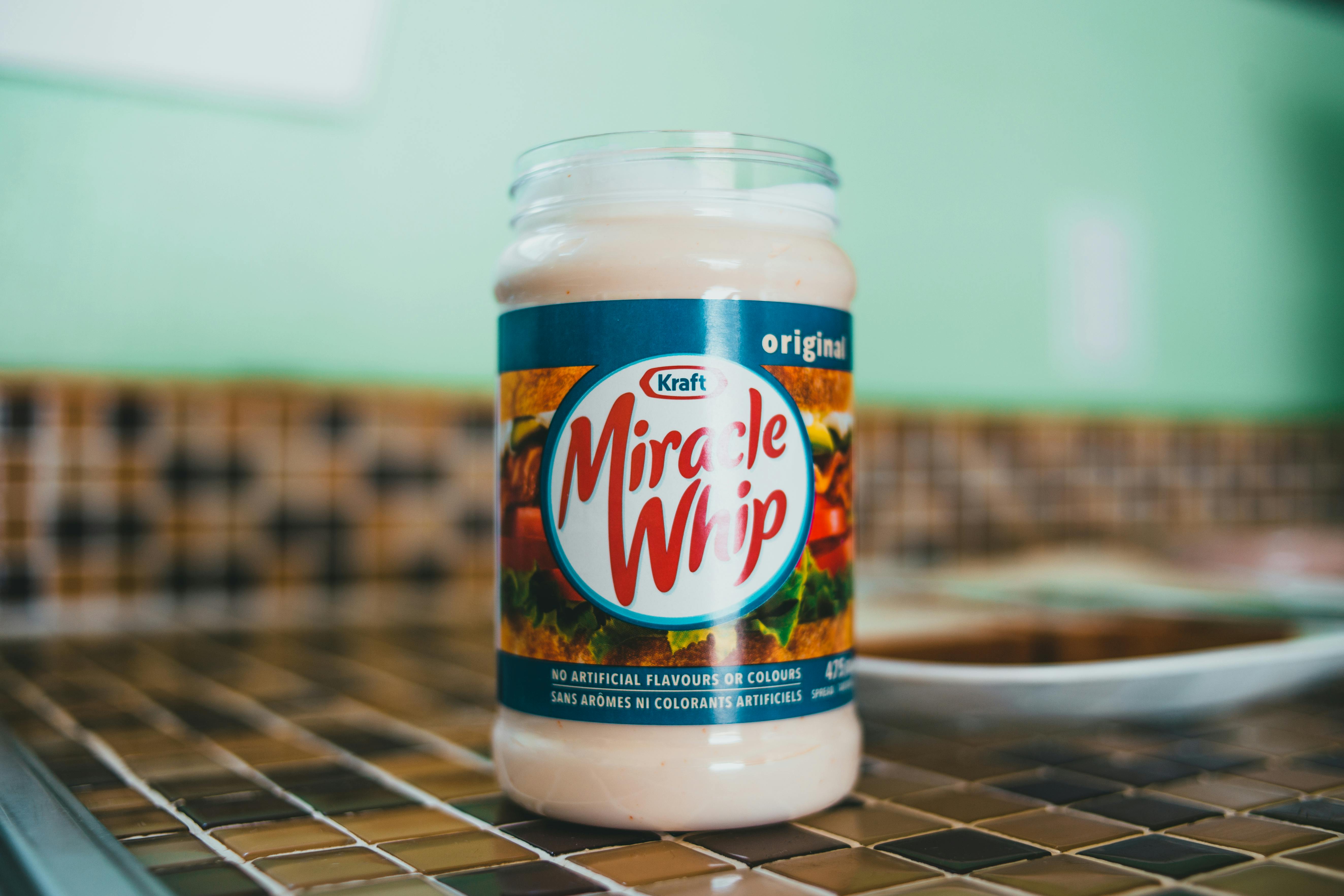
To Americans who grew up with it, Miracle Whip is a familiar sandwich spread with a tangy kick. To many Canadians, it is the product that proves mayonnaise can somehow become sweeter and more unsettling at the same time. The issue is less what it is than the way it sits awkwardly between dressing, condiment, and sugar-laced spread.
That sweeter profile is what tends to divide people most sharply. Canadians expecting plain mayo often find Miracle Whip jarring, especially in potato salad, tuna salad, or a simple sandwich. It changes the flavor of everything it touches. Fans call that zip. Critics call it a strange shortcut no one asked for.
Deep-Fried Butter

Some foods sound outrageous in theory but reasonable enough after one bite. Deep-fried butter is not usually one of them. Even Canadians with a healthy respect for fairground excess tend to hear the name and assume it must be a joke, because the idea of frying a chunk of butter feels like satire made edible.
The dish is mostly associated with American state fairs, where shock value is part of the attraction. Batter and frying can keep the butter from fully melting at once, but that technical explanation does little to make it more appealing. To many Canadians, it represents an especially American talent for taking indulgence past the point of pleasure.




Leave a Reply