
Ketchup is everywhere, which is exactly why most people never stop to question it. Yet this glossy red condiment has one of the most surprising origin stories in the food world.
Ketchup began as something that looked nothing like the bottle in your fridge
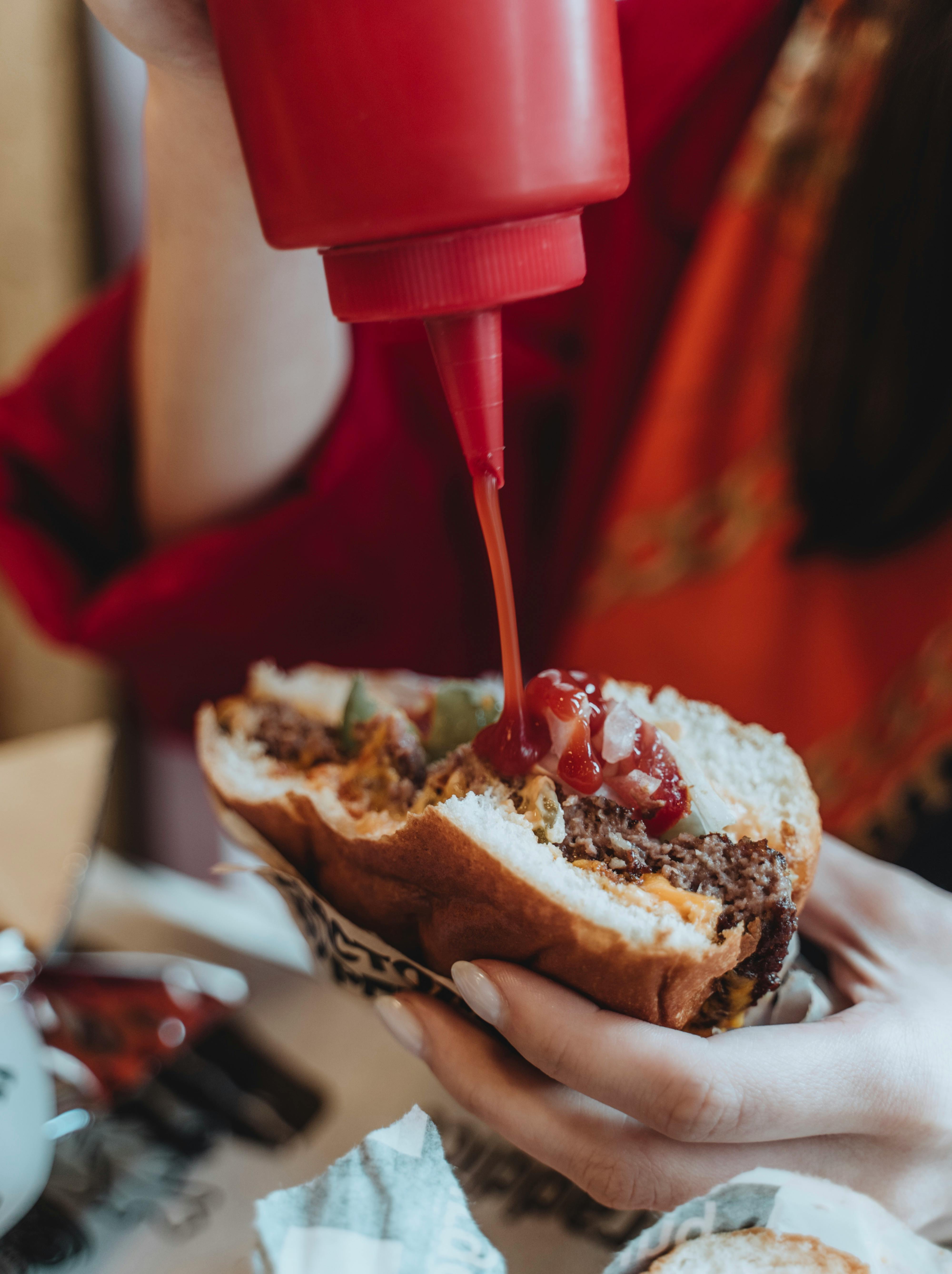
The first twist in ketchup's story is the simplest one: it did not start with tomatoes. Food historians generally trace the word to a fermented sauce from southern China or Southeast Asia, often linked to Hokkien Chinese terms such as kê-tsiap, referring to a brined or fermented fish sauce. It was salty, savory, and intensely concentrated, closer in spirit to modern fish sauce than anything you would squeeze onto a hot dog.
That early sauce traveled because trade traveled. Seafarers, merchants, and colonial powers carried ingredients and ideas across ports from China to present-day Malaysia, Indonesia, and beyond. British traders encountered versions of these seasoned sauces in Asia during the 17th century and brought the concept home, even when they could not bring the original ingredients in reliable quantities.
What they imported, above all, was the idea of a dark, punchy, preserved sauce that could transform bland food. In an era before refrigeration, that mattered a great deal. Strong condiments helped extend flavors, mask spoilage, and make simple meals more appealing, which helps explain why ketchup's ancestor spread so effectively.
In Britain, ketchup became an experiment rather than a fixed recipe

Once ketchup reached Britain, it stopped being one exact thing and became a category. Cooks began creating their own versions using ingredients they could find locally, and many had no fish at all. Published recipes from the 18th century used mushrooms, walnuts, oysters, anchovies, shallots, and spices, producing dark, thin sauces with deep umami flavor.
Mushroom ketchup became especially important. Far from the bright red condiment we know today, it was closer to a seasoned liquid extract, made by salting mushrooms, drawing out their juices, and boiling the liquid with spices. In old British cookbooks, ketchup functioned almost like a seasoning concentrate, added to gravies, stews, soups, and meat dishes.
This tells us something important about the food culture of the time. Ketchup was not initially a table sauce for dipping fries. It was a cook's ingredient, valued for complexity and intensity. The common thread across these early recipes was not tomatoes but preservation, savoriness, and adaptability, which made ketchup a flexible answer to the constraints of regional ingredients and long storage needs.
Tomatoes entered the picture later, and not everyone trusted them
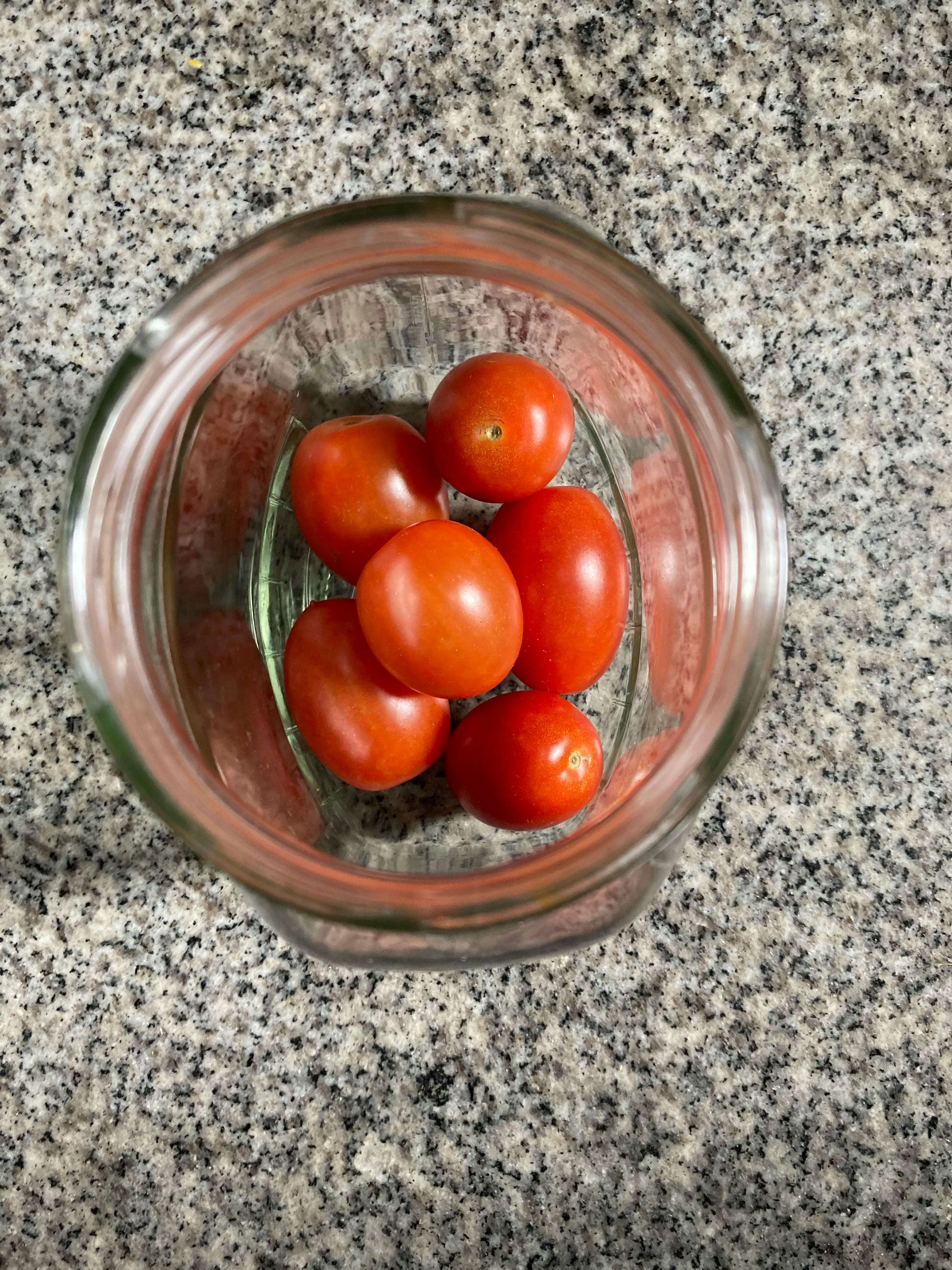
The next major shift came when tomatoes began appearing in ketchup recipes in the early 19th century. In both Britain and the United States, tomatoes were becoming more accepted as food, though that acceptance had taken time. For years, many Europeans and Americans treated tomatoes with suspicion because they belonged to the nightshade family, and some believed they were dangerous.
By the early 1800s, that fear was fading, and tomatoes offered clear advantages. They were abundant, flavorful, and naturally rich in glutamates, the compounds that support savory taste. They also paired well with vinegar, salt, sugar, and spices, making them ideal for a sauce that could be preserved and mass-produced.
American recipes began pushing ketchup in a new direction. Tomato ketchup was thicker, brighter, and more visibly tied to the produce of local farms than mushroom or walnut versions. It also fit neatly into a growing American food identity, one that valued bold flavor, industrial scalability, and a condiment that could be spooned or poured directly onto food rather than used mainly in the kitchen.
Industrial food production turned ketchup into a modern staple

Ketchup became the product we recognize today when food manufacturing became more standardized in the late 19th and early 20th centuries. Before that, bottled ketchup could vary widely in taste, texture, and safety. Some producers relied on preservatives such as benzoate, and lower-quality tomatoes could make the final product inconsistent or unstable.
One of the biggest turning points came with companies like Heinz, which built consumer trust around purity, uniformity, and attractive packaging. Heinz promoted ripe tomatoes, vinegar, sugar, and spice blends while emphasizing cleanliness and predictable quality. In an era of growing concern about adulterated foods, that message carried enormous power.
The result was not merely commercial success but cultural permanence. Ketchup became a household standard because it was affordable, shelf-stable, sweet, tangy, and familiar. Advances in bottling, transportation, and later food science helped create a sauce that tasted essentially the same from one purchase to the next, which is one reason it became deeply woven into fast food, diners, backyard cookouts, and home kitchens alike.
The flavor of ketchup is carefully designed to appeal to almost everyone

What makes ketchup so broadly lovable is not luck. Its flavor sits at a remarkably effective intersection of sweet, sour, salty, and umami, with just enough spice to keep it lively. Tomatoes provide glutamates, vinegar brings brightness, sugar softens acidity, and salt rounds out the overall profile, creating a balance that works across many foods.
That balance also explains why ketchup became especially popular alongside fried and fatty dishes. French fries, burgers, meatloaf, eggs, and hash browns all benefit from a condiment that cuts richness while adding sweetness and savory depth. Food scientists often point out that highly successful condiments tend to solve multiple taste needs at once, and ketchup does exactly that.
Texture matters too. Modern ketchup is thick enough to cling but smooth enough to spread, dip, or drizzle. Even its famous bottle-pouring behavior has shaped how people think about it. The entire experience, from glossy appearance to predictable taste, has been refined over decades, turning ketchup into not just a sauce but a model of mass-market flavor engineering.
Today's ketchup still carries its long global history in every squeeze
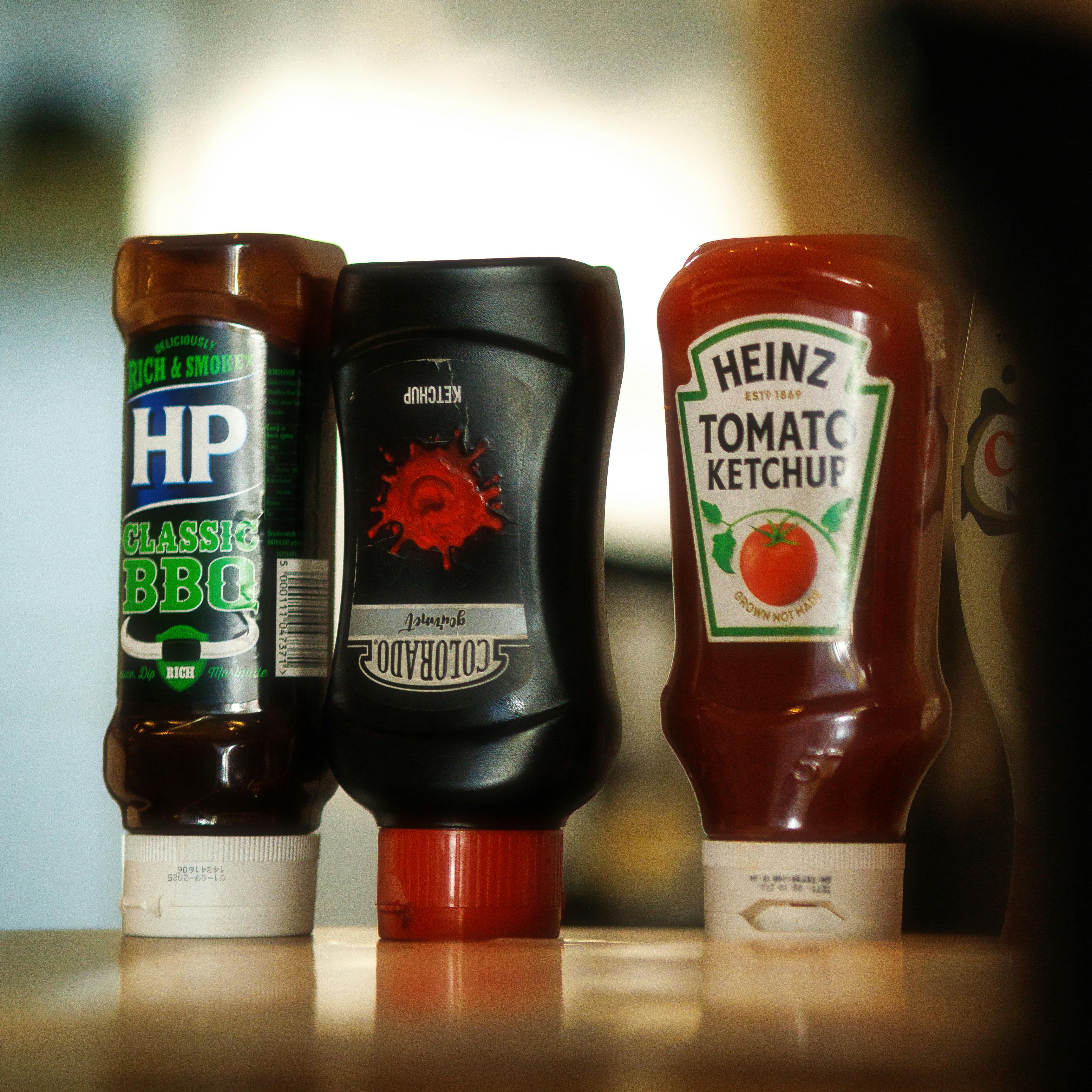
The final surprise is that ketchup remains a living example of global food exchange. A sauce concept born from Asian fermentation traditions was reworked by British cooks, transformed by American agriculture and industry, and then exported around the world as a symbol of everyday comfort food. Few condiments better capture how cuisines evolve through trade, adaptation, and reinvention.
Modern ketchup has also diversified again. Supermarket shelves now include organic versions, reduced-sugar formulas, spicy blends, curry ketchup, banana ketchup in the Philippines, and chef-made small-batch styles inspired by older methods. In that sense, ketchup has come full circle, returning to the experimentation that defined its early history.
So the next time you reach for ketchup, you are not just grabbing a simple tomato sauce. You are using the latest chapter in a story shaped by sailors, merchants, cookbook writers, factory owners, farmers, and food scientists. Its journey from fermented fish brine to a red American icon is exactly what makes it so much more interesting than it first appears.




Leave a Reply