
Canadian chefs know that smart kitchens are built on thrift as much as talent. In restaurants, every stalk, peel, bone, and crumb is a chance to create flavor instead of waste. These easy habits bring that same resourceful mindset home, helping everyday cooks cut grocery costs while getting more from the food they already buy.
Turn vegetable scraps into stock

One chef habit stands above the rest: save the bits that still have flavor. Onion ends, carrot peels, celery tops, mushroom stems, leek greens, and herb stalks can all go into a freezer bag until you have enough for a pot of stock.
Canadian kitchens rely on this because it turns food that might be tossed into a base for soups, grains, sauces, and braises. The result is deeper flavor and fewer cartons of store-bought broth in your cart.
Keep strong brassica scraps like cabbage or too many broccoli stems to a minimum so the stock stays balanced. Simmer gently rather than boiling hard, and strain once the liquid tastes rounded and savory.
Use stale bread in new dishes
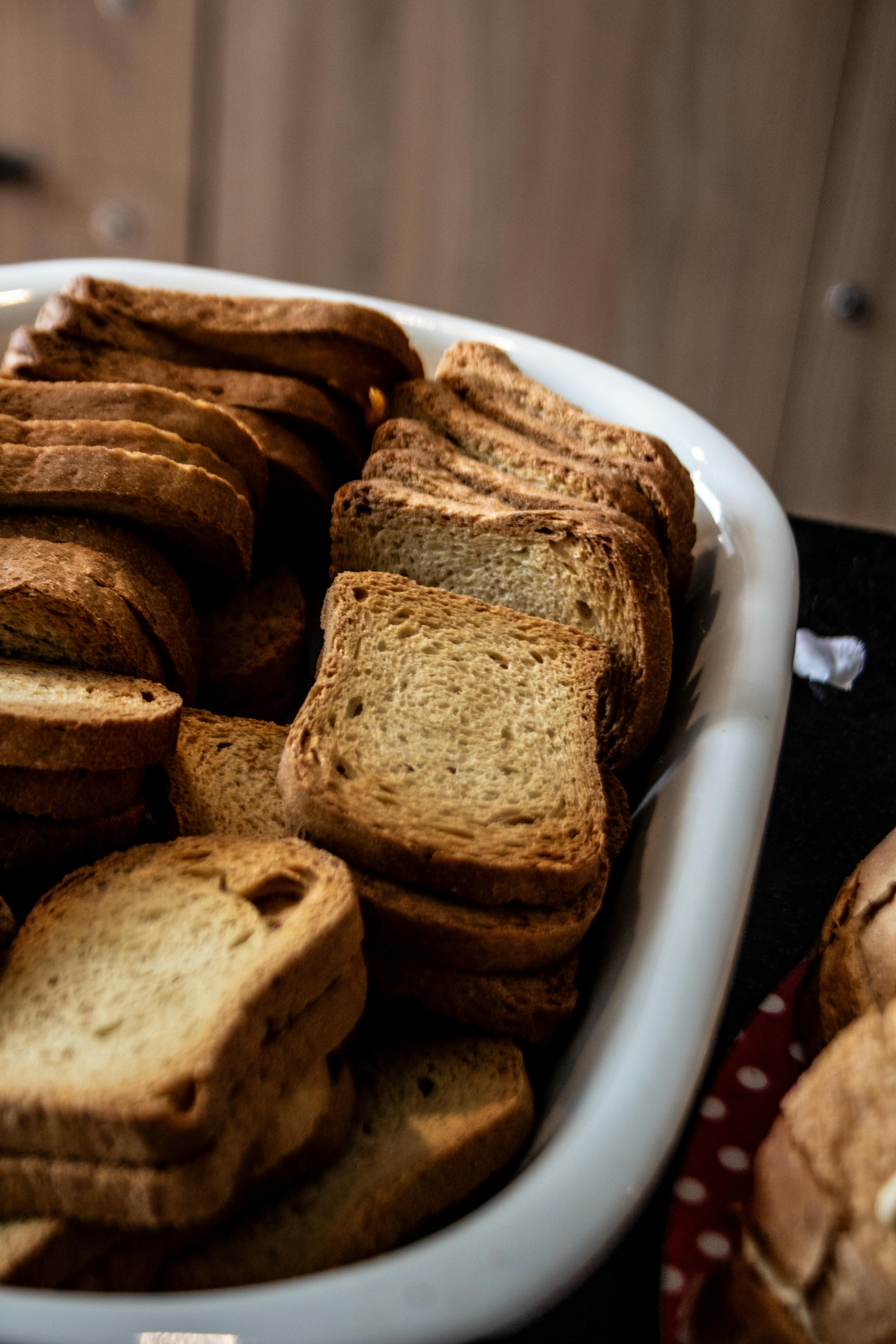
Good bread rarely needs to be wasted. Canadian chefs often revive day-old loaves by turning them into croutons, breadcrumbs, stuffing, strata, ribollita-style soups, or a crisp topping for baked pasta and roasted vegetables.
This works because stale bread has lost moisture, not usefulness. A quick toast and pulse in a food processor creates crumbs that freeze well and add crunch to everything from fish cakes to macaroni and cheese.
Even a very dry loaf can be reborn. Tear it into pieces for panzanella, soak it into meatballs, or blitz it with garlic and parsley for a fast pangrattato that tastes far more expensive than it is.
Freeze herbs in oil or butter
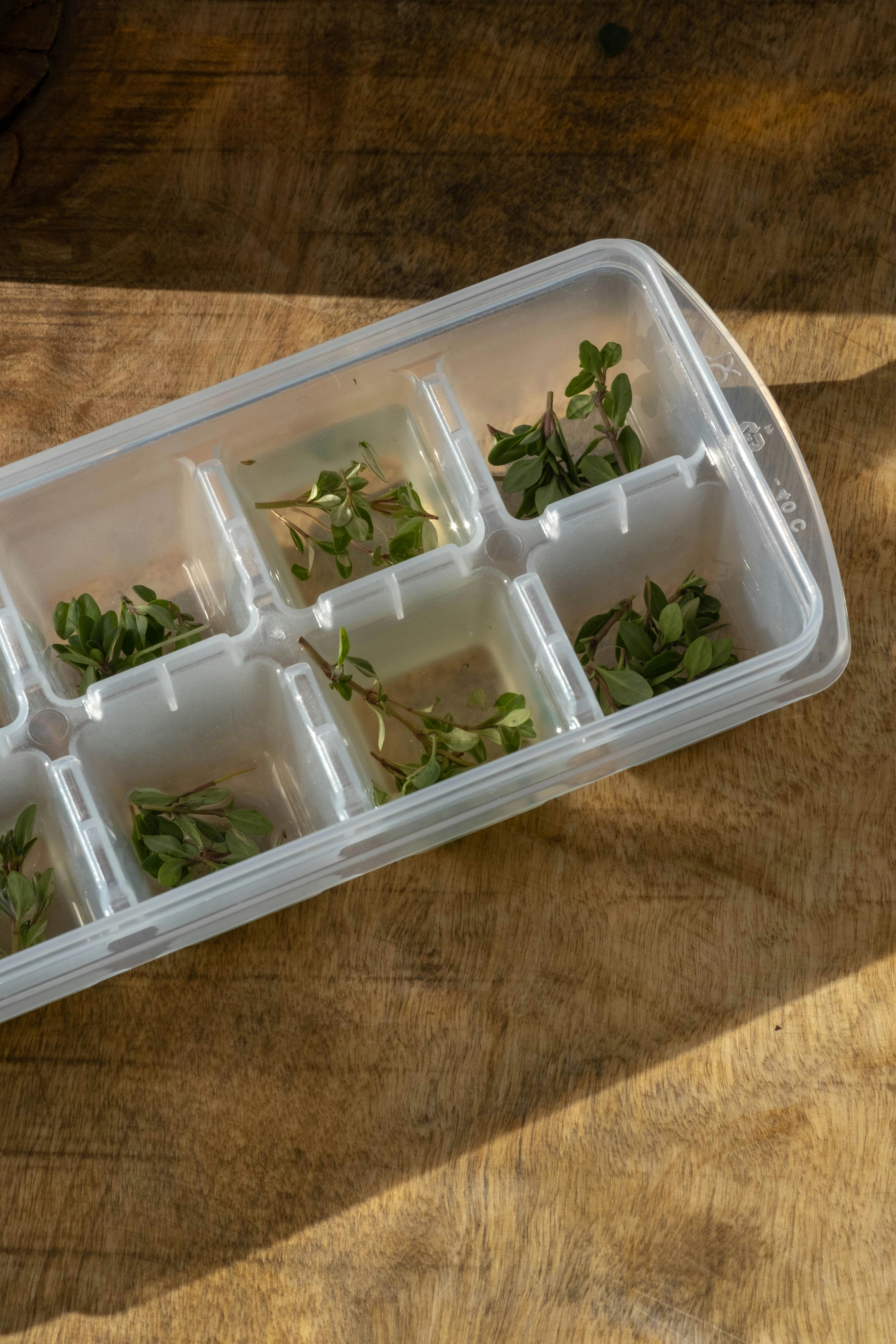
Fresh herbs often spoil just when a recipe needs only a few leaves. Chefs avoid that waste by chopping soft herbs like parsley, dill, cilantro, and chives, then freezing them in oil or melted butter in small portions.
The method is simple but smart. Fat protects flavor, keeps the herbs easy to use, and gives you instant building blocks for eggs, pasta, rice, fish, and roasted vegetables.
Hardier herbs can be handled differently. Rosemary, thyme, and sage dry well or can be frozen whole, but soft herbs benefit most from this trick because they wilt quickly in the fridge. A single cube can rescue dinner on a busy night and save a bunch from the compost.
Revive limp produce the right way

Not every tired vegetable is finished. Many chefs bring back wilted celery, lettuce, carrots, radishes, and herbs by soaking them in very cold water, sometimes with ice, to help the plant tissues firm up again.
It is a practical trick rooted in moisture loss. Produce often goes limp because it has dehydrated, not because it is unsafe. A short soak can restore snap and make ingredients useful for salads, slaws, and garnish.
This method will not fix spoilage, slime, or mold, so use judgment. But for vegetables that simply look weary, a bowl of ice water can buy you another meal and stop perfectly edible food from being thrown away.
Cook roots, stems, and greens together
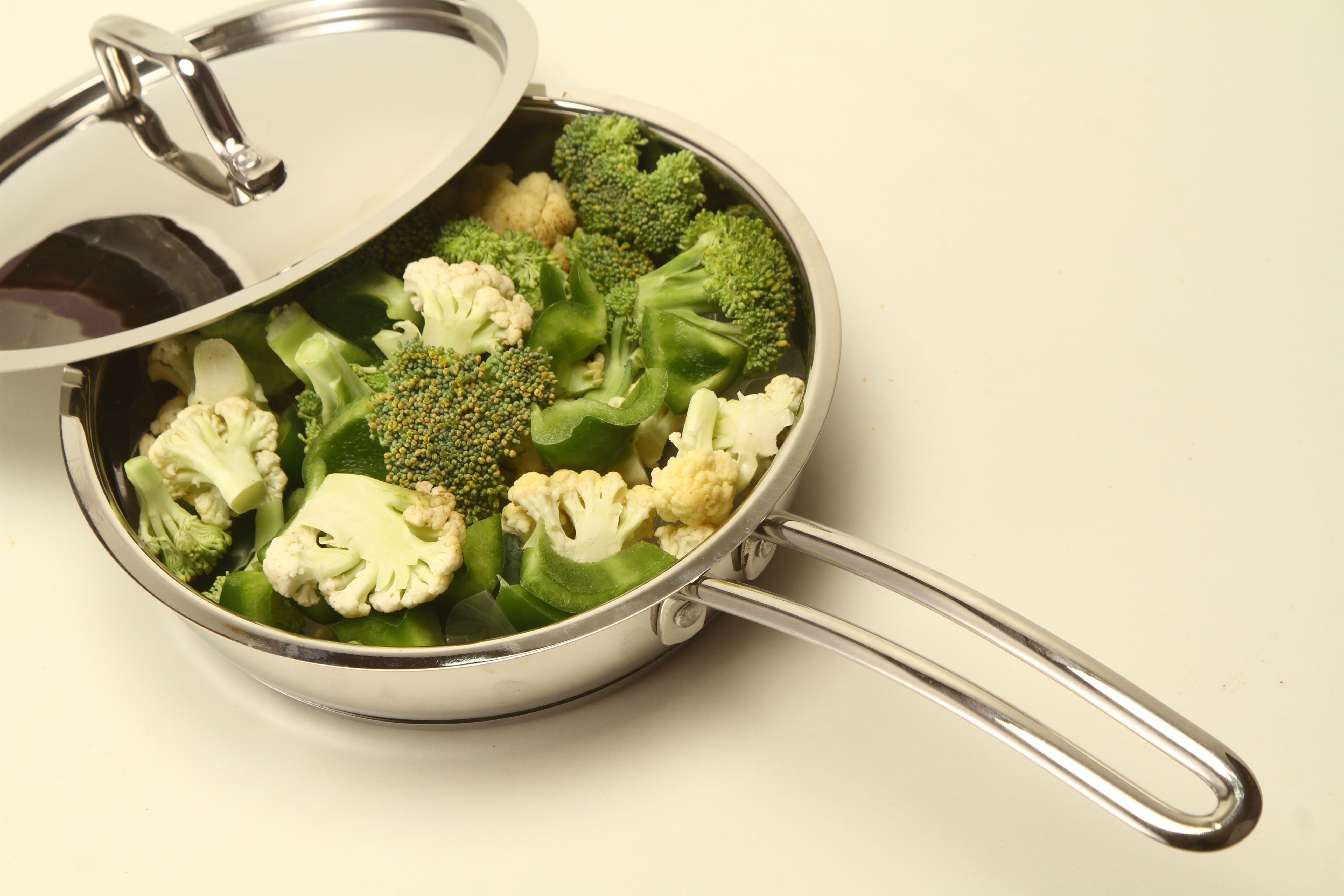
The most frugal kitchens do not separate the pretty part from the useful part. Beet greens, broccoli stems, cauliflower leaves, carrot tops, radish greens, and Swiss chard stems are all edible and often packed with flavor.
Canadian chefs use these overlooked parts in sautés, soups, pestos, gratins, and stir-fries because buying a whole vegetable should mean using the whole vegetable. Broccoli stems, for example, peel into sweet, crunchy slices, while beet greens cook much like spinach.
The key is matching texture to technique. Tough stems do well shaved thin or simmered, while tender greens need only a quick sauté. Once you start treating the entire bunch as dinner, grocery value rises fast.
Plan a weekly leftovers meal
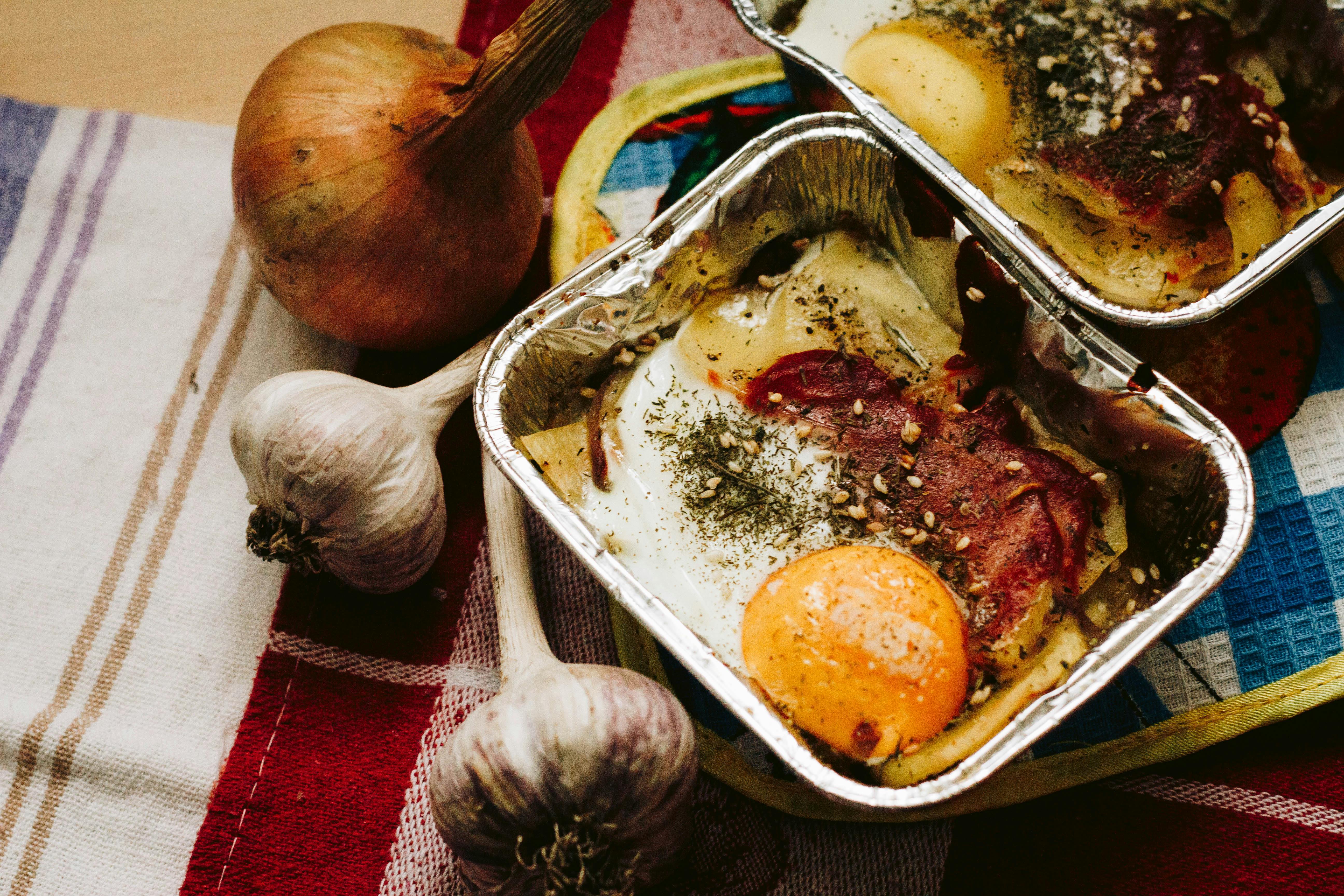
Chefs know that small amounts become a problem only when they are ignored. Setting aside one dinner each week for leftovers, often called a fridge clean-out meal, helps use up cooked grains, roasted vegetables, sauces, and bits of protein before they spoil.
This is less about random reheating and more about smart composition. Fried rice, frittatas, grain bowls, soups, quesadillas, and pasta bakes are all forgiving formats that welcome whatever is on hand.
The budget benefit is real because leftovers are food you have already paid for. A regular reset night also keeps the refrigerator less crowded, so ingredients stay visible and are more likely to be used while still at their best.
Pickle odds and ends for longer life
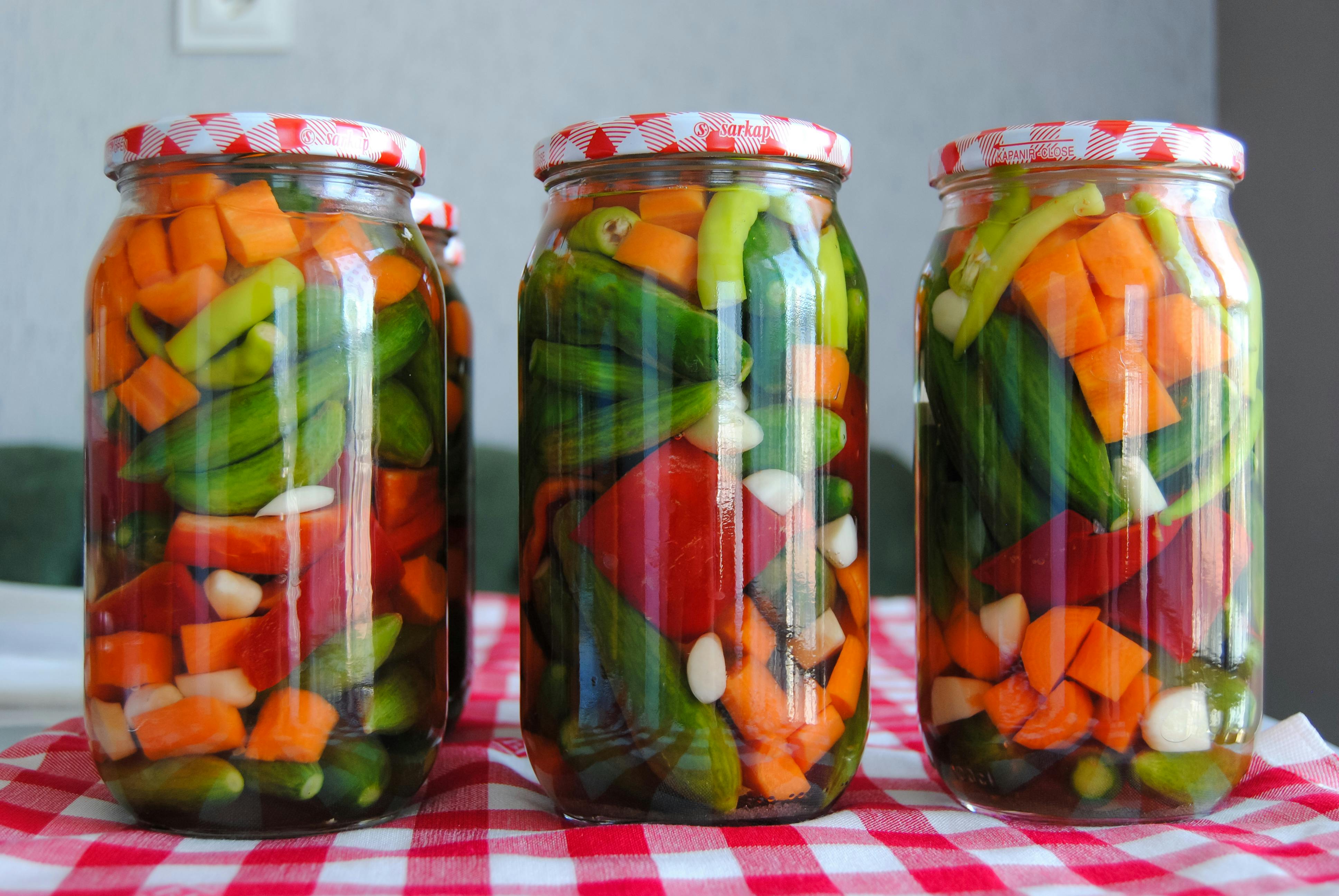
A quick pickle is one of the easiest ways to save produce before it fades. Chefs often use a simple brine of vinegar, water, salt, and a little sugar to preserve cucumber slices, onion, carrots, radishes, cabbage, or even watermelon rind.
This trick extends shelf life while adding brightness to rich dishes. Pickled vegetables cut through fatty meats, fried foods, grain bowls, and sandwiches, so they do double duty as both preservation and flavor.
You do not need full canning equipment for refrigerator pickles. Small jars and a basic brine are enough for a short-term fix, making it ideal when you have half an onion, a few radishes, or a lonely carrot that deserves better than the bin.
Render fat and save it for cooking
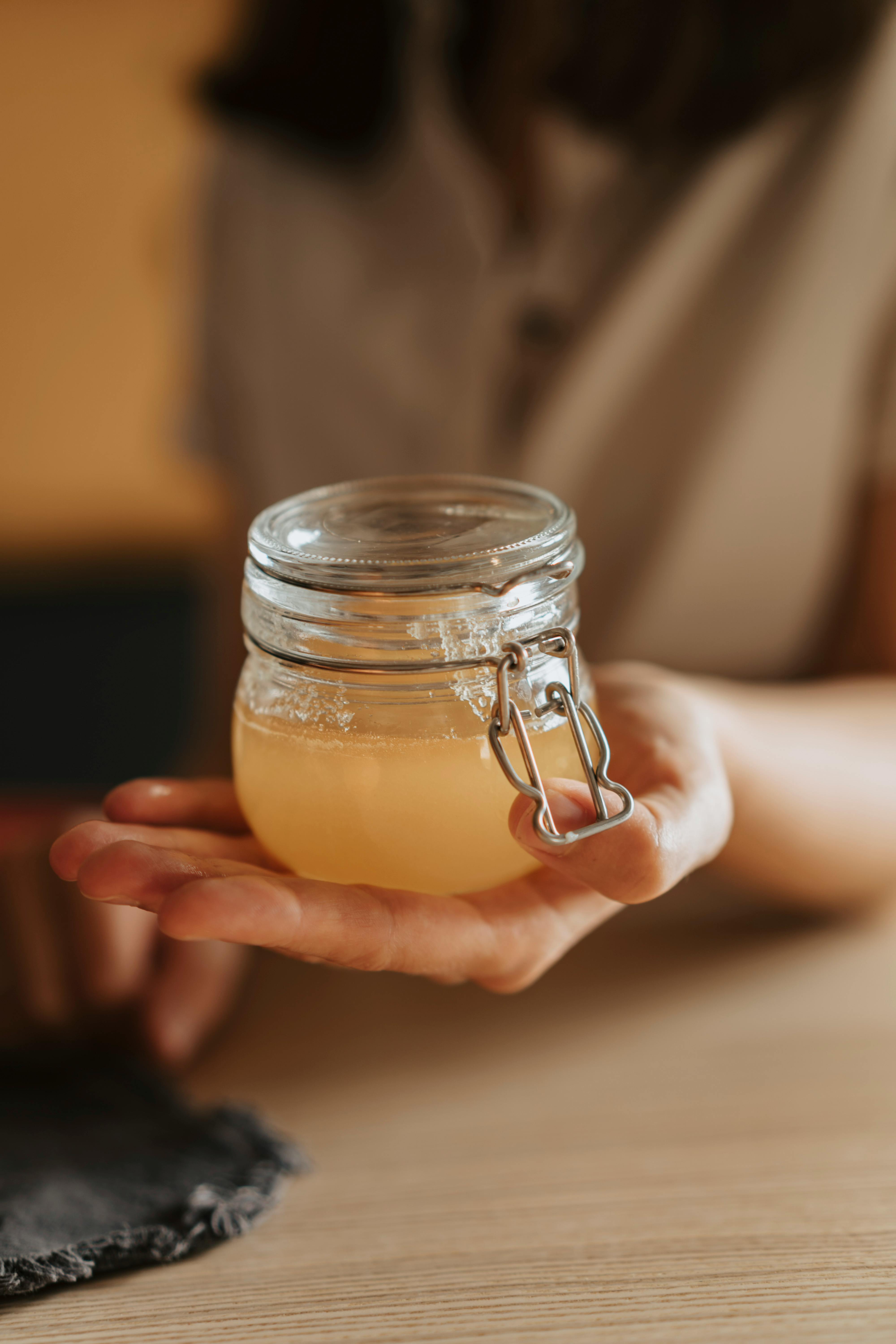
Smart cooks treat flavorful fat as an ingredient, not a throwaway. Bacon drippings, chicken fat, and trimmed beef fat can be rendered, strained, and used to roast potatoes, sauté greens, fry eggs, or start soups and stews.
In restaurant kitchens, this habit stretches expensive ingredients by carrying flavor into simpler foods. A spoonful of rendered fat can make humble cabbage, beans, or root vegetables taste richer without needing more meat.
Storage matters here. Keep saved fat chilled, use a clean jar, and discard anything that smells off. Handled properly, it becomes a thrifty pantry asset that turns scraps and trimmings into something deeply useful.
Make sauces from peels and trimmings
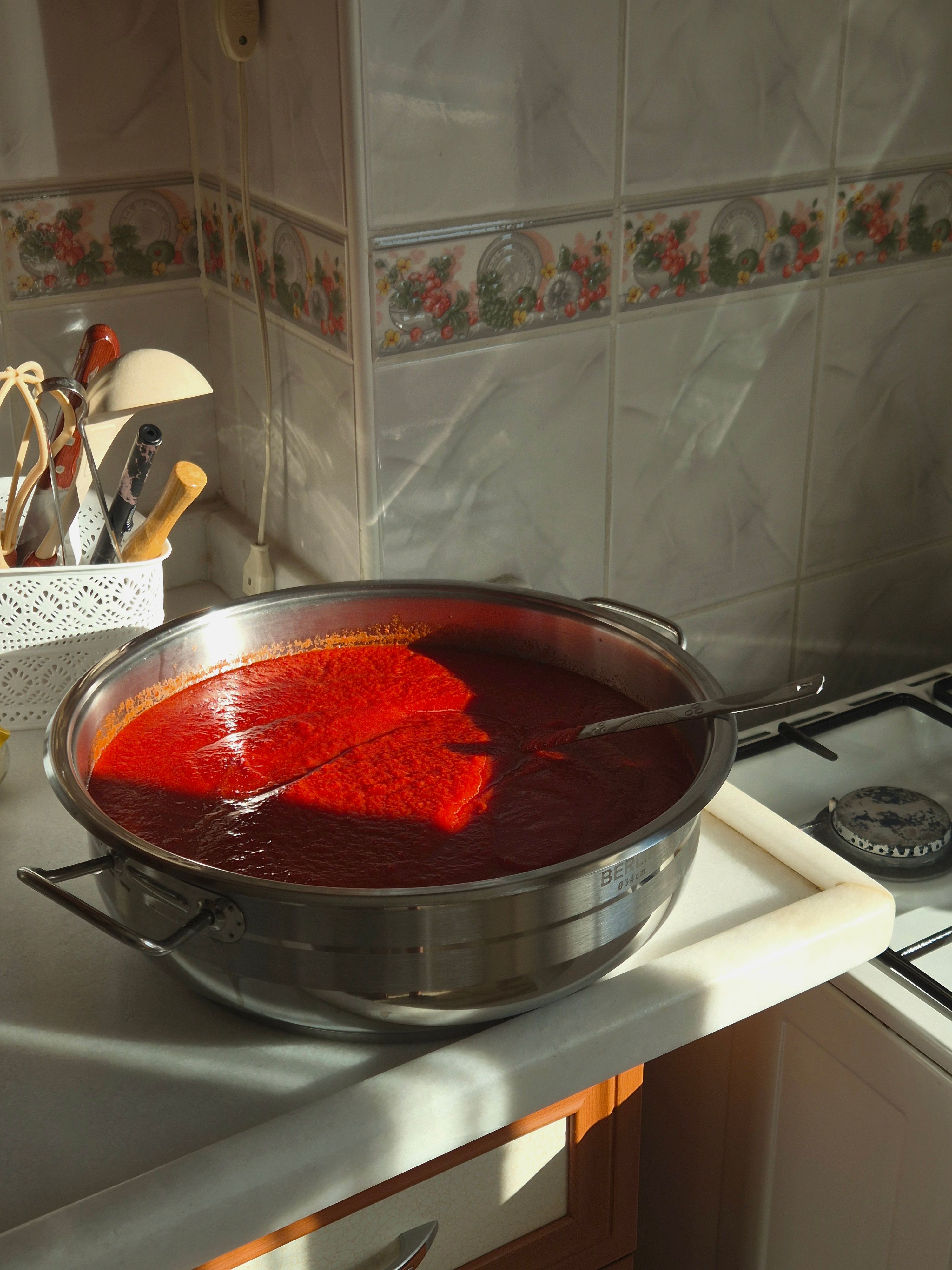
Flavor often hides in the parts people peel away. Tomato skins can be simmered into a quick sauce, roasted pepper scraps can be blended into soup, and shrimp shells can become a rich bisque base instead of heading straight to the garbage.
Chefs value these trimmings because they contain concentrated aroma and color. Onion skins are usually too papery to eat, but many vegetable offcuts still have enough body to enrich a purée, stock, or blended sauce.
The trick is to sort wisely. Clean, fresh trimmings with good flavor belong in the pot, while dirty, bitter, or spoiled bits do not. Think of peels and shells as secondary ingredients, not waste, and your kitchen starts working harder for you.
Store produce where it lasts longest
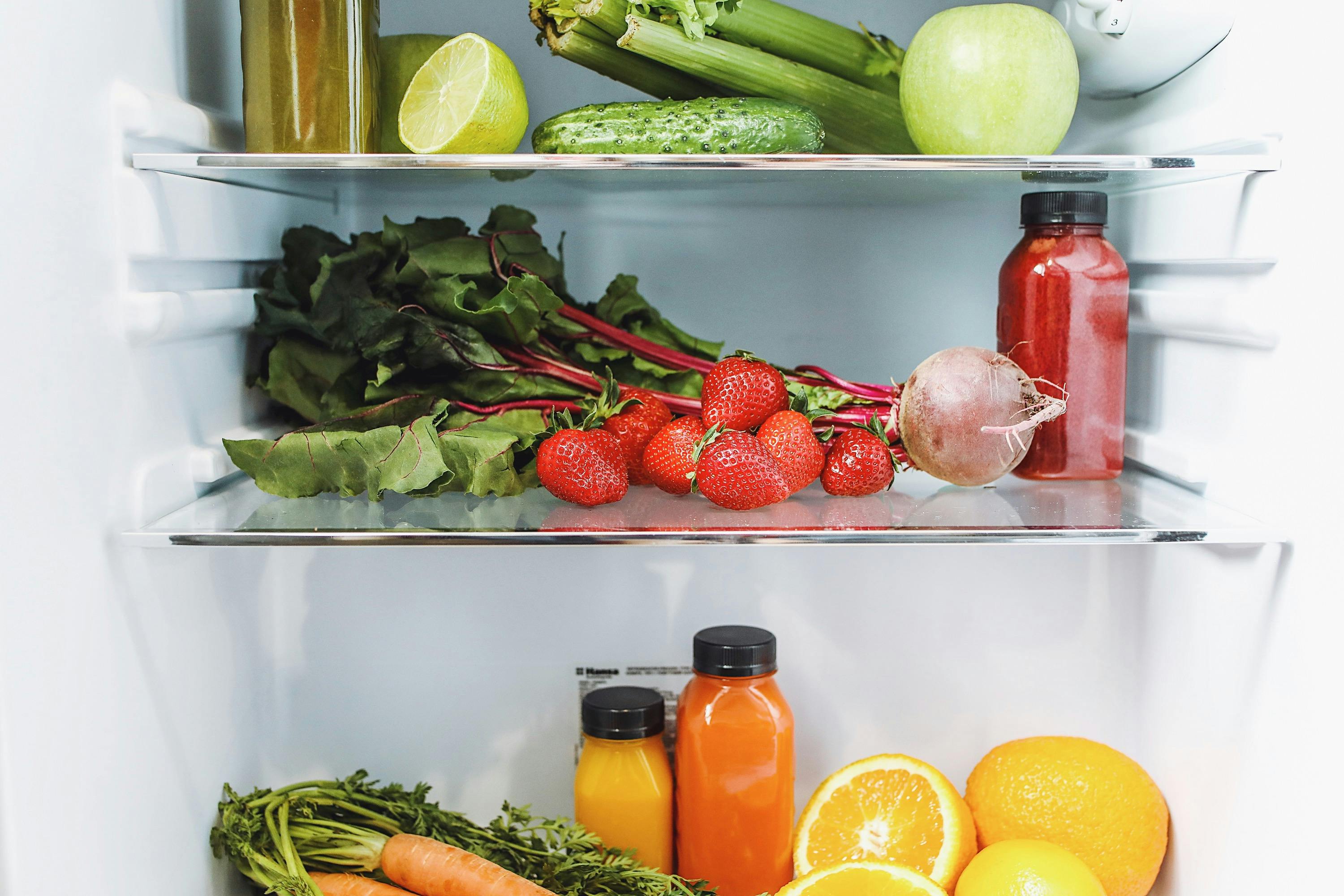
A big part of food waste happens before cooking even begins. Chefs and food professionals pay close attention to storage because the right drawer, container, or temperature can add days to the life of fruits and vegetables.
Herbs often do better upright in a jar with water, mushrooms prefer breathable storage, and leafy greens last longer when washed, dried well, and kept with a towel to absorb excess moisture. Potatoes and onions should be stored separately in a cool, dark place.
Ethylene matters too. Apples, bananas, avocados, and tomatoes can speed ripening in nearby produce. When you store food according to how it behaves, not just where there is space, fewer groceries end up forgotten and spoiled.
Turn fruit that is too ripe into desserts and breakfasts

Very ripe fruit is often at its sweetest, which makes it perfect for cooking. Canadian chefs commonly fold soft bananas, berries, peaches, apples, and pears into muffins, compotes, crisps, sauces, smoothies, and oatmeal instead of tossing them.
This approach saves money because ripeness can be an advantage, not a flaw. Bruised fruit may not be ideal for a fruit platter, but once baked or blended, texture matters far less and flavor often improves.
A freezer helps here too. Slice and freeze fruit before it passes the point of no return, then use it later in baking or breakfast. It is one of the simplest ways to rescue produce that seems past its prime.
Transform leftover proteins into new meals

A little cooked meat or fish can feel too small to matter, but chefs know it is enough to anchor another dish. Roast chicken becomes soup, tacos, fried rice, or pot pie, while leftover salmon can be folded into cakes, pasta, or a grain bowl.
This strategy works because protein adds depth even in modest amounts. Instead of serving leftovers exactly as before, change the format, seasoning, and texture so the meal feels intentional rather than repetitive.
It is also a food safety win. Cooling leftovers promptly, labeling them, and using them within a reasonable window keeps them from slipping to the back of the fridge and being forgotten. Reinvention is often what prevents waste.
Use citrus zest before the fruit dries out
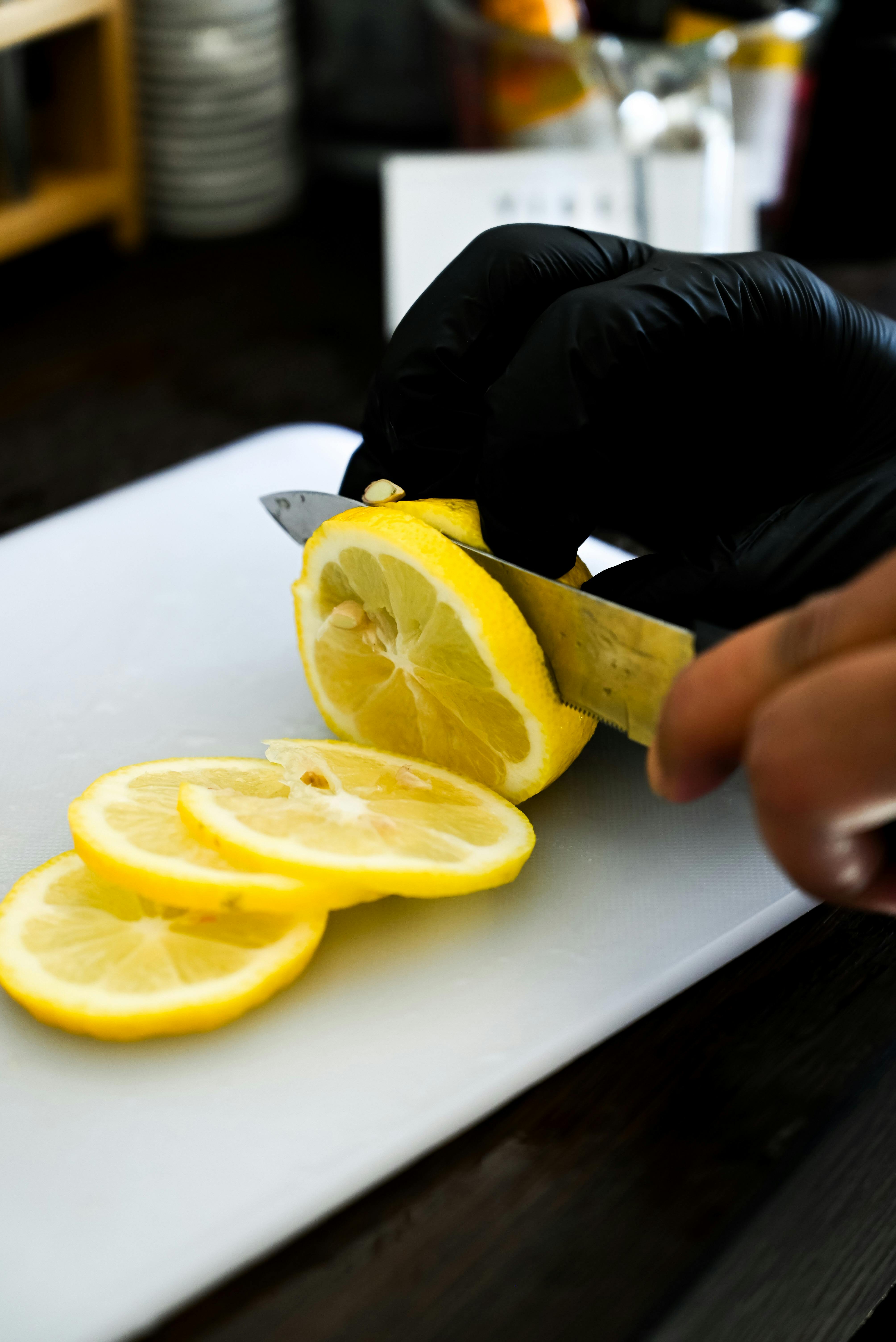
Citrus is one of the most overlooked sources of kitchen value. Before lemons, limes, and oranges lose their juice, chefs often zest them and use the fragrant outer peel in baking, marinades, dressings, compound butters, and spice blends.
The aroma comes from essential oils in the skin, which is why zest can wake up a dish with very little effort. It is a classic way to stretch an ingredient by using both the juice and the peel.
Extra zest can be frozen or mixed with salt or sugar for later use. Just avoid the bitter white pith when grating. This single habit helps squeeze more flavor and more mileage from every piece of citrus you buy.




Leave a Reply