
Some desserts disappear quietly. Then one day, they return with perfect timing.
The dessert at the center of the comeback
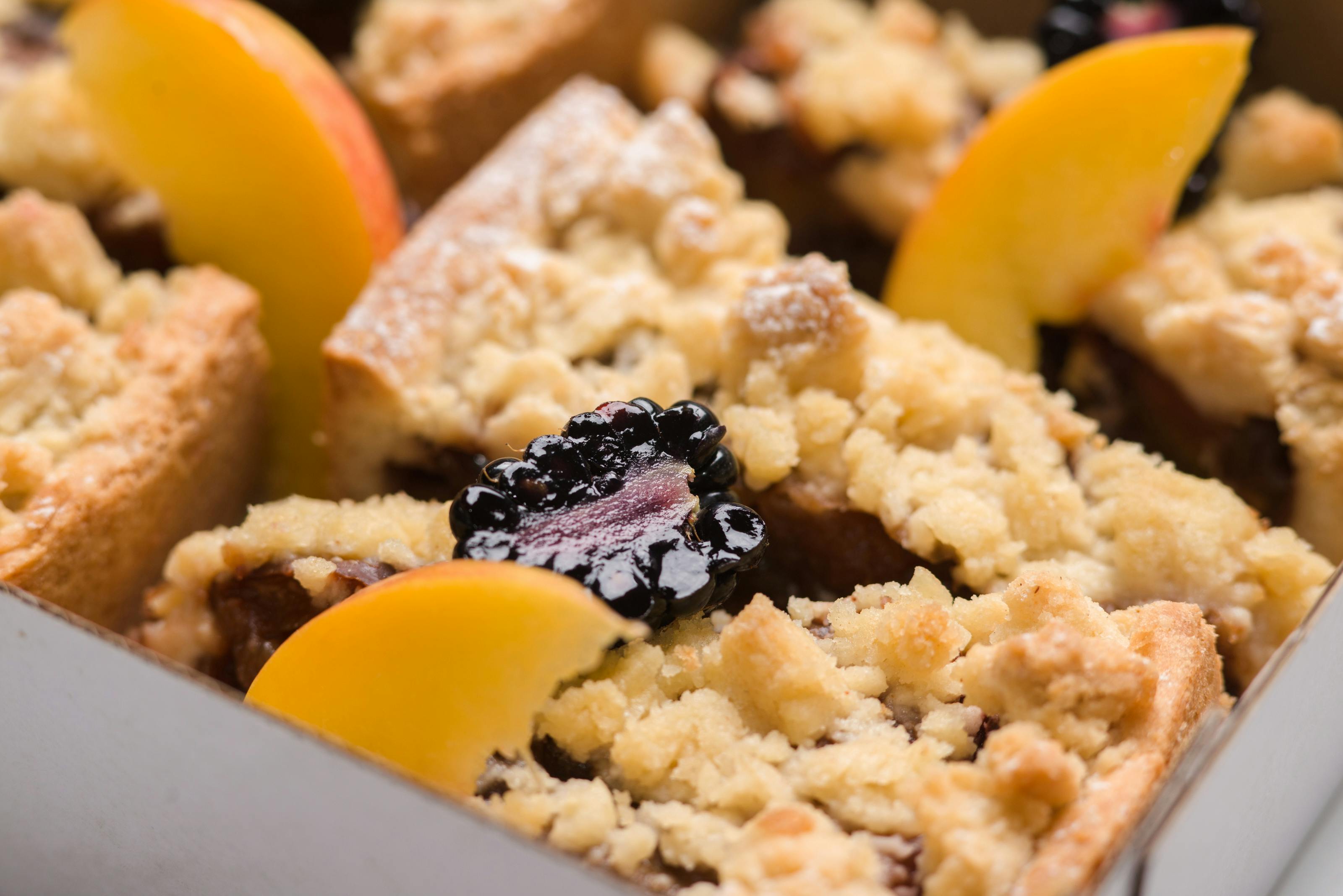
The dessert drawing renewed attention is the matrimonial bar, a distinctly Canadian square built from oat crumble and a thick date filling. In many homes, especially across the Prairies, it was once as common as butter tarts, nanaimo bars, or date squares sold in neighborhood bakeries. Older Canadians often know it by more than one name, including date square and matrimony cake, depending on the region and the family recipe handed down.
What makes the matrimonial bar memorable is not extravagance but balance. The crust is crumbly and buttery without being overly rich, while the filling brings a deep caramel-like sweetness from cooked dates. That contrast made it practical for home bakers who wanted something sturdy enough for lunch tins, church events, and community gatherings, yet special enough to sit beside pies and layer cakes on a holiday table.
Its current revival may seem surprising, but it fits larger changes in baking culture. Consumers have become more interested in heritage foods, regional recipes, and desserts with a clear sense of place. In that climate, the matrimonial bar offers something many trend-driven sweets do not: a recognizable history, simple ingredients, and a flavor profile that feels both old-fashioned and highly current.
Why it faded from the spotlight
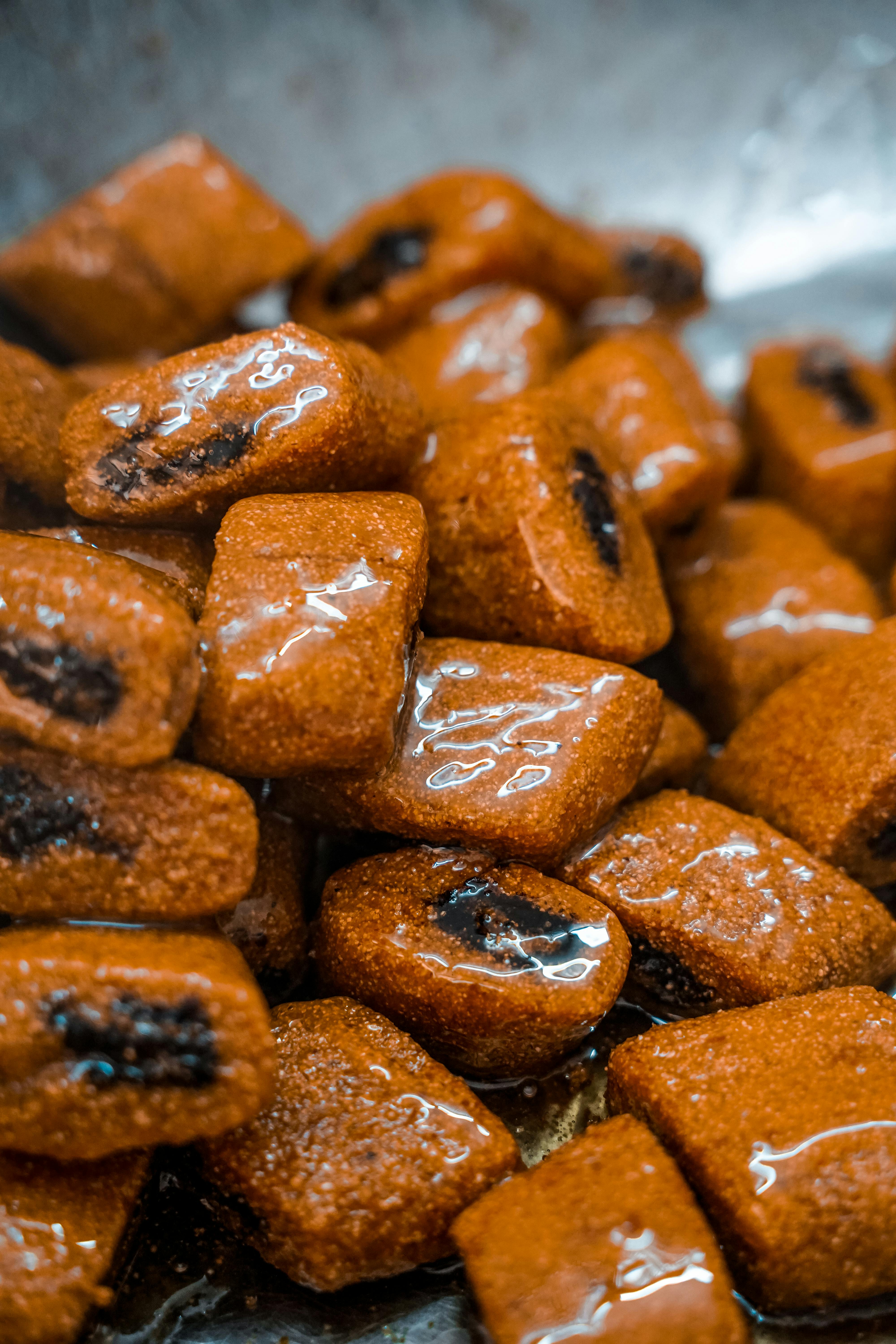
The matrimonial bar never truly vanished, but it did lose ground as Canadian dessert culture became more commercial and image-driven. By the late 20th century, bakery counters increasingly favored frosted cupcakes, cheesecakes, oversized cookies, and imported pastry styles that photographed better and sounded more glamorous. Against those trends, a flat oat-and-date square looked modest, even if it remained deeply satisfying.
Ingredient preferences also shifted. Dates, once a standard pantry item for economical baking, began to feel old-fashioned to younger consumers raised on chocolate chips, peanut butter desserts, and highly processed snack bars. At the same time, convenience baking mixes and refrigerated dough changed what many families made at home. Recipes requiring a cooked fruit filling, however straightforward, started to feel like something from a grandmother's kitchen rather than a weeknight standard.
Another reason was regional identity. The matrimonial bar was strongly associated with Western Canada, particularly Manitoba, Saskatchewan, and Alberta, where community cookbooks helped preserve it. National food media did not spotlight Prairie desserts with the same intensity given to Quebec pastries or iconic sweets like the nanaimo bar. As a result, a dessert that remained beloved locally became oddly invisible in broader conversations about Canadian baking.
Why bakers are bringing it back now
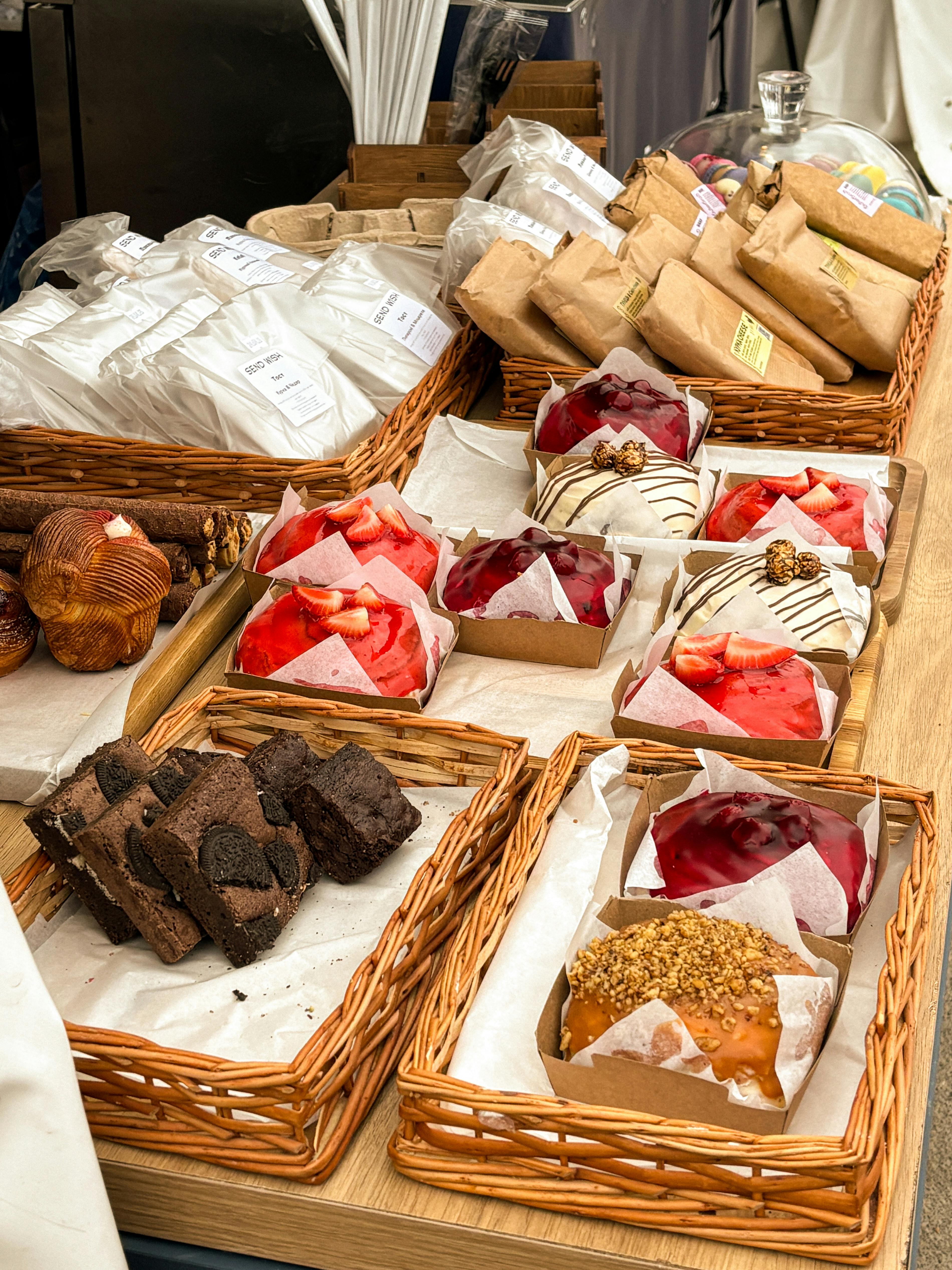
What changed is not just nostalgia, but the kind of nostalgia consumers now want. People are increasingly drawn to foods that feel grounded, handmade, and culturally specific. In bakeries, that has translated into renewed interest in pie traditions, laminated pastries with local ingredients, and classic bars and squares that tell a story. The matrimonial bar fits this demand because it carries memory without requiring reinvention to be compelling.
Professional bakers also appreciate its practicality. It holds well, slices cleanly, scales efficiently for production, and offers a strong margin because the ingredient list is relatively simple. Oats, flour, butter, brown sugar, and dates create a dessert with real texture and flavor but without the labor of more elaborate patisserie. In a market where labor costs matter, a heritage recipe that is both economical and distinctive has clear appeal.
There is also a broader palate shift at work. Date-forward desserts align with growing interest in less flashy sweetness, whole-food ingredients, and flavors perceived as natural and warm. Food trend analysts have noted sustained consumer interest in caramelized fruit notes, brown butter, spice, and retro comfort baking. The matrimonial bar lands naturally in that space, offering sweetness that feels rounded and familiar rather than aggressively sugary.
How today's versions are changing without losing the original

The smartest bakers are not replacing the dessert's identity. Instead, they are making careful adjustments that respect the traditional form while improving texture, depth, and presentation. Some toast the oats first for a nuttier flavor. Others add orange zest, sea salt, or a small amount of cardamom to sharpen the date filling. These are restrained updates, not attempts to turn the bar into something unrecognizable.
Bakery versions are also becoming more ingredient-conscious. Many shops now use stone-milled flour, high-fat cultured butter, or locally produced oats to elevate what was once considered plain pantry baking. In some cases, chefs blend dates with a touch of lemon juice to brighten the filling and prevent the bars from tasting heavy. A few even finish them with a delicate dusting of sugar, though most avoid decoration that distracts from the dessert's rustic appeal.
Real-world examples reflect this pattern. Prairie bakeries and café counters have increasingly featured date squares in seasonal lineups, especially in autumn and winter when comfort desserts perform best. Cookbook authors focused on Canadian regional food have also helped reintroduce the recipe to younger bakers by framing it as heritage cuisine rather than outdated convenience baking. That shift in language matters because people often rediscover old desserts when they are presented as tradition, not thrift.
What the dessert says about Canadian food culture
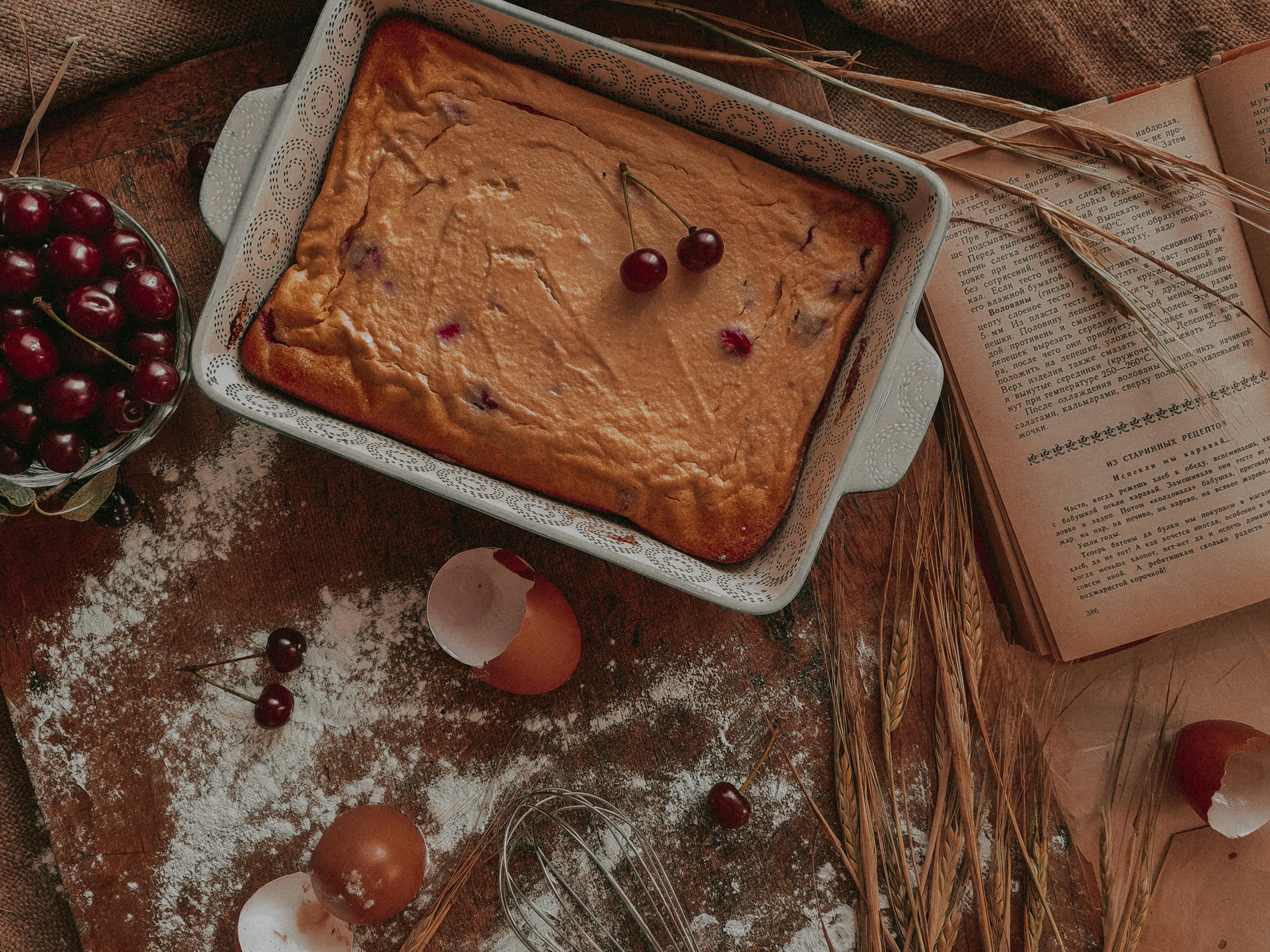
The return of the matrimonial bar points to something larger than one successful bakery item. Canadian food culture has long been shaped by practical, community-centered cooking, especially in regions where climate, agriculture, and immigrant traditions encouraged sturdy baked goods over ornate desserts. The matrimonial bar reflects that history. It is resourceful, portable, and built from ingredients that store well, all hallmarks of Prairie kitchen logic.
It also shows how many Canadian food stories have been under-told. National identity in food is often reduced to a short list of famous items, but the country's baking traditions are much broader. Ukrainian, Scottish, Mennonite, British, and other settler influences all helped shape recipes across the Prairies, and the matrimonial bar sits within that exchange. Its use of oats and dates speaks to both British baking habits and local adaptation in farm and town kitchens.
Perhaps most importantly, the dessert's comeback challenges the idea that innovation always means novelty. Sometimes the freshest thing on a bakery shelf is the item people have not seen in years. When bakers revive recipes with regional roots, they expand public memory of what Canadian dessert can be. That makes the matrimonial bar more than a trend. It becomes a reminder that forgotten foods often return because they were good enough to last.
Why this revival may have staying power
Not every nostalgic dessert revival survives beyond a season, but the matrimonial bar has several advantages. It is easy to understand at first bite, unlike some heritage dishes that require acquired taste or historical context to appreciate. Its texture is familiar to anyone who likes fruit crumble, oat cookies, or dessert bars, and its sweetness appeals to a broad range of eaters. That accessibility makes repeat purchases more likely.
It also meets current consumer expectations surprisingly well. Many people want desserts that feel homemade, portionable, and less excessive than frosted cakes or stuffed pastries. The matrimonial bar answers that need while still delivering comfort and richness. It works in coffee shops, bakery boxes, farmers markets, and home kitchens, which gives it multiple paths back into everyday life rather than limiting it to special-occasion novelty.
The biggest reason for optimism, though, is emotional durability. This dessert connects generations without needing explanation from a marketing campaign. Grandparents recognize it, younger bakers find it approachable, and professionals can adapt it without stripping away its soul. That is rare. In a crowded dessert landscape, the matrimonial bar offers something unexpectedly powerful: a sense of continuity, wrapped in oats and dates, that feels entirely at home in modern Canada.



Leave a Reply