
Food status changes faster than most people realize. Items that once appeared on elite tables, in holiday gift baskets, or behind specialty counters can slip into the bargain bin once supply, marketing, and taste move on. This gallery explores 10 foods that carried real prestige around 50 years ago, then lost their shine as abundance, industrial processing, and changing habits reshaped how people saw them.
Lobster
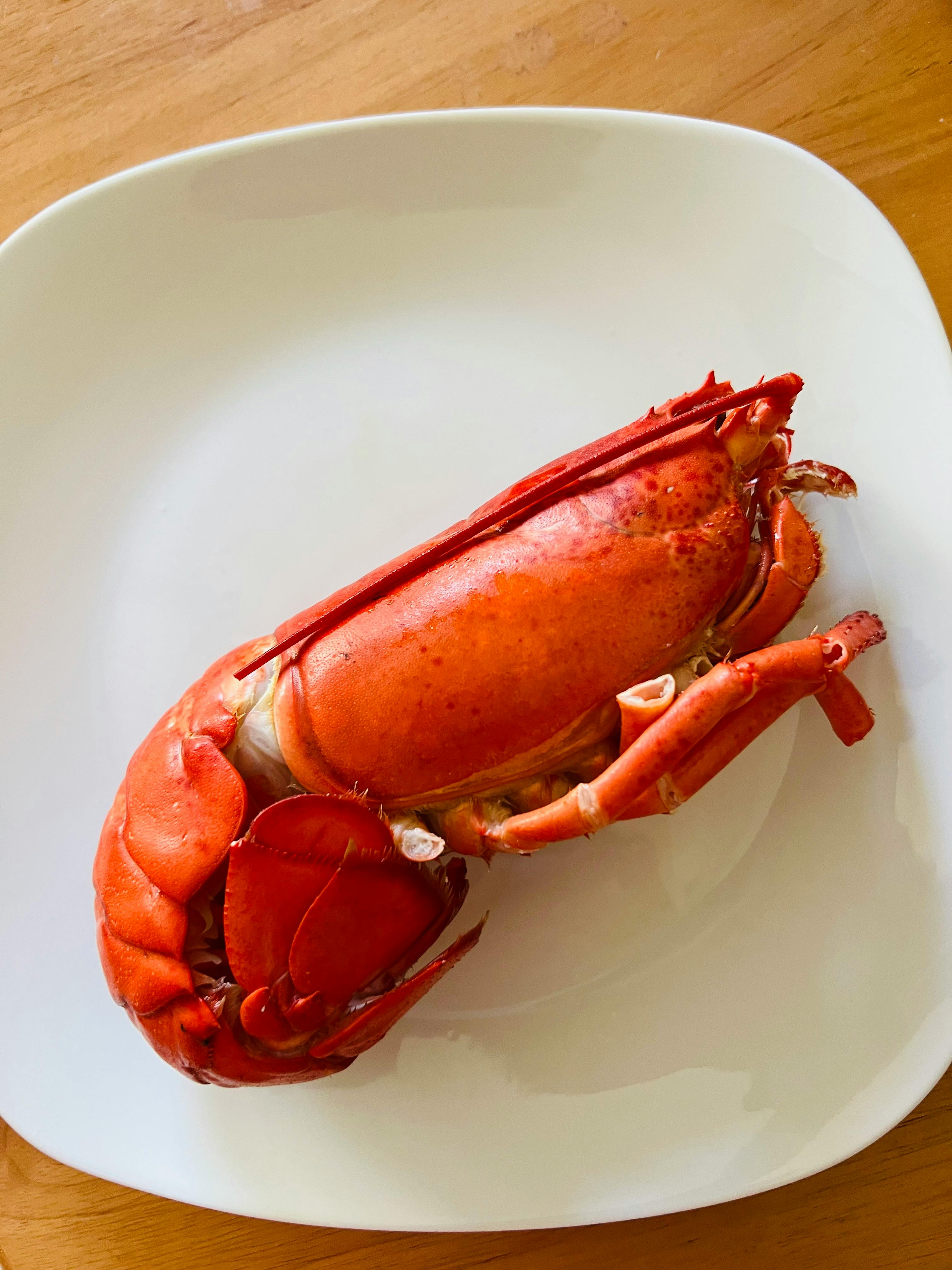
Lobster has had one of the strangest social climbs and drops in food history. Long before it became a steakhouse centerpiece, it was so plentiful in parts of North America that it was fed to prisoners, laborers, and apprentices. By the mid-20th century, better transport, restaurant culture, and coastal tourism helped turn it into a symbol of celebration and expense.
Around 50 years ago, ordering lobster still felt glamorous. It suggested a night out, a white tablecloth, and money to spare. But as frozen tails, cruise buffets, chain restaurants, and mass promotion spread, the aura weakened.
It is still pricey in many places, but culturally it no longer carries the same mystique. For plenty of diners, lobster now reads less like rare luxury and more like a dated splurge with a lot of shell for the effort.
Oysters
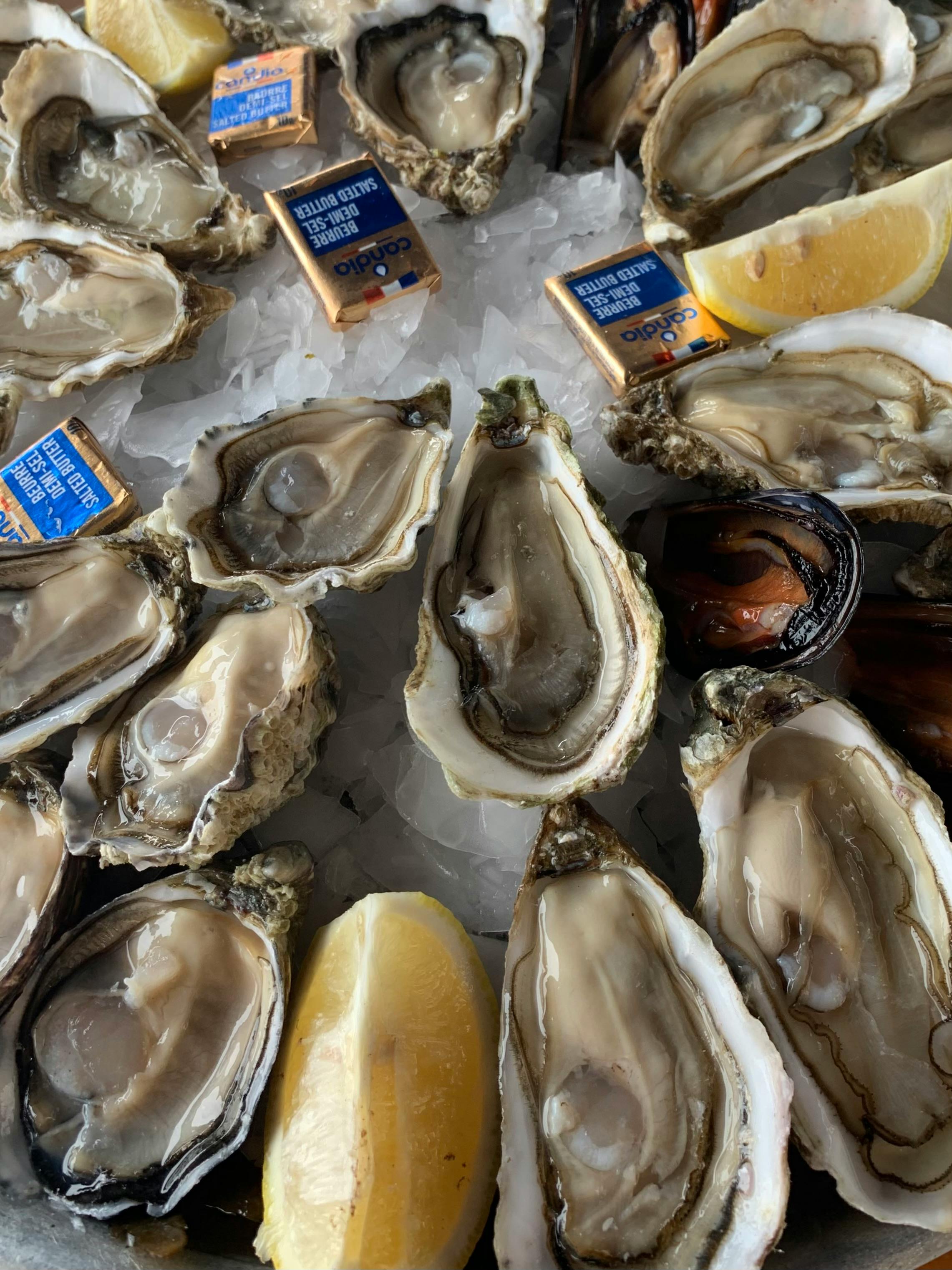
Oysters once sat at the center of sophistication. In the 19th century they were common and cheap in some cities, but pollution, overharvesting, stricter safety controls, and shifting supply changed that picture. By the 1970s, raw bars and seafood platters gave oysters a polished, upscale identity tied to urban dining and social confidence.
They looked elegant, sounded refined, and came with a bit of theater. A tray of oysters suggested taste, travel, and the willingness to eat something not everyone understood. That alone gave them status.
Today, oysters still have fans and premium markets, but many people see them as slimy, risky, or overrated. For a broad audience, they have moved from aspirational delicacy to something more likely to be mocked than admired.
Caviar

Few foods advertised wealth as clearly as caviar. Salted fish roe, especially from sturgeon, was once shorthand for old-world luxury, diplomatic dinners, and elite entertaining. In the 1970s, serving caviar still communicated reach and refinement, even if many guests only tasted it in tiny amounts on crackers or blini.
Part of its power came from scarcity and ritual. It was expensive, imported, and wrapped in a vocabulary of connoisseurship. Knowing the difference between roe and true caviar marked a person as culturally informed.
That image has faded in the mass market. Cheaper substitutes, gift-tin gimmicks, and changing tastes made caviar feel less untouchable. To many modern eaters, it is either a niche indulgence or an old-fashioned luxury prop rather than a universally admired prize.
Shrimp Cocktail
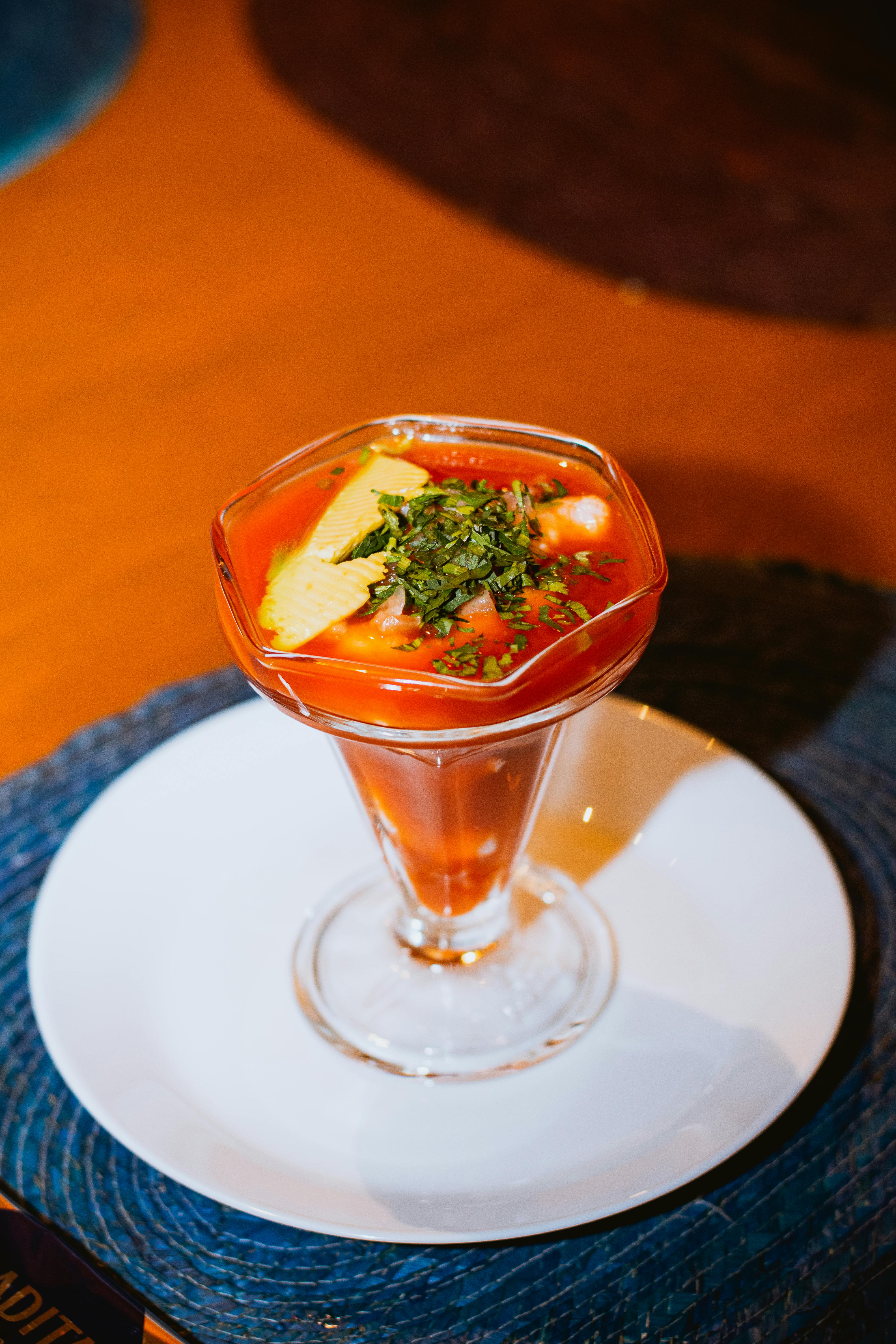
Shrimp cocktail was once the language of mid-century and 1970s dining success. Chilled shrimp arranged around a glass of bright red sauce appeared in hotel restaurants, wedding receptions, steakhouses, and holiday parties. It looked polished, a little continental, and just expensive enough to feel impressive.
Its status depended on access. Reliable cold storage, seafood distribution, and restaurant presentation mattered. When shrimp was less common inland, a proper cocktail signaled that a host or restaurant was operating at a higher level.
Then came aquaculture, frozen party trays, supermarket rings, and endless buffet lines. What had once felt sleek and celebratory became familiar and slightly stale. Today, shrimp cocktail often lands in the category of banquet food, not a marker of luxury.
Chicken Wings
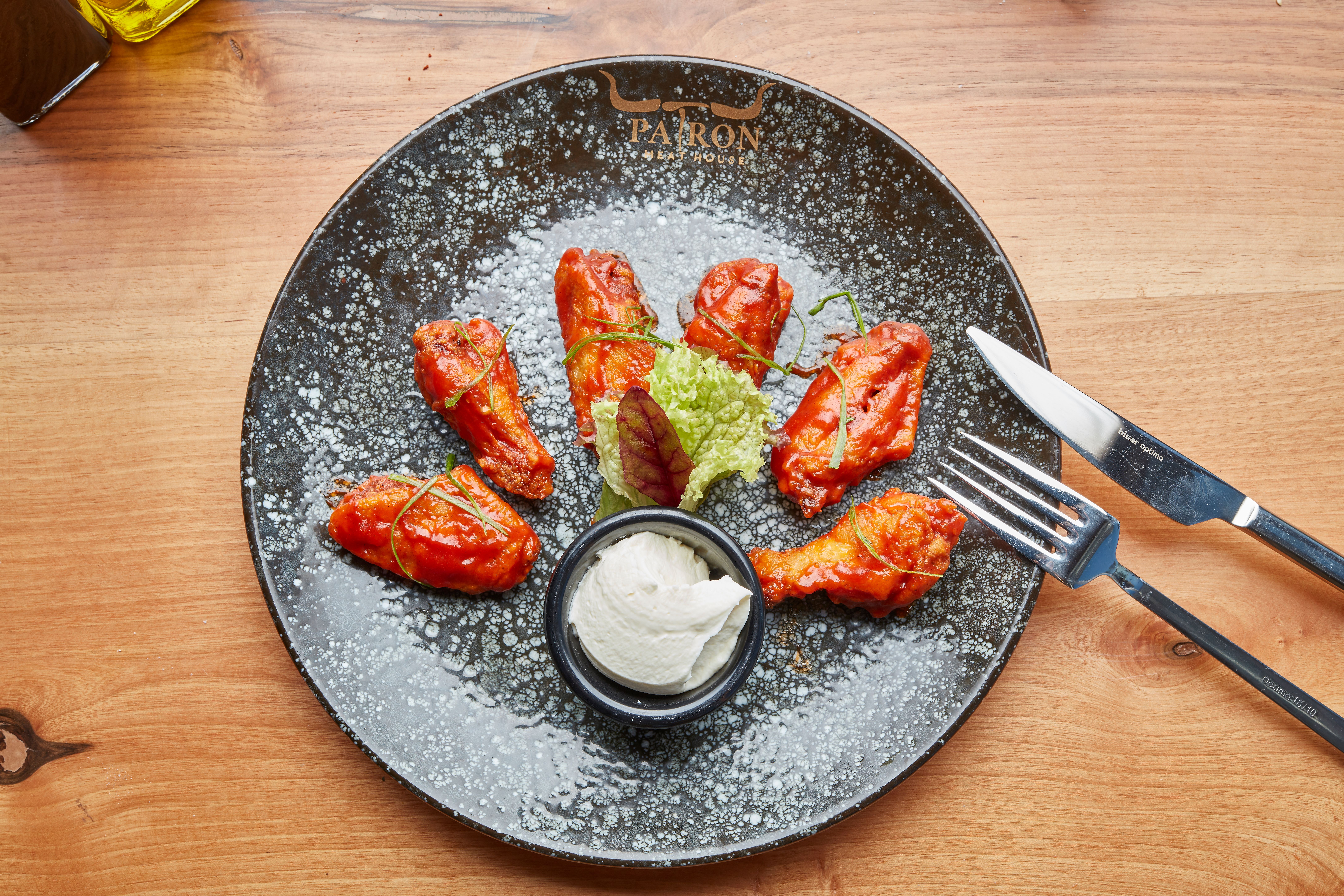
Chicken wings are now bar food royalty, but their social meaning has shifted dramatically. For much of modern food history, wings were not the prized part of the bird. They were often treated as scraps, useful for stock or low-cost meals. Their rise in the late 20th century came through regional cooking, especially Buffalo-style preparation.
What changed was context. Once restaurants discovered that seasoning, frying, and sauce could turn an ignored cut into a craveable specialty, wings gained commercial value fast. For a while, they even moved from thrift food into trendy party food.
But the mass-market boom also made them feel disposable. Cheap sports-bar baskets, frozen snack packs, and messy chain-restaurant overload turned wings into something many people view as low-grade indulgence rather than culinary prestige.
Fondue
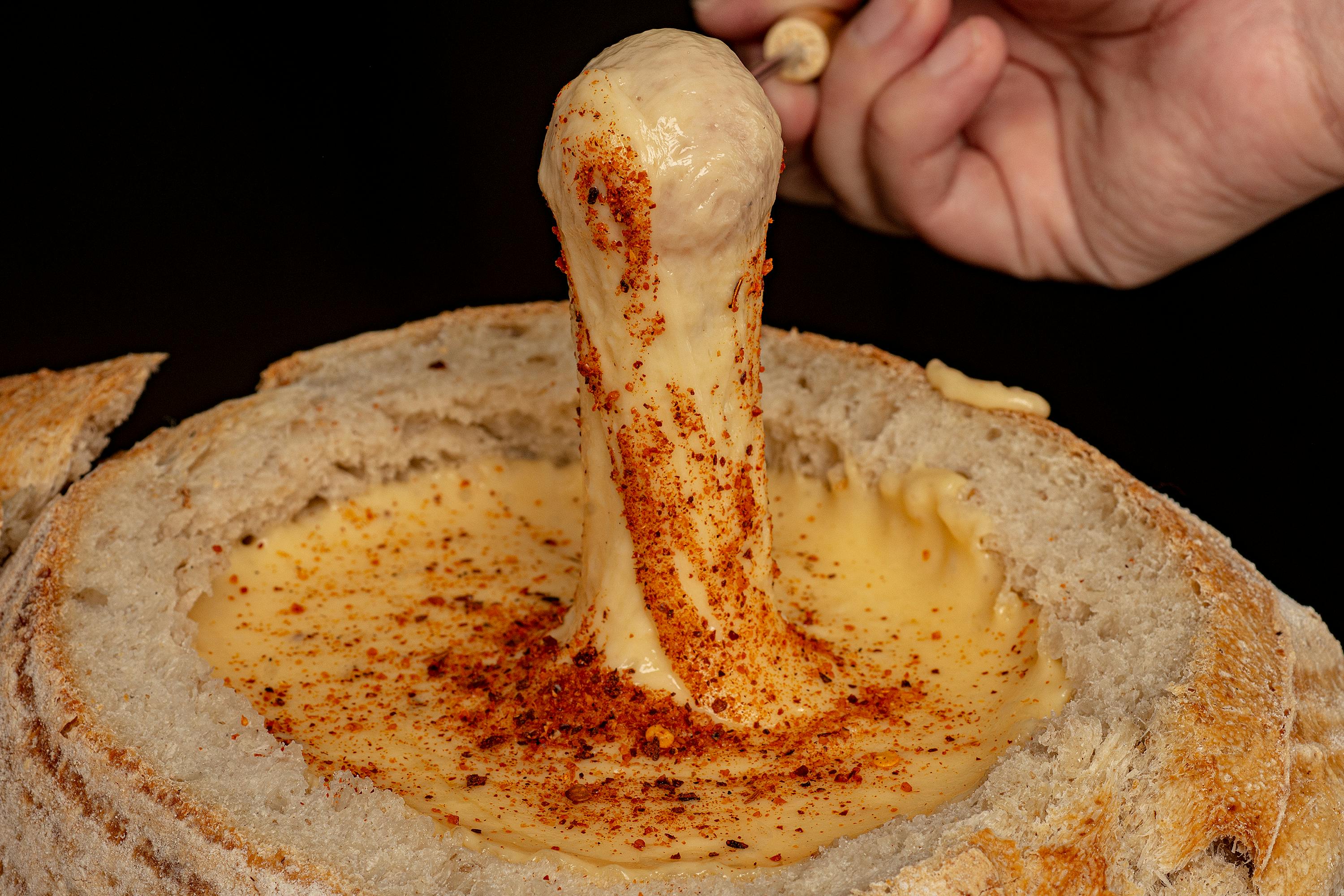
Fondue was less a single dish than a full social performance. In the 1960s and 1970s, a fondue pot in the middle of the table signaled leisure, worldliness, and a host who was up on continental trends. Melted cheese or hot oil turned dinner into an event, and that event felt stylish.
At the time, imported cheeses, special equipment, and the novelty of communal dining gave fondue real cachet. It was dinner-party theater for suburban households that wanted to project ease and sophistication.
Its fall came from overfamiliarity. What once seemed chic began to look kitschy, messy, and trapped in another era. Though fondue still appears in restaurants and ski towns, many people now associate it with dated entertaining rather than serious culinary luxury.
Aspic
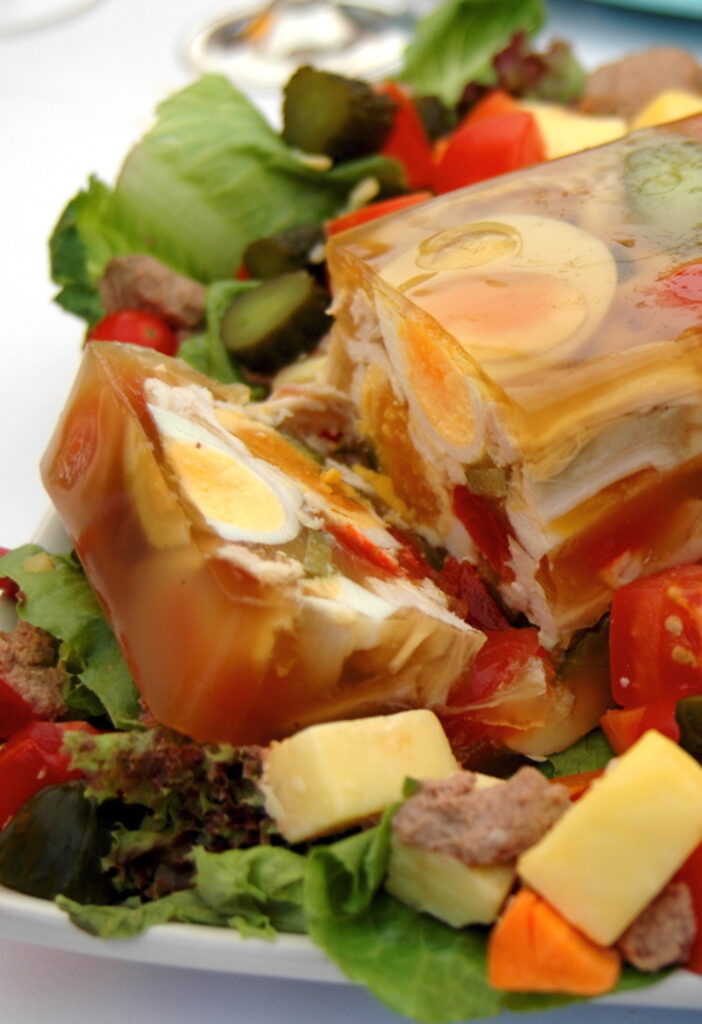
Aspic was the polished face of old-school culinary control. Suspended meats, vegetables, or seafood in a clear savory gelatin showed technique, planning, and pantry confidence. In formal dining and high-end home entertaining, it suggested that the cook had both time and training, two things that strongly signaled status.
By the 1970s, aspic was still hanging on as a special-occasion dish in some circles, especially for buffets and molded presentations. It looked sculptural and exact, the kind of thing that could anchor a holiday spread or cocktail party table.
Then visual tastes changed. What once read as elegant started to look unsettling, even comical. Refrigerated convenience foods and parody cookbooks did the rest. Today, aspic is often treated as a punchline, not a luxury achievement.
Deviled Eggs
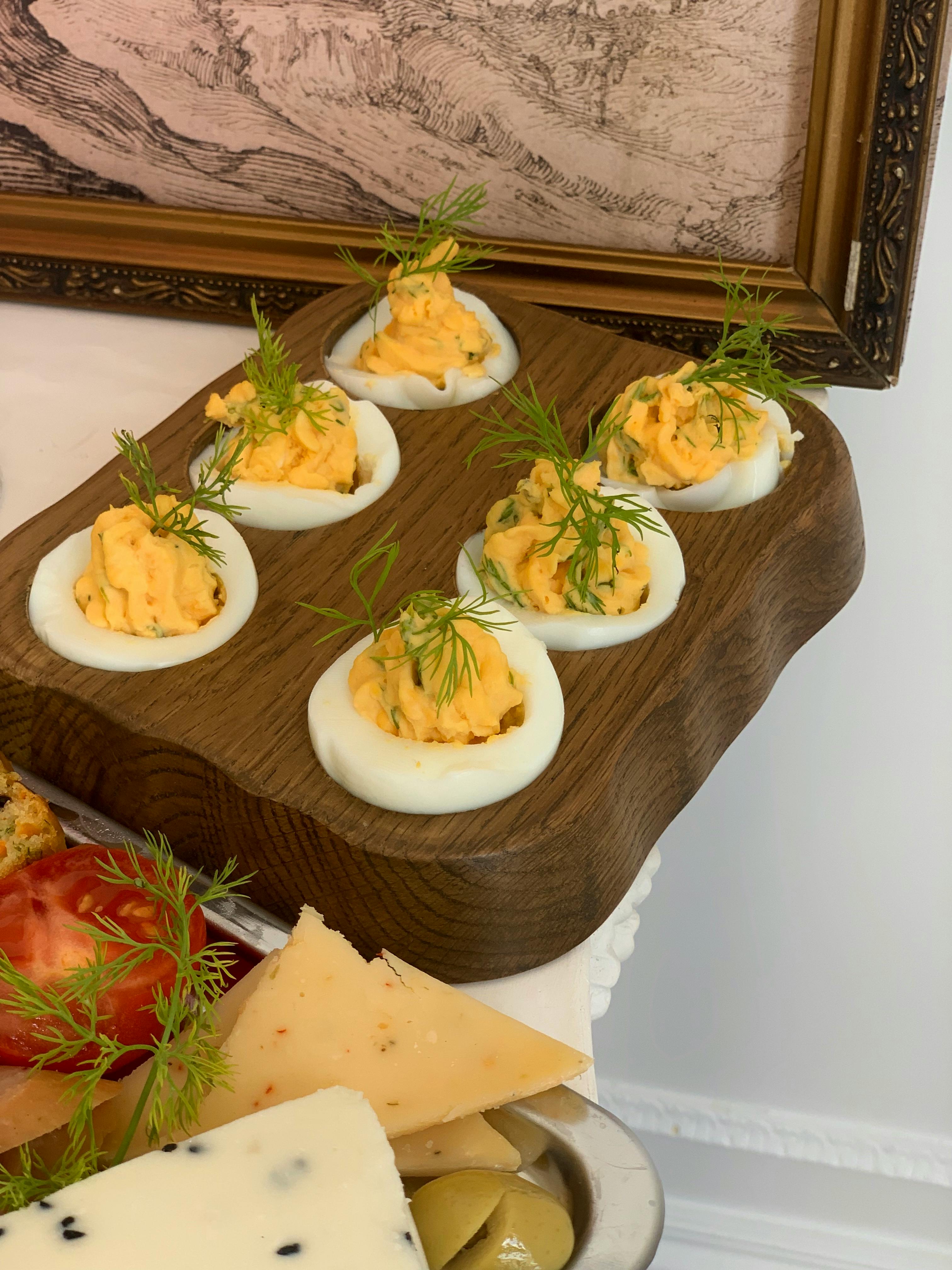
Deviled eggs do not sound luxurious now, but there was a time when they carried a more polished reputation. Eggs themselves were once less industrially standardized, and dressed egg platters were common at teas, showers, club luncheons, and formal home gatherings. Presentation mattered, and deviled eggs showed care.
In the 1970s, they still belonged to the world of hostess culture. A neatly piped filling, a dusting of paprika, and the right serving tray could make them feel refined rather than ordinary.
As potluck culture, deli counters, and budget entertaining took over, deviled eggs lost prestige. They became associated with church basements, holiday leftovers, and practical crowd-feeding. Many still love them, but admiration now comes from nostalgia, not social status.
Spam

Spam occupies a complicated place in food history. When it first gained popularity, canned meat represented modern convenience, dependable protein, and wartime practicality. In the decades after World War II, products like Spam could still carry a certain appeal because they were stable, recognizable, and linked to efficiency in an era that admired industrial food progress.
About 50 years ago, serving canned meats was not automatically embarrassing. In some households, it signaled resourcefulness and access to branded convenience foods, which still felt contemporary and smart.
Over time, nutrition concerns, jokes about mystery meat, and the rise of fresh-food ideals crushed its prestige. Spam remains beloved in places such as Hawaii and in military and immigrant food traditions, but in mainstream culture it is often dismissed as low-end pantry fare.
Sardines

Sardines were once prized for qualities modern shoppers say they want: shelf stability, dense nutrition, and strong flavor. But status is rarely about nutrition alone. In earlier decades, imported sardines packed in oil, neatly canned and sometimes beautifully labeled, could feel cosmopolitan and elevated, especially when served with crackers, butter, and drinks.
By the 1970s, sardines still had echoes of that European pantry sophistication. They belonged to cocktail snacks, compact gourmet gifts, and the idea of cultivated simplicity.
Then stronger associations took over. Their smell, their tiny bones, and their canned format pushed them toward the bargain shelf in the public imagination. While chefs and nutrition experts have revived interest, many people still treat sardines as survival food rather than something luxurious.



Leave a Reply