
Plant-based eating is no longer a niche habit. It is becoming a major force in how food is grown, sold, and enjoyed around the world.
From Meat Alternatives to Ingredient Innovation
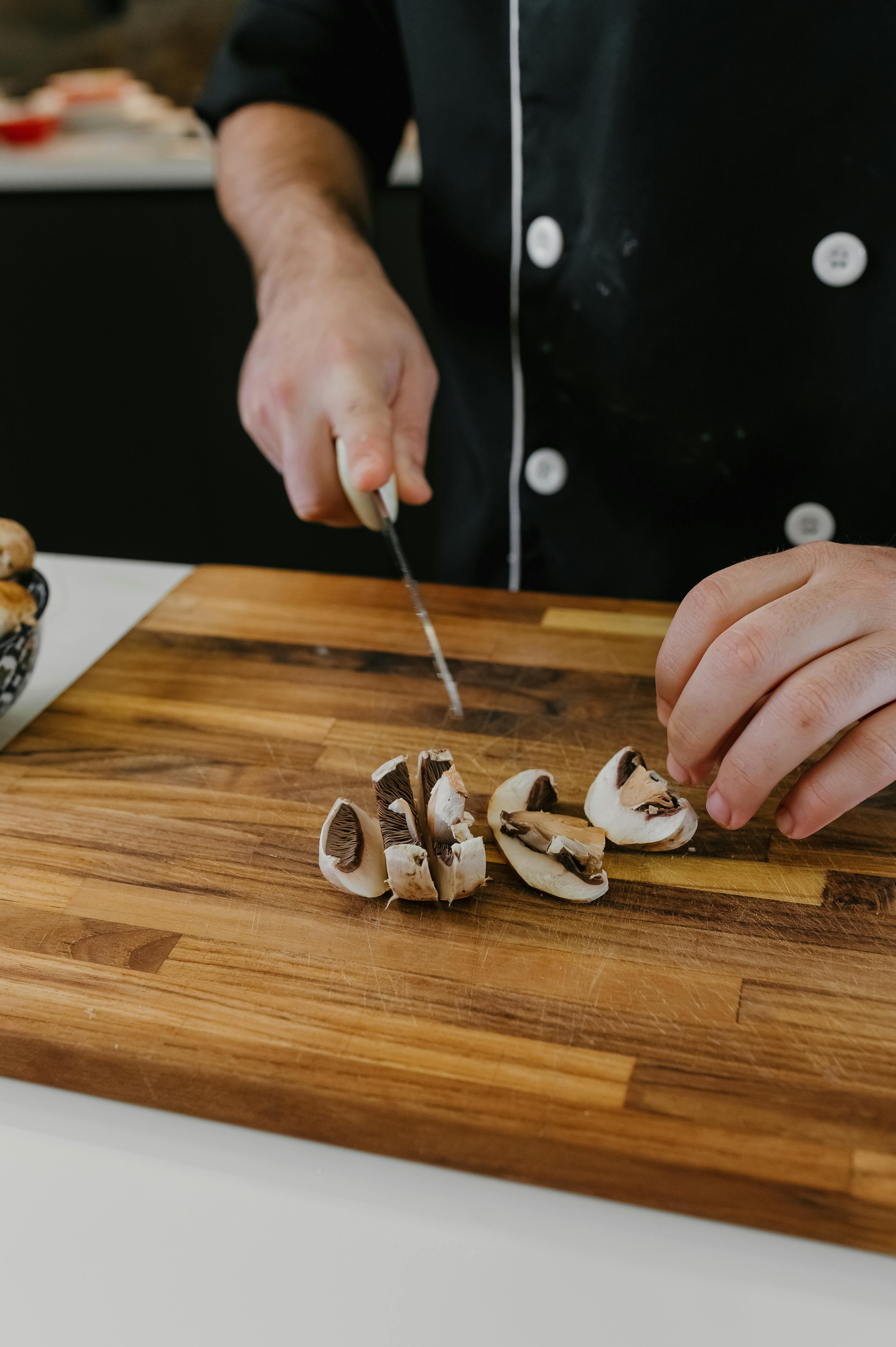
The next wave of plant-based eating will be defined less by imitation and more by invention. Early products won attention by copying burgers, sausages, and chicken nuggets, but the market is now shifting toward foods that stand on their own. Consumers still want convenience, but they also want cleaner labels, better taste, and ingredients they recognize from their own kitchens.
That pressure is changing product development fast. Food makers are moving away from long ingredient lists built around isolates and additives and toward beans, peas, lentils, mushrooms, oats, seaweed, and fermented grains. According to industry reports from groups such as the Good Food Institute, consumers increasingly reward products that feel less engineered and more naturally food-like. The phrase "plant-based" alone is no longer enough to guarantee loyalty.
A good example is the rise of whole-cut alternatives made from fungi, mycelium, and layered vegetable proteins. These products aim to deliver a more realistic bite without relying on heavy processing. At the same time, chefs are creating menus around ingredients like roasted celeriac, charred cabbage, chickpea tofu, and smoked mushroom steaks, proving that plant-based food does not need to mimic meat to feel satisfying.
Protein Sources Are About to Get Much More Diverse
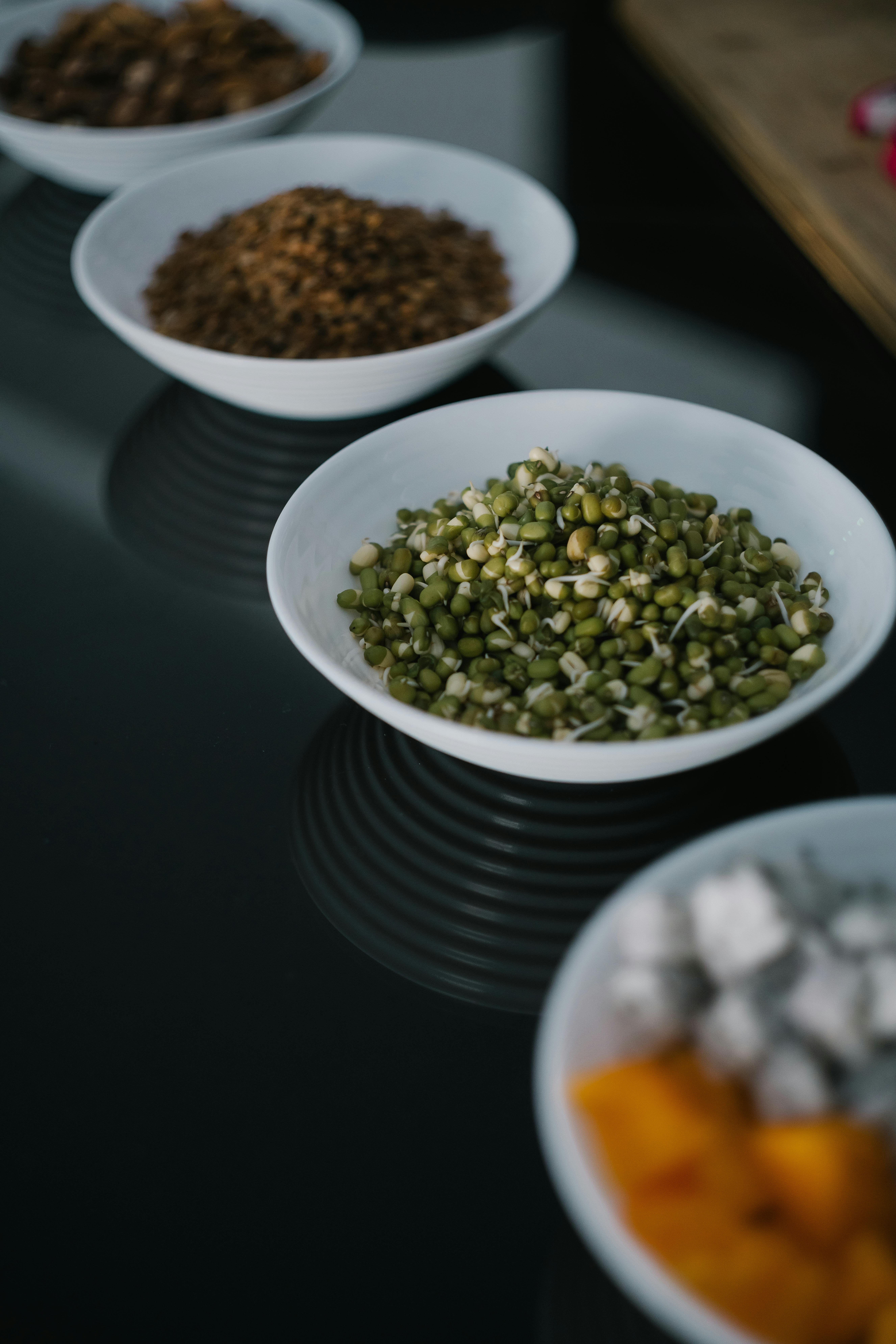
The future plate will likely feature a wider mix of protein crops than most households use today. Soy and pea protein helped build the first generation of modern plant-based foods, but agricultural and nutritional research is expanding the field. Fava beans, mung beans, lupin, chickpeas, hemp, duckweed, and even water lentils are attracting serious commercial interest.
Each of these ingredients brings different strengths. Fava bean protein can offer a mild flavor and good texture in dairy alternatives. Mung beans have already shown their value in liquid egg substitutes. Duckweed, one of the smallest flowering plants on Earth, is being studied for its high protein yield and efficient use of land and water. These ingredients matter because no single crop can meet global demand in a resilient way.
Diversifying protein also helps reduce supply-chain risk. Climate pressure, regional crop failures, and geopolitical disruption have made food companies more cautious about depending too heavily on a narrow group of ingredients. Farmers benefit as well. Rotating legumes and other alternative crops into fields can improve soil health, reduce fertilizer dependence, and open new revenue streams, making plant-based eating part of a broader agricultural transition.
Fermentation and Food Tech Will Shape Flavor and Texture
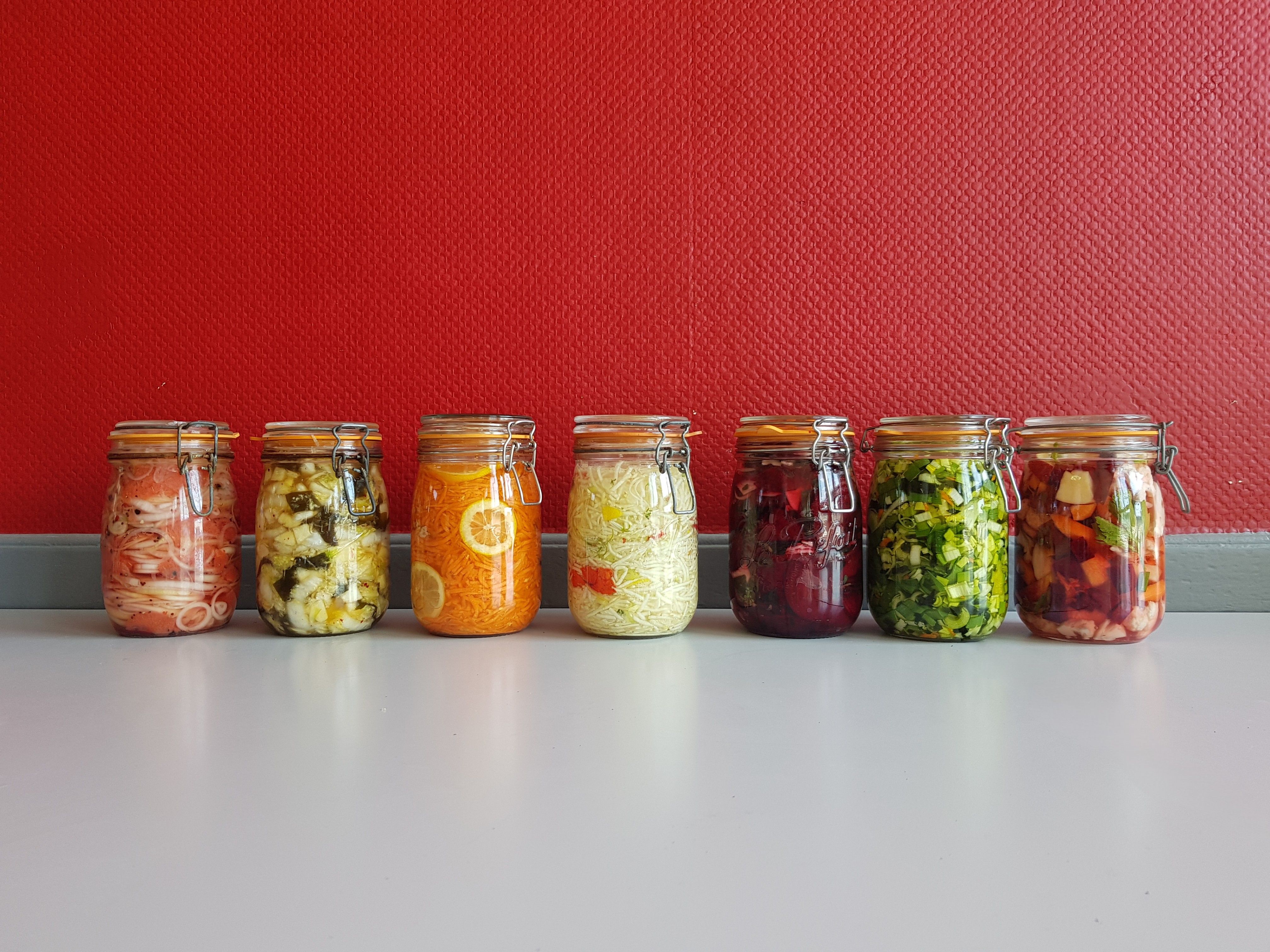
Some of the most important changes in plant-based eating are happening behind the scenes in food science labs and fermentation tanks. Precision fermentation, biomass fermentation, and traditional fermentation methods are helping manufacturers solve familiar problems such as bland flavor, thin texture, and poor meltability. This matters because consumer repeat purchases depend far more on eating quality than on marketing claims.
Precision fermentation allows microbes to produce specific ingredients, including proteins that can improve the stretch of plant-based cheese or the creaminess of dairy-free products. Biomass fermentation can grow large quantities of protein-rich material quickly, often with less land than conventional agriculture. At the same time, traditional fermentation is being used in smarter ways to deepen savory notes and reduce the beany taste that has limited some legume-based foods.
These technologies are also helping companies cut sodium, saturated fat, and artificial stabilizers while improving mouthfeel. A 2024 wave of product launches showed that brands now understand a basic truth: people may buy a plant-based item once out of curiosity, but they only buy it again if it tastes good. In the years ahead, food tech will matter most when it becomes invisible and simply makes dinner better.
Health Will Drive the Market More Than Hype

The strongest long-term case for plant-based eating is health, but the conversation is becoming more mature. Consumers are moving past broad claims and asking sharper questions about protein quality, fiber, sodium, sugar, processing, and overall dietary patterns. That shift is healthy for the market because it rewards foods with real nutritional value rather than just clever branding.
A growing body of research supports diets centered on legumes, whole grains, nuts, seeds, fruits, and vegetables. Large observational studies and clinical evidence have linked these eating patterns with better heart health, healthier weight management, and improved blood sugar control. The key point, however, is that a plant-based cookie is still a cookie. The future belongs to products that combine convenience with solid nutrition.
This is why the most successful brands are likely to be those that close the gap between whole foods and prepared foods. Expect more high-protein yogurts made from beans and oats, more ready meals built around vegetables and grains, and more snacks with meaningful fiber content. Dietitians increasingly emphasize "plant-forward" eating rather than perfection, and that broader, more practical message is likely to bring more people in.
Price, Access, and Culture Will Decide What Scales

A food trend does not become a food system unless ordinary people can afford it. For all the excitement around innovation, price remains one of the biggest barriers to wider plant-based adoption. In many markets, meat alternatives still cost more than conventional meat, and premium dairy-free products can be out of reach for families watching every grocery bill.
That is why the future of plant-based eating will depend heavily on scale, local sourcing, and simpler manufacturing. As production grows and supply chains mature, prices can come down. Some companies are already reformulating products to use more regionally available crops, which lowers transport costs and supports local agriculture. Public institutions such as schools, hospitals, and workplace cafeterias could also play a major role by making plant-based meals more familiar and more affordable.
Culture matters just as much as cost. The most successful plant-based foods often build on dishes people already love, such as lentil stews, bean tacos, tofu stir-fries, falafel, vegetable curries, and pasta with nut-based sauces. Rather than replacing culinary traditions, the future market is likely to expand them. When plant-based eating feels culturally fluent instead of imported or restrictive, it becomes much easier to sustain.
The Plate Ahead Will Be More Flexible, Global, and Normal

The biggest change ahead may be psychological. Plant-based eating is gradually moving away from identity labels and toward everyday normalcy. Many consumers now describe themselves as flexitarian, meaning they are not giving up animal products entirely but are intentionally eating more plants. That middle ground is shaping retail shelves, restaurant menus, and home cooking habits in ways that are likely to last.
This flexible model opens the door to a much broader food culture. A family might use oat milk during the week, serve mushroom tacos for dinner, add lentils to pasta sauce, and still eat eggs or fish occasionally. Restaurants are responding with menus that integrate plant-based dishes naturally instead of isolating them in a special section. That makes choosing plants feel easier and less like a statement.
What lands on your plate next will likely be more diverse, more flavorful, and more tailored to real life than earlier generations of plant-based food. Expect better ingredients, smarter technology, and stronger links between nutrition, sustainability, and culinary pleasure. The future is not about forcing everyone into one rigid diet. It is about giving people more appealing, affordable ways to eat plants more often.




Leave a Reply