
Milk used to seem simple. Today, it sits at the center of arguments about health, farming, climate, culture, and trust in food advice.
From Daily Staple to Cultural Lightning Rod

For much of the 20th century, milk was treated less like a choice and more like a basic requirement. Governments promoted it in school programs, doctors recommended it for growing children, and advertisers wrapped it in the language of strength and wholesomeness. In many households, a glass of milk at breakfast was as ordinary as bread or cereal. That long era of certainty helps explain why the current debate feels so intense.
The shift began when food culture changed from scarcity thinking to optimization thinking. Once people were no longer asking whether they had enough calories, they started asking more complicated questions. Was milk necessary for strong bones, or merely useful? Was whole milk too high in saturated fat? Could adults digest it well? As nutrition advice evolved, milk lost its old status as an unquestioned good.
At the same time, milk became symbolic. To some, it still represents nourishment, agriculture, and family routine. To others, it represents outdated dietary rules, industrial farming, or a product promoted more aggressively than the evidence deserved. Few foods carry that many meanings at once, which is one reason milk now sparks reactions far beyond its nutritional profile.
This transformation also reflects a broader public mood. Consumers are more skeptical of institutions than they were decades ago, and they often view official food guidance through the lens of industry influence. When the product in question has been promoted for generations, people naturally wonder whether the story was ever as simple as it sounded.
The Nutrition Argument Is More Nuanced Than Either Side Admits
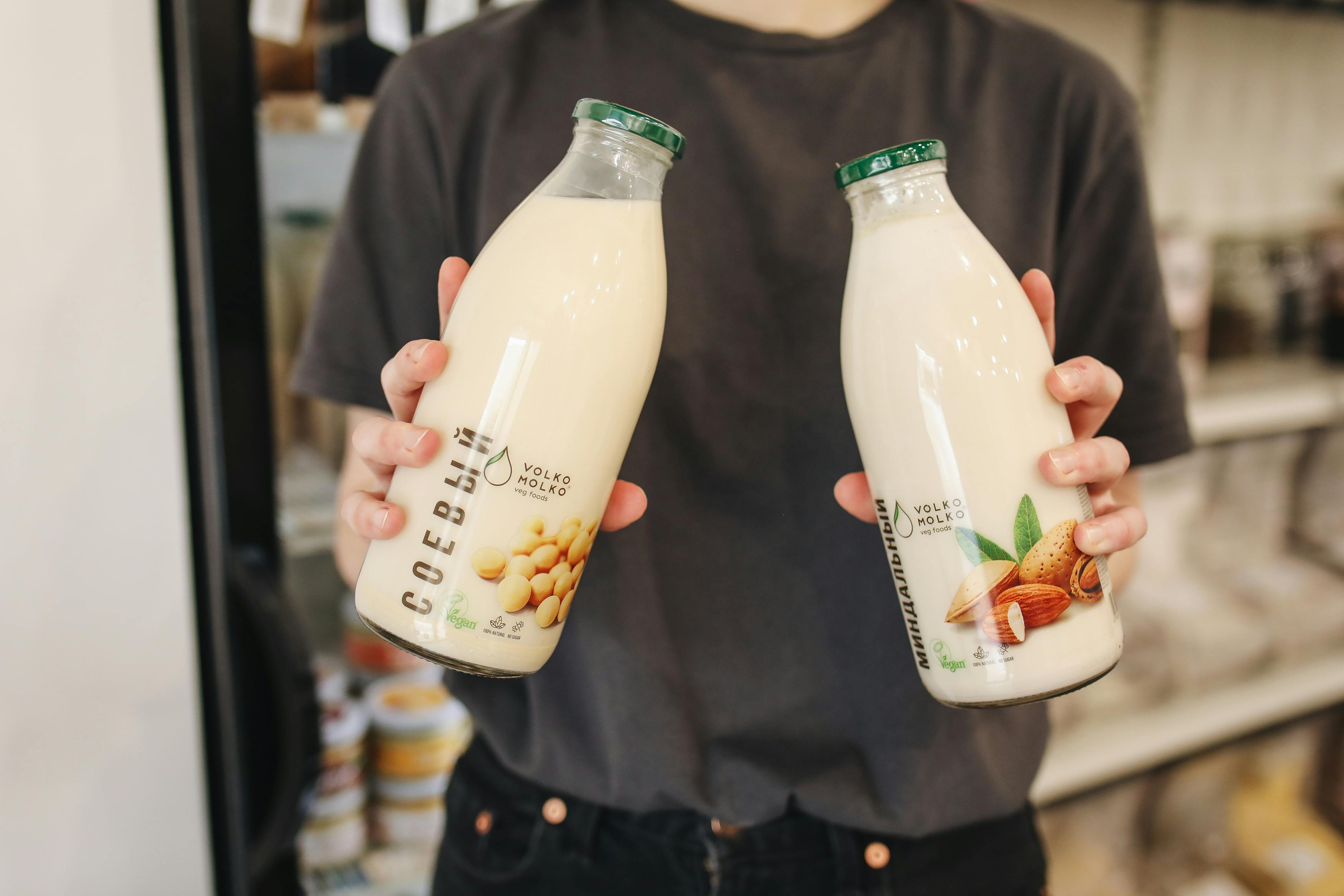
Milk's defenders often begin with nutrients, and they have a point. Cow's milk provides high-quality protein, calcium, vitamin B12, potassium, phosphorus, and, in many countries, added vitamin D. These nutrients matter for bone health, muscle function, nerve signaling, and growth. For children, older adults, and people with limited dietary variety, milk can be an efficient and affordable package of nutrition.
Yet critics are not wrong to question the leap from useful to essential. People can get calcium from fortified foods, leafy greens, tofu set with calcium salts, and some fish. Protein is available from beans, eggs, yogurt, meat, soy products, and grains eaten in combination. The real scientific position is not that everyone needs milk, but that milk can be one practical way to meet nutrient needs.
Fat content has fueled much of the confusion. For years, low-fat and fat-free milk were favored because saturated fat was seen as a major cardiovascular risk. More recent research has complicated that picture, suggesting dairy may behave differently from some other saturated-fat sources due to its overall food matrix. That does not make all dairy automatically protective, but it does show why simplified labels such as "good" or "bad" often fail.
Then there is the issue of individual tolerance. Lactose intolerance is common globally, especially among East Asian, West African, Arab, Jewish, Greek, and Italian populations. For these groups, milk can cause bloating, gas, and discomfort unless it is lactose-free or consumed in smaller amounts. A food that works well for one population may be troublesome for another, and that fact alone makes universal claims about milk difficult to defend.
Public Health Advice Changed, and So Did Consumer Trust

One reason milk became controversial is that public health messages changed in full view of the public. For decades, campaigns heavily emphasized milk for bone strength and child development, often with little room for caveats. Then newer conversations introduced concerns about sugar in flavored milk, saturated fat in full-fat dairy, and the limits of calcium as a single solution to fracture prevention. Many consumers heard this not as refinement, but as contradiction.
The bone-health debate illustrates the problem. Calcium is clearly important, and milk is a rich source of it. But fractures are influenced by far more than calcium intake alone, including exercise, vitamin D status, total protein intake, hormones, medication use, and aging. Some large studies have shown that simply drinking more milk does not guarantee dramatically lower fracture rates, which surprised people raised on much stronger promises.
Industry marketing has also shaped public suspicion. In the United States and elsewhere, dairy groups spent decades building powerful campaigns that linked milk with athleticism, slimness, and vitality. Those messages were memorable, but they sometimes blurred the line between nutrition education and promotion. When science later sounded more cautious, trust naturally weakened.
The rise of social media accelerated the split. A nuanced dietary recommendation rarely travels as far as a bold claim, so milk became a perfect target for oversimplification. One post might call it inflammatory poison, another a complete superfood. Both messages are easier to share than the far less exciting truth that milk can be beneficial, unnecessary, or poorly tolerated depending on the person and the diet around it.
The Environmental Debate Made Milk About More Than Health

The modern milk argument is no longer just about the body. It is also about the planet. Dairy farming requires land, water, feed, and energy, and cows produce methane, a potent greenhouse gas. According to major climate assessments, livestock emissions are a meaningful part of global agricultural emissions, and dairy is regularly scrutinized in that discussion. As climate awareness grew, milk became an everyday product with a visible environmental footprint.
Still, the environmental case is not as simple as "cow's milk bad, plant milk good." Different plant-based beverages have very different impacts. Almond milk is often criticized for water use, especially in drought-prone regions. Oat milk generally performs better on some environmental measures, while rice milk can carry higher methane-related concerns due to cultivation methods. Comparing beverages honestly requires looking at water, land use, emissions, transport, and nutrition, not just one metric.
Farming methods matter too. A large industrial dairy and a smaller pasture-based operation do not operate in the same way, though neither is impact-free. Improvements in feed efficiency, manure management, breeding, and energy systems can reduce emissions per liter of milk. Advocates for dairy often argue that innovation, not abandonment, is the realistic path forward.
For consumers, the environmental debate can feel morally loaded because milk is so ordinary. Choosing a carton now seems tied to identity, ethics, and politics. Once a food becomes a signal of values, discussion tends to harden. That is part of the reason the milk aisle, once a narrow category, now looks like a referendum on how people believe food systems should work.
Plant-Based Alternatives Changed the Market and the Meaning of Milk
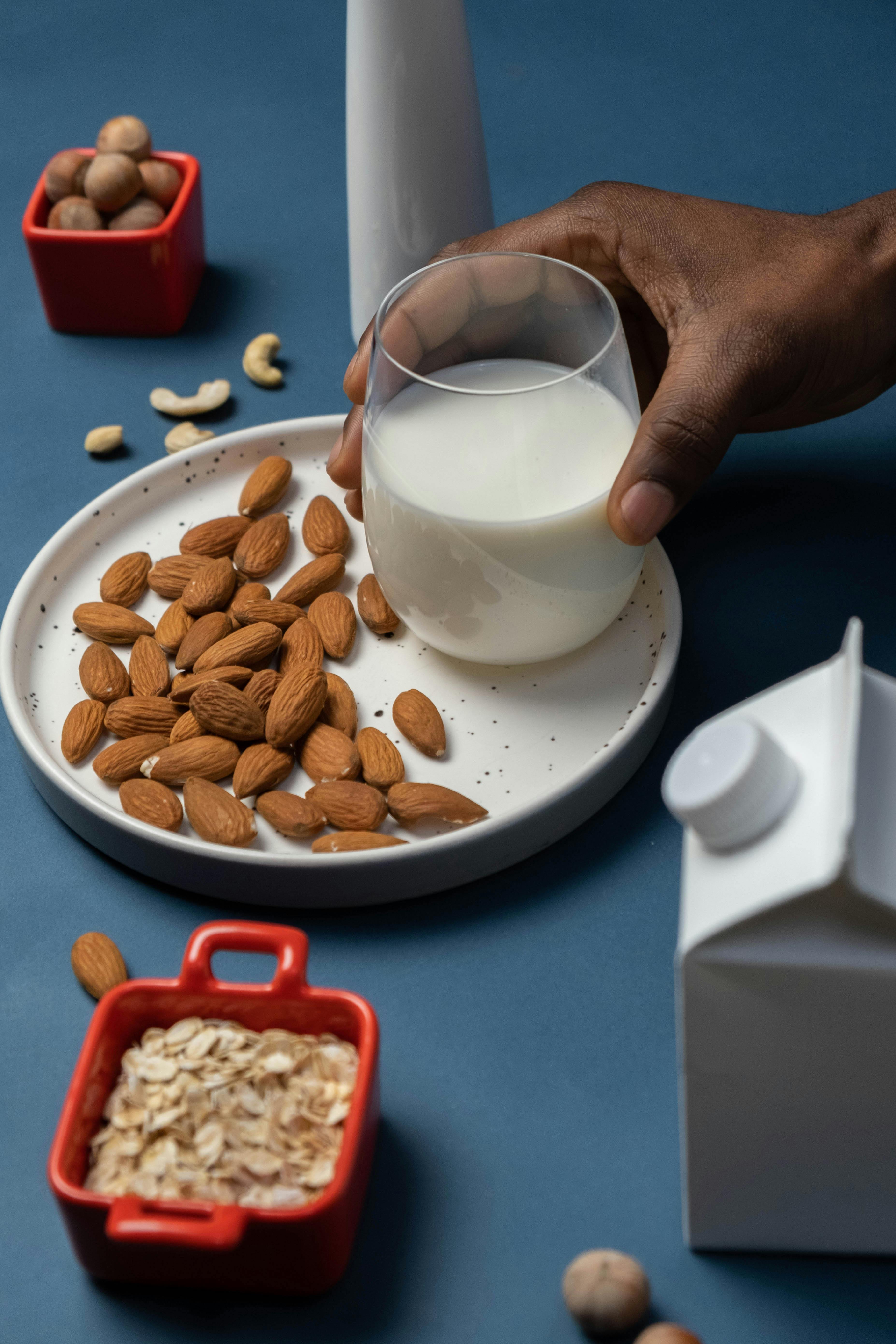
Walk through any supermarket and the evidence is obvious. Soy, oat, almond, pea, coconut, and other drinks no longer sit in a niche corner. They compete directly with dairy in price, branding, and shelf space, and in some markets they are among the fastest-growing beverage categories. Their rise has changed not just what people buy, but what the word "milk" now means in daily life.
Much of their appeal comes from convenience and identity as much as nutrition. Some consumers choose plant-based options for lactose intolerance, others for vegan ethics, climate concerns, cholesterol management, or simple taste preference. Baristas often favor oat beverages for texture, while families may pick fortified soy drinks for protein closer to dairy. The category succeeded because it solved different problems for different people.
Nutritionally, these alternatives vary enormously. Fortified soy beverages often come closest to dairy milk in protein content, while almond drinks may contain far less protein unless specifically enhanced. Calcium and vitamin D levels depend heavily on fortification, and shaking the carton can matter because added minerals may settle. A consumer comparing labels carefully is making a very different choice from one relying on a health halo.
This market shift also triggered legal and cultural fights over labeling. Dairy groups have argued that calling plant-based beverages "milk" confuses buyers and trades on dairy's nutritional reputation. Alternative brands counter that consumers understand the distinction perfectly well and use the term as a familiar category marker. The argument may sound semantic, but it reveals how deeply ownership, tradition, and commercial power shape the milk debate.
The Real Question Is Not Whether Milk Is Good or Bad

The most sensible way to think about milk is to stop treating it as a universal verdict. For a child with broad tolerance and limited food options, milk can be a practical nutrient source. For an adult with lactose intolerance, it may be uncomfortable or unnecessary. For an athlete, yogurt and milk may support recovery well. For a vegan household, fortified soy beverages can meet similar needs without animal products.
Diet quality matters more than loyalty to a single food. A person who drinks milk but eats few fruits, vegetables, legumes, or whole grains is not protected by that habit alone. Likewise, someone who avoids dairy can do very well nutritionally with careful planning and fortified foods. The strongest evidence in nutrition continues to favor overall patterns rather than heroic claims about one item.
That broader perspective is what many experts now emphasize. Registered dietitians and public health researchers increasingly encourage individualized advice based on age, health status, culture, budget, and preference. That approach may be less dramatic than the online fight, but it is far more useful. It respects biology without ignoring values.
Milk became one of the most debated foods because it sits where science, tradition, industry, and identity collide. It is familiar enough for everyone to have an opinion and complicated enough that no single opinion fully settles the matter. In the end, the dairy divide says as much about modern food culture as it does about the glass itself.




Leave a Reply