
Taste no longer begins in the kitchen alone. In the modern food system, flavor is often designed long before a product reaches a shelf.
The Rise of Flavor as Food Technology

Artificial flavors emerged from a simple industrial problem: natural ingredients were expensive, inconsistent, seasonal, and difficult to preserve at scale. As food manufacturing expanded in the late 19th and early 20th centuries, chemists learned to isolate and reproduce aroma compounds that signaled familiar tastes such as vanilla, almond, banana, and strawberry. What mattered most was not copying the whole food, but recreating the volatile molecules the human nose and palate associate with it.
That shift changed the food business profoundly. A factory no longer needed large amounts of fruit, spices, or botanical extracts to suggest a recognizable taste. Vanilla is the best-known example. Natural vanilla requires labor-intensive cultivation and curing, while synthetic vanillin offered a much cheaper, more stable alternative that could be used in baked goods, candies, and dairy products at massive scale.
Flavor houses became central players in this transformation. Companies that specialized in aroma chemistry worked quietly behind the scenes, helping manufacturers create products that were not just affordable, but repeatable. A strawberry yogurt bought in one city could taste nearly identical to one bought hundreds of miles away. Consistency became a commercial advantage, and artificial flavors helped make that possible.
Consumers often imagined these products as modern and convenient rather than chemically engineered. Over time, that perception normalized the idea that a food did not need to contain much of the ingredient it tasted like. Flavor had become a technology in its own right, separate from the raw agricultural material that once defined it.
How Processed Foods Became More Appealing

The modern packaged food aisle was built in part on the power of artificial flavoring. Processing methods such as extrusion, dehydration, freezing, and high-heat cooking often dull or destroy natural taste compounds. Artificial flavors helped restore what manufacturing removed, and in many cases they amplified it beyond what whole foods naturally provide. This made processed foods more attractive, especially as households increasingly valued convenience.
Breakfast cereals offer a clear example. Grain puffs and flakes have a relatively plain base, yet flavor systems can make them taste like cinnamon pastries, berries, chocolate, or toasted nuts. Snack foods followed a similar path. Chips, crackers, and instant noodles could be given intense barbecue, cheese, sour cream, ranch, or spicy profiles even when the underlying ingredients were simple starches, oils, and seasoning blends.
This made product innovation faster and less dependent on agricultural limits. A manufacturer could launch a new line extension with a different flavor profile without redesigning the entire food. Seasonal products, novelty flavors, and limited runs became practical because taste could be adjusted efficiently in the lab and on the factory line. Flavor turned into one of the easiest ways to make familiar foods feel new.
The result was a broader cultural shift. People became accustomed to foods that delivered immediate, concentrated sensory rewards with little preparation. Artificial flavors did not create convenience culture on their own, but they helped make processed foods pleasurable enough to become everyday staples rather than occasional substitutes.
Why Artificial Flavors Changed Consumer Expectations
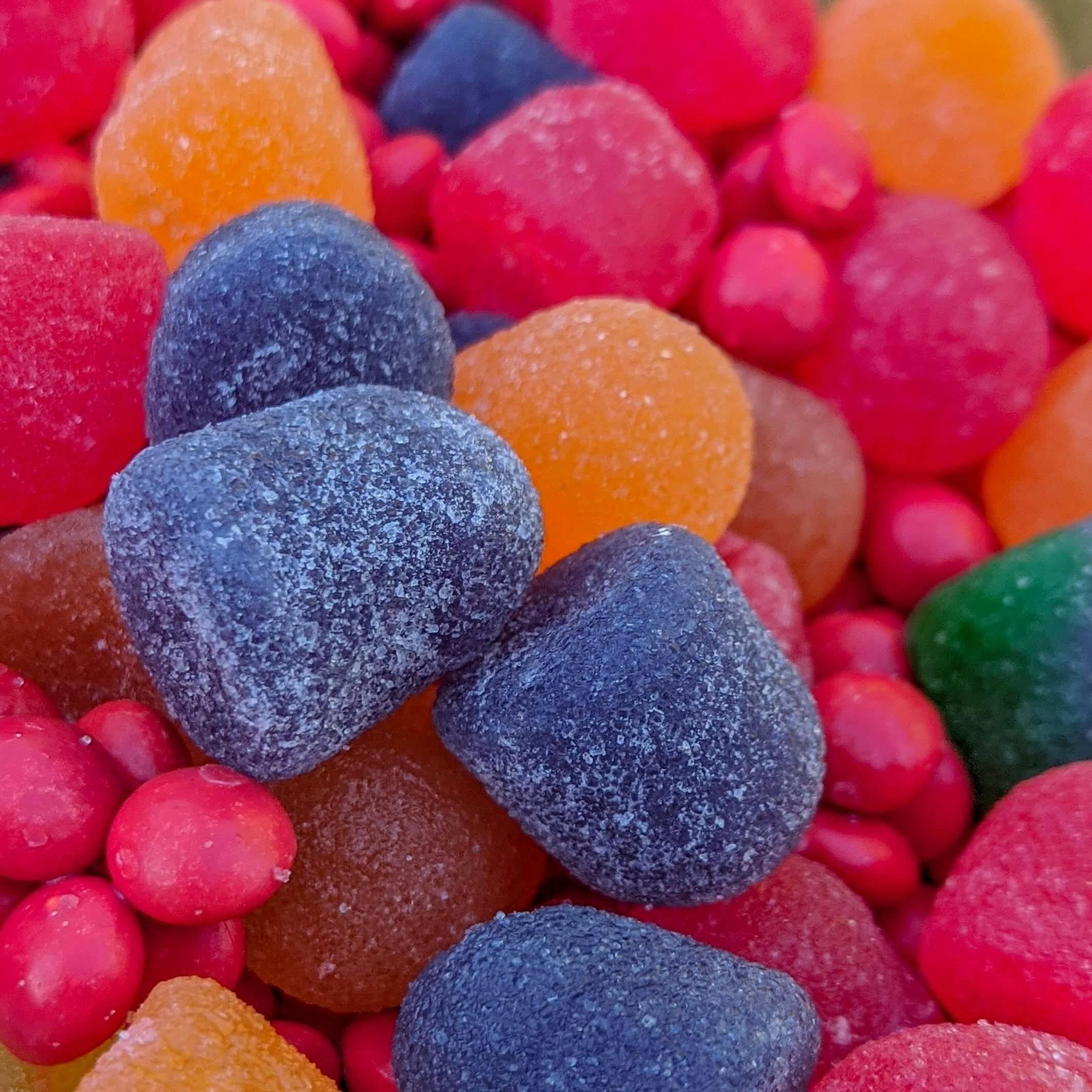
One of the biggest changes artificial flavors brought was psychological, not just technological. They taught consumers to expect intensity, uniformity, and instant recognition in nearly every bite. A grape candy did not need to taste like fresh grapes from a market stall. It only needed to taste like the idea of grape that consumers had learned to identify, often through previous artificially flavored products.
This feedback loop shaped taste memory. For many people, banana flavor in candy reflects isoamyl acetate more than the complexity of a ripe banana. Cherry flavor often leans toward a bright, medicinal sharpness that has little in common with orchard fruit. These familiar profiles became cultural references. In some cases, the artificial version became more recognizable than the natural one.
Children were especially important to this shift. Sweet, brightly flavored products were marketed with vivid colors, mascots, and collectible branding, linking flavor to excitement and reward. Over time, repeated exposure helped set a baseline for what enjoyable food should taste like. That mattered because early taste preferences often influence lifelong eating habits, according to many nutrition researchers.
The consequences reach beyond candy and soda. Once consumers grow used to bold, reliable flavor delivery, subtle foods can seem bland by comparison. Artificial flavoring contributed to a food environment where sensory stimulation is constant, and where taste is often expected to be immediate and unmistakable rather than gradual, seasonal, or nuanced.
The Business of Cravings and Brand Identity

Artificial flavors changed not only what people ate, but how food companies built loyalty. In a crowded market, flavor became a form of branding. The signature taste of a soda, sports drink, yogurt, or snack chip could distinguish one product from another even when their nutritional profiles were similar. A carefully tuned flavor system created familiarity, and familiarity encouraged repeat purchases.
This is where flavor science intersects with behavioral economics. Companies test consumer reactions extensively, adjusting sweetness, acidity, aroma release, and aftertaste to find combinations that feel satisfying and memorable. Industry researchers sometimes refer to the "bliss point," a balance of sugar, salt, and flavor that maximizes appeal without overwhelming the consumer. Artificial flavor compounds often help manufacturers reach that target with precision.
Fast food also benefited from this approach. Standardized flavor systems helped chains maintain a nearly identical eating experience across regions and seasons. Sauces, desserts, fountain beverages, and limited-time items could be scaled quickly while preserving the sensory profile customers expected. That consistency became part of the brand promise, especially in an era when consumers increasingly ate away from home.
Marketing amplified the effect. Words such as "bold," "bursting," "extreme," and "loaded" signaled an experience, not just an ingredient list. Artificial flavors supported that promise by making products taste bigger than their raw materials alone might allow. In that sense, flavor became one of the most efficient tools for selling emotion, excitement, and habit.
The Health Debate and the Push for Transparency
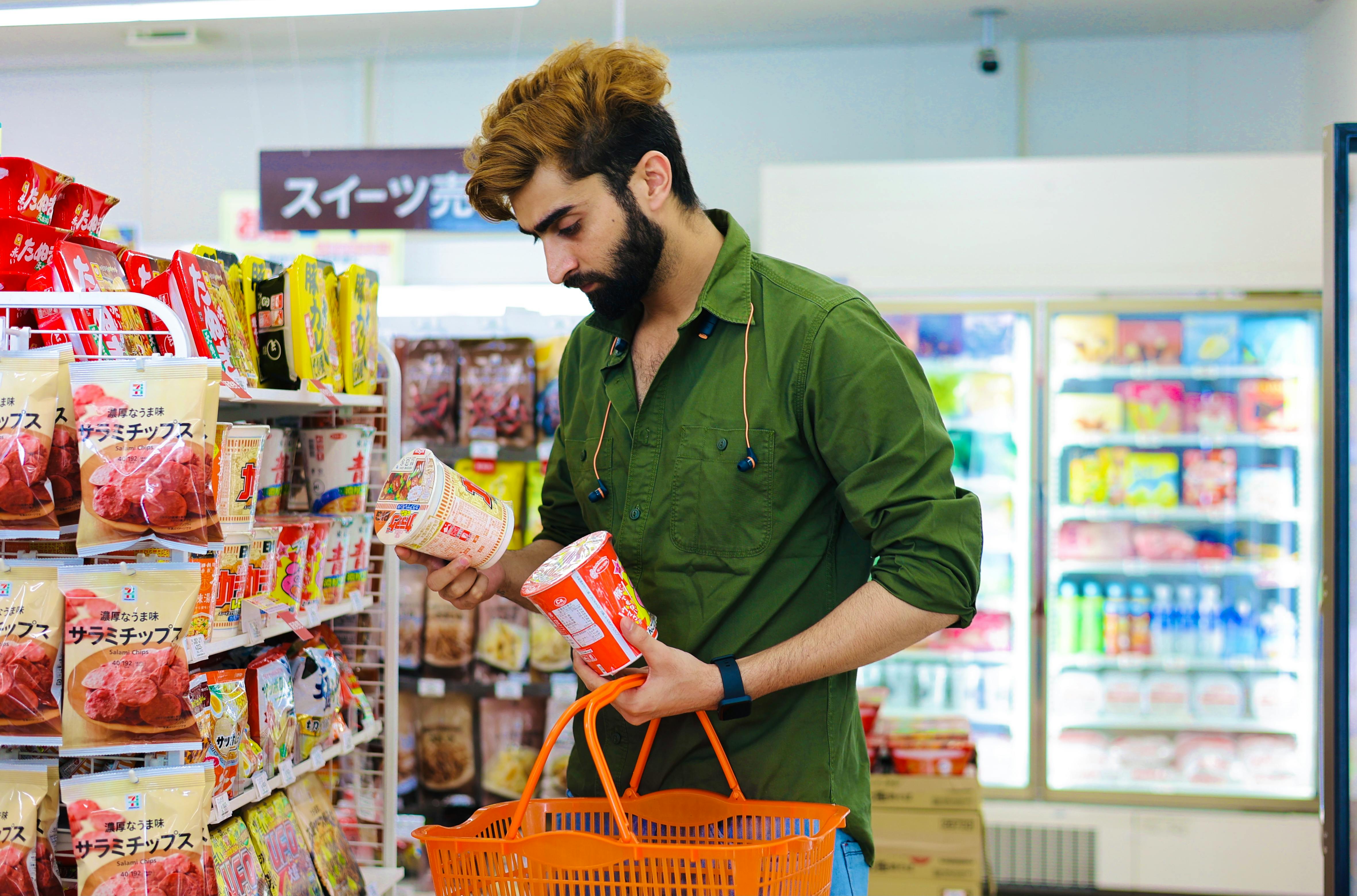
Artificial flavors are generally regulated as safe when used within approved limits, but public concern has never disappeared. For many consumers, the issue is not acute toxicity so much as distrust of ultra-processed food. The phrase "artificially flavored" can suggest distance from nature, even when the chemistry behind flavor compounds overlaps with molecules found in plants and fruits. That tension has shaped food labeling and reformulation efforts for years.
Health critics argue that the bigger problem is behavioral. Artificial flavors can make foods high in sugar, sodium, or refined starch more enticing, which may contribute indirectly to overconsumption. A flavored drink, dessert, or snack may be engineered to go down easily and encourage another purchase. From this perspective, flavor chemistry is part of a larger system that promotes calorie-dense, low-nutrient eating patterns.
Manufacturers have responded by leaning into "natural flavors," cleaner labels, and simpler ingredient statements. Yet that shift is more complicated than it appears. Natural flavors can still be highly processed, proprietary mixtures designed in specialized labs. The label may satisfy consumer demand for reassurance, but it does not necessarily mean a product is closer to whole food or less strategically engineered.
This debate has pushed transparency into the spotlight. Consumers increasingly want to know not only what is in their food, but why it tastes the way it does. That curiosity reflects a broader reevaluation of convenience culture, industrial processing, and the trade-offs people accept in exchange for affordability, shelf life, and sensory pleasure.
What Artificial Flavors Mean for the Future of Eating
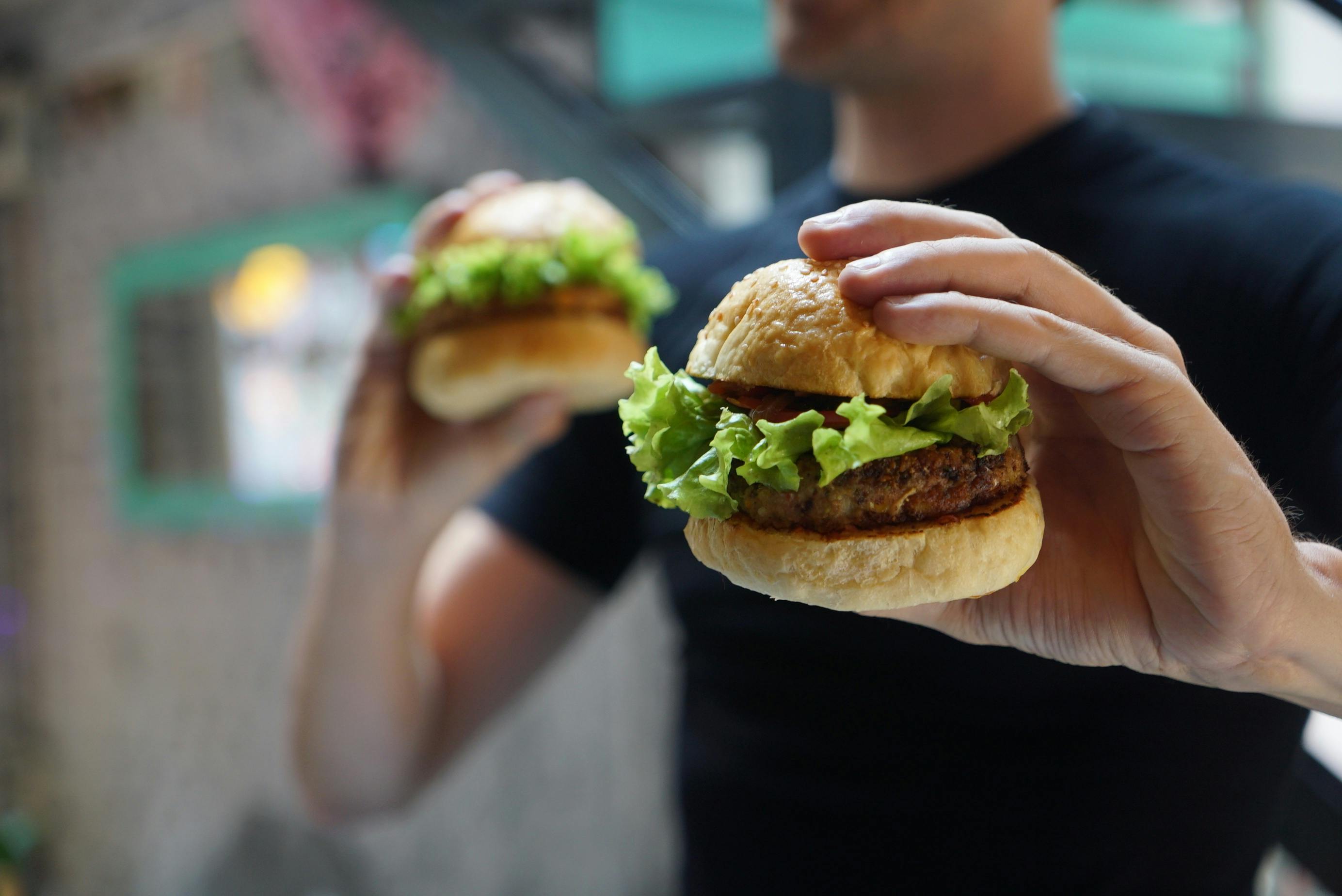
The next chapter of artificial flavoring is likely to be shaped by both technology and skepticism. Food companies are under pressure to cut sugar, reduce costs, meet sustainability goals, and still satisfy consumers accustomed to powerful taste. Flavor chemistry remains essential to that balancing act. It can help plant-based meats mimic grilled beef notes, support lower-sugar beverages, and make fortified foods more appealing when nutrients add bitterness or metallic aftertastes.
At the same time, consumer preferences are fragmenting. Some shoppers want cleaner labels and recognizable ingredients, while others prioritize price and convenience above all else. This means the future will probably not be a simple return to "natural" eating. Instead, companies will continue blending sensory science with marketing, using both artificial and nature-derived compounds to meet different expectations across product categories.
There is also a cultural shift underway toward more informed eating. People are reading labels more carefully, questioning how products are formulated, and paying greater attention to the difference between flavor and food itself. That does not mean artificial flavors are disappearing. It means they are becoming more visible as part of the story of what modern eating has become.
In the end, artificial flavors changed the way we eat by separating taste from source. They made food cheaper, more stable, and more exciting, but they also taught us to crave engineered intensity. Much of modern eating now rests on that trade-off, and it continues to shape every aisle of the supermarket.



Leave a Reply