
It is easy to forget that some of the foods filling grocery carts today once came with very real warnings. In many cases, people were not being dramatic. They were reacting to toxins, bad preparation methods, or simple misunderstandings about unfamiliar plants. This gallery explores 13 foods that moved from the "dangerous" list to the dinner table, and why people eventually changed their minds.
Tomatoes

The tomato had a reputation problem before it ever became a pantry hero. When it arrived in Europe from the Americas, many people admired it as an ornamental plant but hesitated to eat it. Because it belongs to the nightshade family, it was linked to other plants with toxic properties, and that alone was enough to raise alarm.
The fruit's acidity added to the fear. Wealthy Europeans often ate from pewter plates high in lead, and tomatoes could leach that lead into food, causing illness that was then blamed on the tomato itself. Over time, cooks embraced it in sauces, soups, and salads, and the tomato transformed from a suspicious novelty into one of the world's most used ingredients.
Potatoes
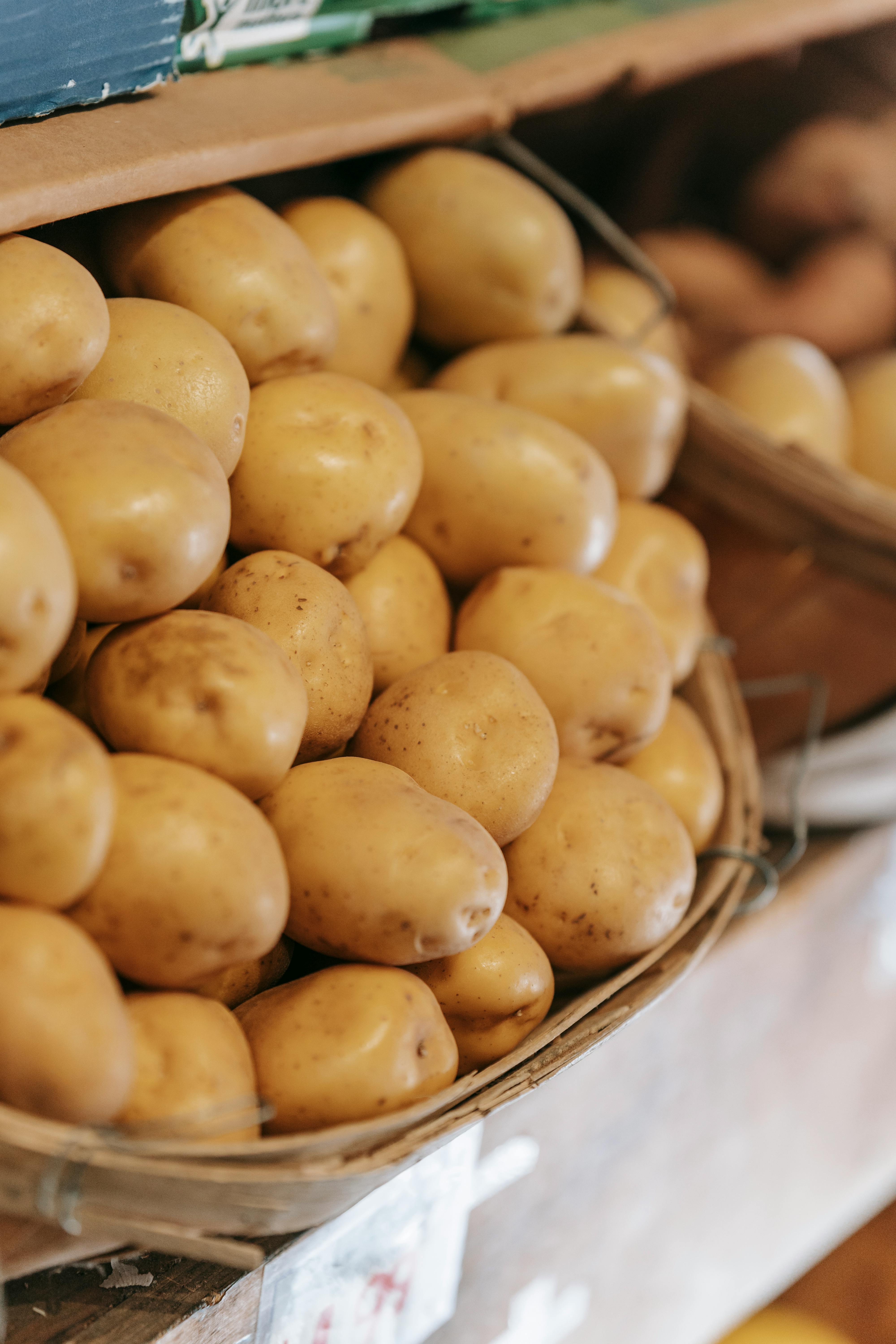
The potato seems humble now, but it was once viewed with deep suspicion across parts of Europe. Since it grows underground and belongs to the nightshade family, many people assumed it was unsafe or unclean. Some even blamed potatoes for disease, partly because they did not resemble familiar grains or fruits.
The concern was not entirely baseless. Green potatoes and sprouts contain higher levels of solanine, a natural toxin that can cause serious illness if eaten in large amounts. What changed was knowledge. People learned how to store them properly, avoid damaged or green tubers, and cook them well. Once that happened, the potato became a reliable staple that helped feed entire populations.
Eggplant
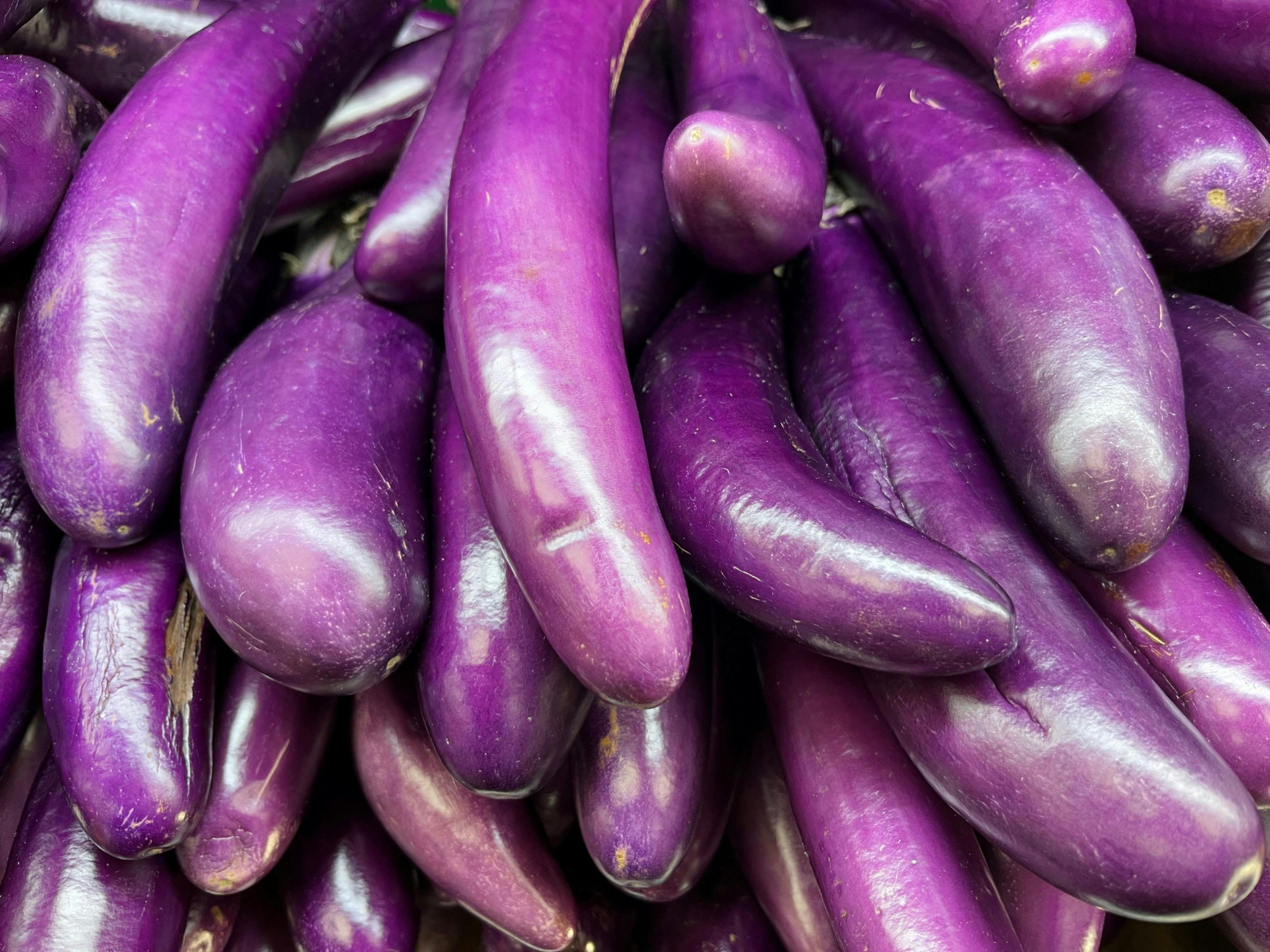
Eggplant entered European kitchens under a cloud of anxiety. Also a member of the nightshade family, it carried the same guilt by association that shadowed tomatoes and potatoes. In some places, people believed it could cause illness, madness, or bad blood, claims that spread more from fear than from evidence.
Part of the confusion came from older varieties, which could be more bitter than modern eggplants. Bitterness often signals plant defenses, so people read that flavor as danger. As cultivation improved and cooking traditions developed, eggplant found its place in dishes like ratatouille, baba ghanoush, and parmigiana. What was once treated warily is now prized for its silky texture and ability to absorb flavor.
Cassava
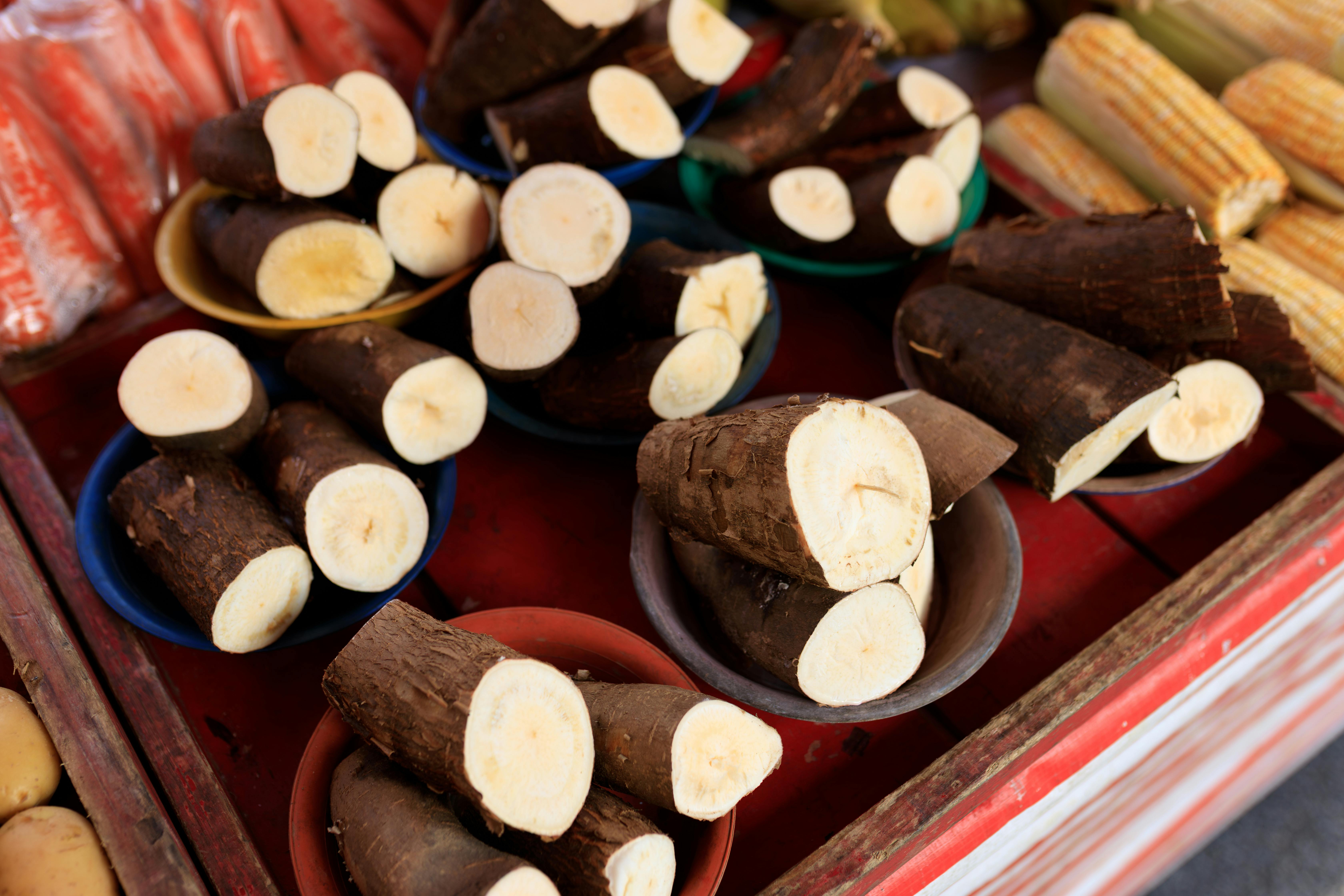
Cassava feeds millions today, but it has always demanded respect. The plant's roots contain compounds called cyanogenic glycosides, which can release cyanide when the tissue is damaged. That means bitter cassava, especially, can be dangerous if eaten raw or processed badly. For communities that depended on it, safe preparation was never optional.
Traditional knowledge solved the problem long before modern chemistry explained it. Peeling, grating, soaking, fermenting, drying, and thorough cooking all help reduce the toxic compounds. In many parts of Africa, South America, and Asia, cassava became a cornerstone food because people learned exactly how to handle it. It remains a powerful example of how technique can turn a risky plant into a dependable daily staple.
Kidney Beans
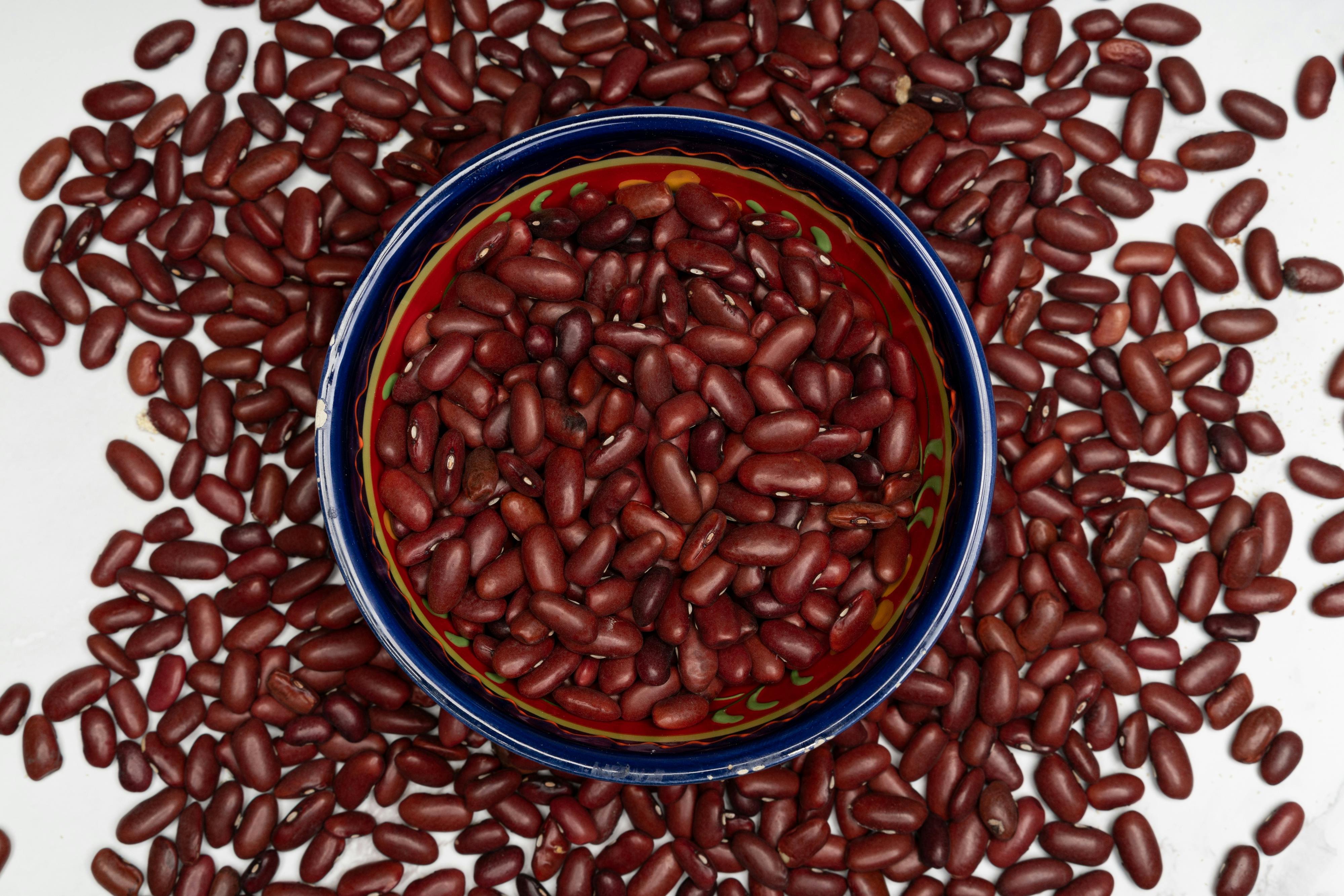
Kidney beans are a reminder that even pantry basics can carry hidden hazards. Raw or undercooked red kidney beans contain high levels of phytohaemagglutinin, a natural lectin that can trigger severe nausea, vomiting, and stomach distress. The symptoms can come on quickly, which is why food safety experts still warn people not to treat dried beans casually.
The fix, fortunately, is straightforward. Proper soaking and full boiling dramatically reduce the toxin, making the beans safe to eat. Slow cookers can be risky if they never reach a high enough temperature, so the boiling step matters. Once cooked correctly, kidney beans are nutritious, affordable, and central to everything from chili to rice-and-beans dishes around the world.
Cashews
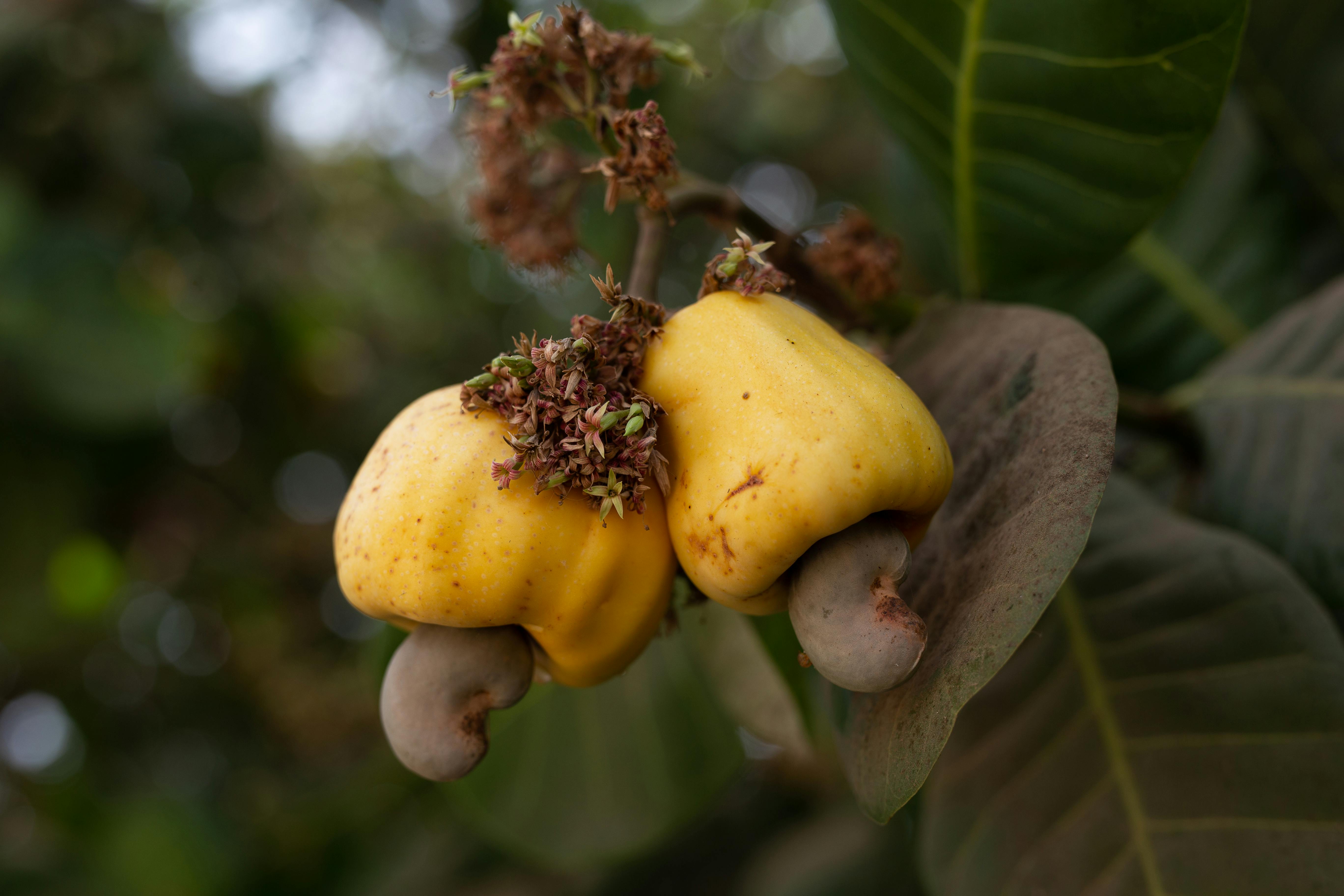
Cashews look innocent in a snack bowl, but they do not come off the tree ready to eat. The shell and surrounding layers contain irritating toxic compounds related to urushiol, the same family of chemicals associated with poison ivy. Anyone handling raw cashews in processing has to take that seriously, because direct contact can cause painful skin reactions.
That is why the so-called raw cashews sold in stores are not truly raw in the strictest sense. They have been steamed or heat-treated to remove the dangerous shell oils before reaching consumers. Once processed safely, cashews become the buttery nuts people toss into stir-fries, grind into sauces, or snack on by the handful. Their popularity hides just how hazardous the original package can be.
Rhubarb

Rhubarb built its reputation on a split personality. The stalks are famously tart and delicious in pies, jams, and compotes, but the leaves are another story. Rhubarb leaves contain high levels of oxalic acid and other compounds that can be toxic, which helped give the whole plant an aura of danger.
That distinction matters. The edible stalks are widely used and generally safe when prepared as food, while the leaves are meant to be discarded. In the past, when people knew a plant had poisonous parts, they often distrusted all of it. Careful culinary practice changed that. Today rhubarb is a seasonal favorite, especially when its sharp bite is balanced with sugar and fruit like strawberries.
Mushrooms

Mushrooms may be common now, but fear of them has deep roots. Wild mushrooms include some of the deadliest foods in nature, and for centuries most people had no reliable way to separate safe species from lethal look-alikes. That uncertainty made broad suspicion a reasonable survival strategy, especially in places where foraging knowledge was limited.
Cultivation changed the relationship. Once species like button, cremini, and portobello mushrooms could be grown consistently and identified clearly, the risk dropped dramatically for everyday consumers. Science also improved classification and public understanding. Even so, the old caution never fully disappeared, and for good reason. Store-bought mushrooms are routine, but wild picking without expertise remains one of the fastest ways to turn dinner into disaster.
Almonds
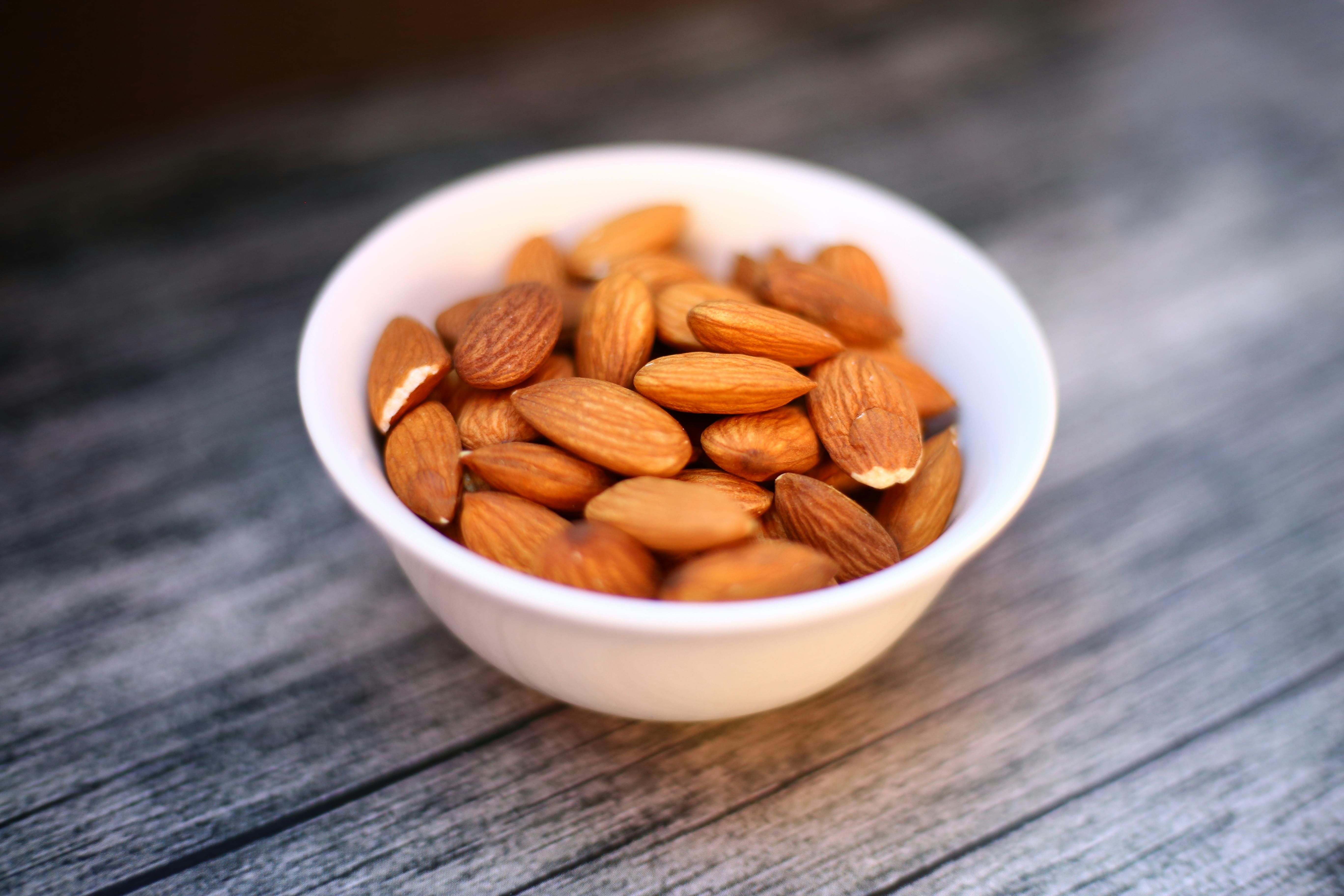
Not all almonds are the same, and that difference explains their complicated past. Bitter almonds naturally contain amygdalin, which can break down and release cyanide. In sufficient amounts, that makes them dangerous, particularly for children. Sweet almonds, the kind most people buy by the bag, contain far lower levels and became the safe standard for everyday eating.
Over time, agriculture and regulation helped separate the edible from the risky. Bitter almonds are usually processed for flavorings and extracts, while sweet almonds dominate grocery shelves. That distinction turned almonds into a trusted staple in cereals, baked goods, trail mixes, and plant-based milk. Their wholesome image today makes it easy to forget that one close botanical relative needed careful handling.
Olives
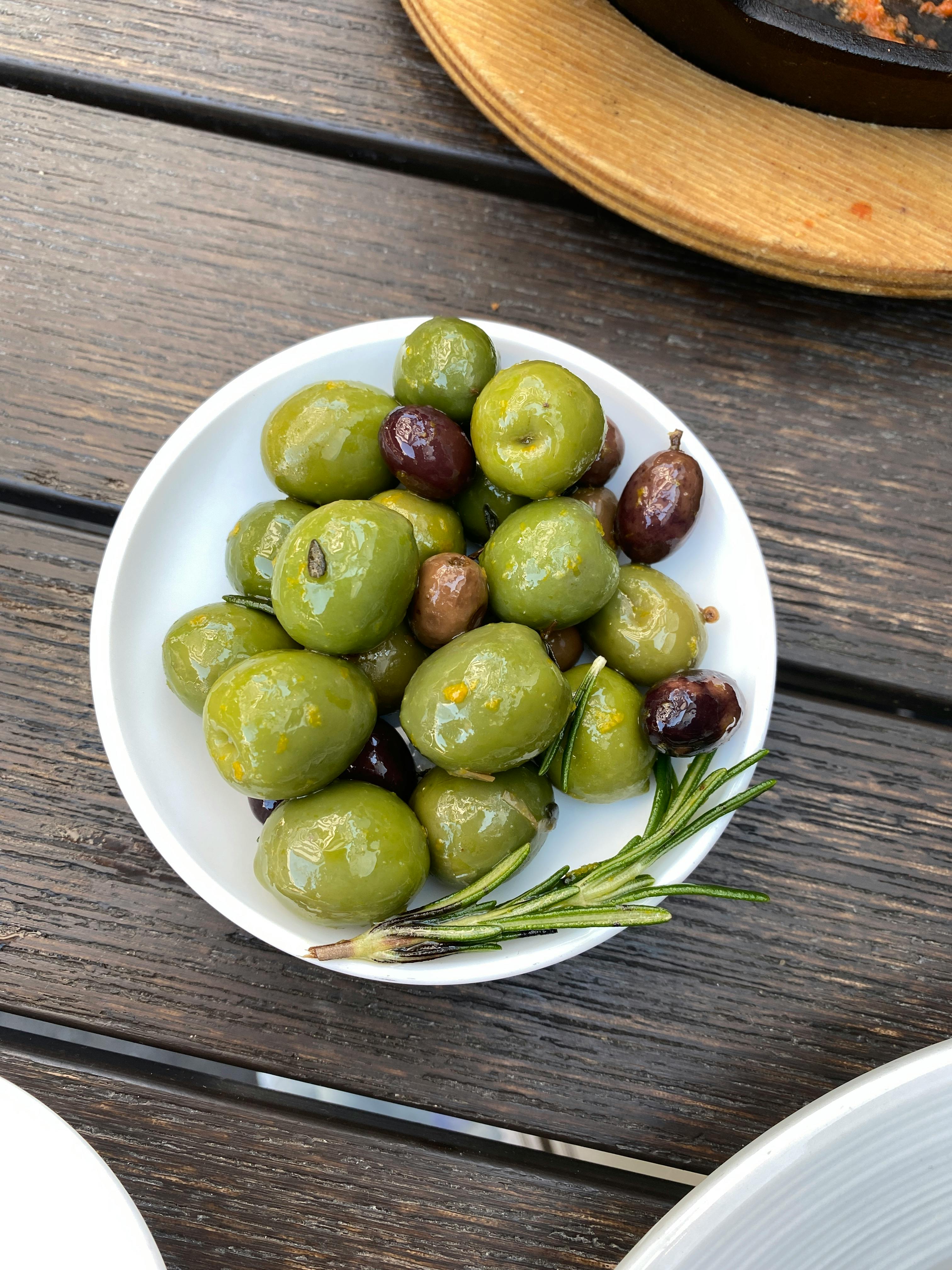
Fresh off the tree, olives are not the easy snack most people imagine. Raw olives are intensely bitter because they contain compounds such as oleuropein, making them unpleasant and effectively inedible without treatment. That bitterness likely helped early eaters view them with caution, especially before curing methods were widely understood.
The olive became beloved only after people mastered the slow magic of brining, fermenting, or curing. Those techniques remove harshness and create the savory, rich flavor associated with table olives and olive oil culture today. It is one of the clearest examples of transformation through processing. The glossy olives in a salad bar may look simple, but they represent generations of experimentation and patience.
Ackee

Ackee is central to Jamaican cuisine, yet it is dangerous when picked or eaten too early. Unripe ackee contains high levels of hypoglycin A, a toxin that can cause severe vomiting and dangerously low blood sugar. The risk is serious enough that the fruit's safe use depends on timing as much as cooking.
The key is to wait until the fruit ripens naturally and opens on its own. Only then is the flesh prepared, while the seeds and pink inner parts are discarded. That careful tradition turned ackee from a hazard into a beloved ingredient, especially in the national dish ackee and saltfish. Its story shows how food safety can be built into local knowledge and daily routine.
Taro
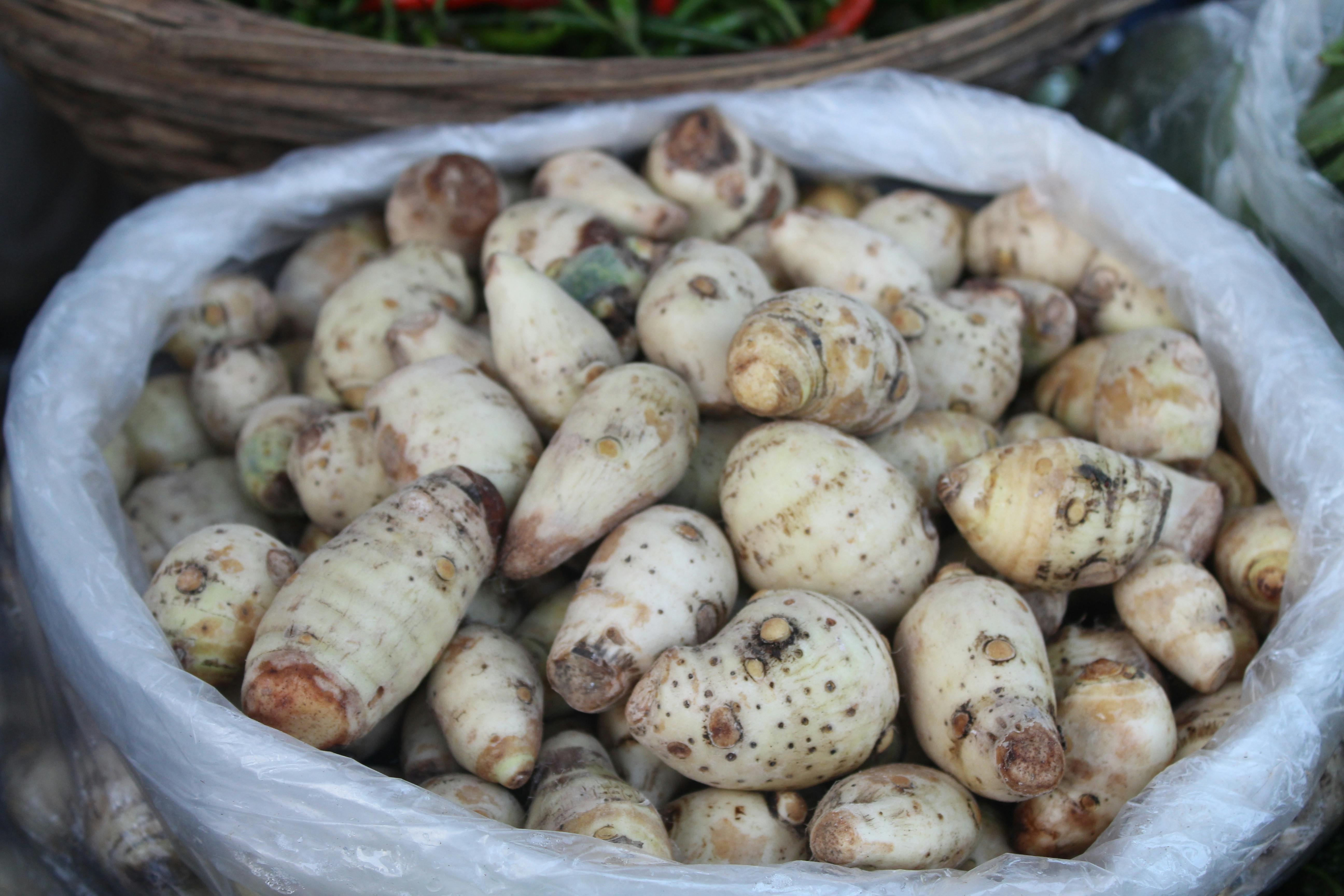
Taro has nourished people for centuries, but raw taro can be extremely irritating. The plant contains calcium oxalate crystals that can cause burning, stinging, and swelling in the mouth and throat if it is eaten uncooked or prepared poorly. That unpleasant reaction is a strong reason many communities treated it with caution and developed strict cooking habits around it.
Heat changes everything. Proper cooking breaks down the irritation enough to make taro enjoyable, whether it is boiled, steamed, mashed, or turned into chips and desserts. Across the Pacific, Asia, Africa, and the Caribbean, taro became a valued staple because people respected its limits. It is another case where culinary knowledge was just as important as the crop itself.
Chili Peppers
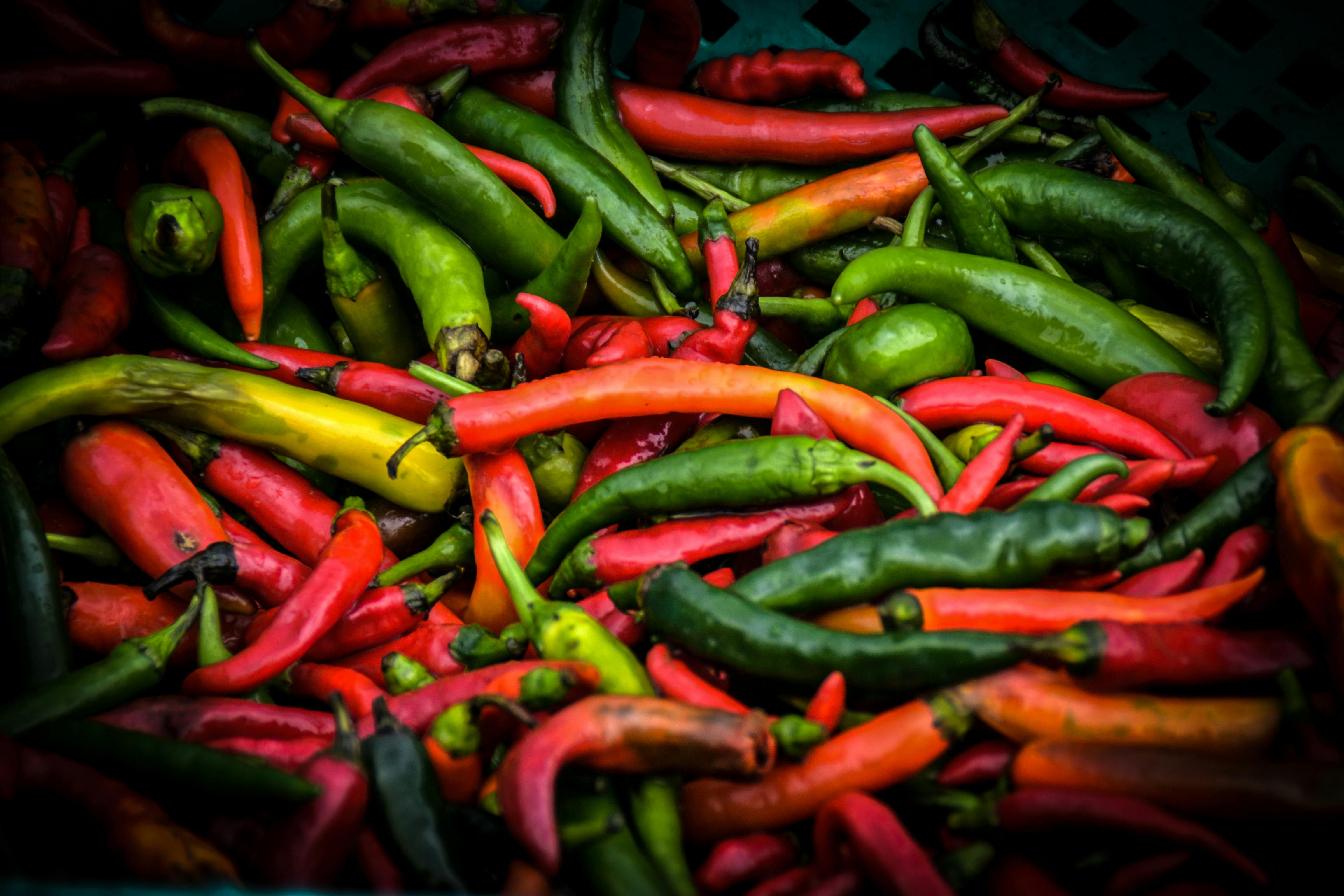
Chili peppers were never poisonous in the strict scientific sense for most people, but they were often treated like dangerous food because of the intense burning sensation they cause. That heat comes from capsaicin, a compound plants use as a defense. To someone encountering a strong pepper for the first time, the body's reaction can feel like a clear warning to stop eating.
Yet humans did the opposite. Across cultures, people came to prize the thrill, flavor, and preservation benefits of chilies, folding them into daily cooking from breakfast to dinner. Repeated exposure builds tolerance, and what once felt alarming can become comforting or even addictive. Few foods show this reversal more vividly than the pepper that makes you sweat and ask for more.


Leave a Reply