
Some foods are rare because they are difficult to source. Others are unusual because they require deep regional knowledge, special licenses, or years of culinary skill to prepare safely and well. This gallery explores seven ultra-exotic dishes that most people will only encounter at select restaurants, where access, technique, and tradition matter just as much as flavor.
Fugu

Danger is part of the legend, but the real story of fugu is precision. This Japanese pufferfish contains tetrodotoxin, a powerful poison concentrated in organs like the liver and ovaries, which is why only rigorously licensed chefs are allowed to prepare it in Japan and in a small number of approved restaurants elsewhere.
At select counters in Tokyo, Osaka, and a handful of international Japanese restaurants, fugu is served as translucent sashimi, hot pot, or lightly fried karaage. The flavor is subtle, almost delicate, so the appeal lies as much in texture, rarity, and craftsmanship as taste. It is an experience built on trust between diner and chef.
Hákarl

What sounds like a dare is actually a deeply rooted Icelandic preservation food. Hákarl is Greenland shark that has been cured and hung to dry for weeks or months, a process developed because the fresh meat is naturally toxic and had to be treated before it could be eaten safely.
Today, you are most likely to find it at traditional Icelandic restaurants that specialize in heritage cuisine rather than at casual dining spots. Its aroma is famously intense, often compared to ammonia, while the taste is strong, savory, and lingering. For many travelers, trying it is less about comfort and more about understanding how geography shaped survival cooking.
Casu Marzu

Few cheeses carry a reputation as wild as Casu Marzu. This Sardinian sheep's milk cheese is known for its advanced fermentation, traditionally driven by cheese fly larvae, which soften the interior into an intensely creamy, pungent paste unlike standard pecorino.
Because of food safety regulations, authentic Casu Marzu is not widely sold and is extremely difficult to find in formal dining settings. When it appears, it is usually through highly specialized culinary experiences tied to Sardinian food culture and local networks rather than ordinary restaurant menus. Its notoriety gets attention, but its real significance is cultural. It reflects an old pastoral tradition where fermentation, risk, and resourcefulness were part of everyday food life.
Sannakji

Freshness is the entire point of sannakji. This Korean dish features small octopus cut and served immediately, often while the tentacles are still moving because of residual nerve activity, creating a texture and presentation that can surprise even seasoned diners.
You will usually encounter it at specialist seafood restaurants in South Korea, especially in markets and coastal cities where ultra-fresh catch is central to the meal. The flavor itself is mild and briny, so sesame oil, salt, and chewiness do much of the work. Restaurants that serve it properly know the safety concerns too, since the suction cups can pose a choking hazard if diners are careless. It is a dish that demands attention from first bite to last.
Ant Egg Soup

One of the most striking examples of refined insect cuisine comes in a bowl, not on a dare plate. Ant egg soup, found in select restaurants in Laos and parts of northeastern Thailand, uses the eggs and sometimes larvae of weaver ants, ingredients long valued for their delicate texture and bright, slightly sour flavor.
When prepared by skilled cooks, the soup is balanced rather than shocking. Herbs, broth, fish sauce, and local aromatics let the eggs turn soft and almost custardy, while the natural acidity lifts the whole dish. It remains uncommon outside specialist regional restaurants because sourcing is seasonal and traditional knowledge matters. What reaches the table feels both rustic and surprisingly elegant.
Balut

Balut is often reduced to a headline, but in the Philippines it is a familiar street and comfort food with a long culinary history. It is a fertilized duck egg with a partially developed embryo, usually boiled and eaten warm, often with salt or vinegar to sharpen the rich, savory taste.
In restaurant settings, balut appears less as a quick snack and more as a cultural introduction, especially at Filipino restaurants that highlight traditional foods for curious diners. Texture is the biggest part of the experience. You get warm broth, soft yolk, and firmer bites in the same shell. What can seem intimidating at first makes more sense once you approach it as a dish shaped by thrift, nutrition, and custom.
Shirako
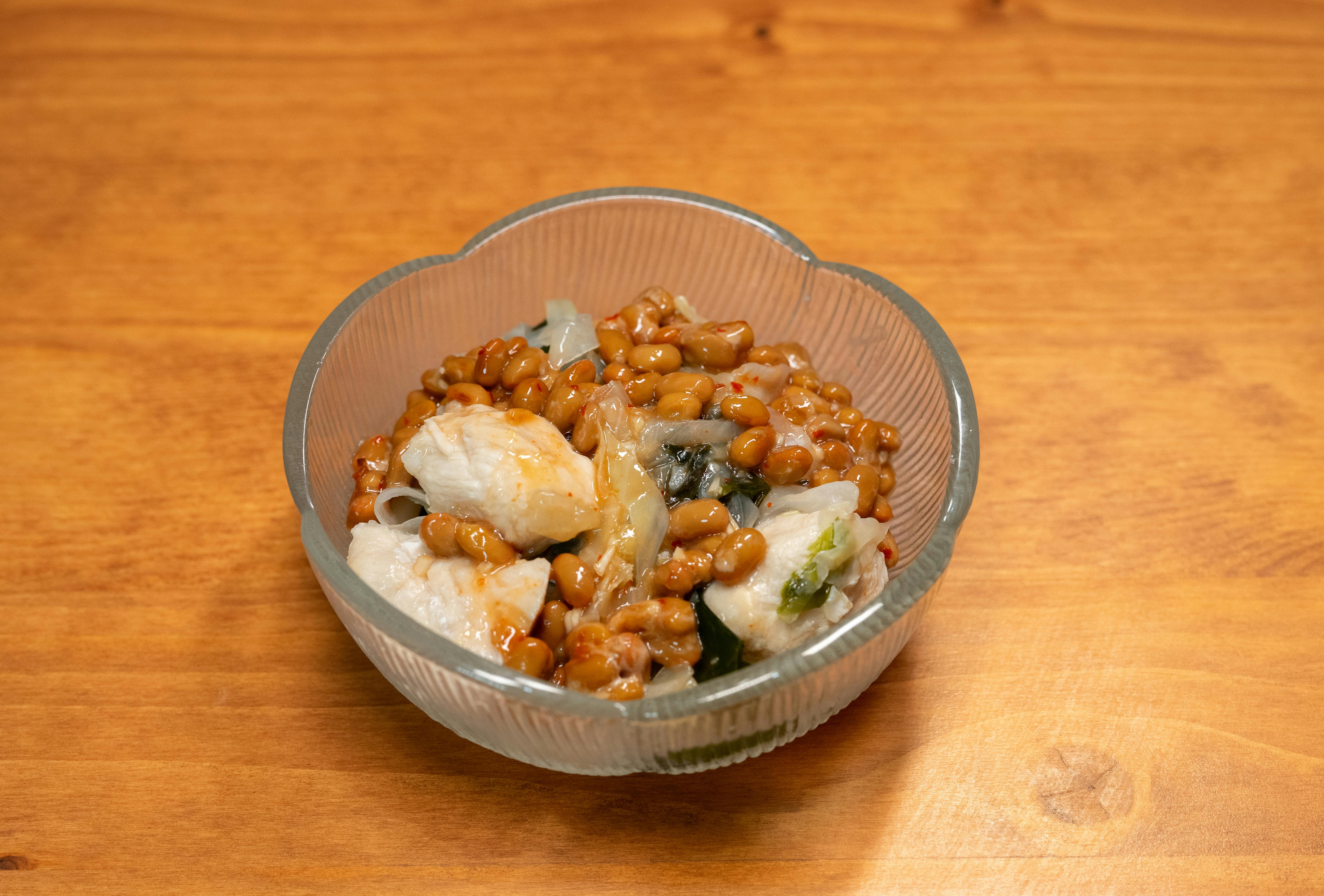
Shirako has one of the most delicate textures in Japanese dining and one of the most surprising identities. The ingredient is the milt, or sperm sacs, of fish such as cod, served seasonally in winter when high-end seafood restaurants and izakayas feature it at its freshest.
Its appearance is pale and cloudlike, and the texture can be silky, creamy, and almost custard-like. Chefs may serve it raw, lightly poached, grilled, or in hot pot, depending on the style of the restaurant. Because it is highly perishable and strongly seasonal, it is not something most diners stumble across casually. In the right setting, though, it is prized for subtle ocean sweetness and a luxurious mouthfeel rather than shock value.


Leave a Reply