
Canadian cuisine has never been a fixed thing, and some of its most exciting shifts are happening in kitchens led by Black chefs. Across the country, these culinary voices are blending heritage, local ingredients, fine-dining technique, and community-minded hospitality in ways that feel distinctly modern. This gallery highlights 10 chefs whose work is helping define a broader, richer picture of what food in Canada looks and tastes like today.
Susur Lee

Long before fusion became a fashionable word, Susur Lee was showing diners how personal history could shape a new kind of Canadian plate. Born in Hong Kong and long based in Toronto, he built a career on food that moves confidently between Chinese technique, French training, and North American ingredients.
His restaurants helped train a generation of cooks while proving that Canadian dining could be globally minded without losing its local footing. Lee's influence matters here because he expanded the idea of who gets to define national cuisine, making room for bolder spice, sharper contrast, and a far more international sense of taste.
Roger Mooking

Roger Mooking approaches food like a storyteller, and that makes his work especially resonant in Canada's multicultural landscape. Raised in Edmonton in a Trinidadian and Chinese family, he has spent years connecting cooking, memory, and identity through restaurants, television, and live-fire cuisine.
What sets Mooking apart is the way he treats flavor as both craft and conversation. Caribbean influences, smoke, street food energy, and polished technique all appear in his work, but never as gimmicks. He has helped everyday audiences see Canadian food as something broader than regional tradition, opening the door to a national table where diaspora flavors are central, not secondary.
Devon Bowen

Devon Bowen has become one of Calgary's most dynamic culinary figures by pairing high-level technique with a sharp sense of place. Through his work in acclaimed restaurant kitchens, he has shown how prairie ingredients can carry global flavor without feeling forced or overly precious.
Bowen's cooking often reflects curiosity, discipline, and respect for the product, qualities that resonate in a country still defining its food identity. He represents a newer generation of Black Canadian chefs who are not waiting for permission to innovate. Instead, they are shaping restaurant culture from within, creating menus that feel rooted in Canada while drawing strength from a much wider world of influence.
Charlotte Langley
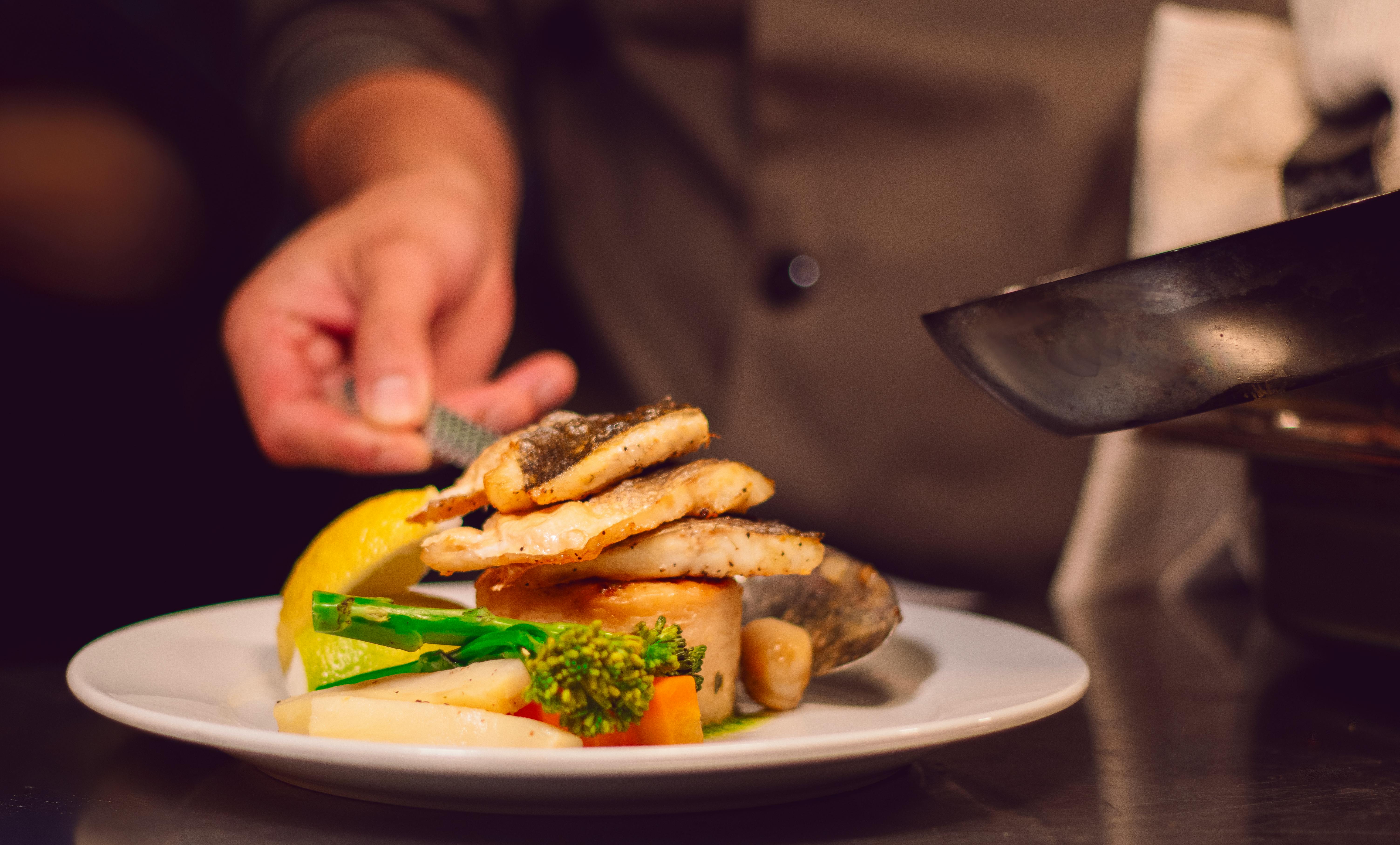
Charlotte Langley has made seafood feel fresh again by treating it with both reverence and imagination. Based in Atlantic Canada, she has built a reputation around sustainable fish cookery, coastal ingredients, and a style that balances accessibility with chef-driven precision.
Her presence in this conversation matters because Canadian cuisine is often discussed through land-based regional icons, while the ocean can become an afterthought. Langley brings maritime food to the forefront and widens the lens on who leads that narrative. Her work shows that redefining Canadian cuisine is not only about adding new flavors, but also about changing who is seen as an authority on the country's most iconic ingredients.
Tre Sanderson

Tre Sanderson is part of a rising class of chefs making Canadian dining feel more relaxed, more current, and more connected to the people actually eating out today. His food tends to blend polished restaurant execution with flavors that feel familiar, direct, and culturally aware.
That balance is important in a country where fine dining can still seem tied to old rules and narrow ideas of refinement. Sanderson's work pushes against that by proving sophistication does not require distance. It can be warm, flavorful, and personal. In that sense, he is helping redefine Canadian cuisine not just through ingredients, but through tone, making restaurants feel more open to a wider public.
Anthony Sarpong

Anthony Sarpong has become a significant voice in the conversation around contemporary Canadian food by drawing clear lines between luxury hospitality and cultural specificity. Working in Ontario, he has shown that elegance and depth of heritage can sit comfortably on the same plate.
His perspective is especially meaningful in a national food scene that often praises diversity in theory but has not always rewarded it equally in practice. Sarpong's success signals change. It shows that Black chefs can define premium dining spaces on their own terms, with menus that reflect precision, ambition, and a richer understanding of Canada's culinary fabric than older restaurant models ever allowed.
Shannon Dunn

Shannon Dunn brings a thoughtful, modern energy to Canadian cooking by blending strong technical grounding with an instinct for comfort and hospitality. Her work stands out because it feels tuned in to how people want to eat now: flavorful, contemporary, and rooted in real experience rather than rigid culinary hierarchy.
Chefs like Dunn are changing the national conversation in subtle but lasting ways. They are proving that influence does not always arrive with spectacle. Sometimes it shows up in menu choices, kitchen leadership, and the confidence to cook from a point of view that reflects both training and lived identity. That kind of authorship is helping Canadian cuisine grow up.
Lora Kirk

Lora Kirk represents a powerful shift in how Canadian food leadership is being seen and valued. As a chef, educator, and culinary advocate, she has helped connect professional kitchens to broader conversations about mentorship, inclusion, and the future of the industry.
That wider impact matters when talking about who is redefining cuisine, because food culture is not shaped by restaurants alone. It is also shaped by who gets trained, promoted, and listened to. Kirk's presence underscores the fact that Black chefs are influencing Canadian cuisine at every level, from the plate itself to the systems behind it. Her work points toward a more open and durable culinary landscape.
Jagger Gordon
Jagger Gordon has taken an unconventional path, and that is exactly why his impact feels so relevant. Known for his work around food rescue, social enterprise, and accessible cooking, he broadens the definition of what it means to shape a country's food culture.
Canadian cuisine is not only about what appears on tasting menus. It is also about waste, affordability, hunger, and who gets fed. Gordon's work pushes that reality into the spotlight. By tying culinary skill to social need, he reminds audiences that innovation can be practical as well as artistic. That perspective is helping redefine food in Canada as something more accountable, useful, and connected to community life.
Craig Wong

Craig Wong has made one of the clearest cases for how diaspora food can become central to the Canadian mainstream. Through his celebrated work with Jamaican cuisine in Toronto, he has combined classic flavors, technical finesse, and a strong sense of cultural pride without sanding off what makes the food distinctive.
His success matters because it challenges the old habit of treating Caribbean cooking as casual or peripheral. Wong presents it as deeply skilled, endlessly expressive, and fully worthy of national attention. In doing so, he is helping reshape the story of Canadian cuisine into one that better reflects the people who actually make the country, city by city and plate by plate.




Leave a Reply