
Big-box grocery shopping is all about convenience, price, and speed, but not every bargain feels like a smart buy once you know how the store really works. After speaking with a Walmart employee who has spent a decade around stocking, storage, and customer habits, a clear pattern emerged: some food items are simply riskier, lower quality, or less reliable than they seem. This gallery breaks down the foods he avoids and why those choices can matter for freshness, flavor, and value.
Pre-cut fruit cups and trays

Freshness is the whole point of buying fruit, which is exactly why pre-cut cups and trays were the first thing he mentioned. Once fruit is peeled and chopped, the clock speeds up fast. Moisture loss, texture changes, and flavor decline happen sooner than many shoppers realize, especially when those containers sit under bright case lighting for hours.
He said the issue is not always safety so much as quality and value. Pre-cut melon, pineapple, and mixed fruit often cost far more per pound than whole produce, yet they are usually much closer to the end of their best window. If he wants fruit, he buys it whole and cuts it at home.
Deli macaroni and potato salads
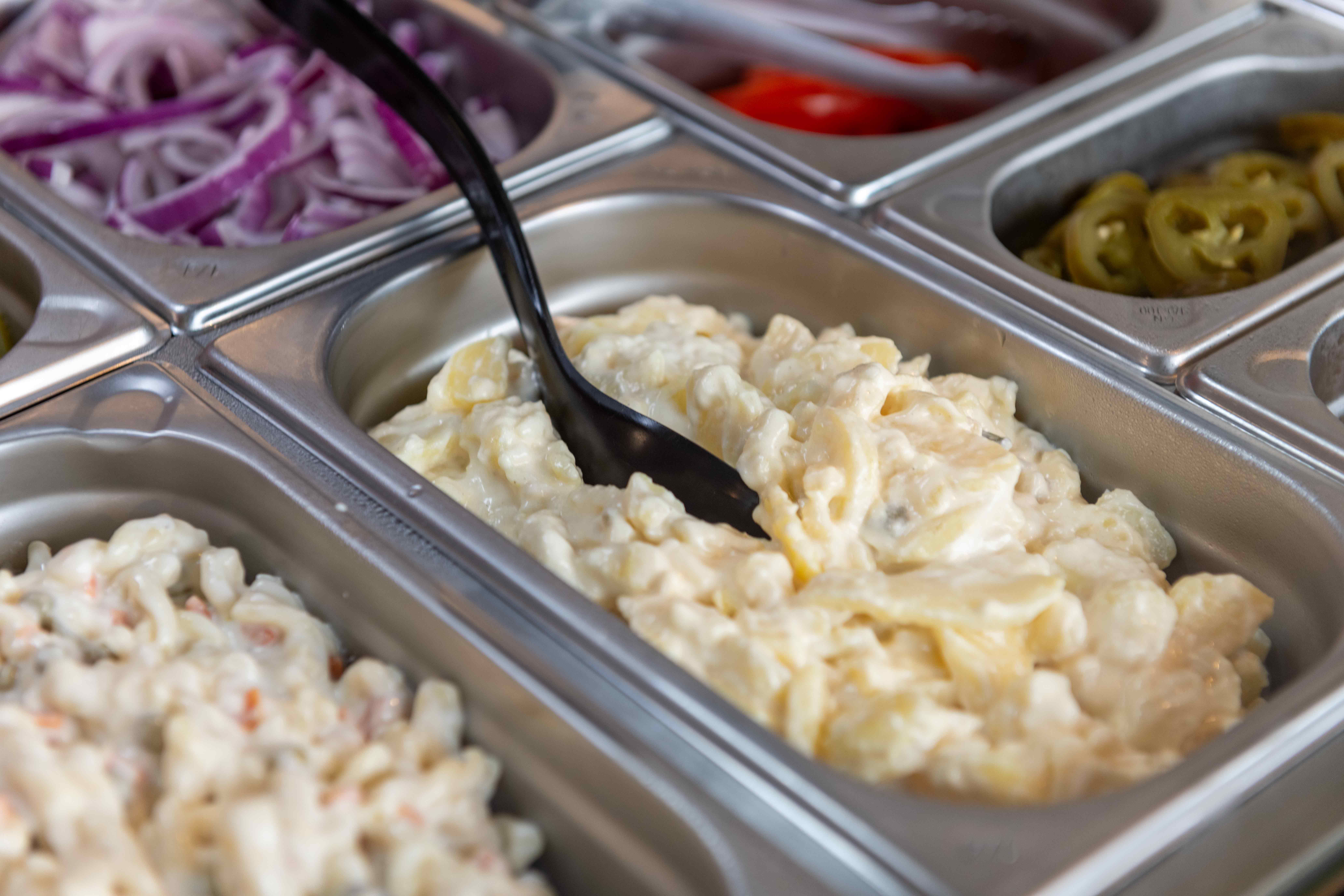
Cold deli sides can look comforting and easy, but he views them as one of the shakier bets in the store. Prepared salads like macaroni, potato, and coleslaw depend heavily on strict temperature control and quick turnover. When either slips, mayo-based foods can lose their appeal in a hurry, even before a shopper notices anything obviously wrong.
He also pointed to texture as a giveaway. These salads can become watery, gummy, or overly acidic after sitting too long. Because they are sold ready to eat, customers expect immediate quality, and that is not always a safe assumption. His rule is simple: if he wants a deli-style side, he would rather make a fresh batch at home.
Rotisserie chicken late in the day

Timing changes everything with rotisserie chicken, and he made that point right away. A fresh bird can be a solid convenience purchase, but one bought late in the day is a different story. The longer it sits in heated display equipment, the more the meat tends to dry out while the skin goes from crisp to rubbery.
He said shoppers often assume warm means fresh, but that is not always true. Depending on turnover, a chicken may have been under heat for quite a while before it lands in the cart. If he buys one, he does it when a new batch has just come out. Otherwise, he skips it and looks elsewhere for dinner.
Discounted meat nearing its sell-by date
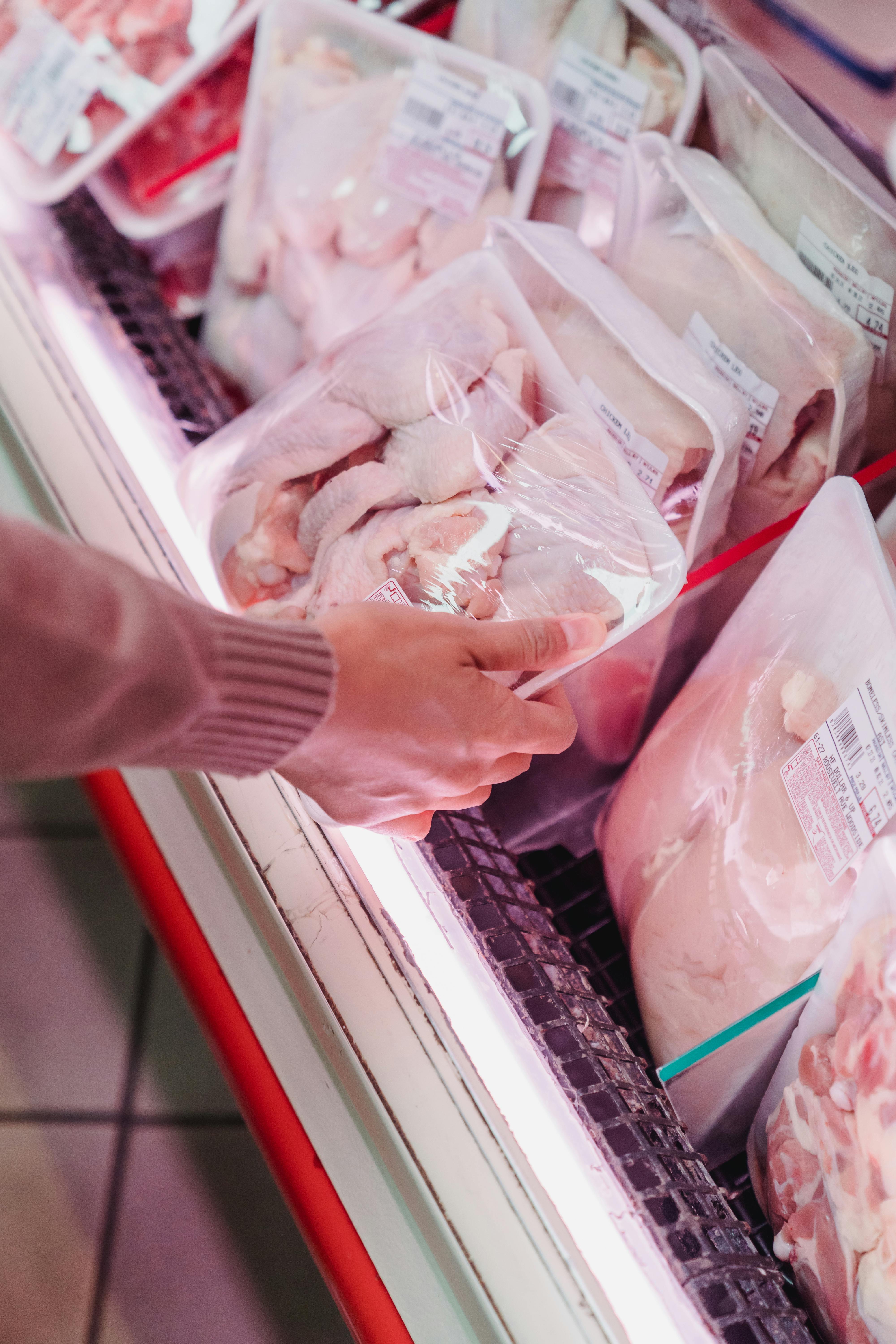
A markdown sticker can feel like a win, but he treats reduced-price meat with extra caution. Meat that is close to its sell-by date is not automatically unsafe, yet it leaves far less room for delays between checkout, transport, and cooking. That tighter timeline matters even more for shoppers who are not planning to cook it the same day.
He said appearance can also be misleading. Packaging may still look intact while the product inside is already losing freshness in smell, texture, or color stability. If the discount is steep, some shoppers will take the gamble. He prefers not to. For him, saving a few dollars is not worth second-guessing dinner once the package is opened at home.
Bagged salads with short shelf life

Bagged salad promises convenience, but it is one of the easiest grocery purchases to regret. He said leafy greens in sealed bags can turn quickly, especially if the cold chain has been interrupted at any point from distribution to stocking to the ride home. One day they look crisp, and the next they are slimy at the bottom.
He also brought up the simple value issue. A bag that spoils before it gets used is not a bargain, no matter how cheap it looked on the shelf. For shoppers who do not plan to eat it right away, whole heads of lettuce or sturdier greens often hold up better. That extra prep time can pay off in both freshness and fewer food scraps.
Frozen seafood from slow-moving sections
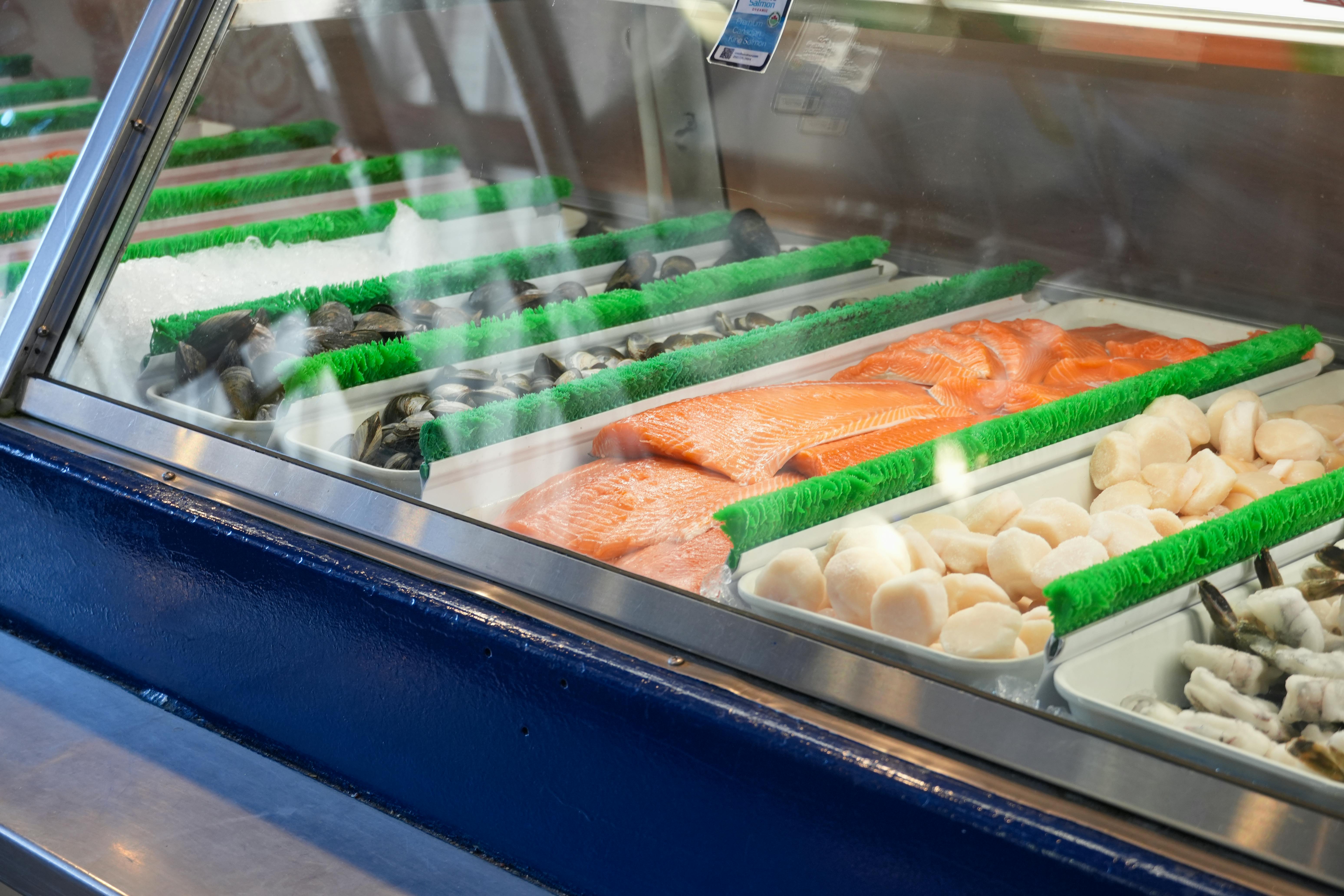
Seafood is one category where trust matters, and he is selective about where that trust goes. His concern with certain frozen seafood items is not just the product itself but how often the section seems to turn over. In a slower-moving freezer case, older inventory can linger, increasing the odds of freezer burn, dry texture, and flavor loss.
He said fish and shrimp are especially disappointing when they have been stored too long. The package may look perfectly fine, yet the cooked result can be bland, mushy, or oddly tough. Unless he is confident the item is a strong seller with regular restocking, he avoids it. For seafood, he would rather pay for freshness than settle for a mediocre freezer gamble.
Store-baked pastries made for long display

Bakery displays are designed to tempt, but he does not see every pastry as a fresh-from-the-oven treat. Items meant to sit out for extended display can lean heavily on sugar, glaze, or moisture-retaining ingredients to stay appealing. That may help appearance, but it does not always deliver the texture or flavor people expect from bakery goods.
He said the problem is usually staleness hiding in plain sight. Muffins can feel dense, cookies can lose their snap, and frosted pastries may taste sweeter than they taste fresh. If he wants a baked treat, he checks packaging dates closely and prefers products with faster turnover. Otherwise, he would rather buy from a bakery known for making smaller, more frequent batches.
Generic spice blends that sit too long

Spices do not spoil in the same way milk or meat does, but they absolutely fade, and that was his final warning. Large stores can carry plenty of seasoning blends that look affordable yet move slowly. Over time, exposure to air inside the container and simple age can dull the aroma that makes spices worth buying in the first place.
He said the biggest disappointment is buying a blend that tastes like dust instead of seasoning. Paprika loses brightness, garlic powder softens, and mixed rubs can become flat and muddled. Because spices are supposed to do heavy lifting in a dish, weak ones are a poor value even at a low price. He buys smaller amounts from brands and stores with steadier turnover.



Leave a Reply