
Walk through a Canadian grocery store and a lot of it looks familiar, until it suddenly doesn't. Between flavors, pantry staples, and snack aisle oddities, Canada has plenty of everyday foods that feel perfectly normal north of the border but surprisingly strange to many Americans. Here are 10 grocery store items Canadians regularly buy, love, and grow up with, along with why they stand out so much to U.S. shoppers.
Ketchup Chips

Few snacks capture Canada's flavor identity faster than ketchup chips. To Canadians, they are a standard convenience-store and grocery-store buy, with their bright red dust, tangy tomato taste, and salty finish. To many Americans, the idea sounds like a dare, not a classic chip flavor.
What makes them so surprising is that they do not taste exactly like bottled ketchup. The seasoning is usually a mix of tomato powder, vinegar, sugar, onion, and spices, which gives them a sharper, more layered flavor. Canadian chip brands helped turn them into a national favorite decades ago, and they have stayed popular enough to feel completely ordinary.
Americans can occasionally find limited releases, but in Canada they are an everyday shelf staple. That easy availability is part of what feels so strange across the border.
All-Dressed Chips

All-dressed chips are the flavor that often forces Americans to stop and read the bag twice. The name sounds vague, but the taste is anything but. In Canada, this is one of those familiar party snacks people buy without overthinking it, much like sour cream and onion or barbecue.
The flavor is usually described as a blend of barbecue, salt and vinegar, ketchup, and sour cream and onion notes. That combination creates a chip that is sweet, tangy, smoky, and savory all at once. It is a distinctly Canadian success story because it reflects a national fondness for layered, bold snack flavors rather than a single-note taste.
For Americans, the concept can seem chaotic. For Canadians, it just works, and that is exactly why it never feels unusual on a supermarket shelf.
Bagged Milk

Nothing makes an American shopper pause quite like seeing milk sold in plastic bags. In parts of Canada, especially Ontario and some eastern provinces, bagged milk is still a familiar household staple. It is not a novelty item. It is simply how many families buy their daily milk.
The system is straightforward. A larger outer bag contains several smaller sealed milk pouches, and people place one pouch into a reusable pitcher, then snip off a corner to pour. Supporters like the reduced packaging waste compared with rigid jugs and the practical storage format.
Bagged milk is also tied to regional habit and history, especially changes in metric packaging decades ago. Americans often see it as baffling, but for many Canadians it is as routine as buying bread and eggs.
Coffee Crisp

Coffee Crisp is one of those checkout-lane candy bars that barely raises an eyebrow in Canada but can completely confuse Americans. The name suggests a strong coffee flavor, which makes some people expect something bitter or overly adult. In reality, it is a light, layered wafer bar with a mild coffee taste covered in milk chocolate.
That gentle flavor is a big reason it became so widely loved. It delivers just enough coffee note to feel distinctive without becoming intense, and the crisp wafers keep it from feeling heavy. It has long been marketed as a casual, everyday treat rather than a niche specialty candy.
Americans who finally try one are often surprised by how subtle it is. The real oddity is not the taste. It is how normal this Canada-only classic feels to shoppers there.
Hawkins Cheezies

At first glance, Hawkins Cheezies look like an extra-crunchy version of American cheese puffs. One bite makes the difference obvious. These Canadian snacks are denser, harder, saltier, and far less airy than the puffed cheese snacks many Americans grew up with, and that texture can be a shock.
They are made from cornmeal and aged cheddar, and they are known for a crunch that feels almost rugged. Fans love that sturdier bite and the more pronounced cheese flavor, which comes across as sharper and less powdery than many U.S. versions. The brand has also built loyalty through its old-school identity and consistency.
To Canadians, they are a road-trip snack, lunchbox filler, and pantry regular. To Americans, they often feel like cheese puffs that took a very serious turn.
Swiss Chalet Sauce
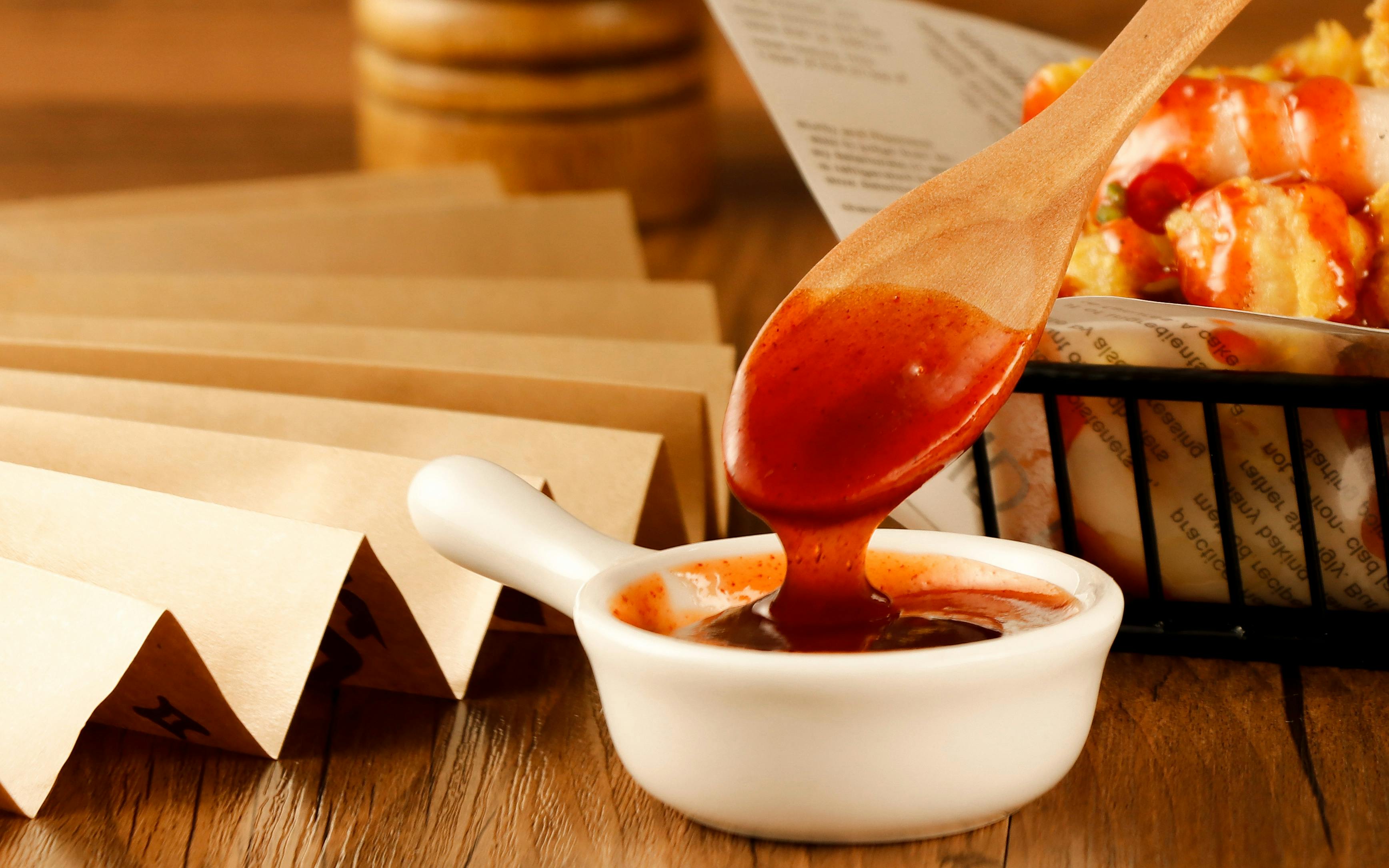
Some grocery items are strange not because of what they are, but because of how deeply people love them. Swiss Chalet sauce is a perfect example. Sold in packets and shelf-stable mixes, this savory dipping sauce is tied to the famous rotisserie chicken chain, and many Canadians keep it around at home.
The flavor is hard to pin down if you did not grow up with it. It is part gravy, part seasoned broth, with peppery, herbal, and slightly tangy notes. People use it for chicken, fries, stuffing, and even sandwiches, which can seem oddly specific to Americans who have never encountered it.
Its real power is nostalgia. In Canada, it is more than a restaurant condiment. It is a recognizable grocery staple with a cult following that makes perfect sense locally and very little sense elsewhere.
Montreal Steak Spice
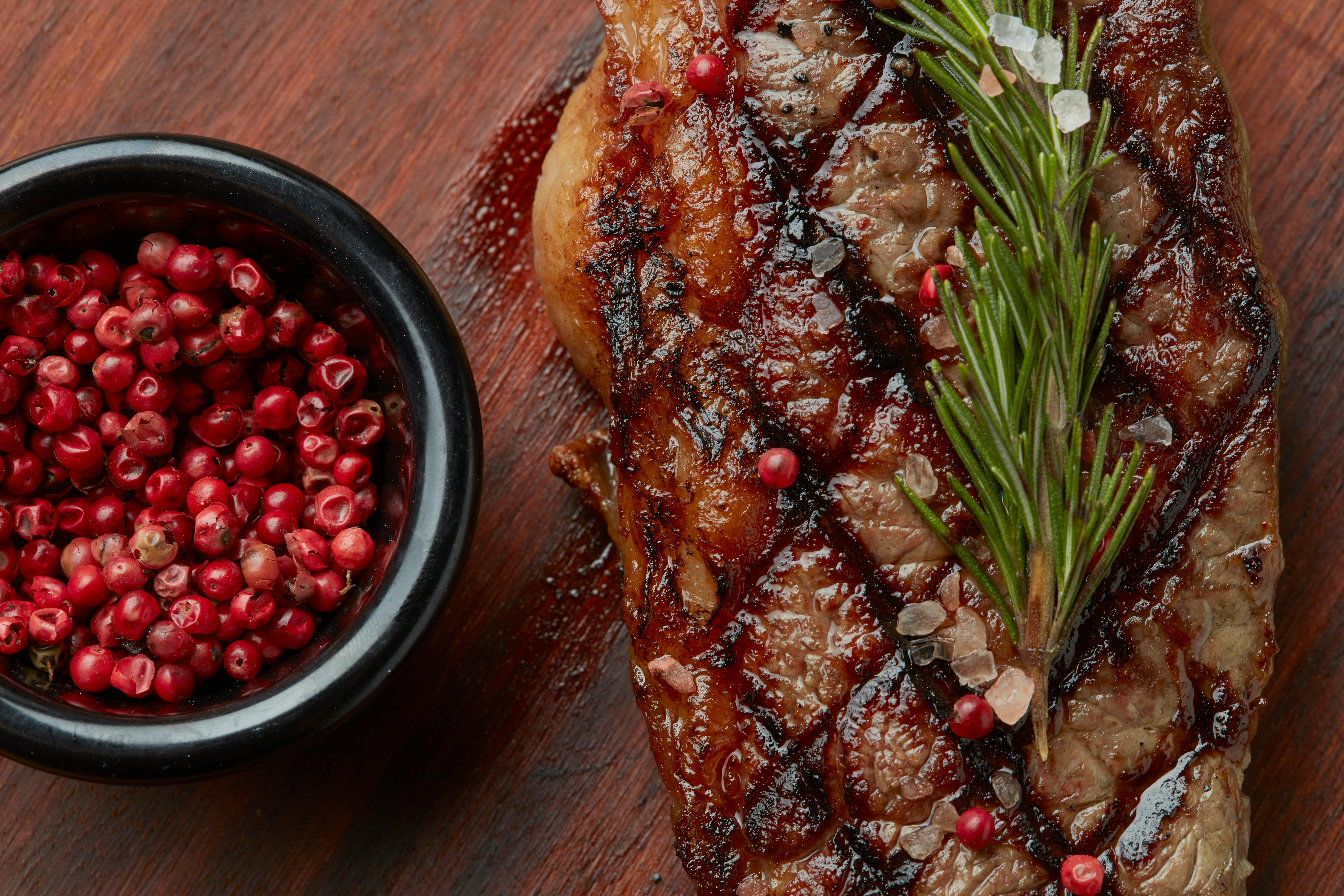
Americans are used to steak seasoning, but Montreal steak spice often feels unusually coarse, aggressive, and all-purpose when they first encounter it in Canada. There, it is not just for steaks. It is a pantry staple that lands on burgers, chicken, potatoes, vegetables, and even popcorn in some households.
The seasoning is typically built around cracked black pepper, garlic, coriander, dill, and large salt crystals. Its roots are often linked to Montreal deli traditions and the city's bold seasoning culture. That oversized texture is part of the appeal because it creates a visibly seasoned crust and a more intense bite.
For Americans, it can seem like too much happening in one shaker. For Canadians, it is a dependable shortcut to big flavor and one of the most normal spice blends in the cupboard.
Caesar Cocktail Mix

The Caesar is one of Canada's signature drinks, and the grocery store proof is easy to find in bottled cocktail mixes and clamato products. Americans who know the Bloody Mary often do a double take when they learn the Caesar usually includes clam-infused tomato juice. That one detail is enough to make it sound completely outlandish.
In Canada, though, it is mainstream. The drink's savory profile, usually mixed with vodka, hot sauce, Worcestershire, and celery salt, has made it a brunch fixture and a home bar staple. Grocery shelves reflect that popularity with ready-to-use mixers that are treated as routine purchases.
Even people who do not drink often recognize the Caesar as a cultural standard. To Americans, clam and tomato together can sound bizarre. To Canadians, it tastes like a classic.
Butter Tarts
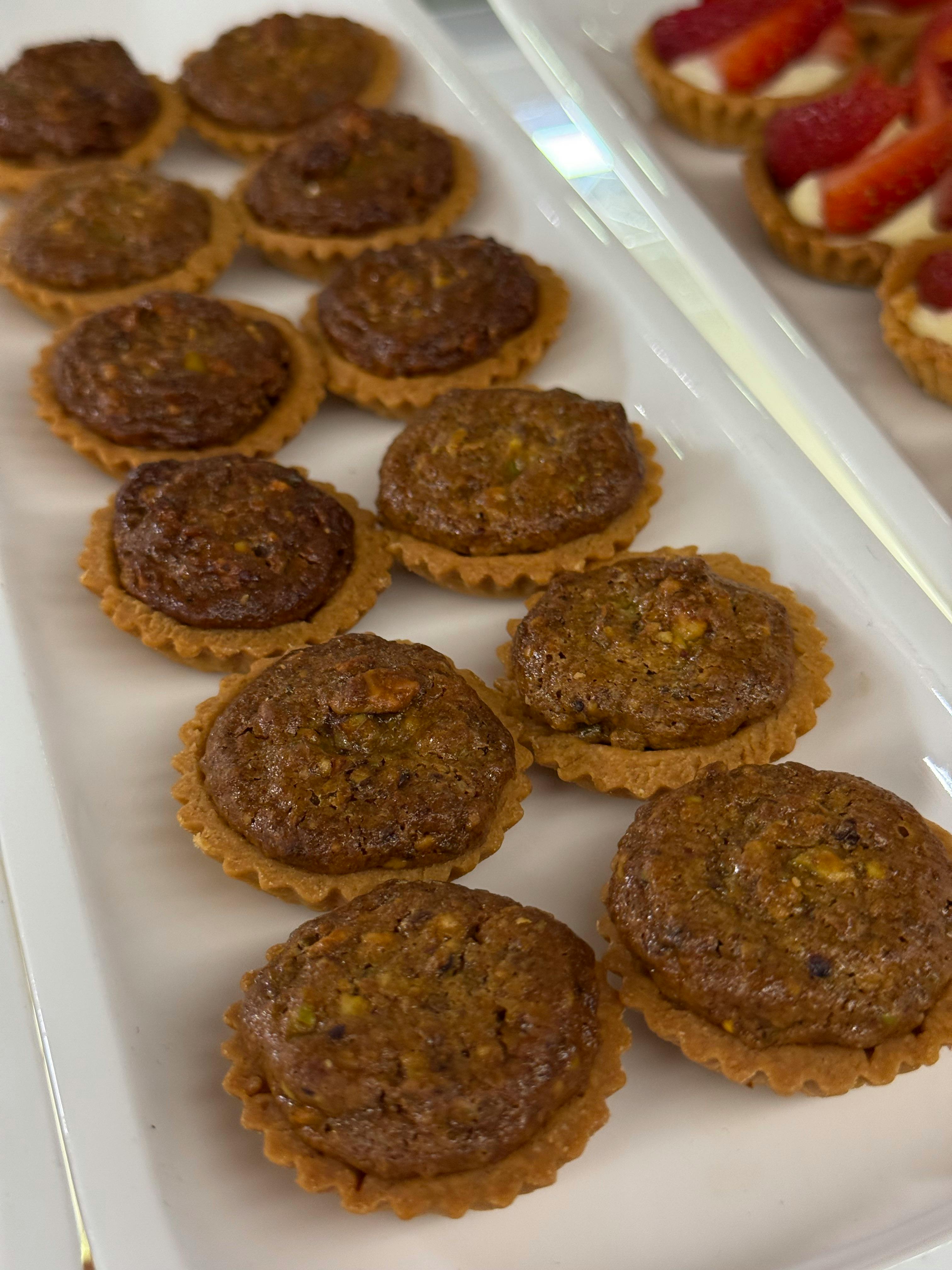
Butter tarts can look harmless in a bakery case, but many Americans are caught off guard by just how rich they are. In Canada, they are a familiar dessert sold in grocery bakeries, packaged pastry sections, and family-run shops. Their status is somewhere between a comfort food and a national treasure.
A traditional butter tart has a flaky shell filled with a sweet mixture of butter, sugar, syrup, and egg, baked until the center turns gooey or semi-set. Some versions include raisins or pecans, and Canadians have strong opinions on whether those additions improve or ruin the tart. That debate is part of the dessert's identity.
To Americans, they can read like mini pecan pies without the pecans, only sweeter and runnier. To Canadians, that sticky center is exactly the point.
Poutine Gravy and Cheese Curds

Poutine itself is better known in the U.S. than it once was, but the grocery-store culture around it still surprises many Americans. In Canada, shoppers can buy bags of fresh cheese curds and packaged poutine gravy as normal items, not just specialty ingredients for a restaurant copycat night.
That matters because authenticity depends on those components. Real poutine is built on hot fries, savory brown gravy, and cheese curds that soften while keeping a bit of their signature squeak. In many parts of Canada, especially Quebec, curds are common enough to be part of ordinary grocery shopping, and gravy mixes are marketed directly for poutine.
Americans may know the dish, but not always its everyday convenience. In Canada, the ingredients are accessible enough that poutine feels less like a food trend and more like a weeknight craving.




Leave a Reply