
Many Americans assume Canadian food looks a lot like their own, just with a few different brand names. Then they cross the border and discover gravy on fries, vinegar on fries, ketchup-flavored chips, and milk sold in bags. These traditions are rooted in climate, immigration, regional identity, and plain old habit, which is exactly what makes them so memorable.
Poutine as Everyday Comfort Food
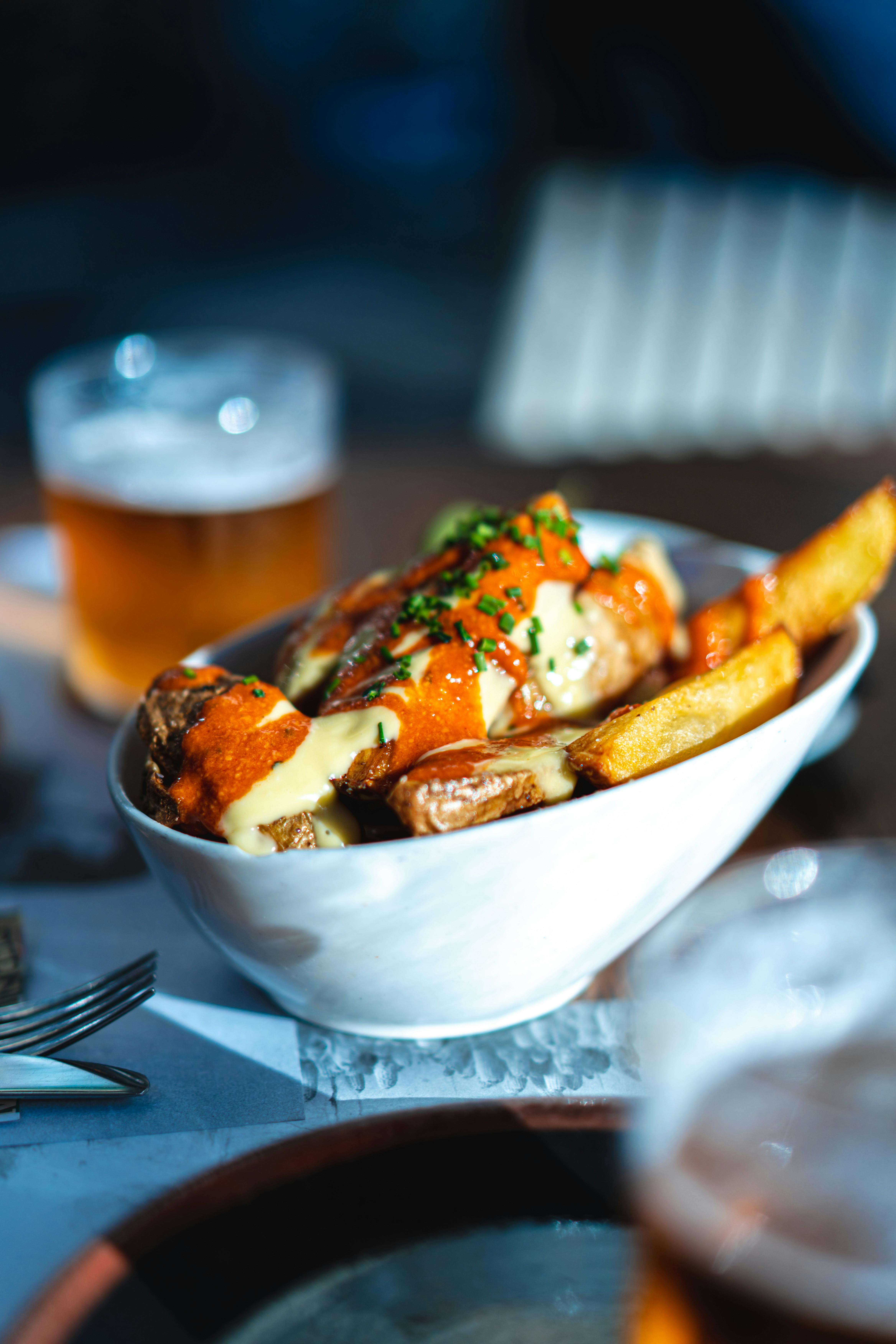
To many Americans, poutine looks like a novelty item you order once for the story. In Canada, especially in Quebec, it is far more ordinary than that. It is a staple late-night meal, a casse-croûte classic, and a comfort food people grow up with rather than dare each other to try.
Real poutine depends on specific textures. The fries should stay crisp, the gravy should be hot and savory, and the cheese curds should be fresh enough to squeak. That balance is why Canadians often have strong opinions about what counts as the real thing.
Its everyday status is what surprises visitors most. You can find it at roadside snack bars, hockey arenas, diners, and fast-food chains, which says everything about how deeply it belongs to daily life.
Ketchup Chips Are a National Habit
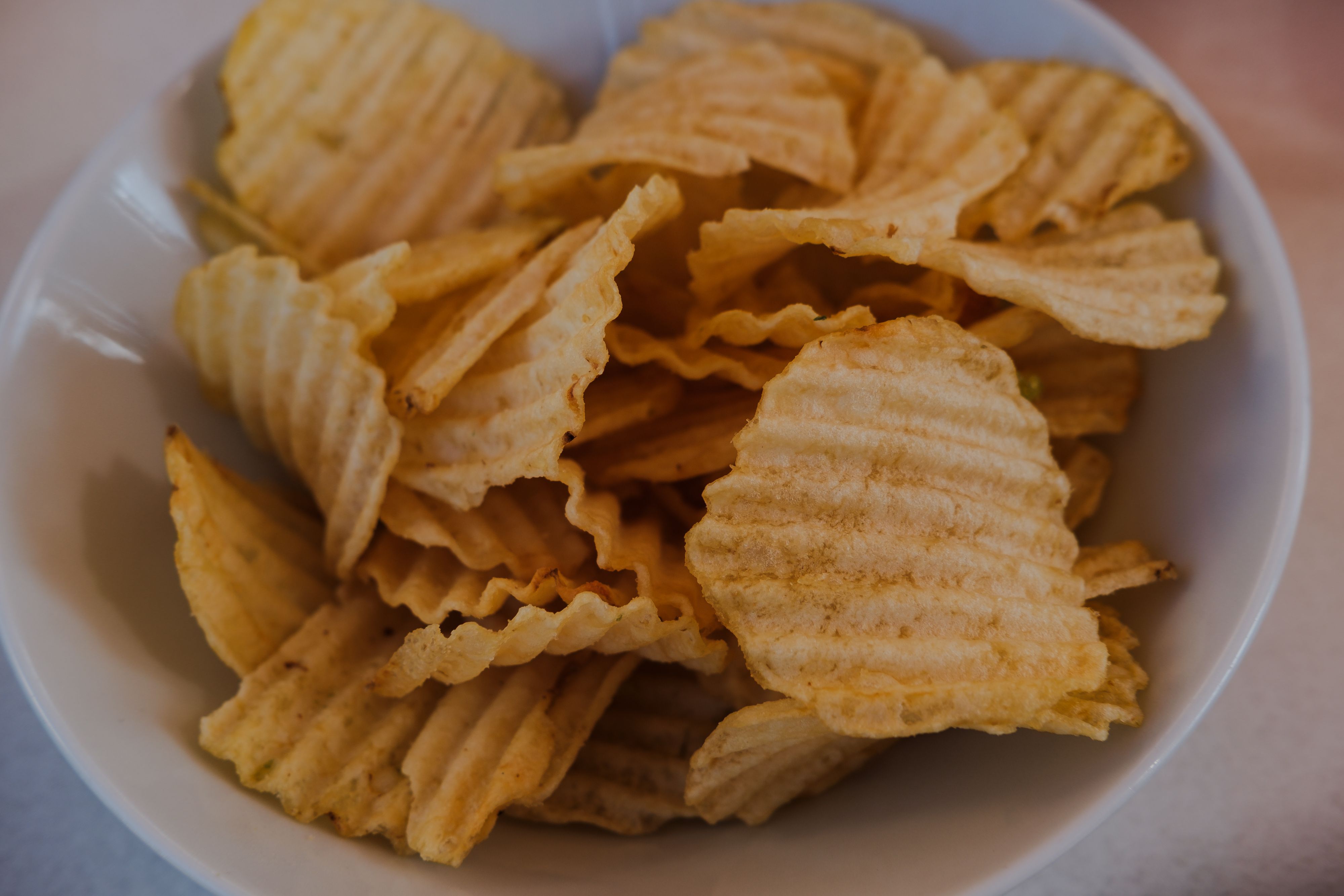
The first surprise is not the color but the devotion. Ketchup chips are one of those flavors many Canadians barely think twice about, yet Americans often react with total disbelief. The sweet, tangy, tomato-and-vinegar profile feels unusual at first, but in Canada it has long been a mainstream snack aisle staple.
Their appeal comes from balance. They are salty, sharp, slightly sweet, and messy enough to stain your fingers bright red, which is part of the experience. For many Canadians, they carry the same nostalgic pull that barbecue or sour cream and onion might have elsewhere.
Americans are often shocked that a flavor they associate with a burger topping became a chip icon. Canadians, meanwhile, are usually surprised this classic never fully crossed the border.
Milk in Bags Still Makes Perfect Sense

Few grocery-store sights confuse Americans faster than bagged milk. In parts of Canada, especially Ontario and the Maritimes, milk is commonly sold in larger bags containing three smaller pouches, each meant to be snipped and placed in a reusable pitcher. It looks odd to outsiders, but the system is practical once you use it.
Bagged milk became popular in part because packaging changes during metric conversion made flexible plastic appealing and efficient. It can use less material than rigid jugs, stores well in the fridge, and is familiar to generations of shoppers.
What shocks Americans is not just the bag itself but how normal it is. For many Canadian households, pouring milk from a clipped pouch is simply part of breakfast.
Butter Tarts Inspire Fierce Loyalty

A butter tart may look modest, but Canadians treat it like serious business. This small pastry shell filled with a rich mixture of butter, sugar, syrup, and egg is one of the country's best-loved desserts. Americans often expect something closer to pecan pie, then discover a treat with its own texture, flavor, and fan base.
The big debate is whether raisins belong inside. Some insist they are essential, while others argue a plain filling is the purest version. There are also variations with nuts, but the core appeal is the gooey center that can range from barely set to gloriously runny.
Its homemade feel is part of the charm. Butter tarts show up in bakeries, church sales, family gatherings, and small-town festivals, which gives them a loyal following far beyond the dessert table.
Nanaimo Bars Need No Baking at All

Americans are often surprised that one of Canada's signature sweets is a layered bar with no baking required. Named after Nanaimo, British Columbia, this dessert stacks a crumbly chocolate-coconut base, a custard-flavored middle, and a glossy chocolate top. It is rich, tidy-looking, and much denser than first-time eaters usually expect.
The magic is in the contrast. The base is chewy and textured, the center is soft and sweet, and the top snaps when chilled properly. Because it is made in a pan and cut into squares, it became a reliable favorite for holidays, potlucks, and community events.
For Americans used to cookies and brownies dominating dessert trays, Nanaimo bars feel delightfully unfamiliar. Canadians tend to see them as a standard offering that needs no explanation at all.
Tourtière Is Holiday Tradition on the Table

At first glance, tourtière can look like just another meat pie. In Canada, especially in Quebec and French Canadian households, it carries a deeper cultural role. It is strongly tied to holiday meals, family gatherings, and inherited recipes, which gives it an importance that often surprises American guests.
The filling varies by region and family. Some versions use pork, others mix meats such as beef or veal, and seasoning can include warming spices like clove, cinnamon, or allspice. That subtle sweetness against savory meat is one reason the pie tastes distinct from many American meat pies.
Tourtière is less about flash than memory. It is the kind of dish people argue about lovingly, defend fiercely, and expect to see when celebrations begin.
Peameal Bacon Is Not What Americans Expect

When Americans hear the word bacon, they usually picture crispy strips from pork belly. Peameal bacon is something else entirely. Made from lean pork loin that is cured and rolled in cornmeal, it is juicy, round-sliced, and often served on a bun, especially in Toronto, where it has become a signature bite.
Its name confuses people because the coating was historically yellow pea meal before cornmeal became common. The result is much less fatty than streaky bacon, with a texture closer to ham but a flavor profile all its own. It is typically sliced thick and cooked on a griddle.
What surprises visitors most is the identity gap. Canadians call it bacon without hesitation, while Americans often need a second explanation before they understand what is on the plate.
Montreal Bagels Follow Their Own Rules

Americans familiar with New York bagels are often caught off guard by the Montreal version. It is smaller, thinner, denser, sweeter, and usually baked in a wood-fired oven after being boiled in honey-sweetened water. That process gives it a glossy exterior and a distinct chew that feels immediately different.
The two classic varieties are sesame and poppy seed, and both are often sold still warm from the oven. Because the hole is larger and the dough is hand-rolled, the shape is less uniform than many commercial American bagels. That irregularity is part of the appeal, not a flaw.
For Canadians, especially in Montreal, bagels are not simply breakfast bread. They are a neighborhood ritual, a source of city pride, and one more reminder that familiar foods can develop very different traditions.
Hawkins Cheezies Have a Cult Following

Americans often assume cheesy corn snacks are basically universal until they meet Hawkins Cheezies. Made in Canada for decades, these crunchy, irregular sticks are denser, harder, and more intensely cheesy than many puffed snacks sold in the United States. They feel old-school because they are, and fans love them for exactly that reason.
Their texture is the first thing newcomers notice. They crunch loudly, leave bright orange dust behind, and taste sharper and less airy than standard cheese puffs. The recipe's consistency over time has helped turn them into a nostalgic favorite that spans generations.
What surprises Americans is how passionate Canadians can be about a snack food that is not polished or trendy. Hawkins Cheezies endure because they never tried to be anything other than themselves.
Fries Often Come with Vinegar by Default
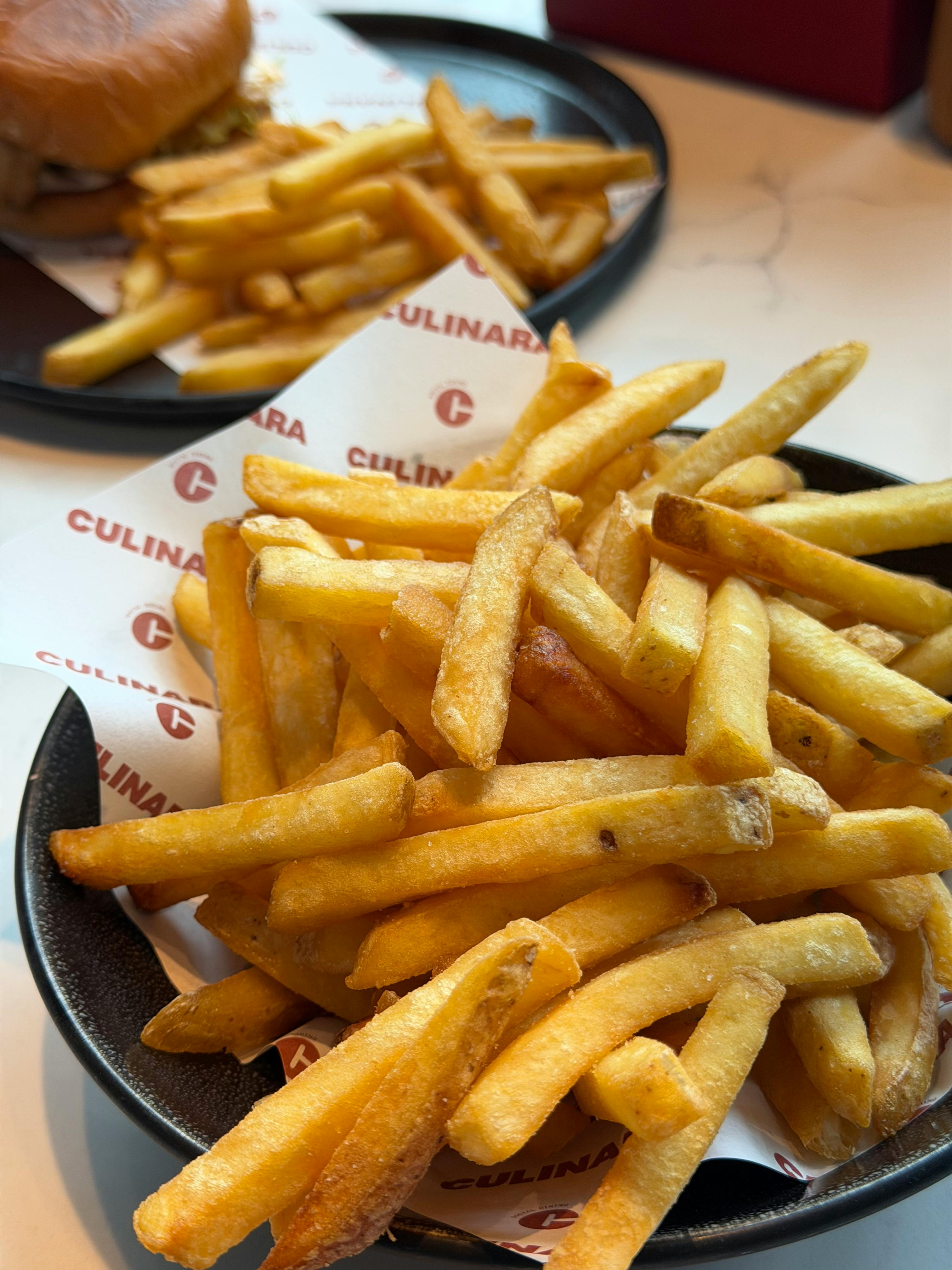
Many Americans reach for ketchup when fries hit the table. In Canada, especially in diners, chip stands, and fish-and-chip shops, malt vinegar is a common first move. That little shake of acidity can be surprisingly startling if you did not grow up with it, but for many Canadians it is the flavor that makes fries feel complete.
The tradition reflects British culinary influence and works particularly well with thicker-cut fries and battered fish. Vinegar cuts through grease, brightens the potato, and adds a sharpness that ketchup cannot replicate. In some places, it is so expected that the bottle is already sitting on the table.
This habit catches American visitors because it feels both simple and unfamiliar. One taste usually explains why the custom has lasted so long.




Leave a Reply