
Most unhealthy eating habits are not dramatic. They are routine choices that feel normal, convenient, or harmless until they start adding up. This gallery breaks down 10 common patterns seen across America, why they matter, and how they can affect everything from weight and blood sugar to heart health and digestion.
Drinking calories without realizing it

One of the easiest ways to overdo sugar and calories is to drink them. Soda, sweet tea, energy drinks, fancy coffee beverages, fruit punches, and even some smoothies can pack a surprising amount of added sugar without making you feel full the way solid food does.
That matters because liquid calories are easy to consume quickly and often. Research has linked sugary drinks with weight gain, type 2 diabetes, fatty liver disease, and tooth decay. In the U.S., sugar-sweetened beverages remain a major source of added sugars for both adults and kids.
The habit feels small, but a daily drink can quietly become hundreds of extra calories a week.
Relying too heavily on ultra-processed foods

Convenience has become a defining part of the American diet. Packaged snacks, frozen meals, fast food, sweetened cereals, processed meats, and shelf-stable desserts are designed to be tasty, cheap, and easy, but they are often high in sodium, added sugars, refined starches, and unhealthy fats.
Ultra-processed foods can crowd out more nourishing options like beans, vegetables, fruit, whole grains, nuts, and fish. Studies have associated high intake with obesity, high blood pressure, heart disease, and poorer overall diet quality.
The issue is not one granola bar or frozen pizza. It is when these foods become the foundation of daily eating.
Skipping breakfast and then overeating later
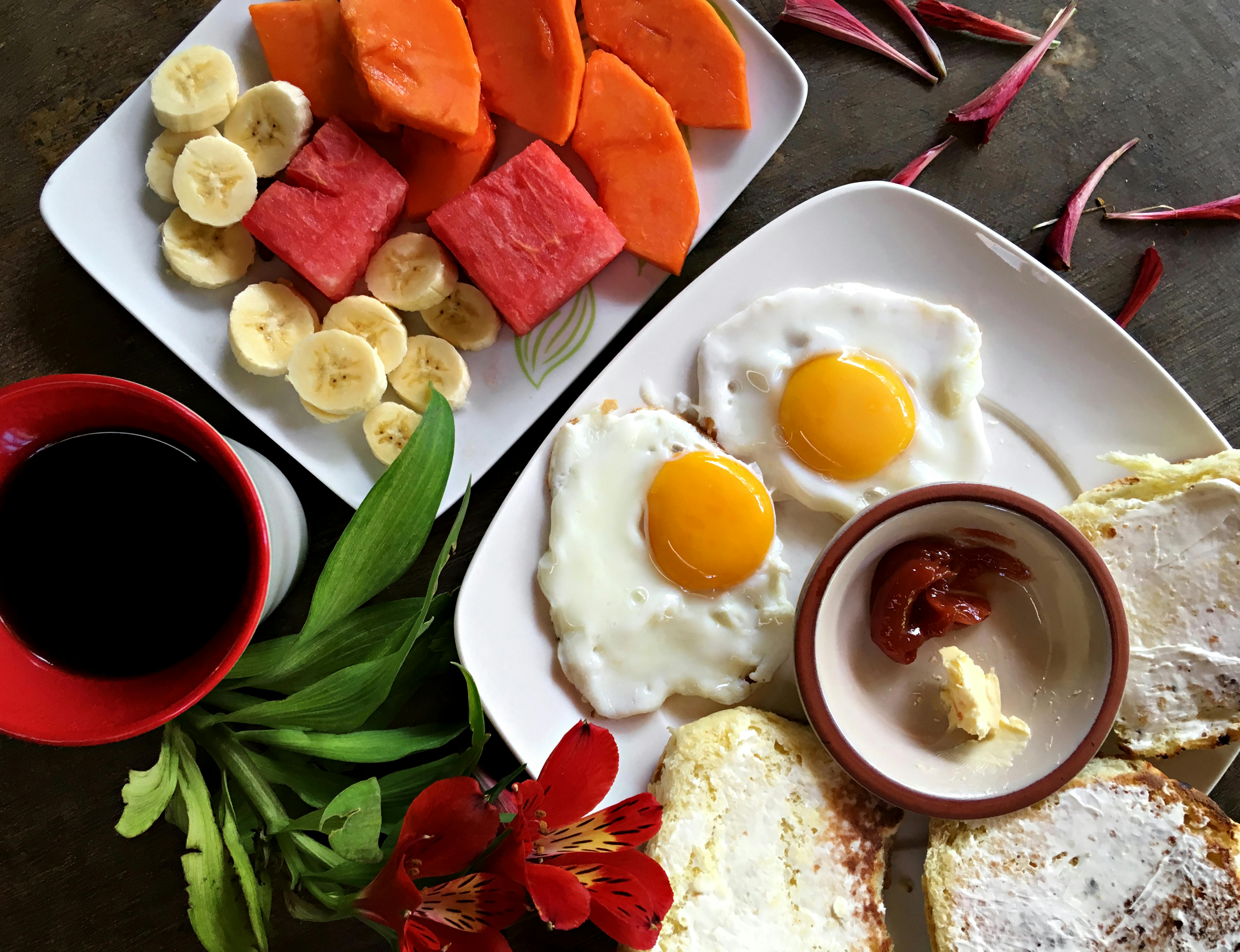
For many people, breakfast is the first thing to go on a busy morning. The problem is not that everyone must eat at dawn, but that skipping an early meal often leads to intense hunger, poor food choices, and larger portions later in the day.
When people go too long without eating, they may reach for refined carbs, vending machine snacks, or oversized takeout at lunch or dinner. That swing from under-eating to over-eating can make energy and blood sugar feel erratic.
Breakfast does not need to be elaborate. A simple mix of protein, fiber, and healthy fat can help steady appetite and prevent the all-day catch-up cycle that derails eating habits.
Eating too fast

This is the habit that surprises a lot of people because it is not about what is on the plate. It is about pace. Eating quickly can make it harder for the brain and gut to register fullness, which means people often consume more before they realize they are satisfied.
Fast eating is also tied to modern life. Drive-thru meals, desk lunches, long commutes, and constant multitasking encourage people to inhale food instead of actually tasting it. That can lead to bigger portions, indigestion, and less satisfaction after a meal.
Slowing down gives the body time to send hunger and fullness signals. Even a few extra minutes can change how much you eat.
Treating giant portions as normal

Portion distortion has become deeply baked into American food culture. Restaurant entrees, combo meals, giant muffins, oversized burritos, and family-size snack bags can make inflated serving sizes feel ordinary, even when they contain far more than one meal's worth of calories.
People tend to eat what is in front of them, especially when food is marketed as a deal. Larger portions can drive excess intake of sodium, saturated fat, and refined carbohydrates without much thought. Over time, the body starts seeing these bigger amounts as standard.
This habit is tricky because it does not feel indulgent anymore. It just feels normal, which is exactly why it can be so hard to spot.
Snacking mindlessly all day

Snacking is not automatically unhealthy. In fact, it can be helpful when it bridges a long gap between meals. The trouble starts when snacks become constant, distracted eating driven by boredom, stress, screens, or sheer availability rather than true hunger.
Chips by the couch, candy in the office, crackers from the pantry, and handfuls grabbed while cooking can add up fast. These foods are often energy-dense and low in fiber or protein, so they do little to keep you full.
Because the habit feels casual, people often underestimate how much they eat. A few bites here and there can become a meaningful chunk of the day's calories before dinner even begins.
Not eating enough fruits and vegetables

Sometimes the worst eating habit is not about excess. It is about what is missing. Many Americans fall short on fruits and vegetables, which means they also miss out on fiber, potassium, antioxidants, and a wide range of vitamins that support heart health, digestion, and immune function.
When produce is absent, meals are more likely to lean heavily on refined grains, processed meats, cheese, and packaged sides. That can leave diets low in volume and nutrients but high in calories, sodium, and saturated fat.
A plate does not need to look perfect to improve. Adding produce consistently can help crowd out less nourishing foods and improve overall diet quality in a very practical way.
Eating late at night out of habit

Late-night eating is often less about hunger and more about routine. It can show up after a long day, during streaming marathons, or as a reward once the house gets quiet. The foods chosen at that hour also tend to be more indulgent, salty, sugary, or oversized.
For some people, eating heavily close to bedtime can worsen reflux, disrupt sleep, and add calories that are not needed. It may also reflect a day of under-eating, stress, or irregular meal timing rather than a true nutritional need.
The issue is not a planned evening snack. It is the repeated pattern of eating because the clock says so, not because the body does.
Choosing refined grains over whole grains most of the time
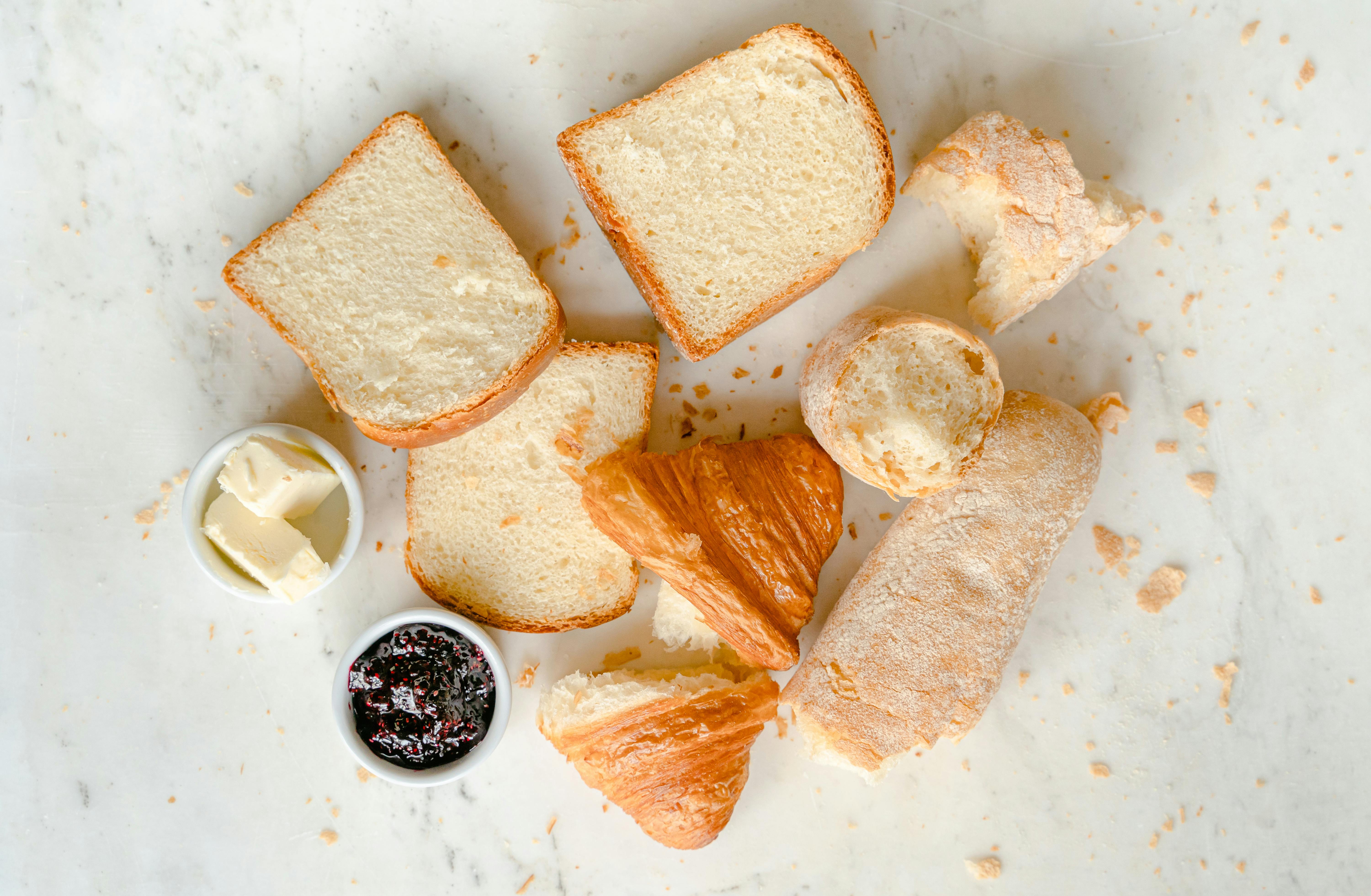
White bread, white rice, regular pasta, pastries, crackers, and many breakfast cereals are staples in American eating patterns. Refined grains are not evil, but when they dominate the diet, people often miss the fiber and nutrients naturally found in whole grains.
Whole grains such as oats, brown rice, quinoa, whole wheat, and barley can support better digestion, steadier blood sugar, and heart health. Diets richer in whole grains have been linked with lower risk of cardiovascular disease and type 2 diabetes.
The concern is frequency. When nearly every grain choice is refined, meals may be less filling and easier to overeat, especially when paired with sugar or highly processed toppings.
Using food as the main response to stress

Stress eating is one of the most human habits on this list. Food can offer comfort, distraction, and a quick burst of pleasure, especially when life feels overwhelming. The problem is that chronic stress often pushes people toward highly palatable foods rich in sugar, salt, and fat.
That pattern can become self-reinforcing. Stress increases cravings, comfort foods provide temporary relief, and the underlying pressure remains. Over time, this can affect weight, blood sugar control, and the emotional relationship people have with eating.
No one eats perfectly under pressure. But when food becomes the default coping tool, it can mask what the body and mind actually need, whether that is rest, support, movement, or routine.



Leave a Reply