
Canada's food culture is being rewritten in dining rooms, bakeries, test kitchens, and community spaces across the country. These women chefs are not just serving memorable meals; they are setting new standards for sustainability, storytelling, technique, and representation. From fine dining to deeply personal regional cooking, their work shows how modern Canadian food can be both globally aware and rooted in place.
Susur Lee

Few chefs have shaped Toronto's modern dining identity as visibly as Susur Lee, whose long career has influenced a generation of cooks across Canada. Born in Hong Kong and based in Toronto for decades, she became known for bringing together French technique, Chinese flavors, and an instinct for bold presentation long before fusion became a marketing term.
Her restaurants helped expand what Canadians expected from upscale dining. Dishes that mixed luxury ingredients with familiar Asian references made the city's restaurant scene feel more international and more confident.
Just as important is her wider cultural reach. Through television, mentorship, and family-led ventures, Lee has shown how a chef can be both a serious culinary force and a public ambassador for a more inclusive Canadian palate.
Lynn Crawford
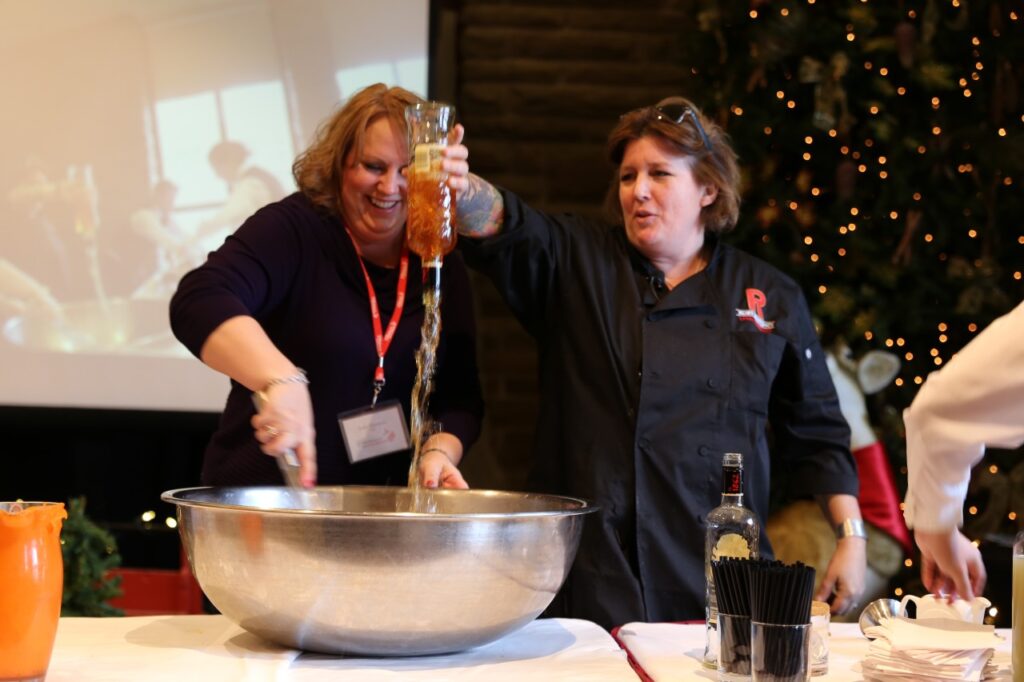
Warmth is part of Lynn Crawford's signature, but so is serious culinary credibility. Trained in classical kitchens and known widely through television, she helped bring restaurant cooking into Canadian homes in a way that felt polished without being intimidating.
At Ruby Watchco in Toronto, Crawford built a restaurant that celebrated market-driven cooking and the joy of gathering. Her approach made seasonal ingredients feel central rather than decorative, and she gave diners a relaxed way to connect with carefully executed food.
Her influence reaches beyond one dining room. As an author, host, and advocate for Canadian producers, Crawford has helped turn local sourcing from a niche idea into something many diners now expect as standard.
Anna Olson
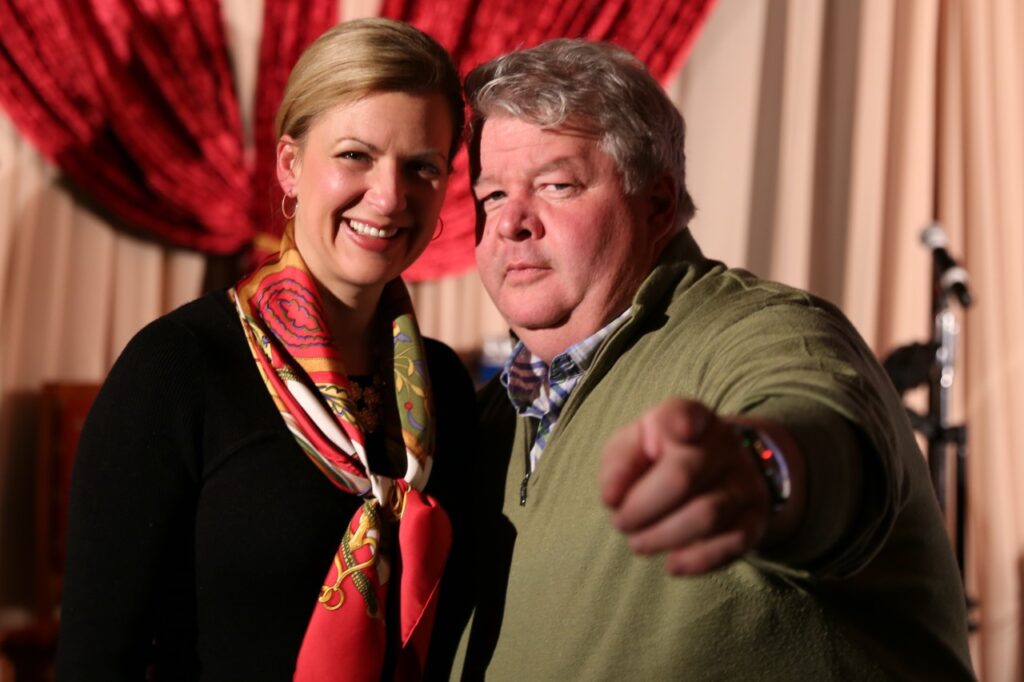
In Canada's pastry world, Anna Olson has become a trusted voice by making precision feel approachable. Known to many through television and cookbooks, she has played a major role in teaching Canadians that baking is both a craft and a form of everyday pleasure.
Olson's professional background in pastry gave her authority, but her style is what broadened her impact. She explains technique clearly, respects the science of baking, and still leaves room for comfort, nostalgia, and home kitchen realities.
That combination matters more than it may seem. By helping people understand desserts, breads, and pastries with confidence, she has strengthened Canada's wider food culture and expanded appreciation for pastry as a serious culinary discipline.
Connie DeSousa

Calgary's restaurant scene became harder to overlook thanks in part to Connie DeSousa, whose work put Alberta ingredients and western hospitality in sharper focus. As co-chef and co-owner of Charcut and later other ventures, she helped define a style of cooking that felt urban, ingredient-led, and proudly local.
DeSousa's menus often highlighted the strength of prairie products, from beef to root vegetables, without falling into clichés about rustic food. There was polish on the plate, but also a sense of place that diners could immediately recognize.
Her leadership also matters. In a business still working toward greater equity, DeSousa has stood out as a restaurateur who proved that ambitious, large-scale restaurant success in Western Canada can be built with both personality and discipline.
Meeru Dhalwala

Meeru Dhalwala changed the conversation around Indian food in Canada by refusing to flatten it into a few familiar dishes. Through Vij's and later Rangoli in Vancouver, she brought regional depth, careful spice work, and a more nuanced understanding of Indian cuisine to mainstream Canadian diners.
Her cooking showed that Indian food could be elegant, inventive, and deeply rooted in tradition all at once. Lamb popsicles may have become iconic, but the broader achievement was educating diners about complexity, balance, and the range of Indian culinary identities.
Dhalwala also helped shift how immigrant cuisines are valued in Canada. She made it harder for people to dismiss them as casual or secondary, and easier to recognize them as central to the country's culinary future.
Andrea Carlson

Andrea Carlson's influence is easiest to see in the details. At Vancouver's Burdock & Co, she built a restaurant philosophy around hyper-seasonality, low-waste practices, and close relationships with growers, helping define what thoughtful West Coast dining can look like today.
Her food tends to be refined without feeling distant. Vegetables, grains, and carefully sourced proteins are treated with equal respect, which has made her one of the clearest voices for sustainability in Canadian fine dining.
Recognition has followed, including major national awards, but the bigger story is her example. Carlson has shown that environmental values do not need to sit beside restaurant cooking as an afterthought. They can be the foundation of the entire experience.
Robynne Maii

A strong sense of place defines Robynne Maii's cooking, and that has made her one of the most important culinary figures in Newfoundland and Labrador. At The Merchant Tavern in St. John's, she has helped spotlight local seafood, preserved traditions, and a modern Atlantic sensibility that feels both current and grounded.
Maii's food is thoughtful rather than flashy. She understands how to let regional ingredients speak for themselves, whether through careful technique, restraint, or a clever reinterpretation of something familiar.
Her national recognition has also mattered symbolically. It reminded the wider country that innovation in Canadian food is not limited to Toronto, Montreal, or Vancouver. Important culinary change is happening on the East Coast too, and diners are paying attention.
Dominique Dufour

Montreal's pastry scene has long had global ambition, and Dominique Dufour helped sharpen that reputation. As founder of cookie and dessert brand Félix & Norton and a trained pastry chef with a broad professional background, she brought French-informed technique into products that reached a wide public.
What makes Dufour notable is her ability to bridge craftsmanship and scale. She understood that pastry could be precise and high quality while still being accessible enough to become part of everyday indulgence for busy urban consumers.
That kind of influence often gets underestimated. When a chef helps define what quality desserts look like for an entire city, she changes taste habits, retail expectations, and the public's understanding of what professional pastry can be.
Christa Bruneau-Guenther

Christa Bruneau-Guenther brings a perspective to Canadian food that feels urgent, personal, and overdue. As a Métis chef and founder of Feast Café Bistro in Winnipeg, she has helped place Indigenous ingredients, stories, and hospitality at the center of the dining conversation rather than at its margins.
Her cooking reflects both comfort and cultural reclamation. Bannock, bison, wild rice, and other ingredients become more than menu items in her hands. They act as connections to history, identity, and community memory.
That work has ripple effects beyond the restaurant itself. Bruneau-Guenther is part of a larger movement that is changing how Canadians understand the land, food sovereignty, and the essential place of Indigenous culinary knowledge in the national story.
Jennifer Emilson
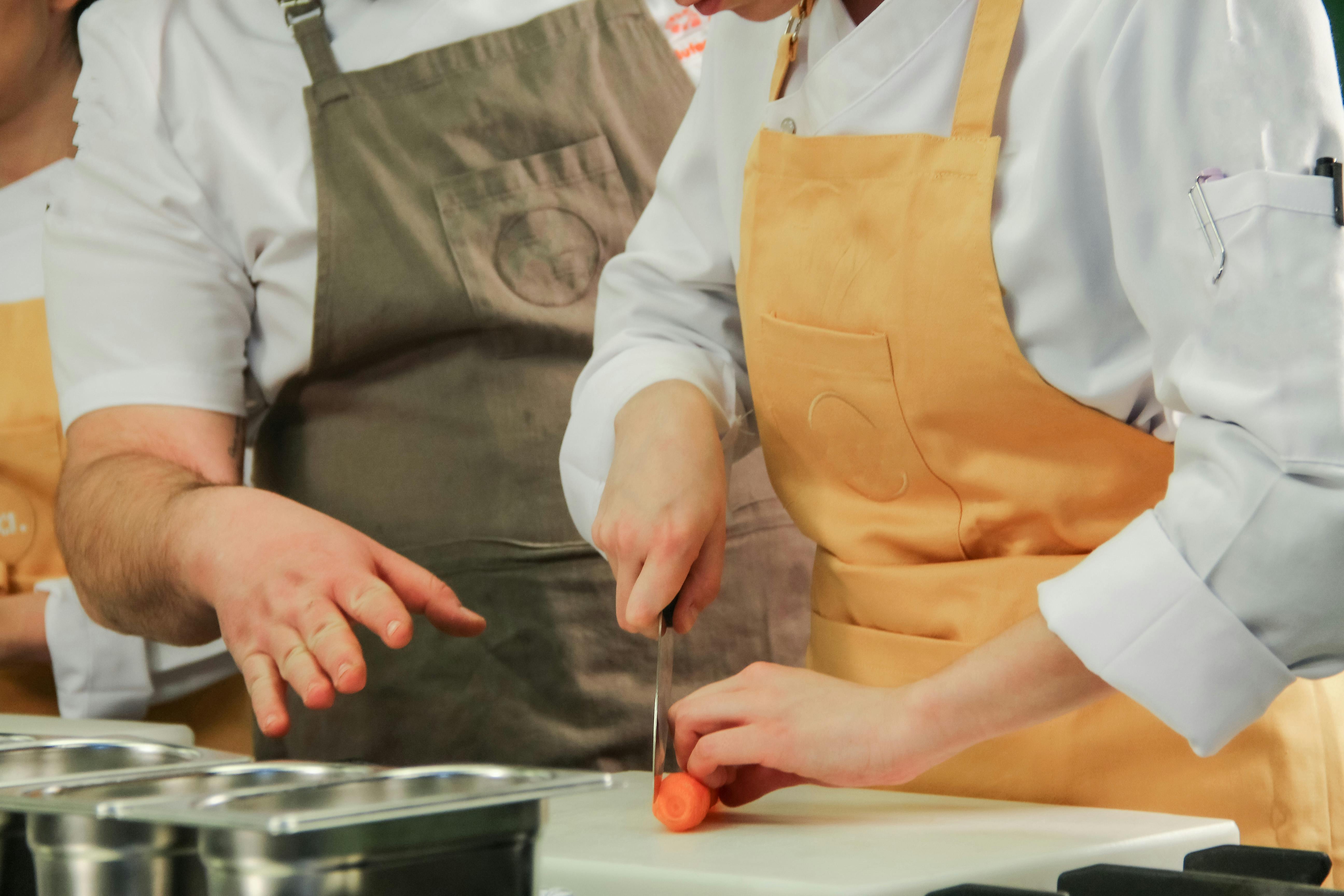
Education can transform a food scene just as powerfully as a restaurant, and Jennifer Emilson's career proves it. Based in Ontario and known for her work as a chef instructor and culinary leader, she has helped train young cooks while advocating for higher standards, sharper technique, and stronger professional pathways.
Emilson's influence is often felt indirectly, through the students and kitchens she has shaped. That kind of impact may be less visible than television fame, but it is essential to the long-term health of Canada's culinary industry.
She also represents a broader shift in how culinary leadership is recognized. The chefs changing Canada's food scene are not only the ones on magazine covers. They are also the mentors building the next generation from the ground up.




Leave a Reply