
Drinks often tell the story of an era just as clearly as music, fashion, or film. From speakeasy classics to wellness-forward sips, each decade had a beverage that captured what people wanted in that moment. This gallery traces the most famous drinks from the 1920s to now, showing how changing tastes, technology, and culture ended up in the glass.
Martini
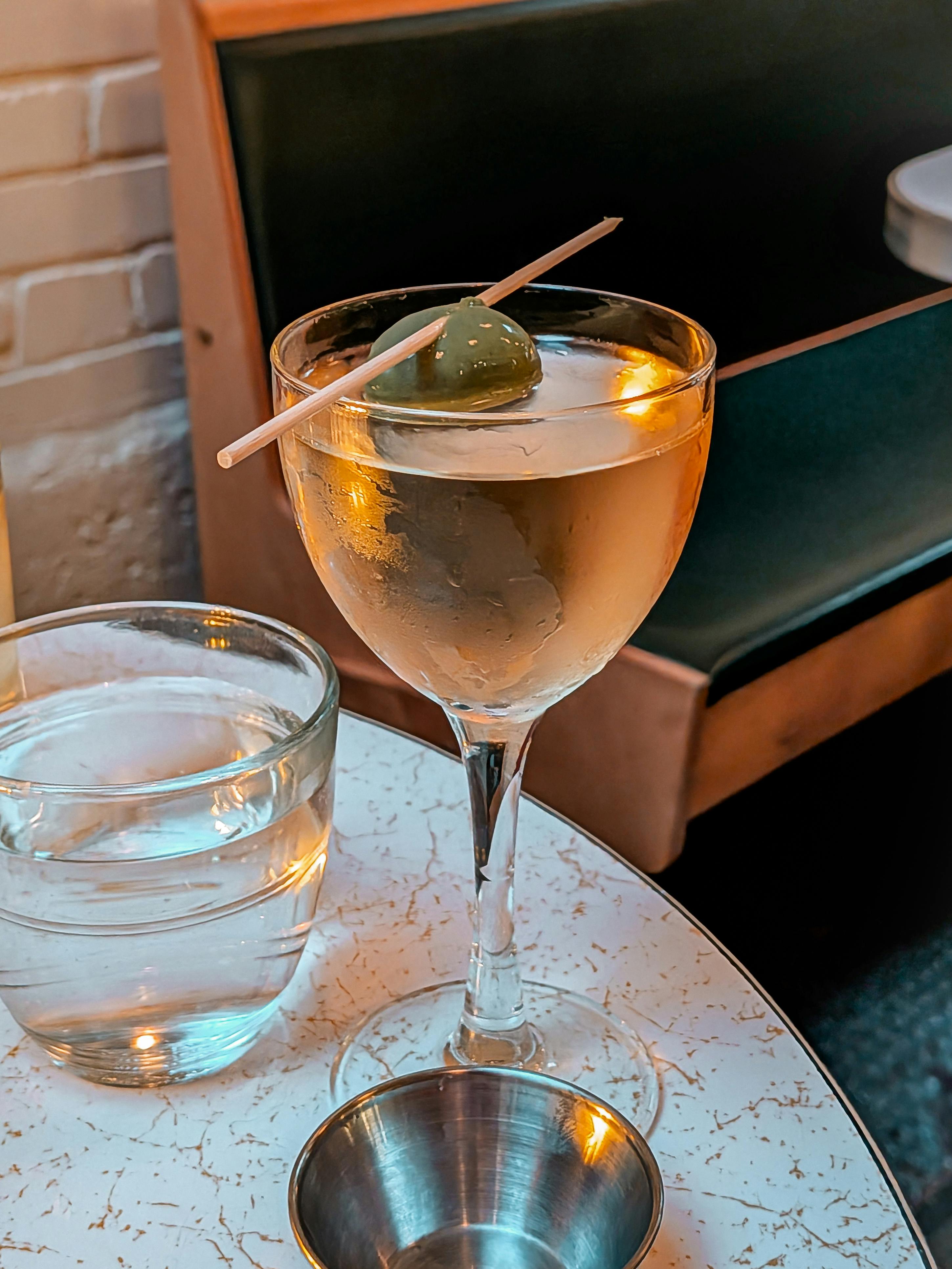
The 1920s gave the martini its legend. During Prohibition, many spirits were rough, and cocktails helped mask harsh flavors, but the martini also carried a certain polish. It fit the mood of the Jazz Age, when nightlife moved behind hidden doors and drinking became part rebellion, part glamour.
Gin was the usual base in that era, often paired with dry vermouth in a crisp, bracing mix. Speakeasy culture, art deco style, and the rise of cocktail books all helped push the drink into the spotlight. More than a recipe, the martini became a symbol of urban sophistication, one that still defines classic cocktail culture today.
Bloody Mary
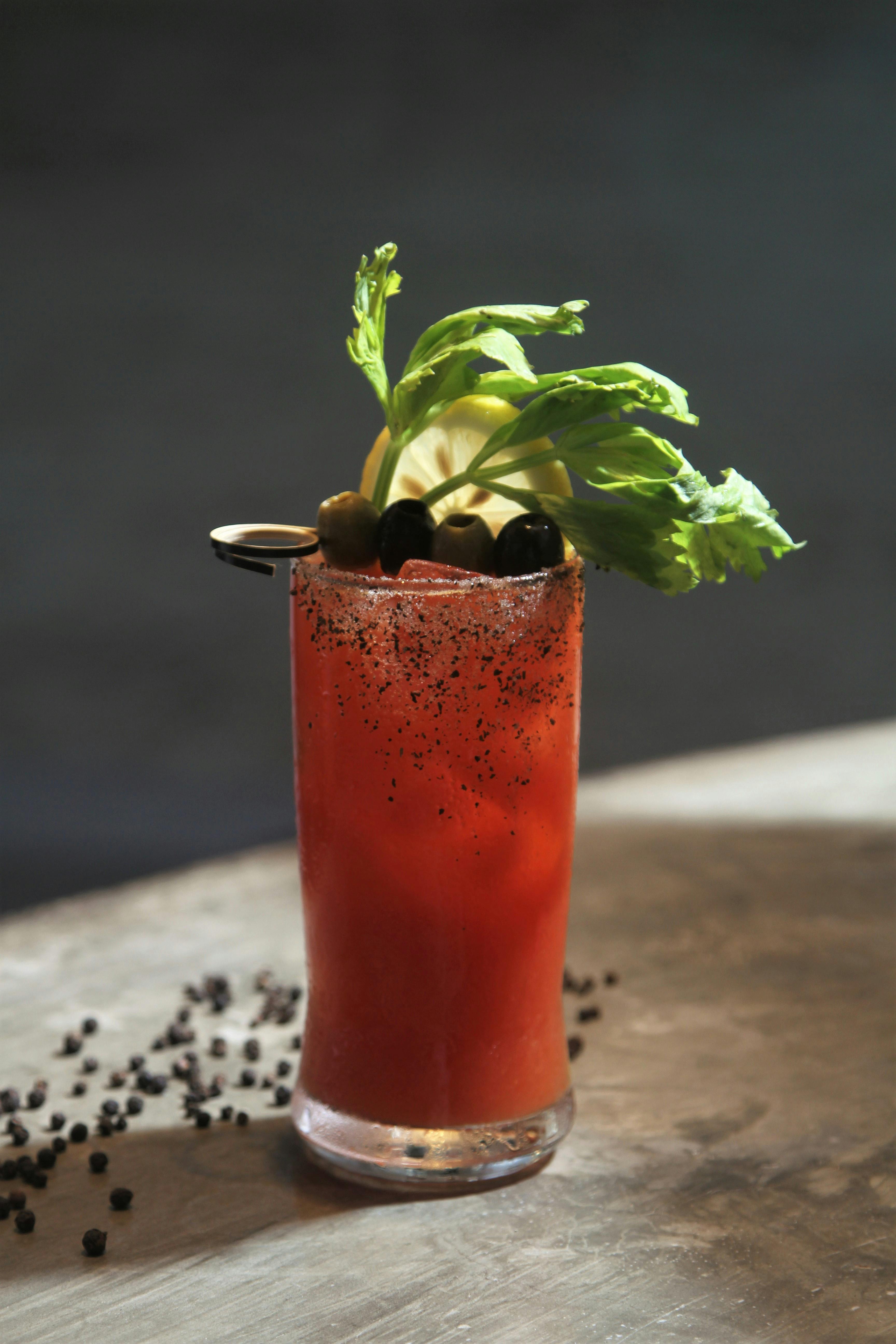
The 1930s needed a drink with backbone, and the Bloody Mary delivered exactly that. Emerging in the interwar years and gaining early fame in Paris and New York, it stood apart from daintier cocktails by being savory, assertive, and a little theatrical.
Built from vodka, tomato juice, and a mix of seasonings, it reflected a growing taste for bolder flavor combinations. The drink also benefited from wider availability of canned tomato juice and the spread of brunch culture in upscale hotels and restaurants. By the end of the decade, the Bloody Mary had become a conversation piece, a restorative sip, and one of the most recognizable cocktails of the modern bar.
Moscow Mule

The 1940s turned a clever marketing idea into a national sensation. The Moscow Mule was created at a moment when vodka had little foothold in the United States, and its rise showed how presentation can change drinking habits almost overnight.
Served in its signature copper mug with vodka, ginger beer, and lime, the drink felt fresh and modern compared with heavier prewar standards. Restaurant promotions and bar campaigns helped spread it quickly, especially in postwar cities eager for novelty. The Mule introduced many Americans to vodka for the first time, and that mattered. It opened the door for vodka's huge dominance in the decades that followed.
Mai Tai

The 1950s were all about escapism, and no drink captured that fantasy better than the Mai Tai. As tiki culture exploded in postwar America, this rum cocktail offered a taste of somewhere sunnier, looser, and far from suburban routine.
Originally crafted with aged rum, curaçao, lime, and orgeat, the Mai Tai was more balanced than many of the sugary imitations that came later. Its popularity grew alongside Polynesian-themed restaurants, backyard luaus, and a booming travel imagination shaped by Hawaii and the South Pacific. In the American mind, the Mai Tai became more than a cocktail. It was vacation in a glass, served with theatrical flair.
Whiskey Sour

The 1960s balanced old-school taste with a new appetite for easy social drinking, and the Whiskey Sour sat right in that sweet spot. It was familiar but approachable, serious enough for a supper club and simple enough for home entertaining.
The classic formula of whiskey, lemon, and sugar had been around long before the decade, but the 1960s helped keep it in heavy rotation. Cocktail parties were thriving, blended family entertaining was rising, and American whiskey still carried broad appeal. Whether made fresh or from the era's popular sour mixes, the drink remained a fixture. It offered brightness, warmth, and a polished simplicity that fit the decade well.
Harvey Wallbanger

The 1970s loved a trend with personality, and the Harvey Wallbanger had plenty of it. Built from vodka, orange juice, and Galliano, it rode the wave of easy-drinking cocktails that felt fun, colorful, and less formal than old bar standards.
What really launched it was branding. A memorable name, a cartoon mascot, and aggressive promotion helped turn the drink into a pop culture fixture. It was sweet, approachable, and easy to make, which mattered in an era when home bars were becoming casual entertainment hubs. The Harvey Wallbanger may not carry the prestige of older classics, but for a stretch in the 1970s, it was nearly impossible to ignore.
Cosmopolitan
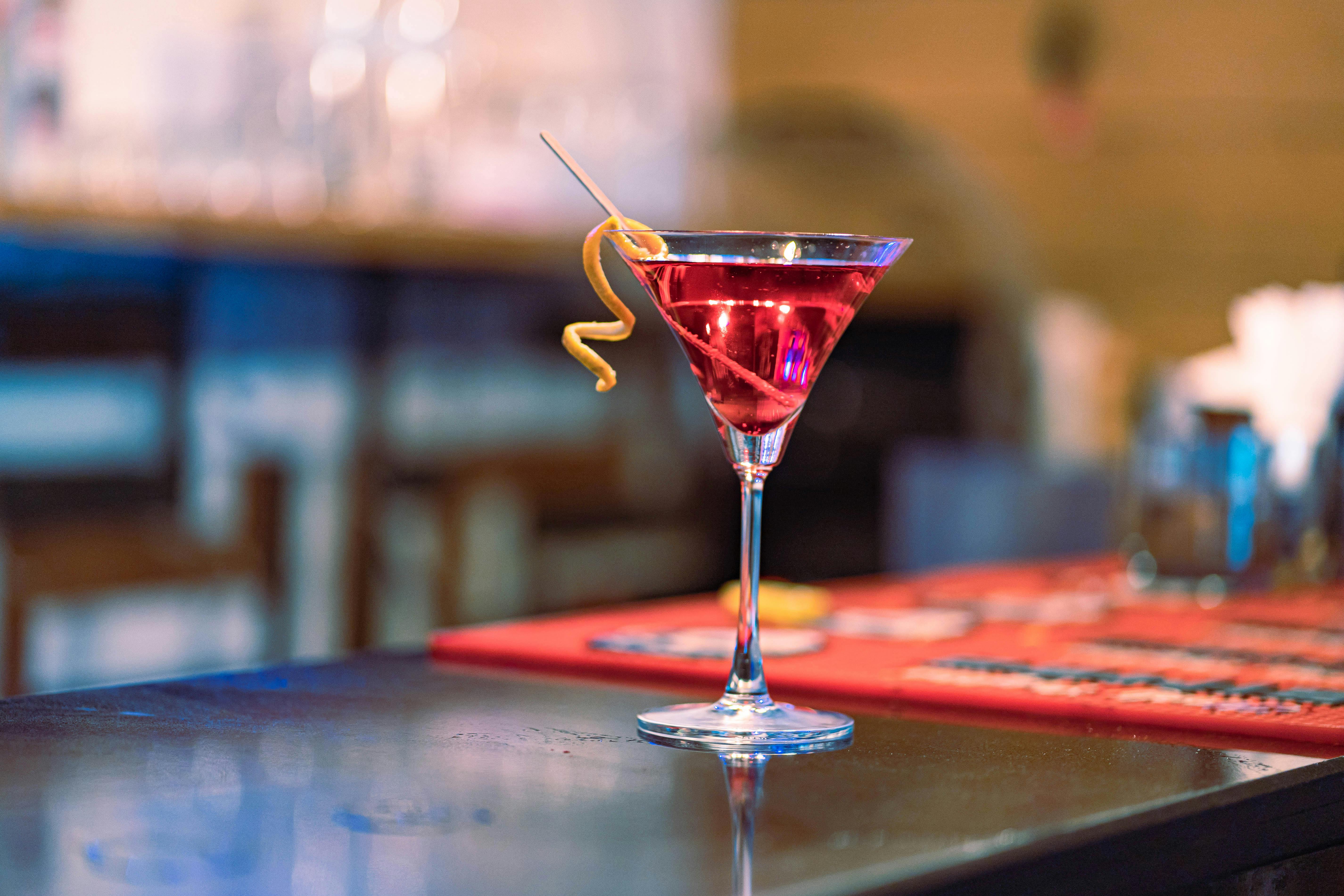
The 1990s belonged to the Cosmopolitan, a cocktail that became inseparable from nightlife, style, and media-driven aspiration. Though versions of it circulated earlier, the drink exploded in popularity in the late 1990s when urban bar culture and television turned it into a status symbol.
Made with vodka, orange liqueur, cranberry juice, and lime, the Cosmo looked sleek and tasted bright without being too heavy. Its pink hue made it visually distinct, and its clean presentation matched the minimalist, polished mood of the era. More than most drinks, the Cosmopolitan benefited from screen culture. It was not just ordered at bars. It was performed, photographed, and woven into the image of modern city life.
Espresso Martini
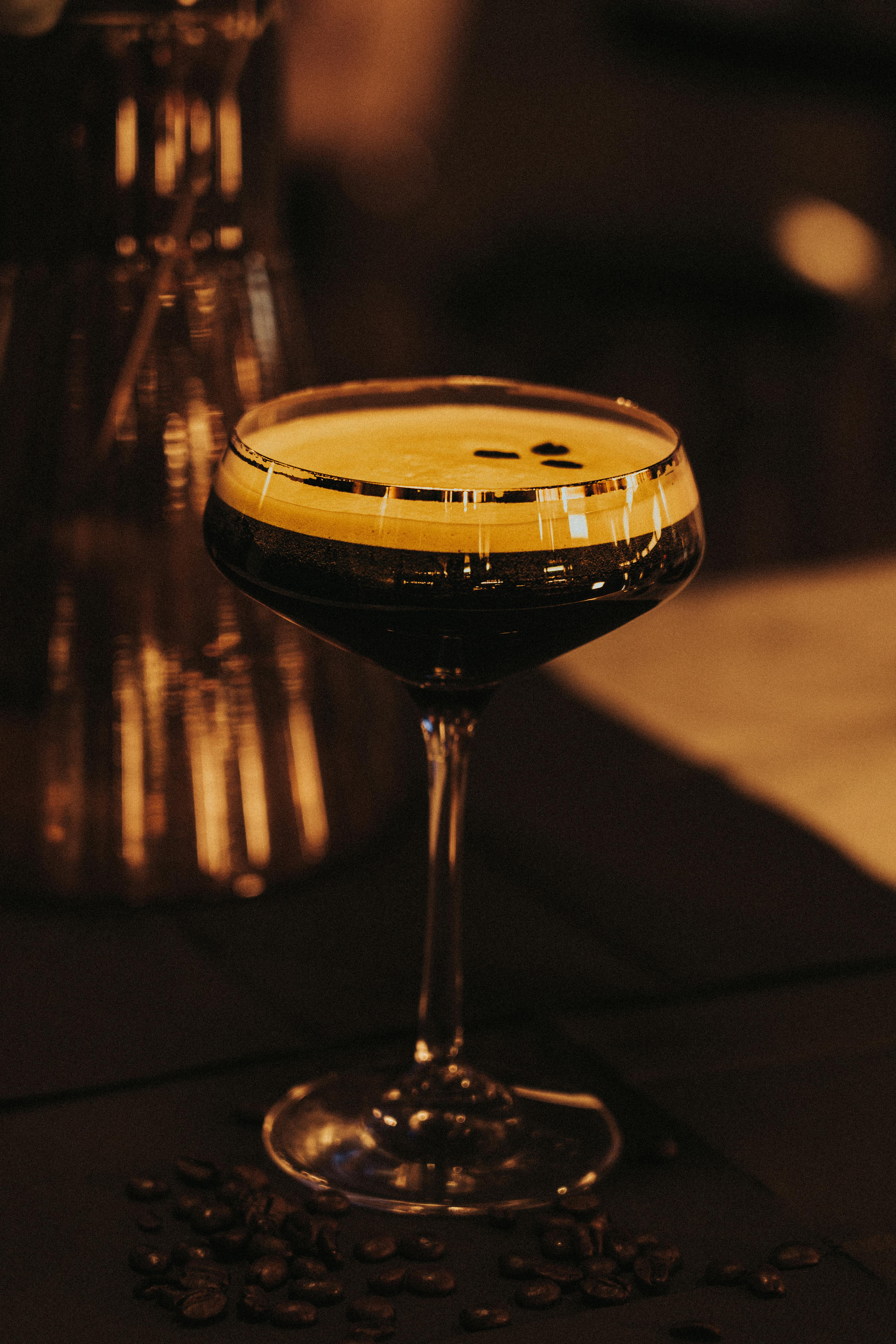
Right now, the Espresso Martini captures the mood of modern drinking better than almost anything else. It satisfies several current obsessions at once: coffee culture, cocktail craftsmanship, late-night energy, and social media-ready presentation.
Though invented in the 1980s, it became a true mainstream powerhouse in the 2020s as bars, restaurants, and even canned cocktail brands embraced it. The mix of vodka, espresso, coffee liqueur, and sugar delivers bitterness, sweetness, and lift in one elegant glass. It also fits today's blurred lines between dinner, nightlife, and work-hardened routines. In a decade shaped by premium ingredients and visual appeal, the Espresso Martini feels perfectly timed and widely beloved.

Leave a Reply