
Purple drinks are suddenly everywhere. But ube is more than a pretty color in a cup.
What ube actually is, and why people confuse it with taro
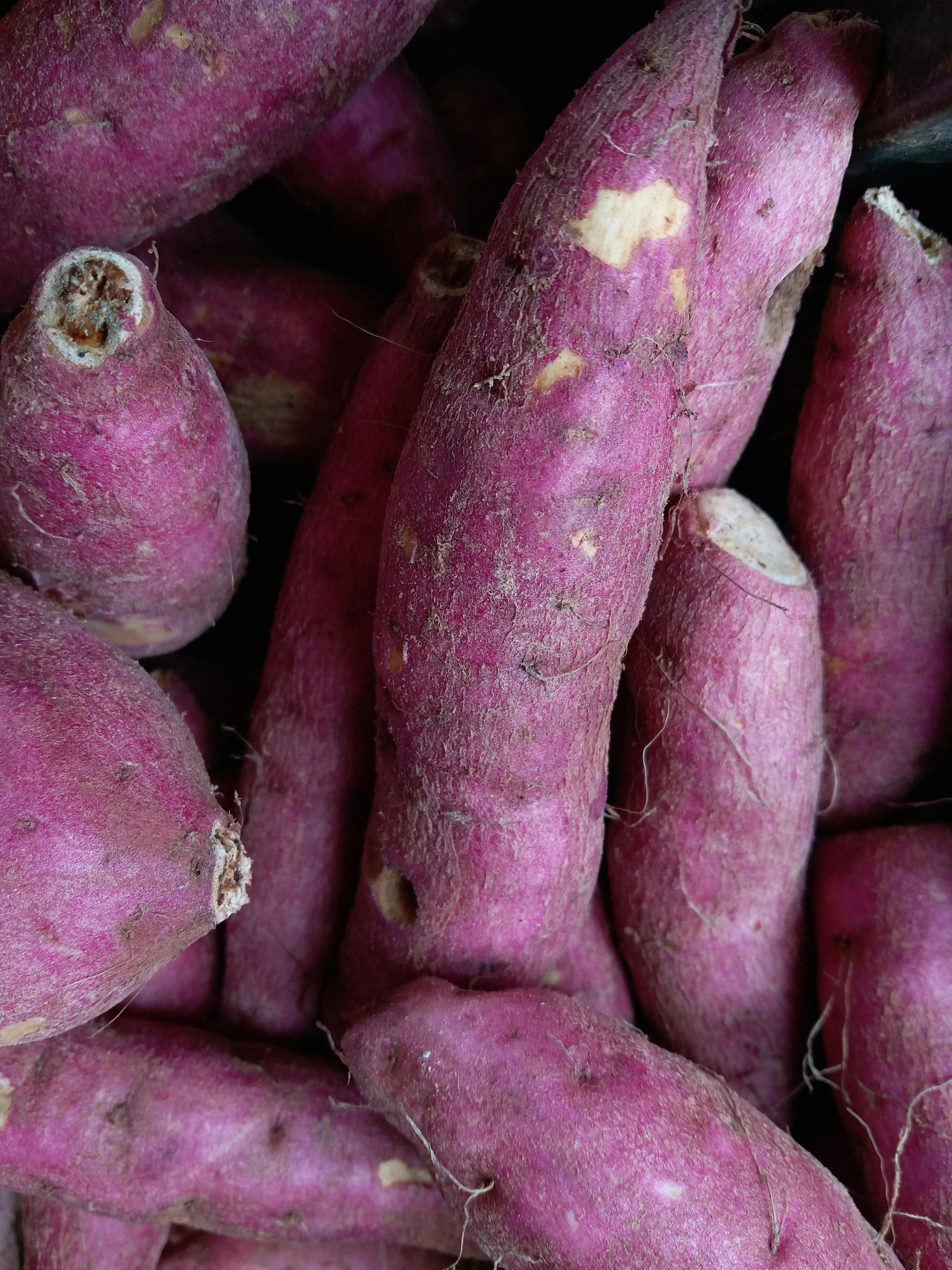
At first glance, ube looks like a social media invention, but it has deep culinary roots. Ube is a purple yam widely used in Filipino cooking, especially in desserts such as halaya, cakes, pastries, and ice cream. Its flavor is gentle and distinctive, often described as nutty, vanilla-like, and slightly earthy with a creamy sweetness. That subtle taste is one reason it works so well in beverages.
Many people confuse ube with taro because both appear in pastel or purple drinks sold in cafes and bubble tea shops. They are not the same ingredient. Taro is a starchy root with a more muted, nutty flavor and a pale interior, while ube is naturally more vivid in color and usually sweeter in profile. In commercial drinks, the confusion grows because powders, syrups, and flavorings may blur the difference.
This matters because real ube drinks tend to taste softer, richer, and more dessert-like without becoming aggressively sugary. Filipino chefs and food writers have long pointed out that authentic ube should not be reduced to color alone. When made properly, it carries cultural meaning as well as flavor, which is a big part of why its recent rise feels significant rather than accidental.
Why ube drinks became this year's breakout beverage trend

The trend did not come out of nowhere. Ube has been gaining traction in bakeries, specialty dessert shops, and Asian grocery aisles for years, but drinks made it more visible to mainstream audiences. Cafes began using ube in lattes, milk teas, smoothies, and iced specialty drinks because it offered something consumers now actively seek: novelty with familiarity. It is new enough to feel exciting, yet creamy and sweet enough to feel approachable.
Its appearance has also played a major role. A well-made ube latte has a lavender-to-violet hue that photographs beautifully, especially in clear cups with layered milk and espresso. In a crowded beverage market where visual identity can determine whether a drink gets posted or ignored, ube has a major advantage. Its color looks striking without relying on neon artificial tones.
There is also a broader cultural shift behind its popularity. Consumers increasingly want ingredients with origin stories, heritage, and authenticity. Filipino food has received growing attention in recent years, and ube has become one of its most recognizable ambassadors. What turned it viral was not just aesthetics. It was the combination of flavor, story, and café versatility that let it move from niche favorite to national trend.
What ube tastes like in drinks, and the forms baristas use
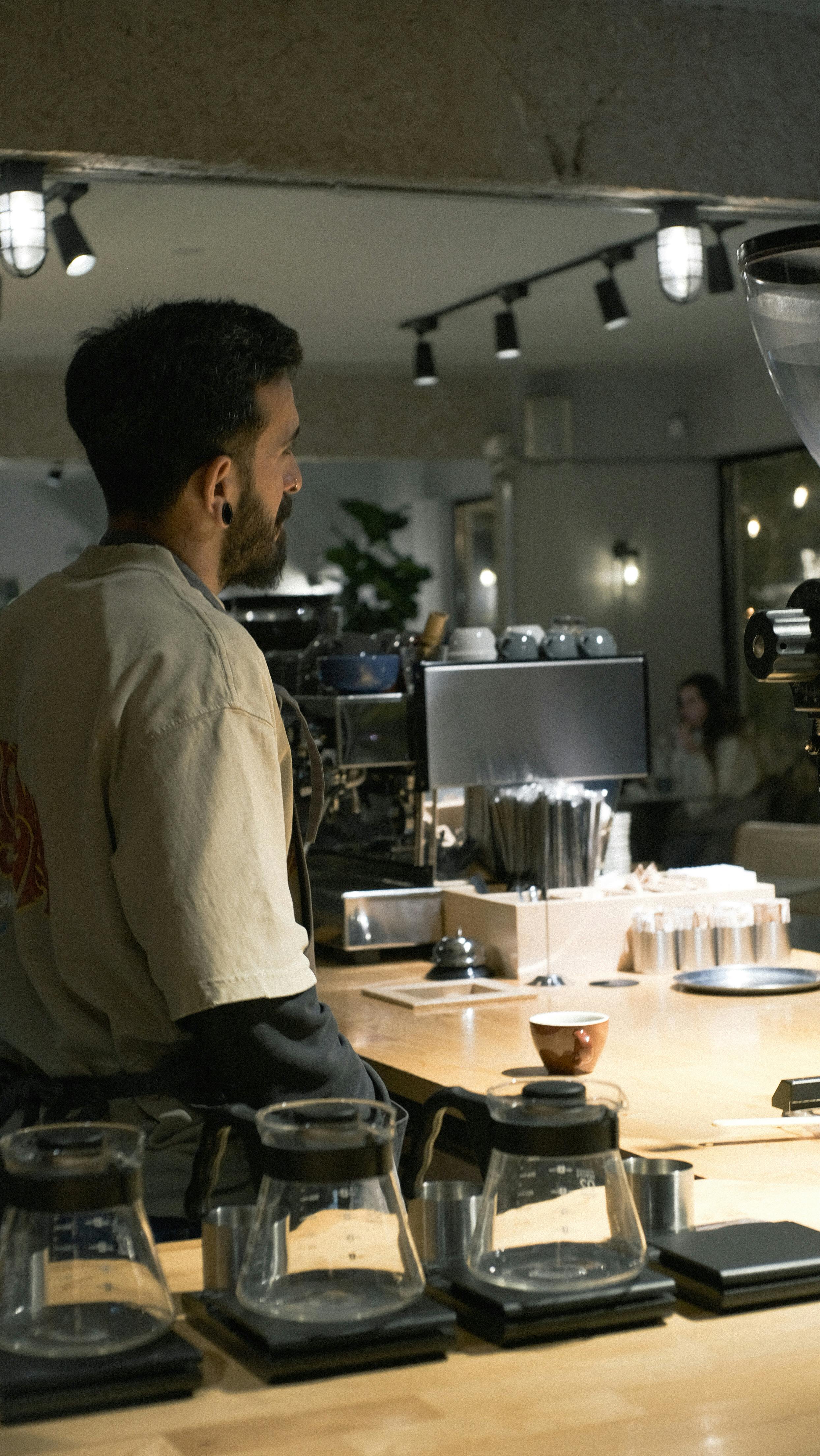
The best way to understand ube in a drink is to think beyond the color. Ube usually brings a mellow sweetness with hints of vanilla, pistachio, and cooked sweet potato, though the exact taste depends on the preparation. In an iced latte, it often creates a creamy dessert note that softens espresso bitterness. In milk tea, it adds body and sweetness without overpowering the tea base.
Baristas and beverage developers use ube in several forms, and each one changes the final result. Ube halaya, a thick jam made from cooked yam, milk, sugar, and butter, delivers the richest taste and texture. Ube powder is convenient and shelf-stable, though quality varies widely. Syrups and concentrates are common in busy cafés, but some rely more on color and sugar than actual yam flavor.
That is why one ube drink can taste luxurious while another tastes flat and candy-like. A serious café may blend real ube with condensed milk, coconut milk, or dairy for depth. A more commercial version may use purple flavoring and call it ube anyway. If you want the true experience, look for shops that mention real ube, halaya, or housemade puree rather than generic purple mix.
The most popular ube drinks, from lattes to milk tea
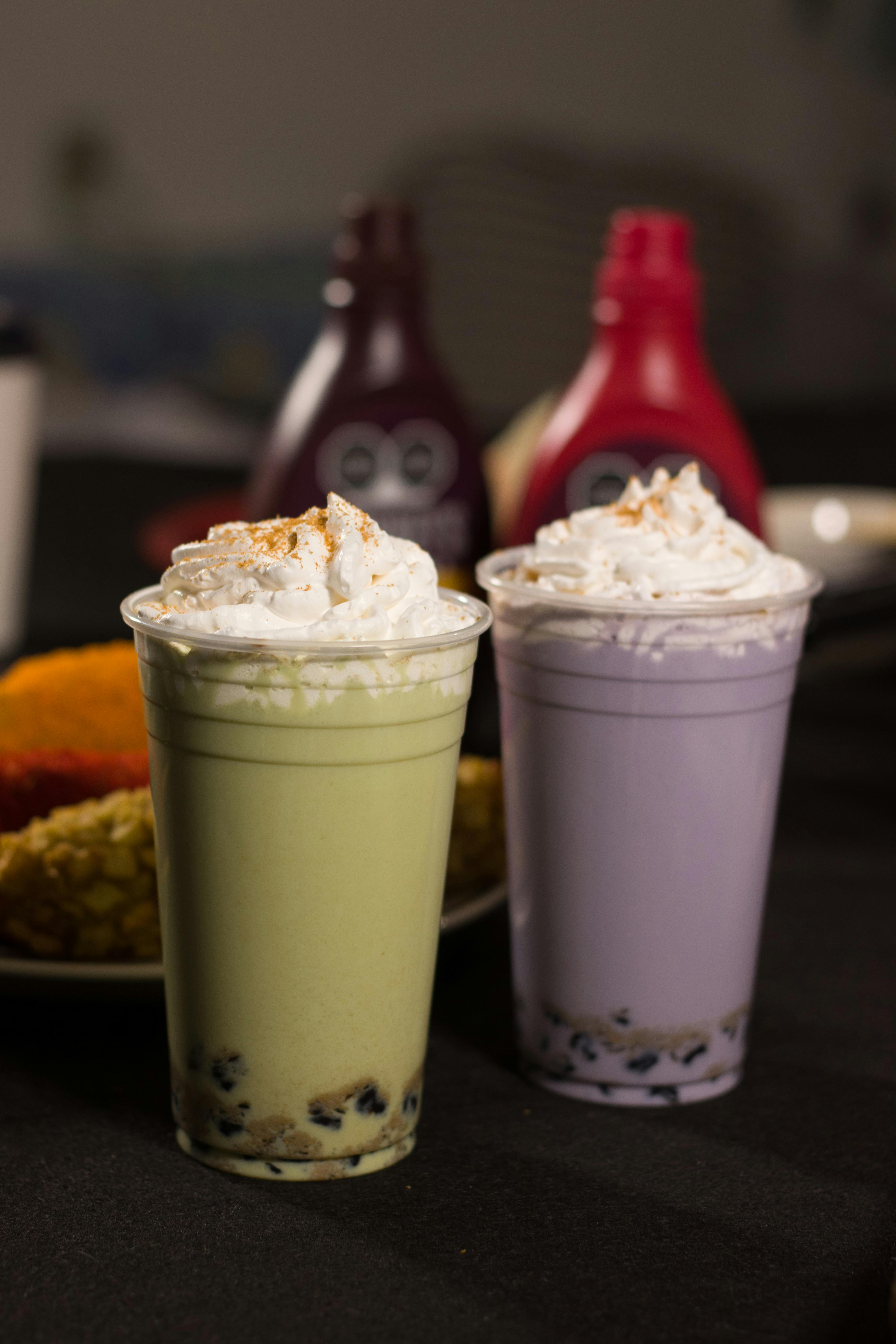
The ube latte is currently the category leader, and it is easy to see why. It can be served hot or iced, works with dairy or plant milk, and pairs surprisingly well with espresso. The earthy bitterness of coffee gives structure to ube's sweetness, creating a drink that feels indulgent without becoming cloying. Many cafés add oat milk because its texture supports ube's creamy profile especially well.
Bubble tea shops have also embraced ube in a big way. Ube milk tea often combines black tea or jasmine tea with milk, sweetener, and chewy tapioca pearls. Some versions skip tea entirely and function more like a milk-based dessert drink. Others add cheese foam, coconut jelly, or brown sugar boba, turning ube into a highly customizable flavor base.
Smoothies, frappes, and specialty coolers round out the trend. In warmer markets, blended ube drinks with coconut milk, crushed ice, and whipped topping have become menu staples. Some brands are even pairing ube with matcha, horchata, or chai to create fusion drinks aimed at adventurous customers. The strongest examples balance innovation with restraint, letting ube remain identifiable instead of burying it under too many competing flavors.
Is ube healthy, and what should you know before ordering it
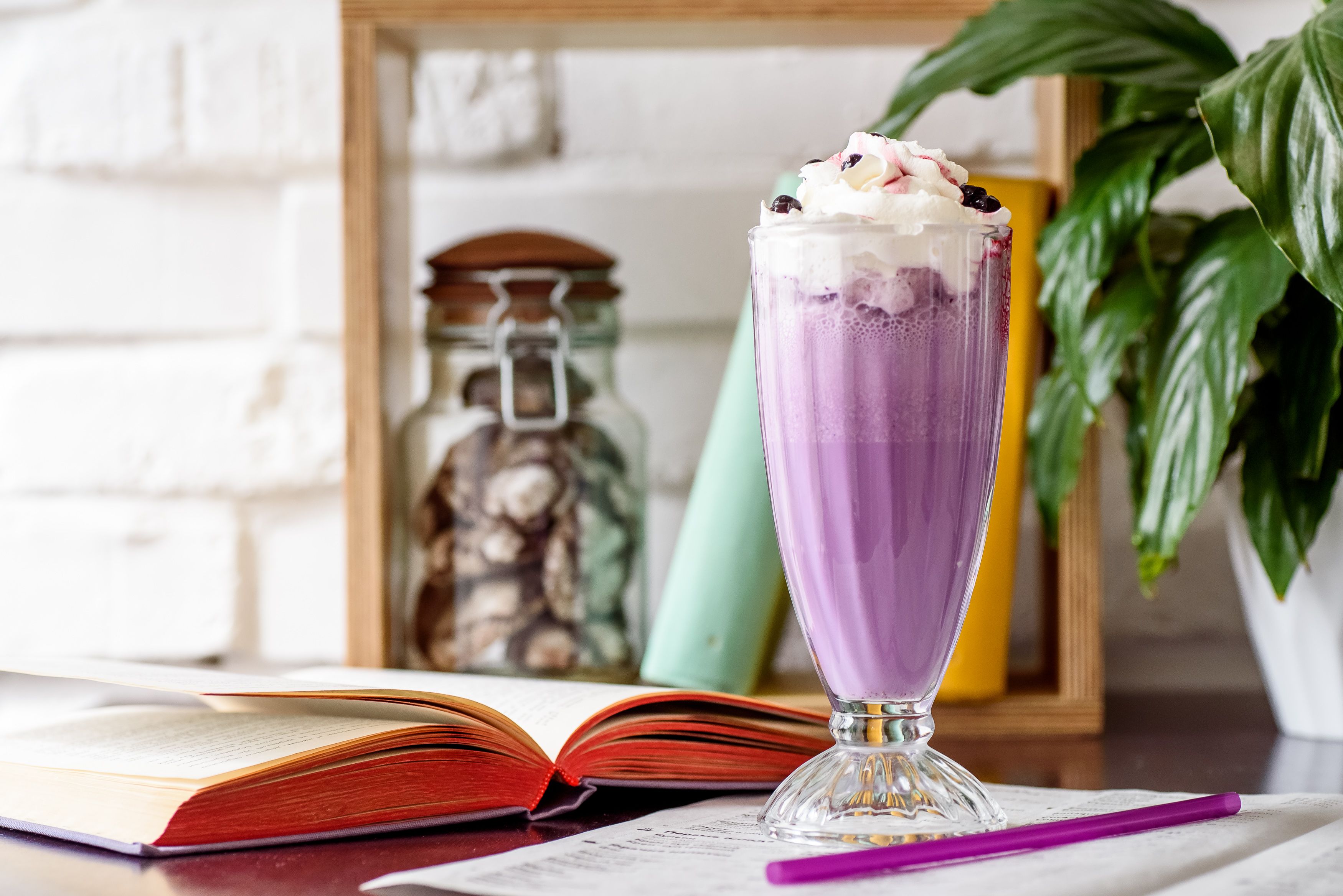
Ube itself can be part of a balanced diet. Like other yams, it contains carbohydrates, fiber, and naturally occurring antioxidants, including anthocyanins, the pigments that give it its purple color. Research on purple root vegetables suggests these compounds may help support overall health as part of a varied diet. Ube also contains small amounts of vitamin C and potassium.
Still, the health value of an ube drink depends less on the yam and more on everything added to it. Many café versions include sweetened condensed milk, syrups, creamers, whipped toppings, and boba pearls, which can push sugar and calorie counts quite high. A drink marketed as plant-based can still be dessert-level sweet. In other words, ube is not automatically a health drink just because it comes from a vegetable.
The smartest approach is to treat ube beverages as you would any specialty drink. Ask whether the shop uses real ube, how sweet the base is, and whether you can adjust sugar levels. A lightly sweetened ube latte with real yam and milk can feel balanced. A heavily sweetened blended version with toppings is better understood as an occasional treat, which is perfectly fine if that is what you want.
How to spot quality ube drinks and why the trend may last
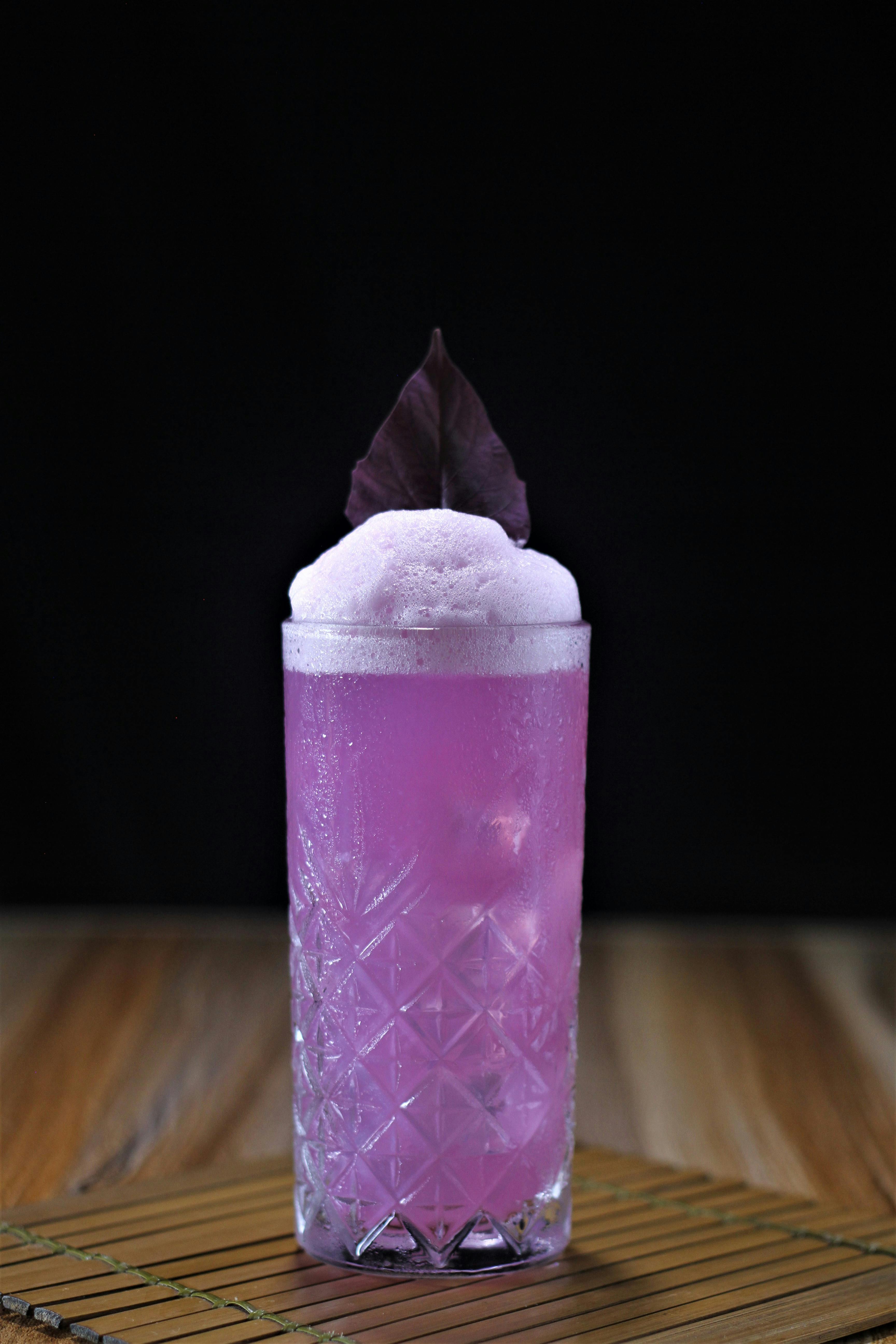
A good ube drink usually reveals itself before the first sip. The color should look natural, often a muted lavender or soft violet rather than an electric purple. The aroma should suggest vanilla, cream, or cooked yam, not just sugar. Texture matters too. Real ube often gives drinks a slightly fuller body, especially when halaya or puree is used instead of thin syrup.
Taste is the real test. Quality ube drinks have layered sweetness and a grounded, almost toasty depth that lingers after each sip. They should not taste like generic birthday cake flavoring. Independent cafés that make house ube blends often produce the most convincing results because they can control sweetness, texture, and ingredient quality. That attention to detail is what separates a trend drink from a memorable one.
As for whether ube will last, the signs are stronger than they were for many short-lived beverage crazes. It is flexible, visually distinctive, and backed by a real culinary tradition rather than invented scarcity or hype. More importantly, it invites people to explore Filipino flavors with curiosity and respect. That gives ube staying power. Even if the viral frenzy cools, the best ube drinks are likely to keep a permanent place on café menus.

Leave a Reply