
Gen Z has turned snacking into a low-stakes experiment, mixing comfort foods, convenience items, and internet trends into combinations that can look baffling at first glance. Some of these mashups are driven by nostalgia, some by pure curiosity, and some by the need for something quick, salty, sweet, and satisfying all at once. Whether they sound genius or deeply questionable, these pairings say a lot about how younger eaters approach flavor.
Hot Cheetos and Cream Cheese
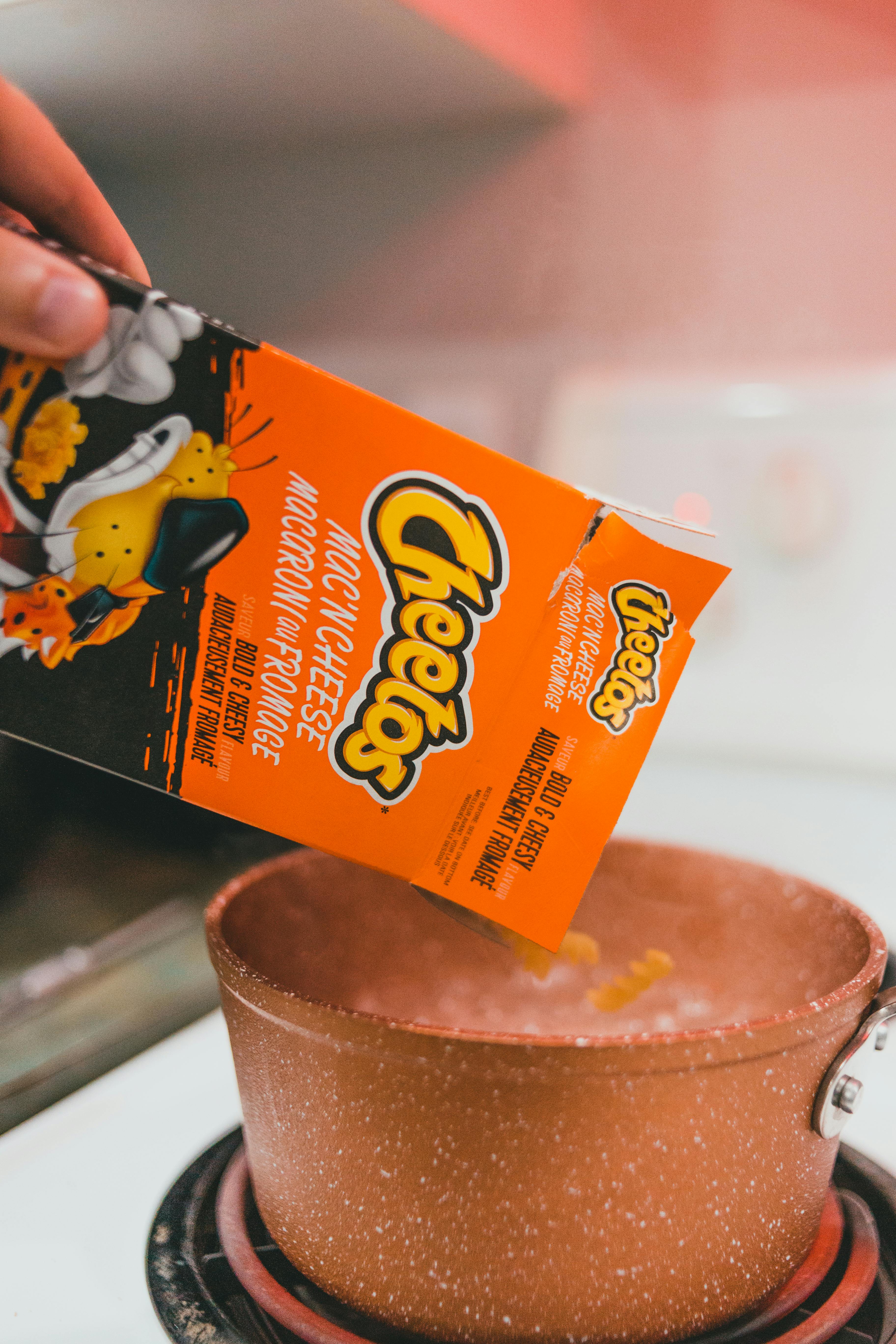
This pairing looks like a dare, but it follows a very familiar food rule: intense heat gets softer when it meets fat. Crunchy, spicy corn snacks dipped into cold cream cheese create the kind of contrast that makes each bite feel bigger than the ingredients suggest.
Part of the appeal is practical. Cream cheese is easy to find, easy to spread, and rich enough to calm the aggressive chili-and-lime or extra-hot seasoning found on many spicy snacks. What seems random is actually a stripped-down version of a classic culinary balance.
For Gen Z, it also carries social-media logic. It is visually obvious, cheap to assemble, and easy to react to on camera. That combination helps explain why confusion and popularity can exist at the same time.
Pickles Wrapped in Fruit Roll-Ups
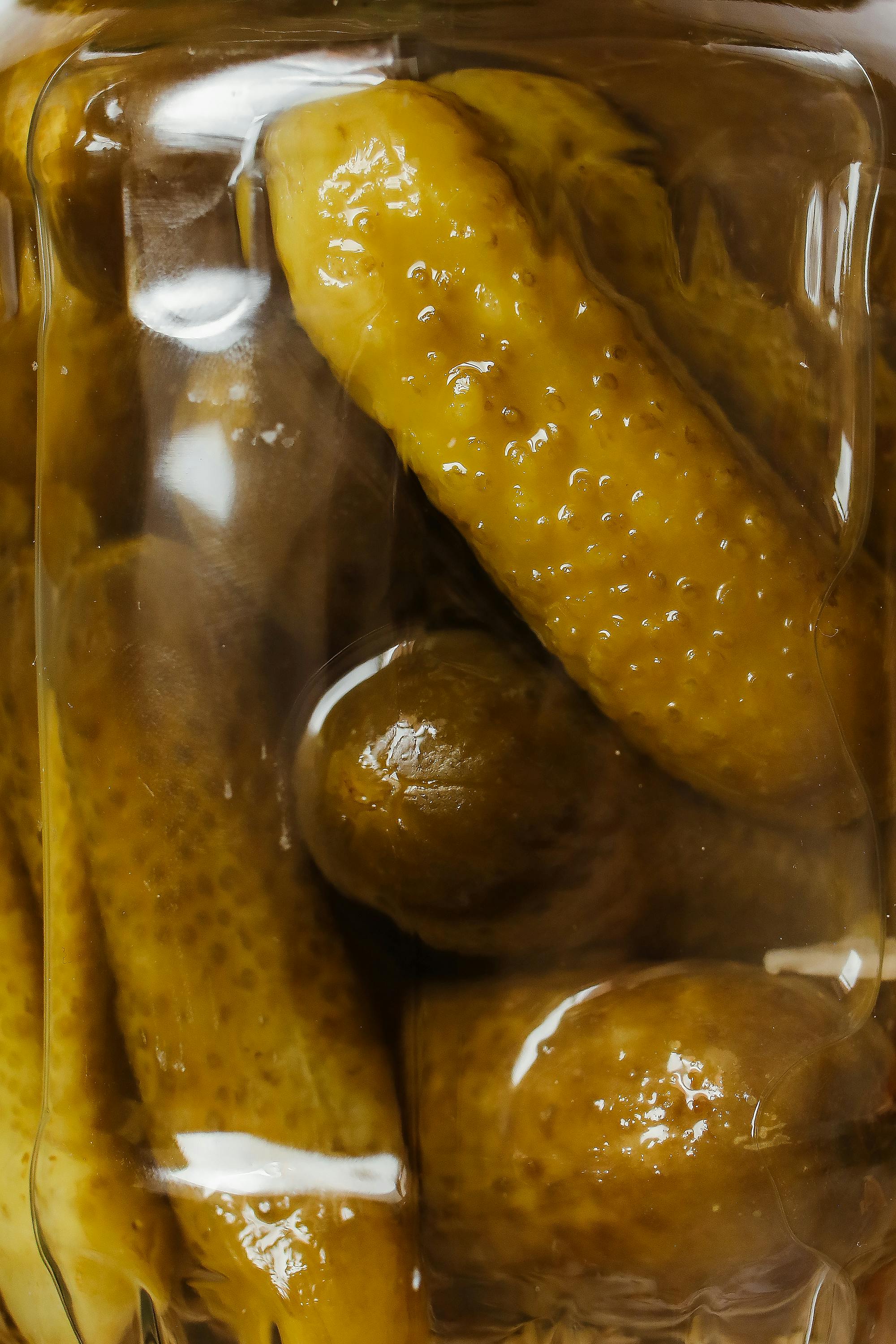
Few modern snacks have caused more double takes than the pickle wrapped in a sheet of bright, sticky fruit candy. The first impression is all contradiction: cold and sour against sweet and chewy, with a texture that feels almost engineered to provoke a reaction.
Yet the flavor logic is not as wild as it seems. Pickles bring salt, vinegar, and crunch, while the fruit snack adds sugar and a concentrated artificial-fruit tang. Sweet-and-sour combinations have always worked, but this version turns that idea into something louder and more playful.
Its rise also reflects how Gen Z eats online. The snack is cheap, photogenic, and dramatic in a way that practically invites taste tests. Confusion is part of the product, which only makes it travel faster.
Instant Noodles with Melted American Cheese
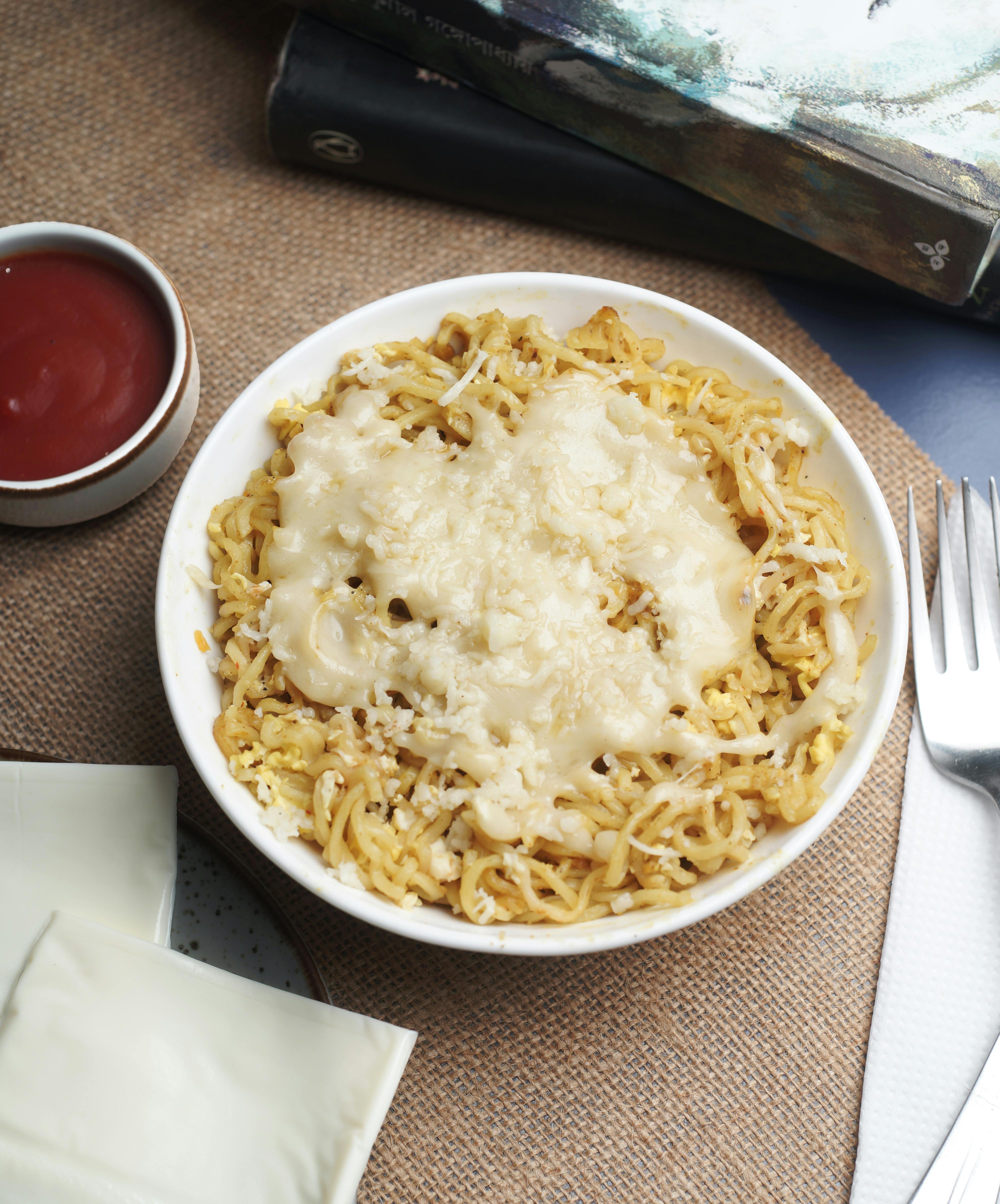
Adding a slice of processed cheese to instant ramen unsettles people who expect noodles to stay either brothy or plainly savory. But once the cheese melts into the hot liquid, it thickens the soup, rounds out the salt, and creates a richer bowl with almost no extra effort.
This combination is especially common in dorm-room and late-night cooking because it works with what is already available. American cheese melts smoothly, unlike many firmer cheeses, so it changes the texture fast and without much skill or cleanup.
There is also a wider food context here. Cheese in noodles is hardly new, and Korean convenience-food culture has long embraced creamy ramen add-ins. What looks strange to outsiders often makes perfect sense to people raised on hybrid comfort food.
French Fries Dipped in Milkshakes

Older generations may act surprised, but fries in a milkshake has quietly lasted because it works on almost every sensory level. Hot, salty fries meeting cold, sweet ice cream create a temperature and flavor contrast that is instantly memorable.
The science is simple enough. Salt amplifies sweetness, fat carries flavor, and crisp potatoes soften just slightly in the shake without losing their identity. The result feels indulgent, but not chaotic, which is why fast-food fans keep returning to it.
What makes it feel especially Gen Z is not the pairing itself, but its renewed visibility. Short-form video turned a regional fast-food habit into a recognizable personality trait, making a once-niche move look like a generational signature snack.
Popcorn Covered with Hot Sauce

Popcorn usually lives in one of two worlds: buttery movie-theater comfort or lightly seasoned snack food. Splashing it with hot sauce disrupts that expectation, especially for people who think of popcorn as dry, airy, and mild.
Still, the idea is rooted in simple snack economics. Popcorn is bland enough to carry stronger flavors, and hot sauce adds acid, salt, and heat in one move. When done carefully, the sauce clings to the kernels and turns a neutral base into something sharper and more satisfying.
The trick is balance. Too much liquid can collapse the texture that makes popcorn appealing in the first place. Gen Z tends to treat that risk as part of the fun, especially when flavor intensity matters more than tradition.
Vanilla Ice Cream with Olive Oil and Sea Salt
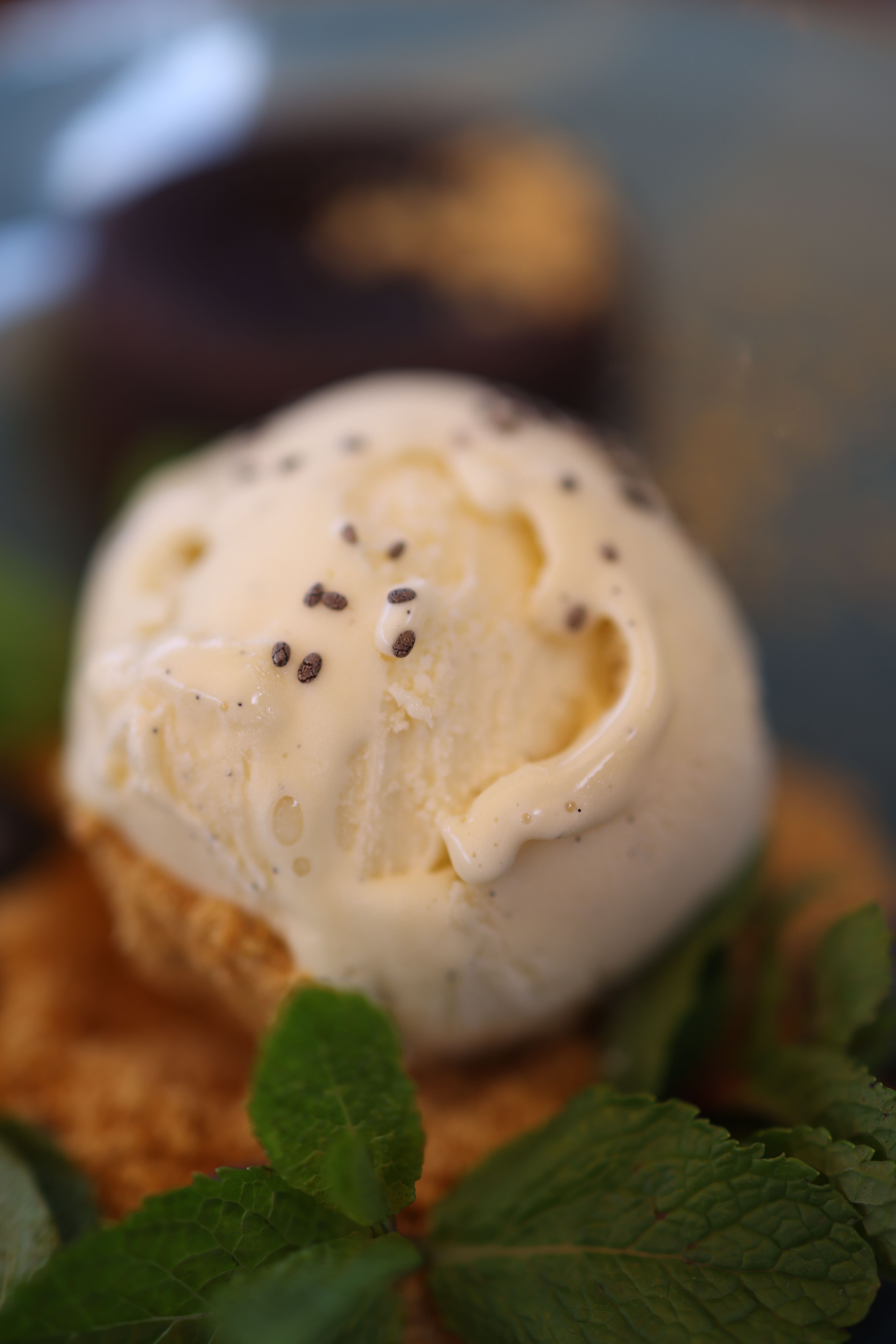
At first, this sounds like someone got dessert and salad dressing mixed up. In reality, good olive oil over vanilla ice cream has been embraced by chefs and home cooks because it highlights the richness already present in the dairy.
The oil adds a peppery, grassy note, while flaky sea salt sharpens the sweetness and gives the dessert more definition. Instead of making ice cream taste savory, the topping makes it taste more complex and less one-note.
Gen Z helped push this combination beyond restaurant menus by turning it into an at-home luxury that feels surprisingly accessible. It photographs beautifully, requires almost no skill, and lands in that sweet spot between food trend and genuinely smart flavor pairing.
Doritos Crushed into Cottage Cheese

Cottage cheese has gone through a total image reset, thanks in part to younger eaters looking for high-protein foods that do not feel overly serious. Crushing nacho chips into it sounds odd until you realize the combo delivers crunch, salt, and cheese flavor to a very mild base.
Texture is doing most of the work here. Cottage cheese is cool and soft, while Doritos add sharp seasoning and a loud crunch that keeps the bowl from feeling bland or overly wholesome. It becomes less like a diet food and more like a snack dip in disguise.
That dual identity explains its appeal. It fits wellness culture just enough to feel intentional, but it also satisfies the craving for something junky. For Gen Z, that middle ground is often exactly the point.
Peanut Butter on Pickles
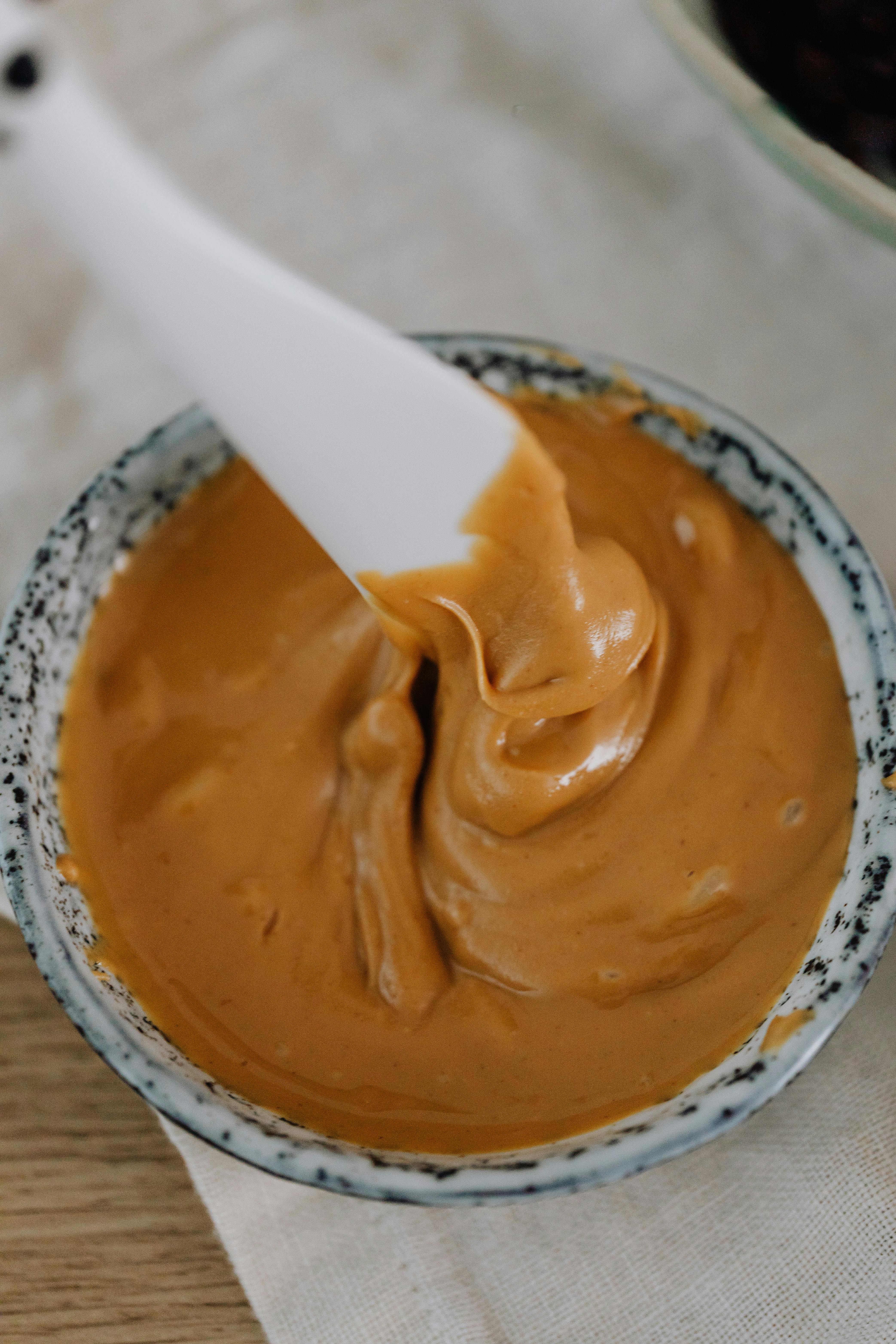
This is one of those combinations that sounds impossible until you break it into parts. Pickles are salty, acidic, and crisp, while peanut butter is fatty, earthy, and slightly sweet. Together, they create a contrast strong enough to feel almost engineered.
There is historical precedent for this kind of pairing. Peanut butter has long shown up in both sweet and savory dishes, and pickles regularly cut through rich foods with needed acidity. The surprise comes less from the flavors themselves and more from seeing them meet in such a direct, unpolished way.
Gen Z tends to reward snacks that are quick, strange-looking, and weirdly effective. Peanut butter on pickles checks all three boxes. It may never become universal, but it keeps winning over people one skeptical bite at a time.
Frozen Grapes Dusted with Candy Powder
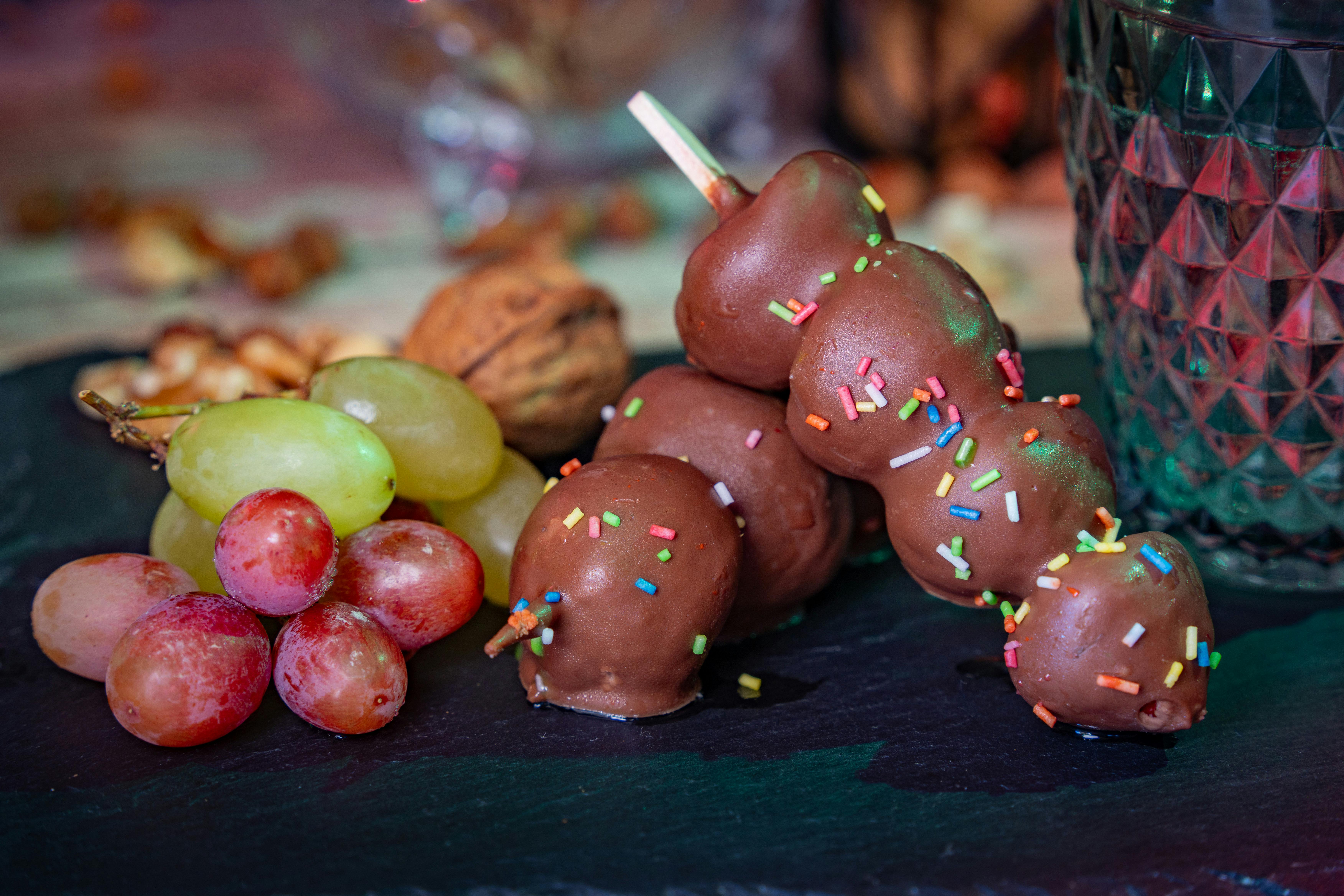
Frozen grapes already blur the line between fruit and dessert, especially because their texture becomes firmer and more slushy-like after time in the freezer. Add candy powder or gelatin mix, and they start to resemble a homemade sour candy with a fresher center.
The coating sticks best when the grapes are still damp, creating a bright, tart shell around the natural sweetness of the fruit. That mix of cold temperature, chewy skin, and sharp flavor makes them feel more exciting than plain fruit without requiring actual candy-making.
This snack took off because it fits several Gen Z preferences at once. It is affordable, highly customizable, and easy to present as a smarter alternative to packaged sweets, even though the appeal is still very much rooted in fun.
Chocolate Spread on Saltine Crackers
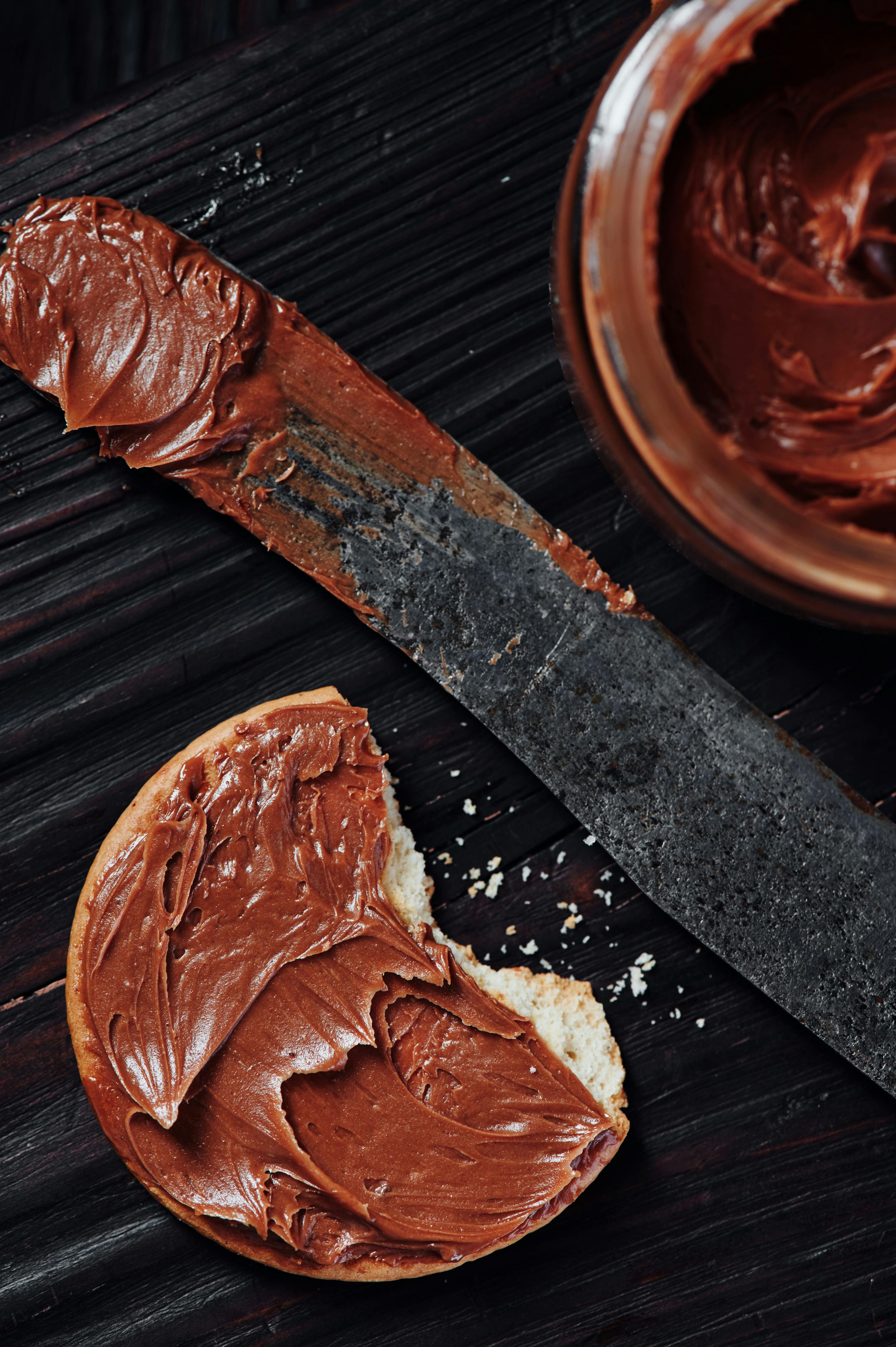
This one is less shocking than some others, but it still confuses people who expect chocolate spread to stay on toast, waffles, or pastries. Spread onto plain saltines, it becomes a stripped-down sweet-and-salty snack with a surprisingly neat flavor balance.
Saltines matter here because they are dry, crisp, and lightly salted without competing for attention. They give the chocolate a clean, crackly base and keep the snack from tipping into dessert territory. It feels improvised, but the restraint is part of why it works.
Gen Z often embraces foods that look humble but deliver immediate payoff. This pairing uses pantry staples, costs very little, and satisfies a craving fast. It is not flashy, yet that low-effort practicality may be exactly why it has stuck around.




Leave a Reply