
A plate used to be just dinner. On Instagram, it became a message about who you are.
The app changed how food is seen
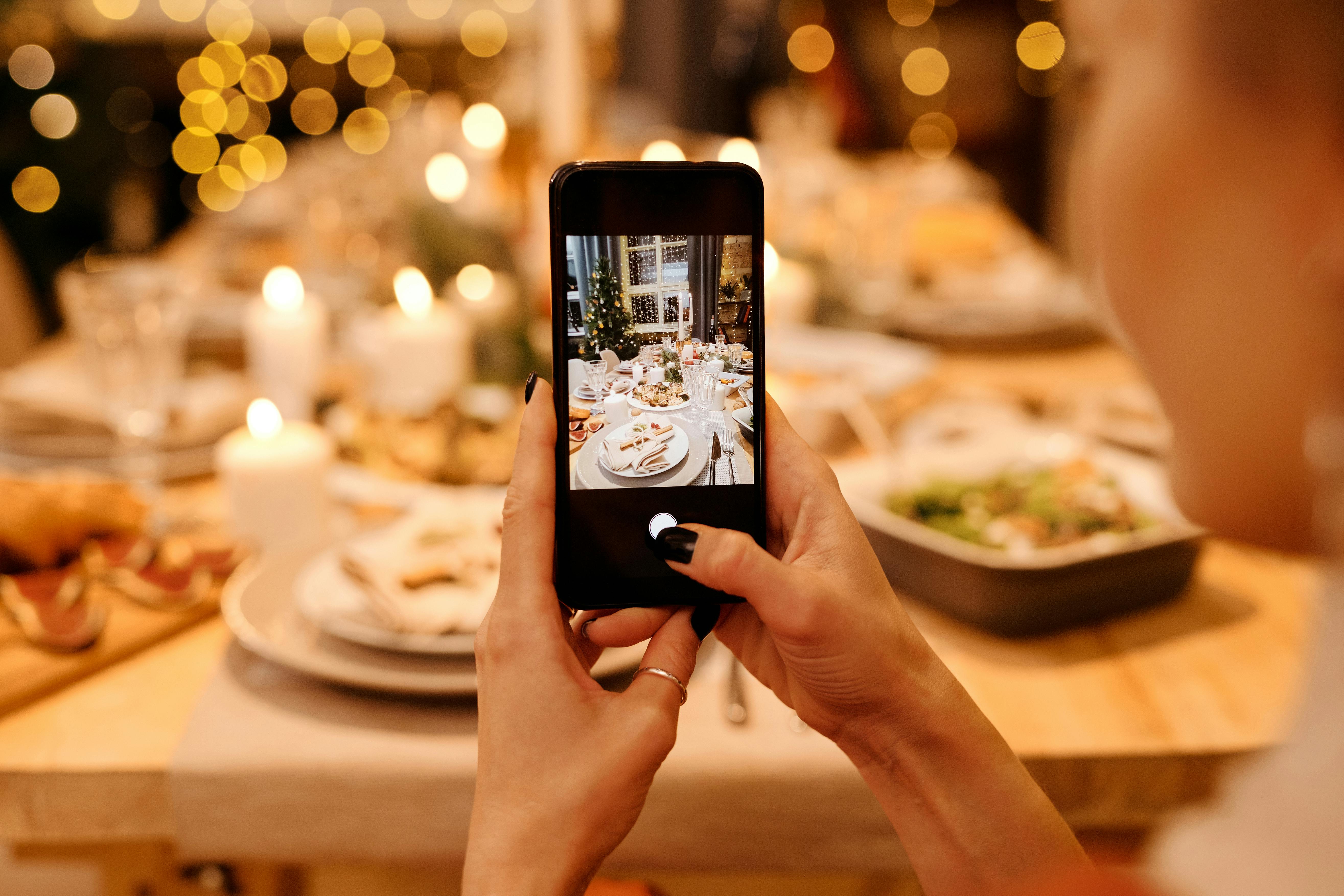
Before Instagram, food photography existed mostly in cookbooks, magazines, and restaurant advertising. Ordinary diners took photos too, but those images rarely traveled far beyond family albums or early social platforms. Instagram changed that by putting a polished visual stage in every pocket, then rewarding attractive images with likes, comments, and follows. Food fit the platform perfectly because it is colorful, familiar, and instantly readable.
What made the shift powerful was not just the camera, but the culture around it. Instagram trained people to see meals as content first and nourishment second. A brunch spread, a latte with foam art, or a tasting menu became social currency because posting it could attract attention and approval. In a feed driven by aesthetics, a meal was no longer only consumed at the table. It was consumed again by an audience.
Researchers and media analysts have pointed out that visual platforms intensify comparison. A 2024 body of research on social media behavior continued to show that users often measure themselves against curated images of lifestyle and consumption. Food became part of that comparison economy. A simple lunch could now signal leisure, access, travel, and taste, especially when framed under flattering light and presented with the right caption.
Why "good taste" became social capital
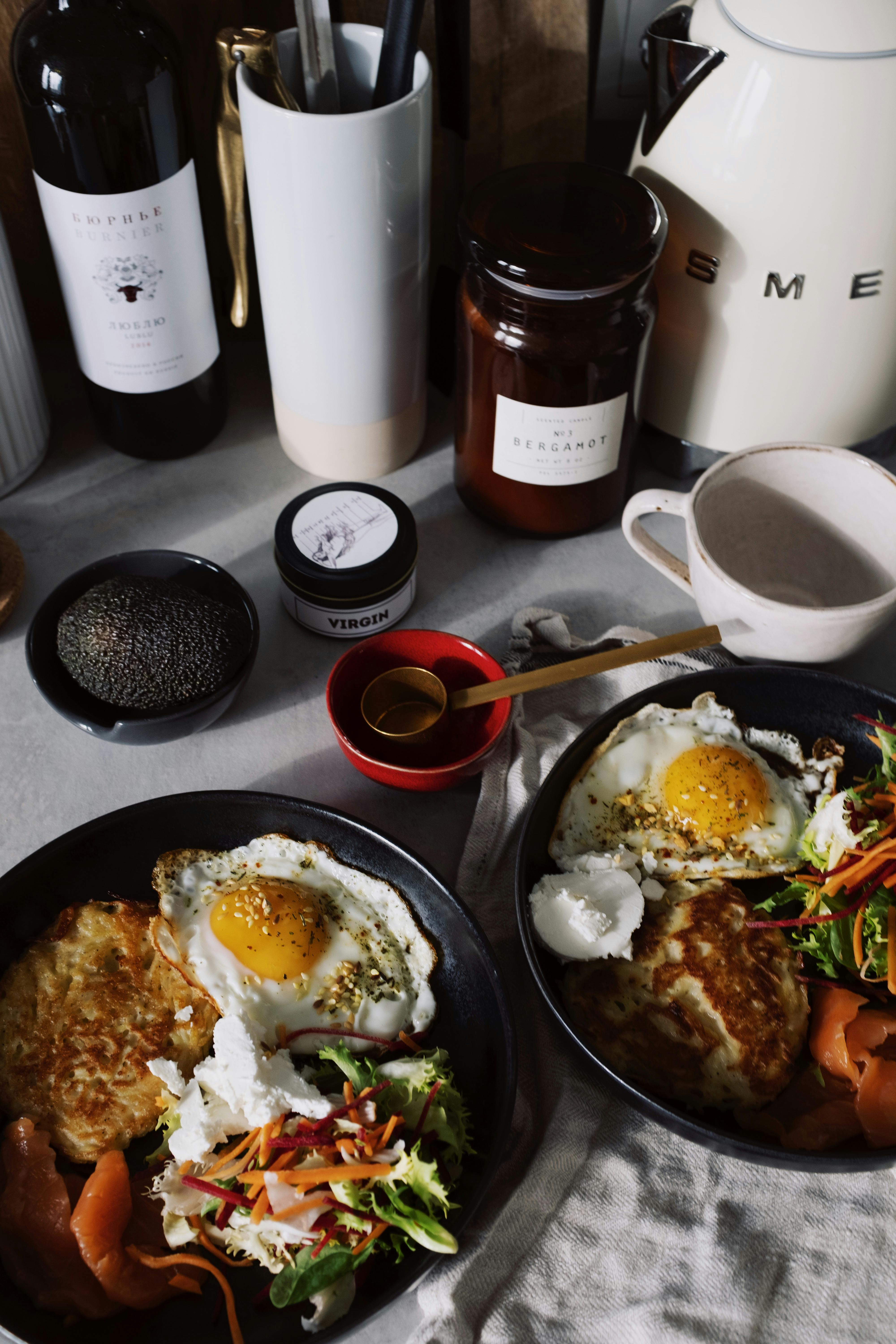
Instagram did more than popularize food photos. It helped redefine taste itself as a visible marker of class and cultural fluency. Choosing the right restaurant, ordering the most photogenic dish, and knowing which ingredients or dining trends were currently admired all began to matter socially. In this environment, eating became a form of branding, and meals became evidence of discernment.
French sociologist Pierre Bourdieu argued long before social media that taste is tied to status. Instagram made that theory easier to see in daily life. A user posting natural wine, hand-rolled pasta, omakase, or minimalist Scandinavian interiors is not just sharing dinner. They are broadcasting familiarity with coded signals that suggest education, income, mobility, or creative industry belonging. The image says, "I know what is considered desirable."
This is why expensive food is only one part of the story. Status on Instagram often comes from scarcity, timing, and insider knowledge as much as price. A reservation at a difficult-to-book restaurant, a new bakery item before it goes viral, or a regional dish discovered on a niche trip can carry as much weight as luxury ingredients. The platform rewards people who appear early, informed, and culturally connected.
Restaurants learned to design for the feed

The restaurant industry adapted quickly because Instagram attention can translate into real revenue. Owners began thinking beyond flavor and service to consider lighting, plating, wall color, table spacing, and signature dishes that would photograph well. Neon signs, flower walls, dramatic garnishes, and highly stylized interiors spread because they encouraged customers to post. In many cities, the "Instagrammable" restaurant became a business model.
That model worked because user posts functioned like unpaid advertising. According to hospitality analysts, a visually distinctive dish can generate thousands of impressions when customers share it, often with location tags that guide new visitors directly to the venue. The result is a loop: restaurants design for visibility, customers post for social reward, and the posts draw more customers seeking the same experience.
Some restaurateurs embraced this openly. Dessert cafés built towering milkshakes, burger chains stacked exaggerated layers, and fine dining rooms refined plating into geometric precision. Even casual spots introduced limited-edition items in bright colors to maximize shareability. In many cases, the meal's visual drama became almost as important as its flavor. That shift did not replace culinary quality everywhere, but it undeniably changed the economics of presentation.
Influencers turned dining into performance
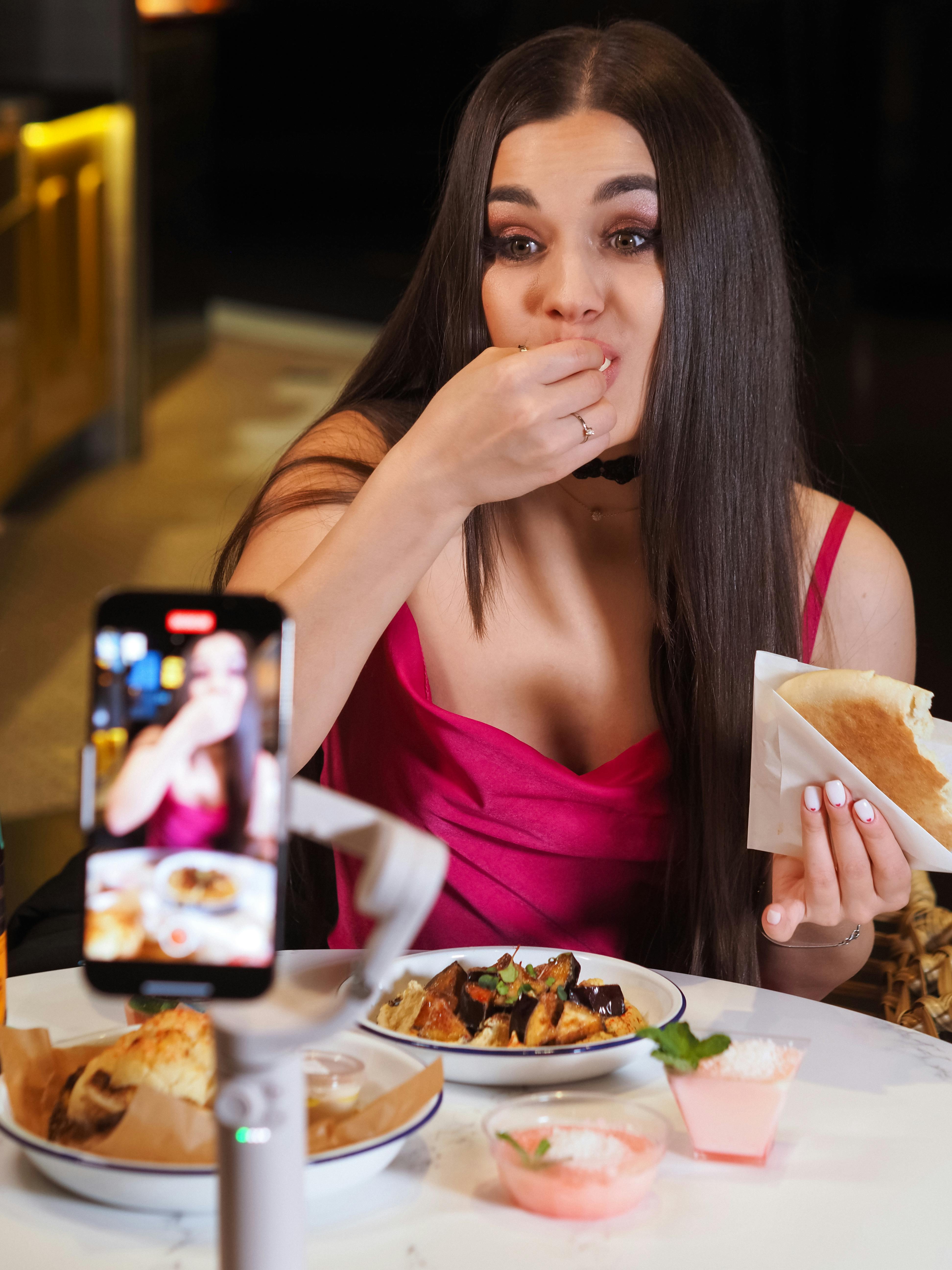
A new layer emerged when influencers transformed eating out into a career asset. For creators, meals could deliver lifestyle credibility, brand deals, and audience growth. A restaurant visit was no longer a simple recommendation. It was content production involving outfit choices, camera angles, table staging, and timing. Followers were not just watching someone eat. They were watching a carefully edited performance of abundance and access.
This performance works because food sits at the intersection of aspiration and intimacy. Fashion can feel distant, but everyone eats. When influencers share croissants in Paris, sushi at a hidden counter, or wellness bowls after a workout, they make status look attainable while still remaining slightly out of reach. That balance is powerful. It invites imitation without fully giving away the system that makes the lifestyle possible.
Brands noticed the effect. Hotels, beverage companies, kitchenware labels, and restaurants began partnering with creators whose feeds matched a desirable aesthetic. According to marketing firms tracking creator commerce, food and dining content remains highly effective because it combines visual appeal with routine relevance. The influencer meal therefore carries layered meaning: it can signal taste, productivity, wellness, travel, and wealth all at once, even when much of the scene is carefully staged.
The pressure to display consumption grew
As food gained status value, everyday users felt the pressure too. Posting a birthday dinner, vacation breakfast, or weekend brunch became a way of proving participation in a desirable life. The logic is subtle but strong: if a meal is special and no one sees it, has its social value been fully realized? Instagram did not invent this impulse, but it scaled and normalized it.
That pressure can distort both spending and experience. People may choose restaurants for visual appeal rather than comfort or quality, order dishes they do not actually want, or interrupt meals for repeated photos. Behavioral researchers have found that social sharing can alter consumer choices by increasing self-consciousness and encouraging performative decisions. In food culture, that often means selecting what will look best rather than what will taste best or fit a budget.
The emotional side matters too. Constant exposure to luxury dining, wellness meals, and immaculate kitchen rituals can make ordinary eating seem inadequate. Home cooking may appear less interesting than restaurant spectacle, and a basic lunch can feel socially invisible next to caviar service or beachfront fruit platters. This is how status symbols work. They turn common needs into ranked experiences, then make the ranking appear natural.
What this says about culture now

Instagram's food culture reveals a broader shift in modern status. Wealth still matters, but visible curation matters too. Status today is often communicated through seemingly personal choices that are actually legible to large audiences: where you travel, what coffee you drink, how your table looks, and whether your meal aligns with current ideals of luxury, sustainability, wellness, or authenticity. Food became a perfect vehicle because it combines pleasure, identity, and public display.
There is also a paradox at work. Instagram made food culture more democratic by giving small restaurants, home cooks, and independent creators a chance to be seen. Viral success no longer belongs only to traditional gatekeepers like glossy magazines or celebrity chefs. At the same time, the platform intensified inequality by rewarding those who can afford beautiful spaces, expensive ingredients, free time, and repeated access to trend-setting places.
In the end, meals became status symbols because Instagram turned visibility into value. A dish is no longer judged only by flavor, craftsmanship, or hospitality, but by how effectively it communicates a life others admire. That does not mean every food photo is shallow or calculated. It means the act of sharing a meal now carries social meaning, and in the age of the feed, that meaning can be as important as the meal itself.



Leave a Reply