
The appeal is easy to miss at first glance. Fewer ingredients, fewer steps, and fewer dishes somehow feel like more control in a noisy, overstuffed food culture.
Simplicity has become a luxury
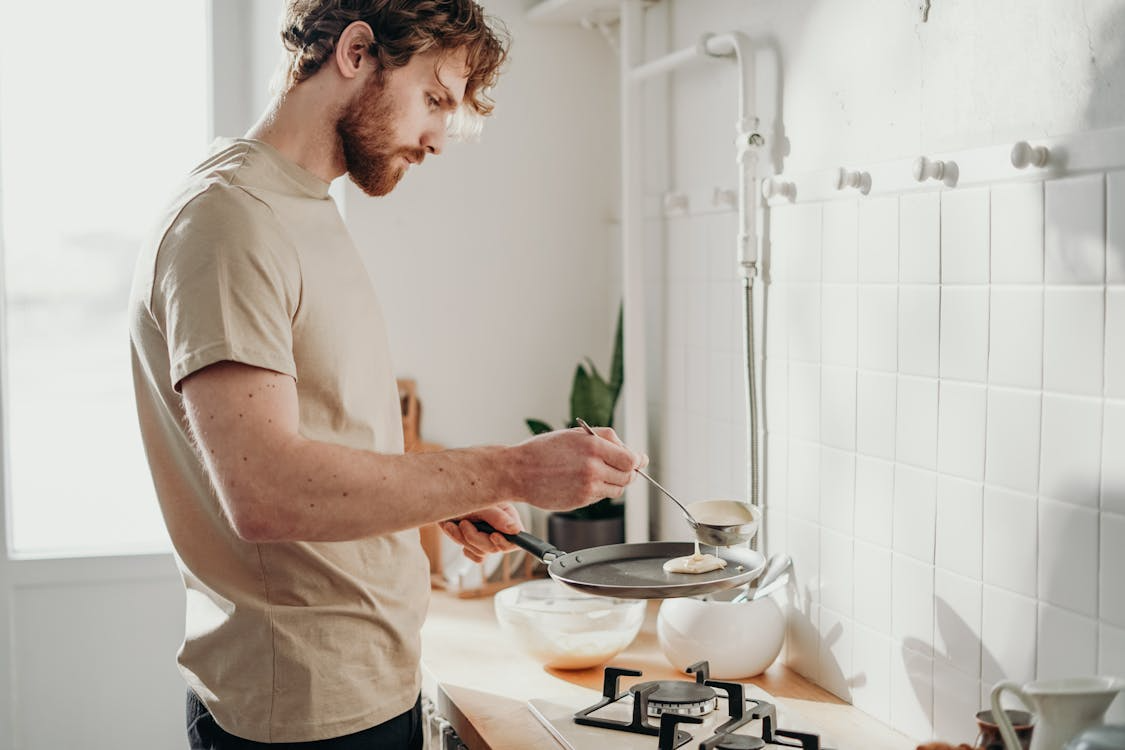
What once looked plain now reads as refined. In a culture saturated with endless recipes, giant grocery hauls, and social feeds built around excess, cooking with just a handful of ingredients feels almost rebellious. Ultra-minimalist cooking answers a modern craving for quiet, order, and clarity in the kitchen.
This shift is not just aesthetic. According to consumer trend reports from major grocery analysts, shoppers are increasingly drawn to foods with short ingredient lists and recipes they can remember without checking a screen every two minutes. The popularity of pantry cooking during the pandemic trained many people to do more with less, and the habit stuck.
Chefs have helped legitimize the movement. Restaurant menus increasingly spotlight dishes built around one hero ingredient, whether it is roasted carrots with yogurt and seeds or pasta finished with butter, pepper, and cheese. The message is clear: restraint can signal confidence. You do not need twelve components to prove skill when technique and ingredient quality do the heavy lifting.
At home, that same logic feels liberating. A cook who knows how to make lentils well, roast seasonal vegetables, or turn eggs into dinner gains something more valuable than novelty: reliability. Minimalist cooking offers a repeatable kind of satisfaction, which is exactly what many overstretched households want right now.
Time pressure changed the way people value food
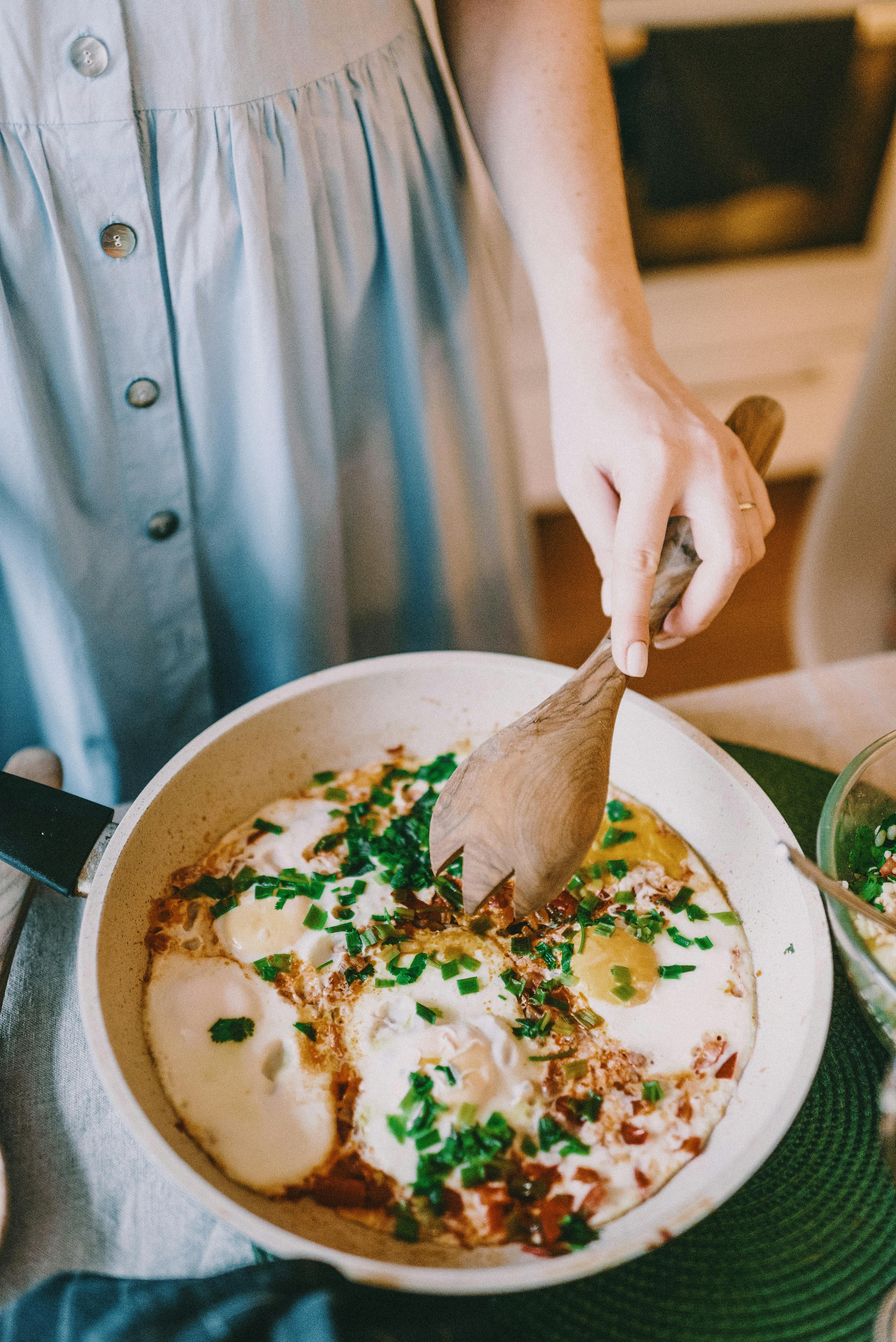
One of the strongest drivers behind this obsession is brutally practical. People are busy, mentally overloaded, and tired of meals that demand an hour of prep followed by a sink full of pans. Ultra-minimalist cooking respects the reality of work schedules, childcare, commuting, and the constant pull of notifications.
The data backs this up. Time-use surveys have long shown that many households want to cook more than they actually do, but complexity gets in the way. A recipe with seven specialty ingredients and multiple cooking phases can feel unrealistic on a Tuesday night. By contrast, a meal of rice, greens, and quickly seared fish feels achievable, even after a long day.
Meal kit fatigue also played a role. While meal kits introduced some people to home cooking, they also highlighted how exhausting hyper-structured recipes can become. Many users liked the convenience but eventually wanted freedom from cards, portions, and scripted steps. Minimalist cooking keeps the convenience while removing the friction.
There is also a psychological payoff. Decision fatigue is real, and dinner is often one more choice in a day full of them. Reducing the number of ingredients, techniques, and possible outcomes lowers stress. The meal may be simpler, but the experience of making it often feels dramatically better.
The economics of fewer ingredients are hard to ignore

Minimalist cooking is also having a moment because budgets are tighter. Food prices have remained a major household concern in many countries, and shoppers are paying close attention to what actually earns a place in the cart. A cooking style built on fewer ingredients naturally aligns with that pressure.
That does not mean people are merely cutting corners. In many cases, they are reallocating spending. Instead of buying a dozen mediocre items for one ambitious recipe, cooks are choosing a few better ingredients they know they will finish. One good loaf of bread, a block of Parmesan, dried beans, eggs, and hardy greens can produce several satisfying meals with very little waste.
Food waste is central to the story. The average household throws away a remarkable amount of edible food every year, much of it tied to overbuying and underusing specialty produce, herbs, and sauces. Ultra-minimalist cooking reduces this problem because it relies on ingredients with multiple uses. Cabbage can become slaw, soup, stir-fry, or roasted wedges. Yogurt can be breakfast, marinade, sauce, or dessert.
This approach makes shopping calmer too. Instead of chasing novelty through isolated purchases, people build a small toolkit of staples. That change lowers cost, but it also lowers anxiety. When almost everything in the fridge can become dinner, cooking starts to feel less risky and much more sustainable.
Health now looks more like balance than restriction
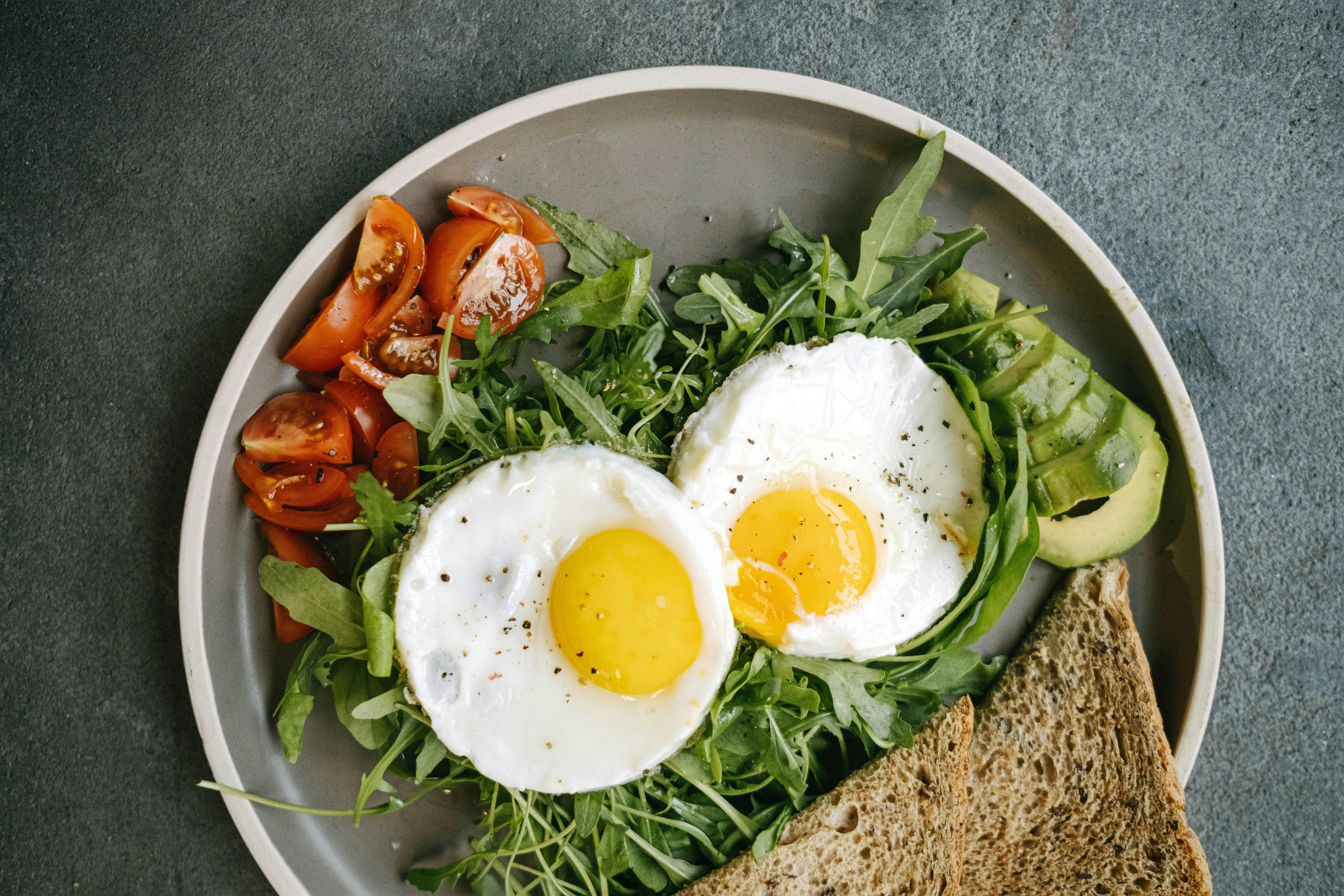
For many people, minimalist cooking feels healthier, not because it follows a strict diet, but because it strips away confusion. A plate built from vegetables, grains, legumes, eggs, fish, or meat in sensible portions is easier to understand than heavily processed meals or complicated wellness trends dressed up as science.
Nutrition experts have been moving in this direction for years. Public health guidance increasingly emphasizes overall dietary patterns, cooking at home, and eating more whole foods rather than obsessing over isolated nutrients. Ultra-minimalist cooking fits neatly into that model. It often leads people toward basic ingredients and away from the kind of packaged excess that can dominate convenience eating.
There is also a sensory reason it feels healthier. When flavors are not buried under sugar, salt, and heavy sauces, people can actually taste what they are eating. That tends to promote mindfulness and satisfaction. A bowl of beans with olive oil, lemon, and herbs may sound modest, but it can feel deeply complete when the ingredients are fresh and properly seasoned.
Importantly, minimalist cooking is not the same as joyless eating. It leaves room for pleasure, which is one reason it has broader appeal than restrictive diet culture. A perfect tomato sandwich, a roast chicken with potatoes, or ripe peaches with cream all fit the philosophy. Simplicity does not cancel indulgence. It often sharpens it.
Social media helped spread the look and the logic
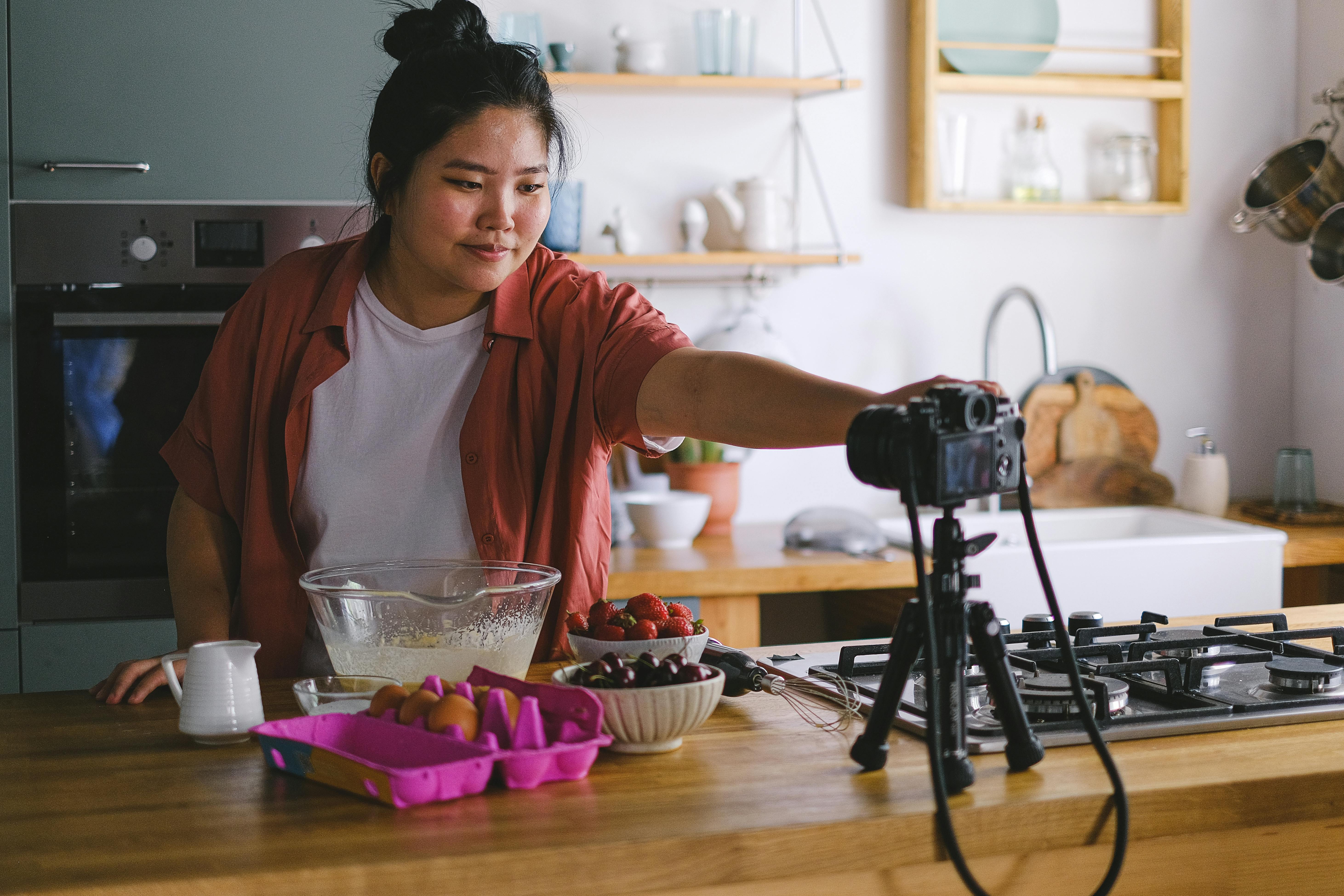
It may sound ironic, but digital culture helped fuel the rise of cooking that rejects excess. Short-form video platforms are packed with creators showing elegant meals made with four or five ingredients, one pan, and calm narration. The visual language matters: clean counters, simple plating, and ordinary ingredients presented with confidence.
This content performs well because it feels attainable. Viewers are more likely to try a recipe when they can instantly grasp the method and recognize every ingredient. The old internet recipe model often rewarded extremity, whether through giant portions, novelty combinations, or long ingredient lists. Today, many audiences respond better to usefulness and clarity.
There is also a trust factor. When creators demonstrate that a few ingredients can become something beautiful, they lower the intimidation barrier around cooking. This is especially important for younger adults, many of whom learned to cook through online media rather than family routines. A three-ingredient pasta sauce or sheet-pan meal can function as both instruction and confidence-building.
At the same time, minimalist cooking photographs well. Natural textures, muted colors, steam rising from simple food, and rustic table settings all signal authenticity. The style fits broader lifestyle trends that prize decluttering, intentional living, and slower routines. In that sense, the food is not just dinner. It is part of a larger cultural mood.
The real obsession is about control, confidence, and pleasure
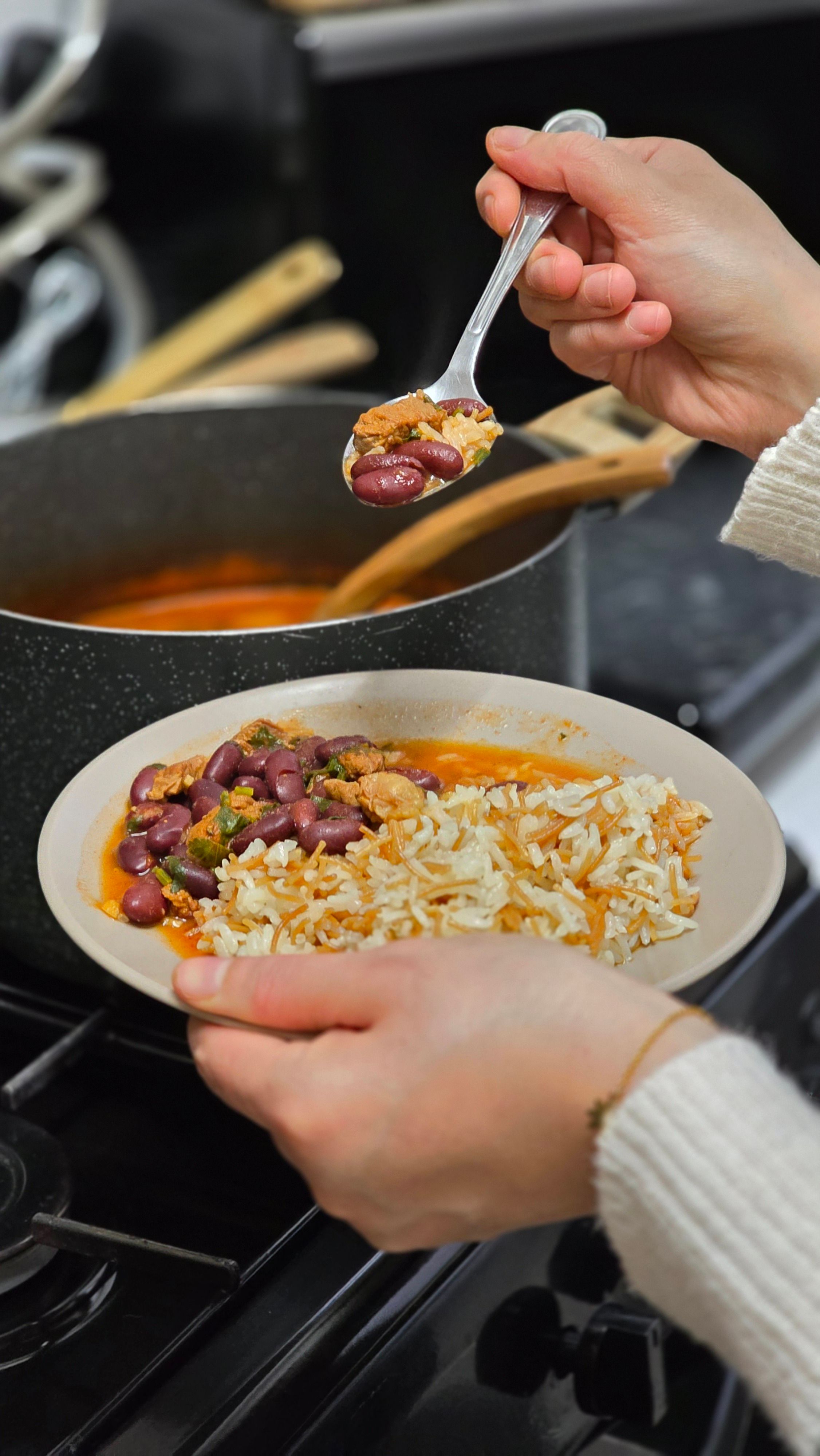
At its core, ultra-minimalist cooking is not really about deprivation. It is about reclaiming the kitchen from noise, expense, and intimidation. People are drawn to it because it turns cooking into something manageable again, even elegant, without requiring professional training or endless shopping.
There are clear real-world examples of why this sticks. Families batch-cooking beans, roasted vegetables, and grains on Sunday can mix and match meals all week. Solo cooks can rely on omelets, soups, and simple noodle dishes without burning through money or energy. Even skilled home cooks often return to minimalist meals after experimenting with more elaborate recipes because they know simple food delivers more often than it disappoints.
Professional kitchens quietly support the logic as well. Many chefs will say the hardest thing is not adding more, but knowing what to leave out. That principle translates beautifully to home cooking. Precision, seasoning, and timing matter more when there is nowhere to hide, and that makes every success feel earned.
That is why the obsession feels so immediate and widespread. Minimalist cooking meets the moment economically, emotionally, and practically. It helps people eat better, waste less, and trust themselves more. In an age of overload, that kind of clarity is not a passing fad. It is a genuine relief.




Leave a Reply