
Some of the world's most meaningful meals are about far more than what lands on the plate. UNESCO has recognized a number of food traditions for the skills, rituals, and family bonds they help preserve, making them perfect inspiration for home cooks everywhere. This gallery explores 12 celebrated culinary traditions and shows why trying them can bring a little more history, togetherness, and flavor to your family table.
Mediterranean Diet
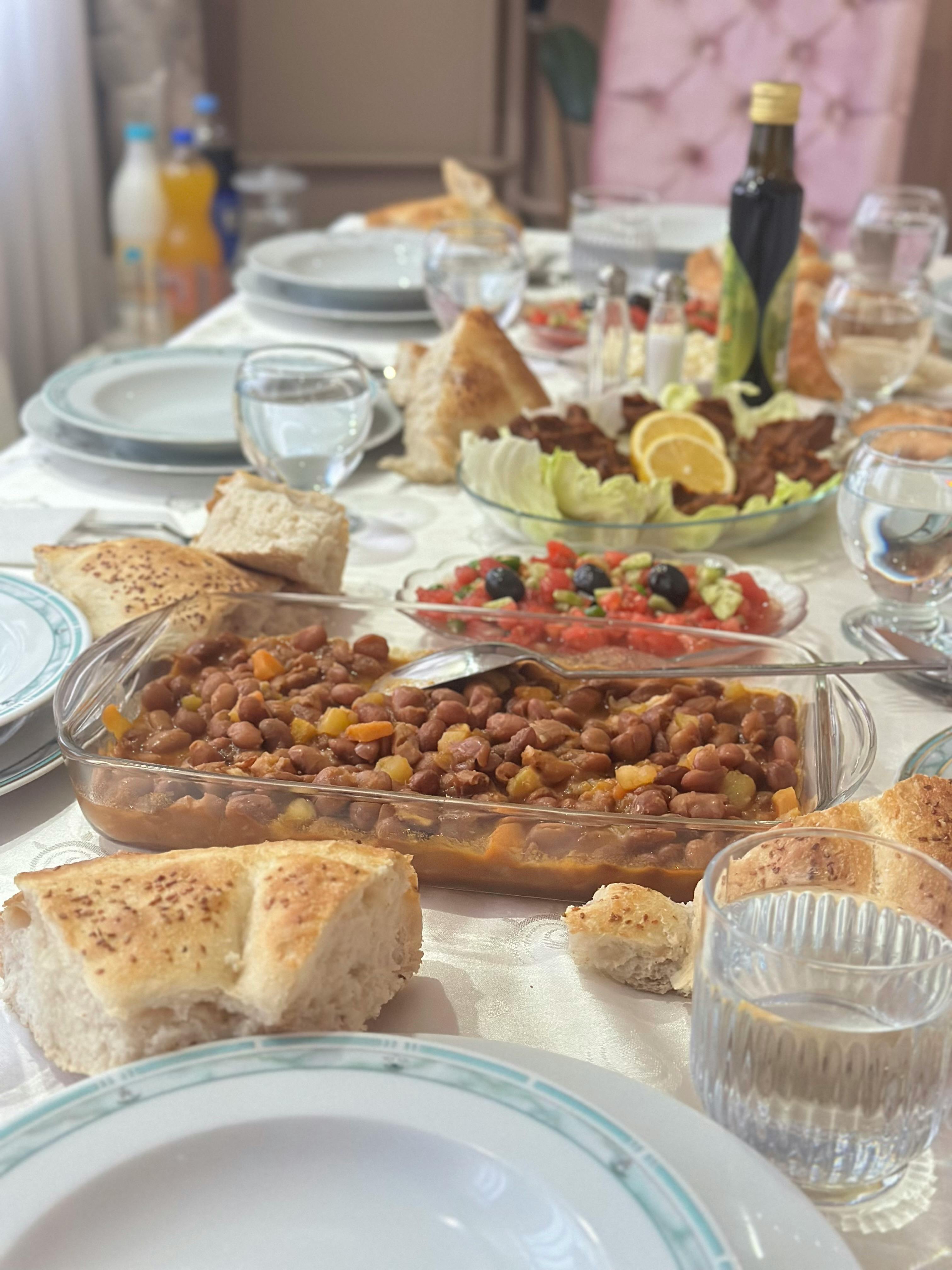
The Mediterranean diet is often described as healthy eating, but UNESCO recognized something bigger: a way of life built around sharing, seasonality, and local ingredients. In countries such as Greece, Italy, Spain, and Morocco, meals are tied to markets, gardens, fishing, and the simple pleasure of gathering with others.
At home, this tradition is easy to borrow. Think olive oil, beans, vegetables, whole grains, herbs, yogurt, and fish, with meat used more sparingly. The point is not strict rules. It is creating a table where food feels fresh, balanced, and social.
For families, that makes this tradition especially appealing. A tomato salad, grilled fish, lentil soup, and good bread can turn an ordinary dinner into something generous and memorable.
Traditional Mexican Cuisine
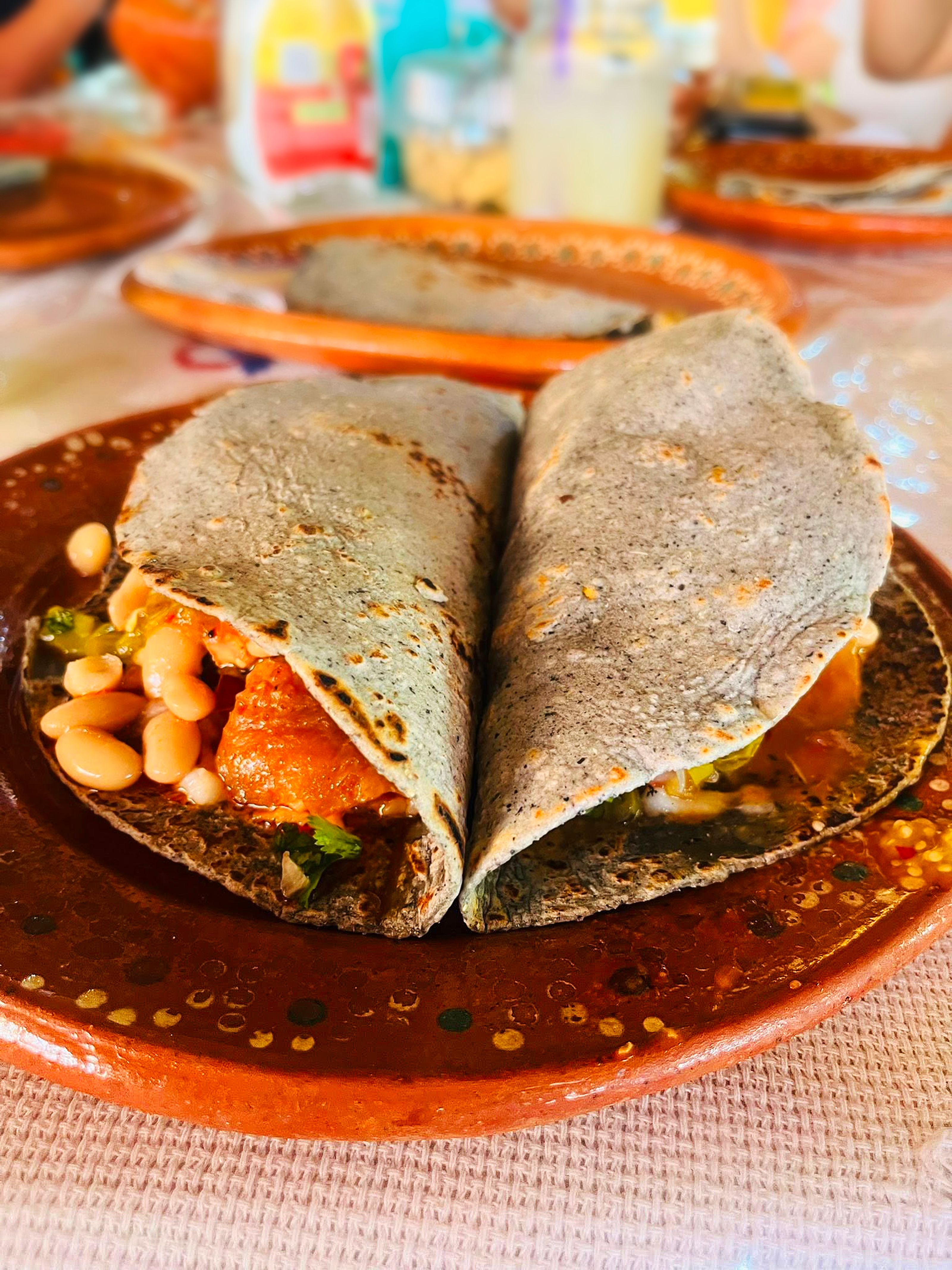
Mexican cuisine earned UNESCO recognition for its deep agricultural roots, communal cooking, and enduring techniques. At its heart is the milpa system, where corn, beans, and squash support one another in the field and on the plate. It is a food tradition shaped by Indigenous knowledge, regional diversity, and family rituals that still thrive.
For home cooks, tortillas are a great place to begin. Fresh masa, beans simmered slowly, salsas made with roasted chiles, and dishes like tamales or pozole carry both flavor and history. Even a simple taco night feels richer when the ingredients are treated with care.
What families often love most is the sense of participation. One person presses tortillas, another chops toppings, and everyone gathers around dishes meant for sharing.
Washoku

Washoku, the traditional dietary culture of Japan, is rooted in respect for nature and the rhythm of the seasons. UNESCO recognized it not just for iconic dishes, but for a whole approach to meals: balance, beauty, and a close link between food and annual customs. New Year dishes are especially important, carrying meanings of health, luck, and longevity.
A family can try washoku without mastering restaurant-level technique. Start with steamed rice, miso soup, grilled fish, pickled vegetables, and a simple side of greens. The meal is designed to feel satisfying without being heavy, with each part playing a clear role.
There is also a quiet elegance to the table. Small portions, careful plating, and attention to color make dinner feel thoughtful and calm, even on a busy weeknight.
The Gastronomic Meal of the French
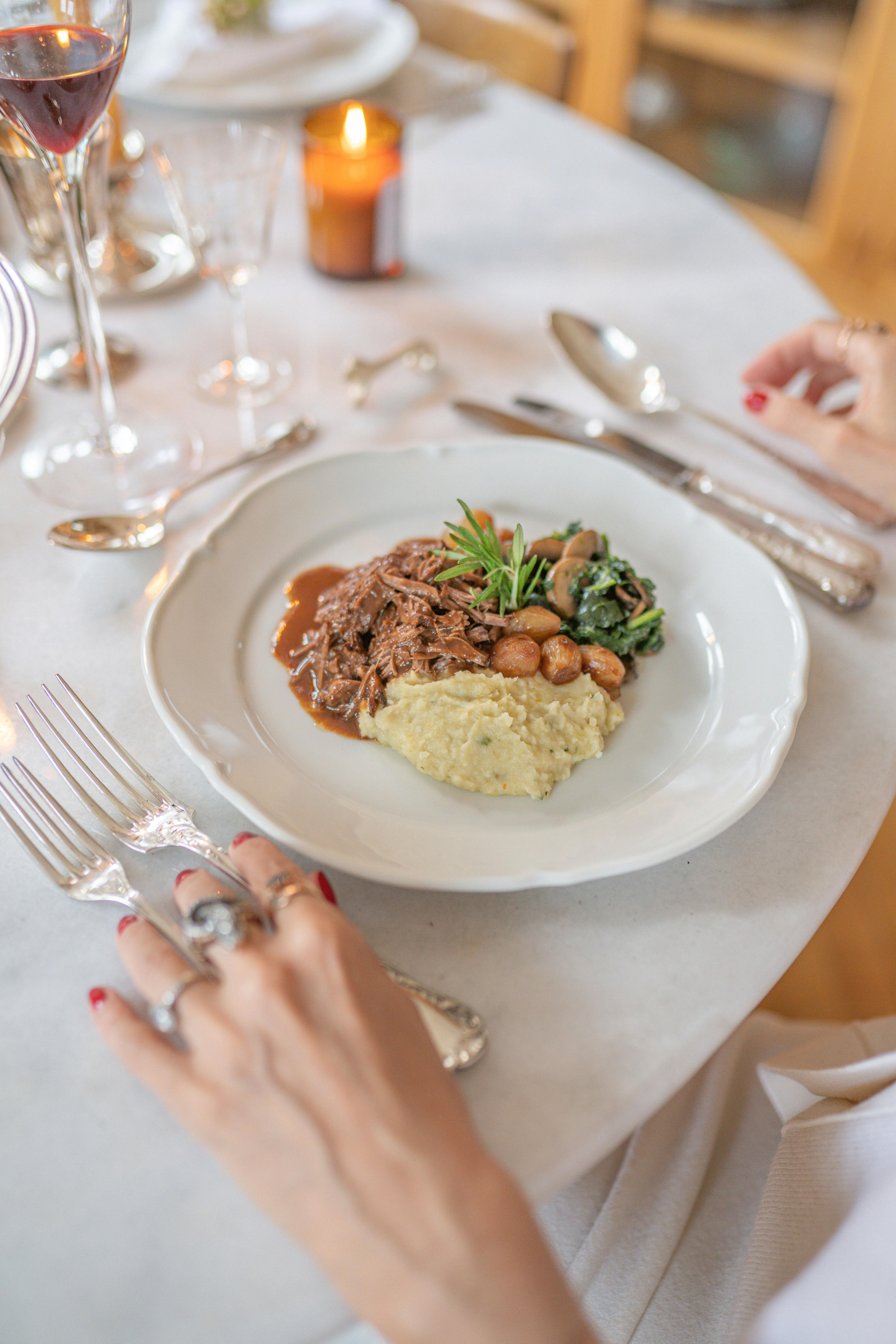
France's UNESCO-recognized gastronomic meal is less about a single recipe and more about the art of dining well together. It celebrates choosing ingredients carefully, pairing dishes with intention, setting a proper table, and moving through a meal in a way that encourages conversation. In short, the ritual matters as much as the food.
Families can adapt this beautifully at home. A starter, a main course, salad, cheese, and dessert may sound formal, but the charm lies in pacing, not extravagance. Even a modest menu feels special when each course is served with care.
This tradition reminds people to slow down. Light the candles, use the nice plates, and let dinner unfold. The result is a meal that feels festive without requiring a holiday.
Kimjang

Kimjang is the Korean tradition of making and sharing kimchi in large quantities, usually before winter. UNESCO recognized it because it combines practical food preservation with neighborly cooperation, seasonal knowledge, and a strong sense of community. It is one of those traditions where the work itself becomes part of the celebration.
At home, families can start with napa cabbage kimchi or even a smaller batch of radish kimchi. Salting, seasoning, packing, and waiting for fermentation teaches patience in a very hands-on way. The flavors are bold, but the process is approachable once you understand the basic steps.
What makes kimjang memorable is the spirit around it. People gather, trade tips, taste as they go, and often share the finished jars with relatives and friends.
Turkish Coffee Culture and Tradition

Turkish coffee is one of the clearest examples of how a drink can carry an entire social world. UNESCO recognized it for the rituals of roasting, grinding, brewing, serving, and conversation that surround the tiny cup. Coffee is offered in homes, at celebrations, and during visits, often as a gesture of welcome and respect.
For families, trying this tradition can be wonderfully simple. Finely ground coffee is simmered in a cezve with water, and sometimes sugar, until a delicate foam forms. It is served in small cups, usually with a glass of water and something sweet on the side.
The beauty lies in the pause it creates. You sip slowly, talk a little longer, and make hospitality feel intentional rather than rushed.
Arabic Coffee

Arabic coffee, often known as gahwa, is a cornerstone of hospitality across parts of the Arab world. UNESCO recognized it as a social practice centered on generosity, etiquette, and welcome. The serving ritual, from the dallah pot to the small handleless cups, communicates warmth before a single word is spoken.
The flavor is usually lighter in color than many people expect, and it may be scented with cardamom or other spices. It is commonly offered with dates, which balance the drink's gentle bitterness and help turn a brief visit into a shared moment.
For families, this tradition is less about caffeine and more about manners and care. Preparing and serving coffee thoughtfully can become a lovely way to honor guests and everyday togetherness alike.
Belgian Beer Culture

Belgium's beer culture gained UNESCO recognition for the craftsmanship, local identity, and social rituals attached to brewing and drinking. Monastic traditions, family breweries, regional specialties, and carefully matched glassware all play a part. It is a culture built on knowledge and appreciation, not just consumption.
For a family-friendly version at home, the lesson is really about craft foods and mindful tasting. Adults might sample a saison or dubbel with a meal, while kids can join through beer-battered dishes, cheese pairings, or a conversation about how regional foods develop over time.
This tradition also highlights the pleasure of slowing down and noticing detail. The aroma, the serving vessel, and the food pairing all matter, turning a simple drink into a fuller cultural experience.
Neapolitan Pizzaiuolo
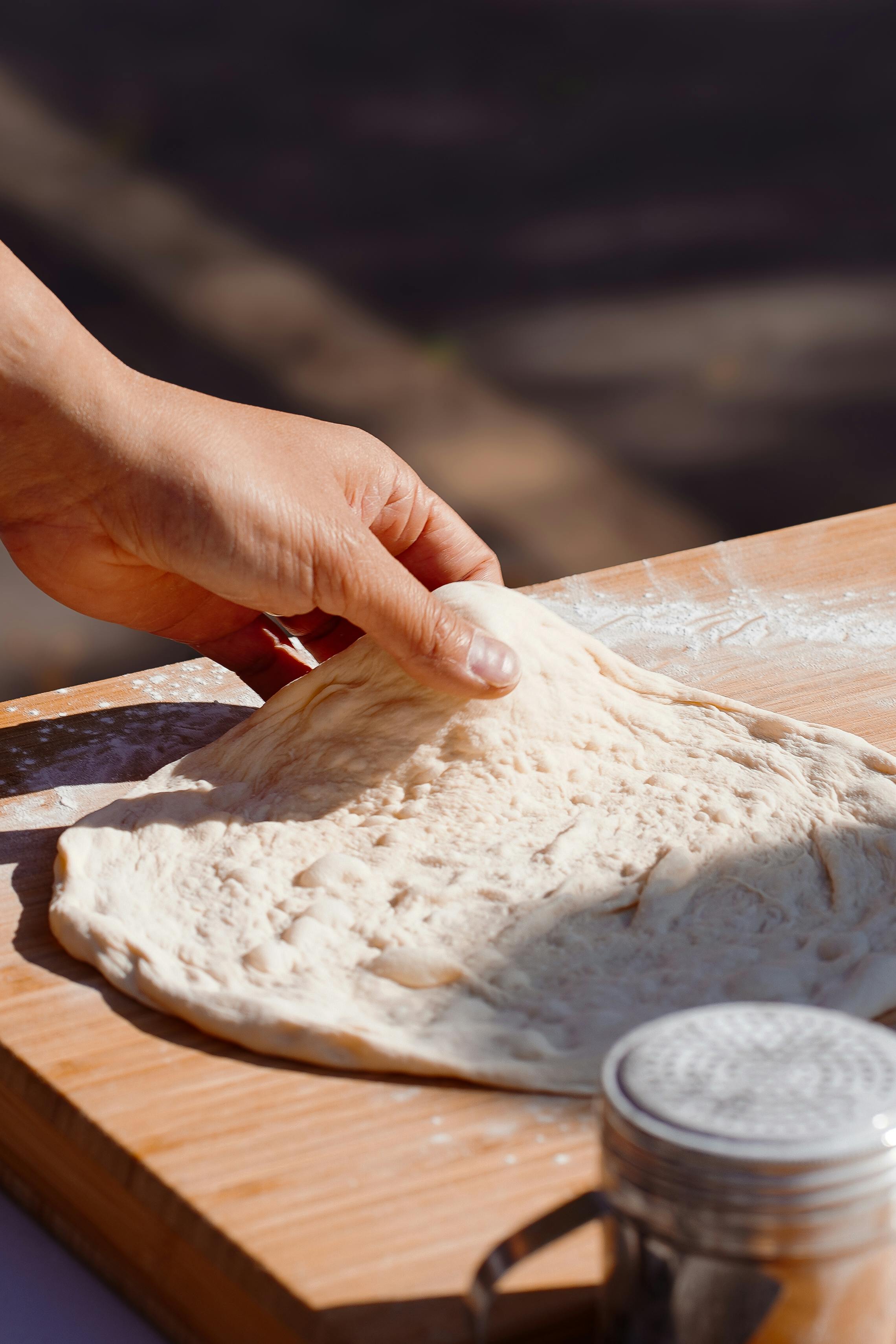
The art of the Neapolitan pizzaiuolo is UNESCO-recognized because it preserves a living craft, not just a famous food. In Naples, pizza making involves skilled dough handling, careful fermentation, quick wood-fired baking, and an almost musical rhythm between pizzaiuolo and oven. It is a tradition passed from master to apprentice and from family to family.
For home cooks, pizza night becomes more meaningful when you focus on method. A soft dough, simple toppings like tomato, mozzarella, basil, and high heat can get you surprisingly close to the spirit of the original. Less is often more.
Families love this one because everyone can join in. Stretching dough, choosing toppings, and watching the crust puff up makes dinner feel playful, tactile, and deliciously immediate.
Couscous

Couscous was jointly recognized by several North African countries, reflecting a shared culinary heritage that crosses borders and generations. Traditionally hand-rolled from semolina and steamed until light and tender, it is often served at family gatherings, Friday meals, and festive occasions. UNESCO's recognition honors both the technique and the social life around it.
At home, couscous can be a gentle gateway into communal cooking. A large platter topped with vegetables, chickpeas, and lamb or chicken invites everyone to gather close. The flavors are comforting, and the meal scales easily for a crowd.
It is also a reminder that staple foods can carry remarkable cultural weight. A humble grain becomes a centerpiece when prepared with patience, generosity, and the expectation of sharing.
Harissa

Harissa, recognized as part of Tunisia's living heritage, is much more than a spicy condiment. It reflects local farming, pepper processing, preservation methods, and the everyday creativity of home kitchens. Families often have their own preferred balance of dried peppers, garlic, caraway, coriander, and olive oil, making each batch slightly personal.
Trying harissa at home opens up a whole range of meals. It can season stews, brighten soups, flavor roasted vegetables, or turn a simple sandwich into something lively. A little goes a long way, but its depth matters as much as its heat.
This tradition shows how a pantry staple can define a cuisine. When families make or use harissa together, they are tasting a craft that has been shaped over generations.
Ceebu Jën
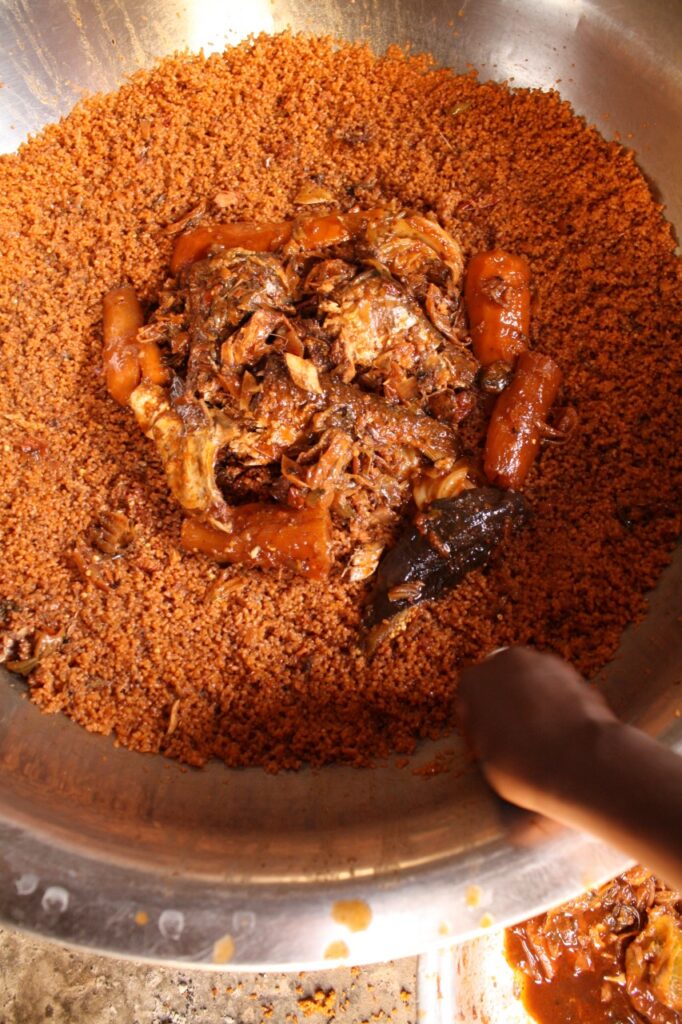
Ceebu Jën, often called thieboudienne, is the beloved Senegalese rice and fish dish recognized by UNESCO for the knowledge and rituals tied to its preparation. It brings together rice, fish, vegetables, herbs, and tomato in a meal that reflects local ingredients, family memory, and the pride of shared cooking traditions.
The dish can look impressive, but its appeal is wonderfully homey. The fish is often stuffed or seasoned, the rice absorbs the cooking juices, and the vegetables become tender and deeply savory. Everything ends up connected by the same pot and the same patient process.
For families, Ceebu Jën offers a chance to cook collaboratively and eat communally. It is hearty, colorful, and rooted in the idea that the best meals carry both nourishment and identity.




Leave a Reply