
Lab-grown meat is often pitched as the future of food, but the reality is more layered than the buzz suggests. Behind the headlines are surprising details about how it is made, why it is so hard to scale, and what regulators, shoppers, and farmers are still debating. This gallery explores five lesser known facts that help explain why cultivated meat remains one of the most talked-about and misunderstood food trends today.
It starts with animal cells, not a plant-based recipe
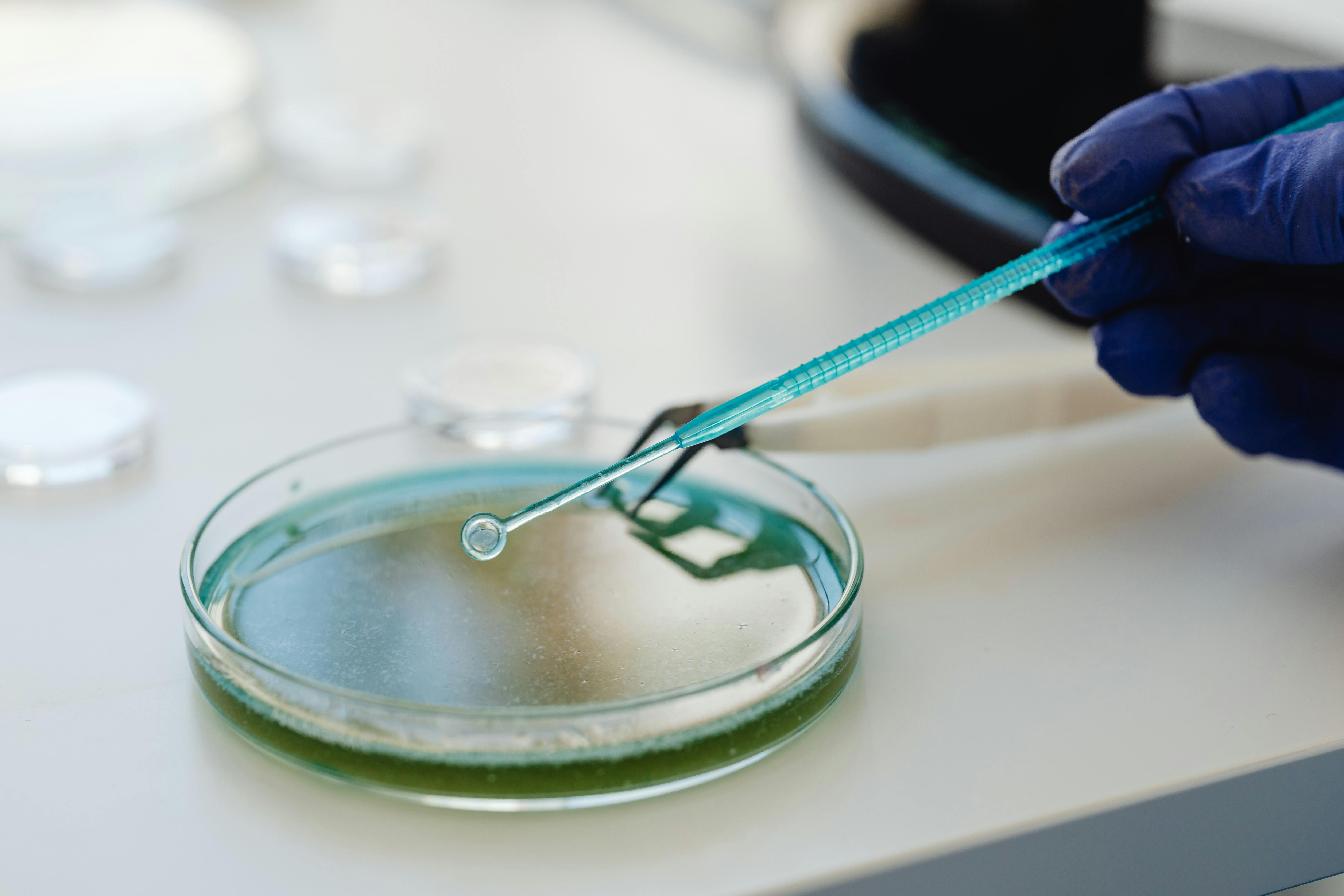
The first surprise is simple: lab-grown meat is real animal tissue, not a clever imitation made from soy or peas. Scientists begin with animal cells, often taken from muscle or fat, and place them in a nutrient-rich environment designed to help them grow and multiply.
Those cells need amino acids, sugars, vitamins, minerals, and growth factors to keep developing. Over time, they can form the building blocks of meat, including muscle fibers and fat cells, which is why cultivated meat aims to taste and behave more like conventional meat than many plant-based alternatives.
That distinction matters because it shapes everything from regulation to consumer expectations. People who assume it is just another veggie burger often miss the point: the technology is trying to produce meat itself, only without raising and slaughtering animals at commercial scale.
The growth medium has been one of the industry's biggest hurdles

One of the least discussed parts of cultivated meat is the liquid feed that keeps the cells alive. This growth medium acts like a carefully balanced soup, delivering the nutrients and biological signals cells need to divide, mature, and become usable tissue.
For years, one major issue was reliance on expensive ingredients, including fetal bovine serum in early research settings. Many companies have worked hard to move away from animal-derived components for ethical, cost, and consistency reasons, but creating affordable, animal-free media at scale remains a major technical challenge.
This is where much of the industry's progress or slowdown is decided. If companies cannot lower media costs dramatically, it becomes difficult to produce cultivated meat at prices that ordinary shoppers will accept in supermarkets or restaurants.
Making a chicken nugget is easier than making a steak
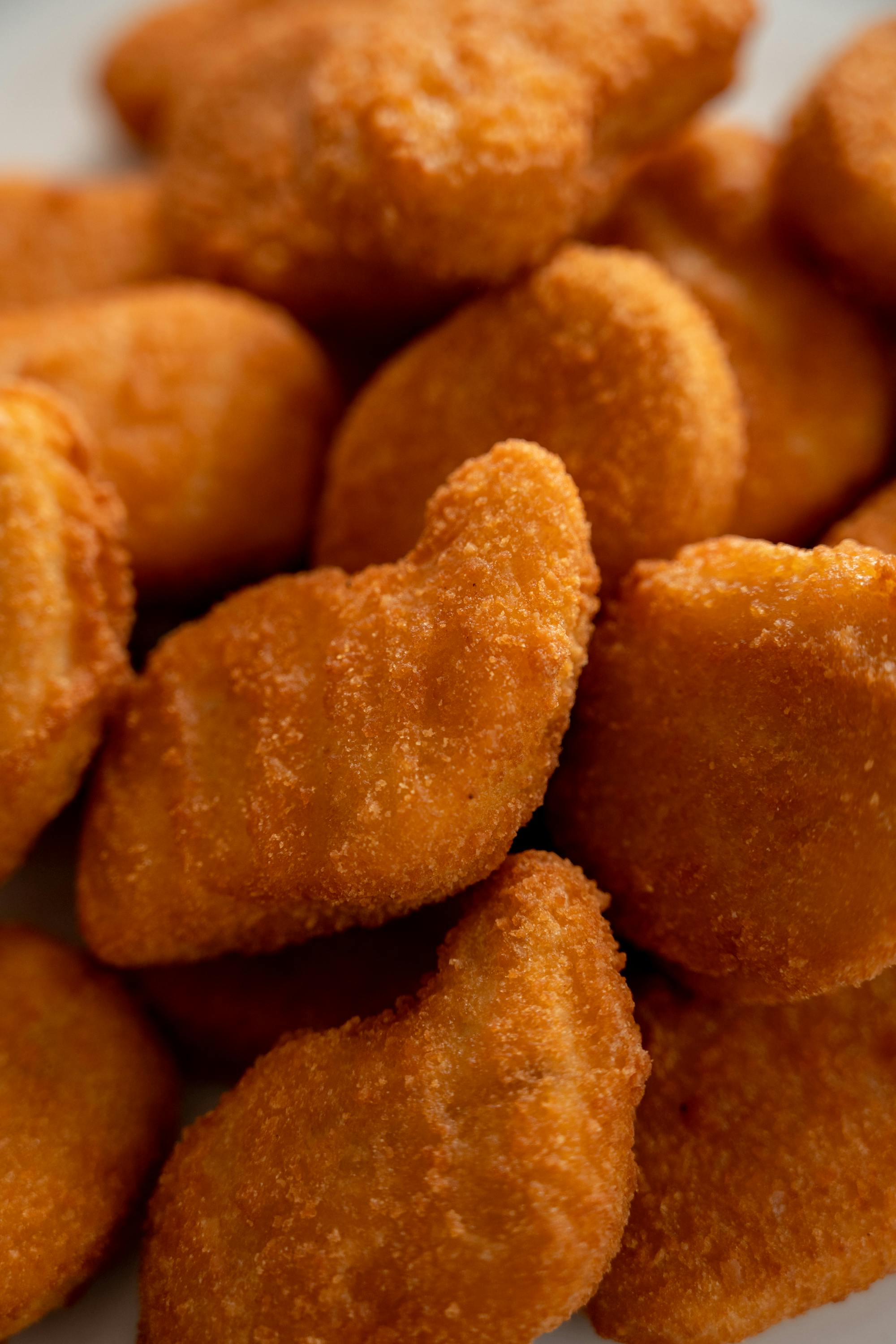
Texture is where the science gets especially tricky. It is relatively manageable to grow cells that can be formed into products like nuggets, sausages, or burgers, because those foods do not require the same complex internal structure as a whole cut of meat.
A steak, by contrast, is an architectural challenge. It contains organized muscle fibers, connective tissue, fat distribution, moisture, and bite, all working together. To recreate that, companies often need scaffolds or structured supports that help cells grow in the right shapes and layers.
That is why many cultivated meat launches have focused on blended or processed products first. The goal is practical: start with formats that are easier to produce consistently, then tackle more demanding cuts once the underlying biology and manufacturing methods improve.
Its environmental footprint depends heavily on how it is produced

Cultivated meat is often described as a climate-friendly food, but the full picture is not settled. In theory, producing meat from cells could reduce land use, cut pressure on forests, and lower some forms of agricultural pollution, especially if the process becomes highly efficient.
In practice, the environmental outcome depends on energy use, facility design, ingredient sourcing, and the scale of production. Large bioreactors, sterile manufacturing spaces, and temperature-controlled systems can be energy intensive, particularly if powered by fossil fuels.
That means the climate case is not automatic. Some life-cycle analyses suggest meaningful benefits under cleaner energy scenarios, while others caution that poorly optimized systems could erase part of the advantage. The technology's footprint will likely hinge on industrial choices, not just the idea itself.
Regulators do not all classify it the same way
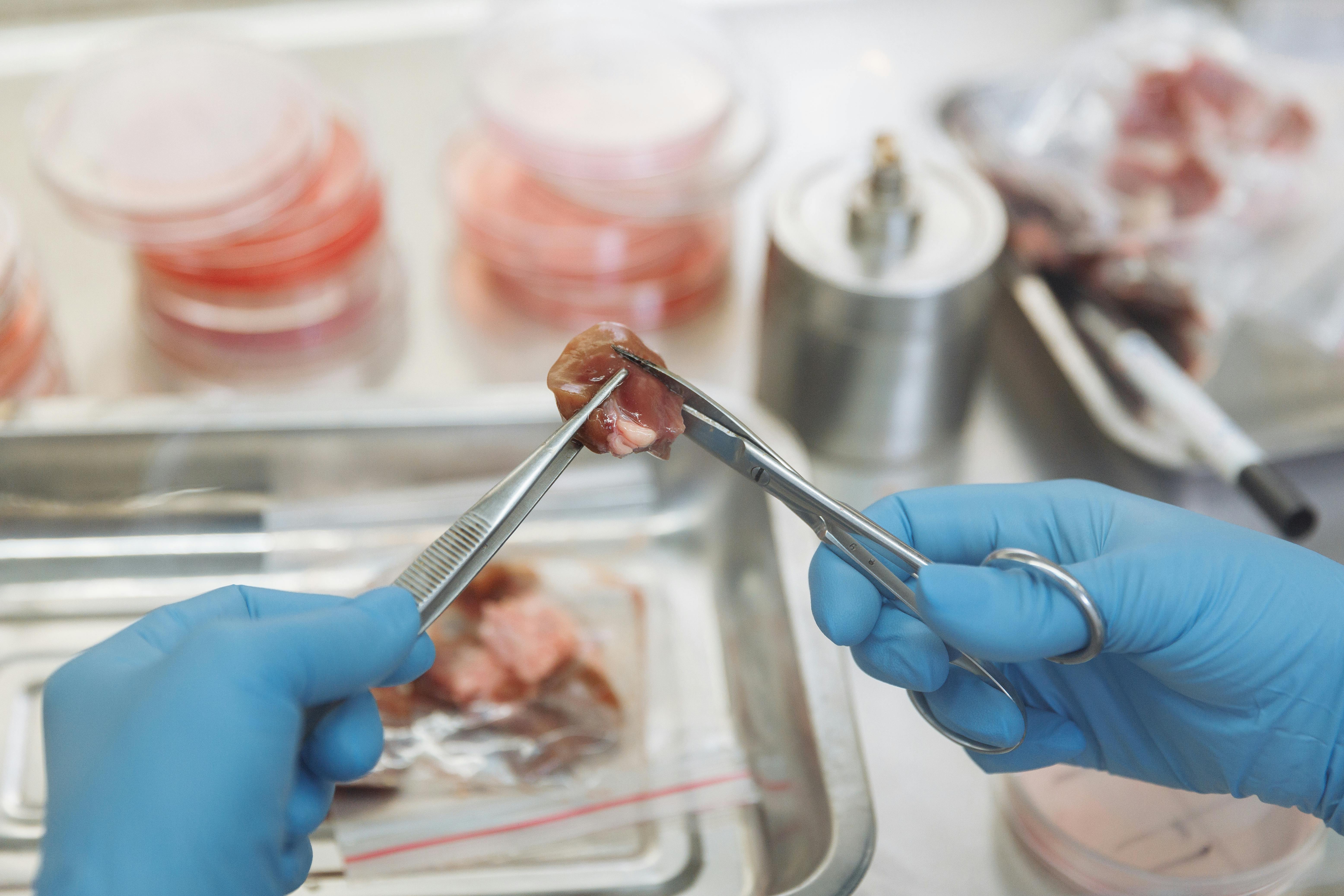
A food can sound futuristic and still face very old-fashioned bureaucracy. Cultivated meat has to pass safety reviews, labeling debates, and jurisdictional questions, and those rules differ from country to country, which helps explain why rollout has been slow and uneven.
In the United States, oversight is shared, with the FDA and USDA both playing roles. In Singapore, regulators became early global pioneers by approving cultivated meat for sale before many larger markets were ready. Other regions are still deciding how to define, test, and label these products.
Those decisions matter because naming affects trust. Terms like lab-grown, cultivated, cell-cultured, and cultured meat all carry different emotional weight, and governments know that what ends up on a package can shape whether people see the product as innovative, strange, or safe.
Consumer resistance is about emotion as much as science

People do not choose food with logic alone, and cultivated meat is a perfect example. Surveys have found curiosity, but also hesitation, often tied to ideas about naturalness, trust, and whether a product made in a facility feels too engineered to belong on a dinner plate.
This reaction is not necessarily about misunderstanding the science. Many consumers understand the basic concept and still feel uneasy. Food is personal, cultural, and emotional, so reactions can turn on wording, branding, who is endorsing the product, and whether people imagine it as a niche experiment or a normal meal.
That is why tastings, restaurant partnerships, and chef involvement matter. Familiar settings can make new technology feel less abstract, helping people judge the product by flavor and experience rather than by the discomfort stirred up by the word laboratory.
The economics are still far from ordinary grocery prices
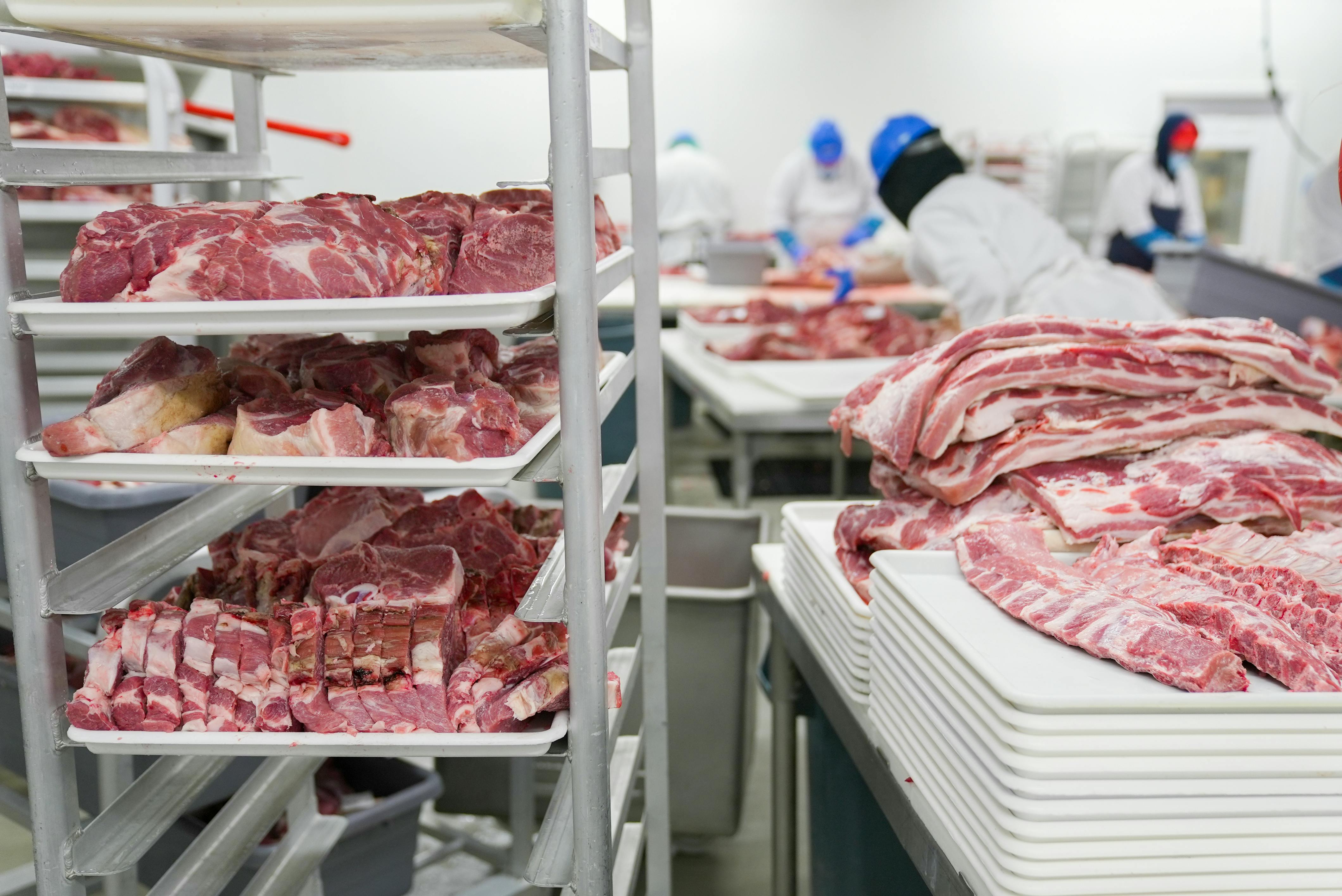
Here is the reality check: cultivated meat has become much cheaper than it was a decade ago, but bringing the price down is not the same as making it cheap. Early prototypes famously cost enormous sums, and while those headline figures have fallen, mass-market affordability remains a distant target.
The main cost pressures come from growth media, specialized equipment, sterile production systems, and scaling cells in large volumes without losing quality. Building facilities that can reliably produce tons of meat is very different from producing promising samples in a research lab.
This is why many companies are starting with premium markets, limited launches, or hybrid products that blend cultivated animal cells with plant ingredients. For now, the business model is still catching up to the ambition, and investors are watching closely for proof that scale can truly lower cost.
It may reshape farming, but probably not in one dramatic sweep

The biggest long-term question may be less about science and more about who wins, who adapts, and who gets left behind. Cultivated meat is often framed as a total replacement for livestock, but many experts expect a slower, messier future with conventional, plant-based, and cultivated proteins all sharing the market.
That could still have major ripple effects. Demand for feed crops, animal breeding, veterinary inputs, and slaughterhouse infrastructure could shift over time if cultivated meat gains a meaningful foothold. At the same time, farmers may find roles in supplying ingredients, energy, or specialized cell lines, depending on how the industry develops.
In other words, this is not just a food story. It is also a story about rural economies, manufacturing policy, consumer identity, and how societies decide what kind of innovation they want on the table in the decades ahead.




Leave a Reply