
A lower grocery bill usually starts long before you reach the checkout. The real savings come from buying with purpose and using food well once it gets home.
Start with a plan that reflects how you actually eat
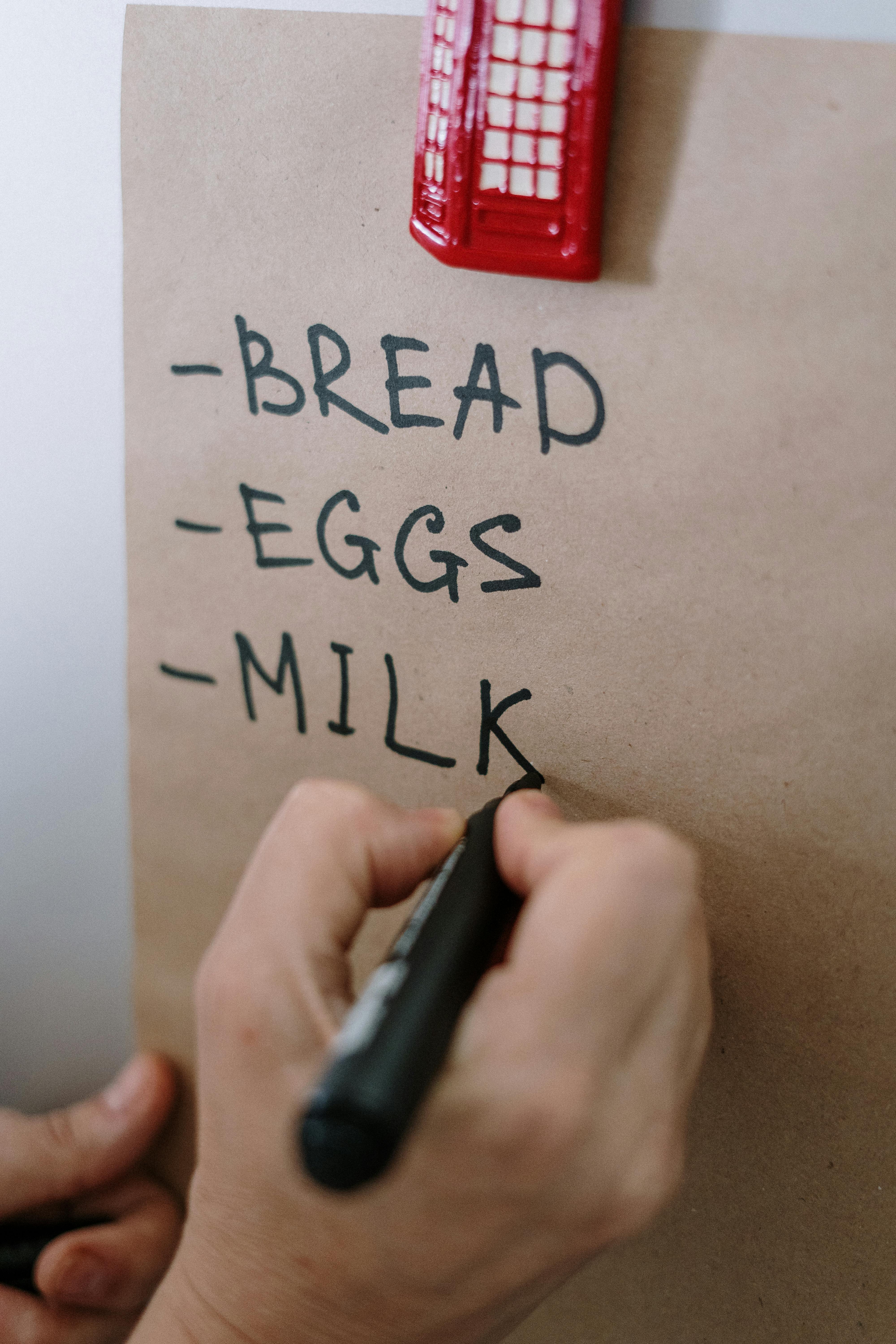
The biggest mistake most households make is shopping for an ideal week instead of a real one. People buy ingredients for ambitious dinners, fresh produce for daily salads, and bulk deals they hope to use later. Then work gets busy, plans change, and the food sits untouched. A useful grocery plan begins with honesty about your schedule, appetite, and cooking habits.
Start by checking what is already in your fridge, freezer, and pantry before making a list. This step prevents duplicate purchases and reveals ingredients that should be used first. A carton of yogurt nearing its date, half a bag of spinach, or leftover rice can shape meals for the next few days. Professional kitchens call this stock rotation, and the same principle works at home.
It also helps to build your list around a few flexible meals instead of seven rigid recipes. Roasted chicken can become tacos, soup, or sandwiches. Cooked vegetables can go into pasta, grain bowls, or omelets. When ingredients can work in multiple dishes, your odds of using everything rise sharply.
According to food waste research from the United States Department of Agriculture and the Environmental Protection Agency, households are a major source of wasted food. Much of that waste begins with overbuying. A practical plan cuts both spending and waste because it aligns purchases with what will realistically be cooked and eaten.
Shop strategically instead of chasing every deal

A discount only saves money if the food gets used. Stores are designed to encourage impulse buying, especially through end-cap displays, bulk promotions, and limited-time offers. These deals can be worthwhile, but only when they fit your meal plan and storage space. Buying 3 avocados for a lower unit price is not a bargain if 2 turn brown before you eat them.
Unit pricing is one of the simplest tools for smarter shopping. Comparing the cost per ounce, pound, or liter often reveals that a promotion is less impressive than it appears. Larger packages may be cheaper by weight, but they also carry a higher risk of spoilage. For foods with a short shelf life, the best value is often the amount you can finish.
Store brands can also reduce costs without sacrificing quality. In many categories, including canned beans, oats, pasta, frozen vegetables, and basic dairy items, private-label products perform nearly identically to national brands. Consumer testing over the years has shown that the difference is often packaging and marketing, not usefulness in everyday meals.
Timing matters too. Shopping after eating can reduce impulse spending, while shopping once or twice a week limits random purchases. Many shoppers also save by mixing store types, using discount grocers for staples and traditional supermarkets for specialty items. The key is not to chase every bargain, but to build a repeatable system that lowers waste and keeps spending steady.
Learn the difference between food dates and food safety
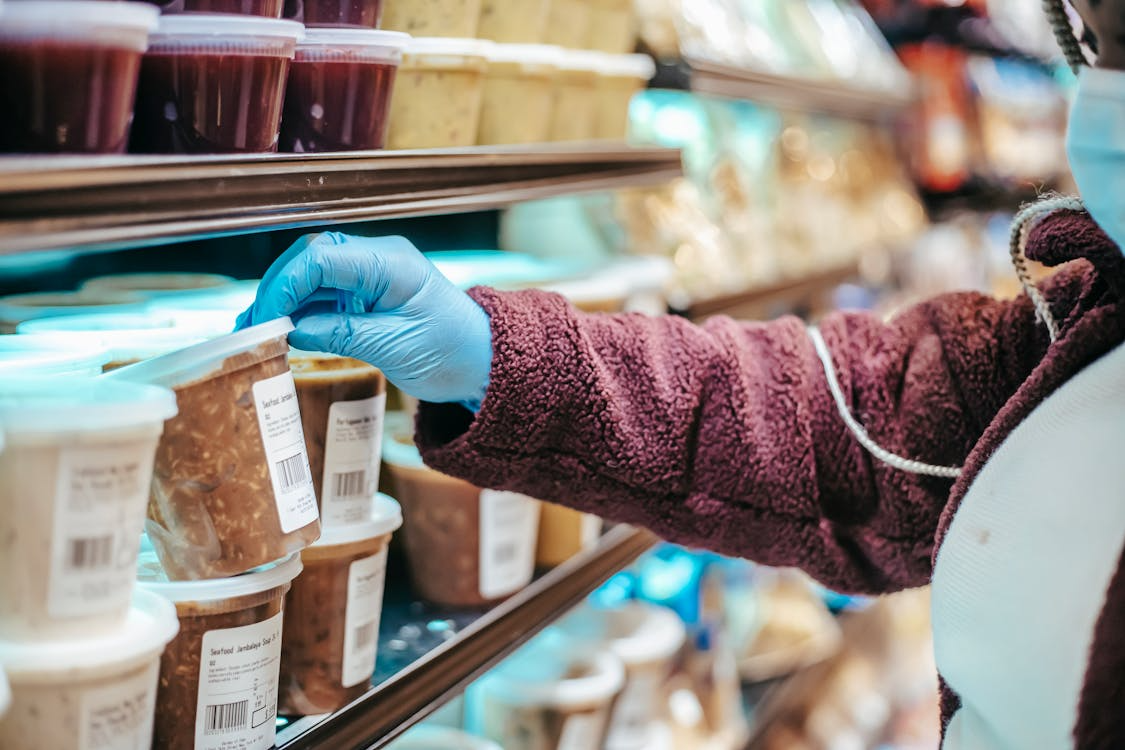
Confusion around date labels leads many people to throw away perfectly good food. In most cases, labels such as "best by" or "best if used by" refer to quality, not safety. They indicate when a product may be at peak flavor or texture. That does not mean it becomes unsafe the next day. This misunderstanding costs households money every week.
The United States Department of Agriculture has repeatedly explained that, except for infant formula, product dating is generally not a strict safety deadline. A yogurt cup one or two days past its best-by date may still be fine. Bread can often be frozen before mold develops. Eggs frequently last longer than many people assume when refrigerated properly.
That said, date flexibility does not replace common sense. Perishable foods such as raw meat, seafood, and prepared deli items still require careful handling. Smell, texture, visible spoilage, and time spent in unsafe temperatures matter. The goal is to avoid unnecessary waste, not to ignore food safety basics.
A good household system is to place foods with earlier dates at the front of the fridge or pantry. Some people use a simple "eat me first" bin for produce, leftovers, and dairy items that should be prioritized. This small habit reduces forgetfulness and turns date labels into a tool for better planning rather than a trigger for automatic disposal.
Store food well so it lasts long enough to be eaten
Many groceries are wasted not because too much was bought, but because they were stored poorly. Fresh herbs wilt, berries mold, greens go slimy, and bread stales faster than expected. Better storage extends shelf life and gives you a larger window to use what you purchased. That translates directly into savings.
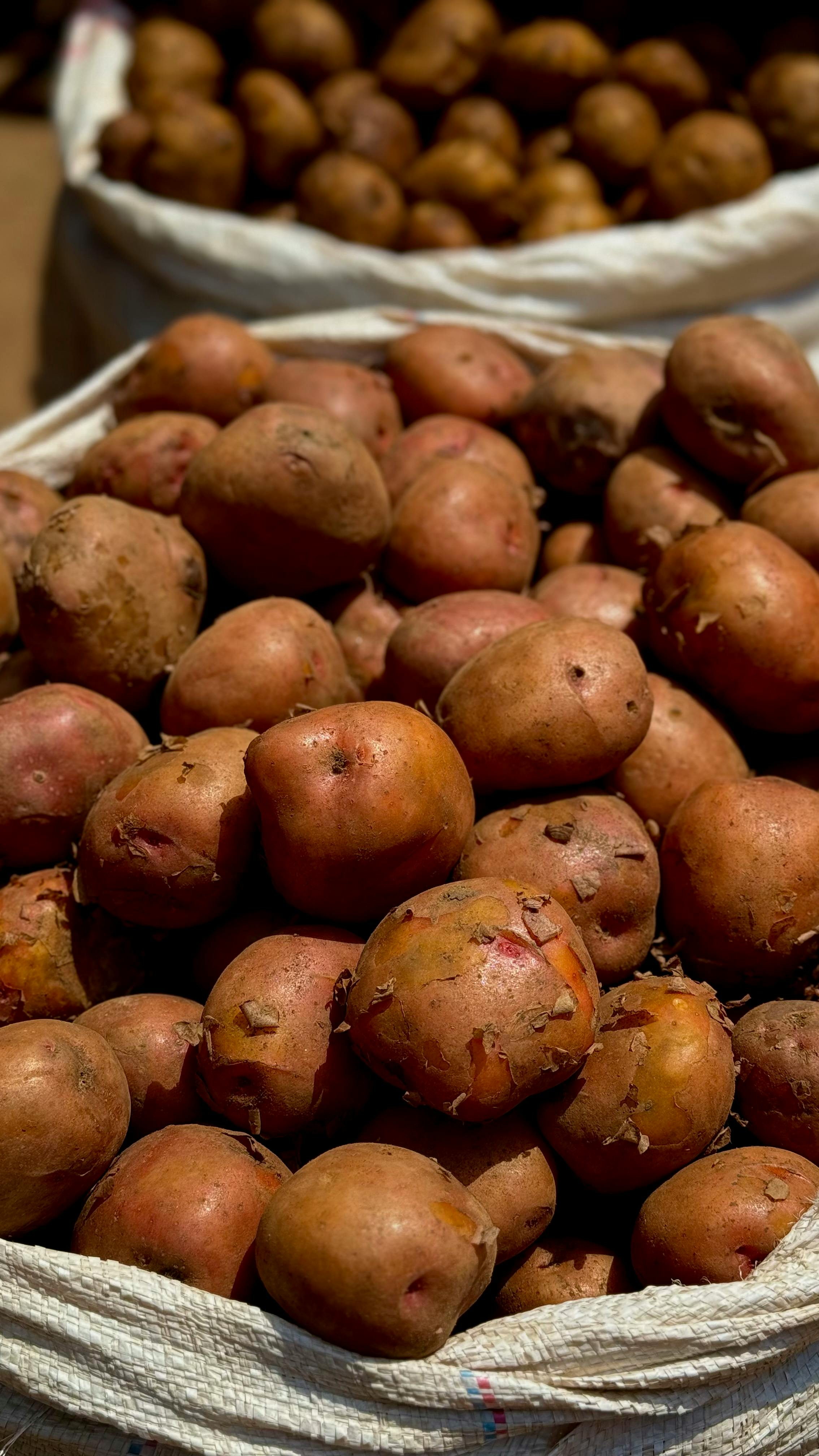
Different foods need different conditions. Potatoes, onions, and garlic keep best in a cool, dark, well-ventilated place, but potatoes and onions should not be stored together because they can speed each other's spoilage. Leafy greens often last longer when washed, dried thoroughly, and stored with a paper towel to absorb moisture. Berries usually do better when kept dry until just before eating.
Your freezer is one of the best anti-waste tools in the kitchen. Sliced bread, shredded cheese, cooked beans, stock, chopped onions, ripe bananas, and leftover portions all freeze well. A freezer works especially well for people whose schedules change often, because it pauses the countdown on ingredients that might otherwise be lost.
Labeling matters more than most people think. If containers and bags are not dated, frozen food quickly turns into a mystery collection that no one wants to use. Write the name and date clearly, then keep older items near the front. The easiest food to waste is the food you cannot identify.
Cook in ways that use ingredients completely

Smart cooking is often less about fancy technique and more about adaptability. Some of the most cost-effective meals in the world were built around using ingredients fully. Soups, stews, curries, stir-fries, fried rice, frittatas, and casseroles all turn small amounts of vegetables, grains, proteins, and sauces into complete meals. They are practical because they absorb odds and ends.
This is where batch cooking becomes useful, but only if done carefully. Making a large pot of chili or lentil soup can lower cost per serving and save time. But if the household is tired of eating the same thing by day 3, some of it may still be wasted. A better approach is to batch-cook components such as grains, beans, roasted vegetables, and cooked chicken that can be combined differently through the week.
Using scraps intelligently can stretch value further. Vegetable peels and herb stems can flavor homemade stock. Stale bread becomes croutons, breadcrumbs, or strata. Slightly soft fruit works in smoothies, oatmeal, or baking. These small recoveries matter because food waste often happens in small increments rather than dramatic losses.
Restaurants monitor yield, which is the amount of edible food they get from what they buy. Home cooks can think the same way. When you pay for a bunch of carrots, a loaf of bread, or a whole chicken, the best savings come from using as much of it as possible in forms people will actually enjoy eating.
Build household habits that make savings stick

Lasting grocery savings depend less on one perfect shopping trip and more on repeatable habits. A household that reviews its fridge every few days, plans around what needs using, and stores leftovers in visible containers will usually waste less than one that relies on memory. Systems beat intentions, especially during busy weeks.
One of the strongest habits is a weekly reset. Pick a day to check produce, move older items forward, freeze what will not be used in time, and create one meal around leftovers. This could be a soup night, taco night, grain bowl night, or a "use-it-up" pasta. The format matters less than the routine.
Portion awareness is another overlooked factor. Oversized servings often become scraped into the trash rather than packed away and eaten. Serving a little less at first and allowing seconds reduces plate waste without making meals feel skimpy. Families with children often save more by offering smaller portions and replenishing as needed.
Finally, track what gets thrown away for 2 weeks. Most households quickly notice patterns, such as wasted salad greens, uneaten leftovers, or overbought snack items. Once the pattern is visible, the fix is easier. Spending less on groceries is not about deprivation. It is about buying food with a plan, protecting it well, and making sure it fulfills the purpose you paid for.




Leave a Reply