
Healthy cooking is not just about choosing the right ingredients. The way you wash, cut, heat, and store food can change how many nutrients actually make it to your plate. These eight common mistakes sound harmless, and some even seem virtuous, but they can lower the nutritional value of everyday meals without you realizing it.
Boiling vegetables in too much water
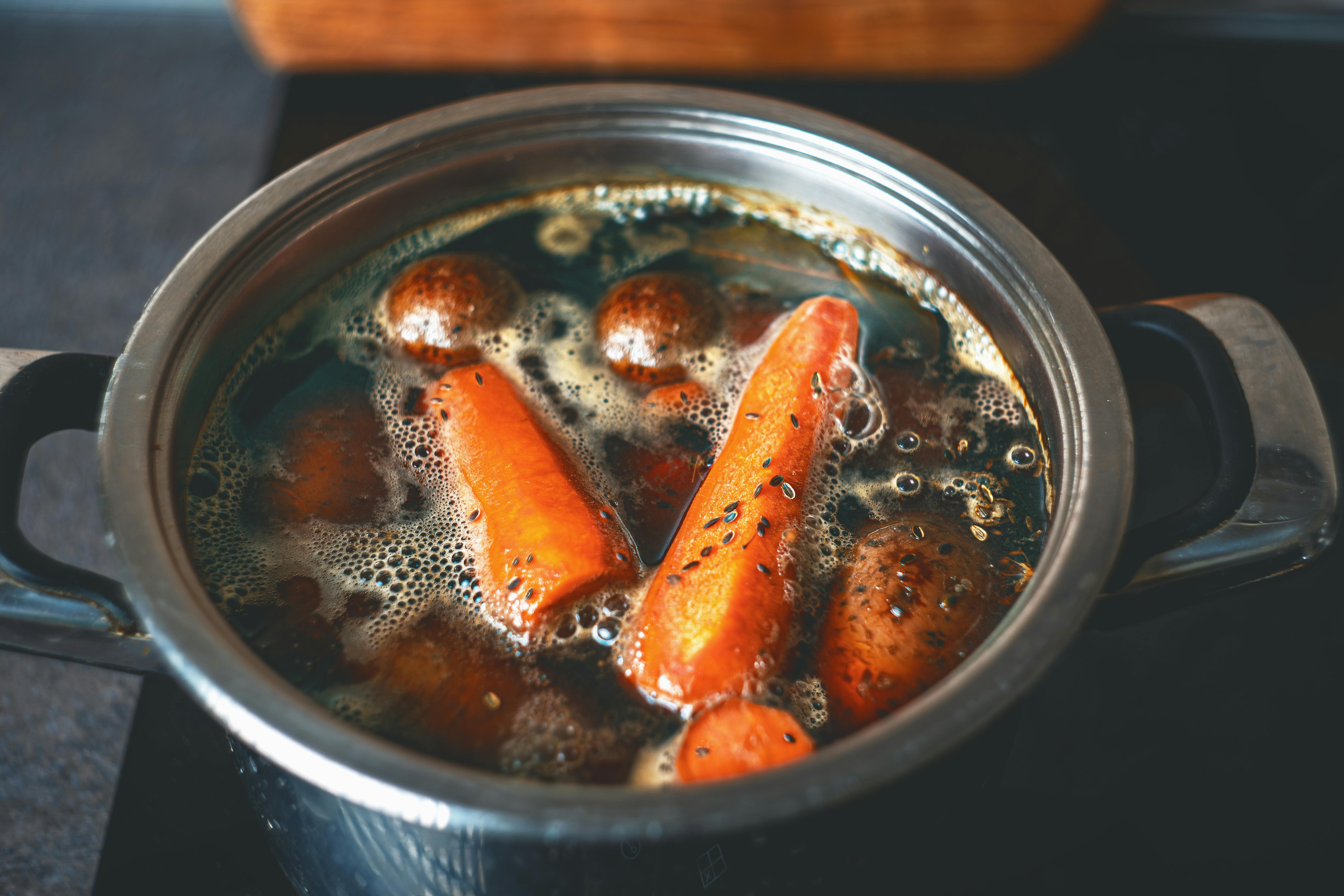
Water can be surprisingly rough on delicate nutrients. When vegetables sit in a large pot of boiling water, water-soluble vitamins like vitamin C and several B vitamins can leach out into the cooking liquid, especially with longer cook times.
That does not mean boiling is always bad, but it works best when the water is minimal and the timing is short. Broccoli, spinach, green beans, and zucchini are especially vulnerable because they cook quickly and do not need much liquid in the first place.
Steaming, microwaving, or quick sautéing often protects more nutrients while still softening texture and improving flavor. If you do boil, using the liquid in soups or sauces helps reclaim some of what would otherwise go down the drain.
Overcooking everything in the name of safety
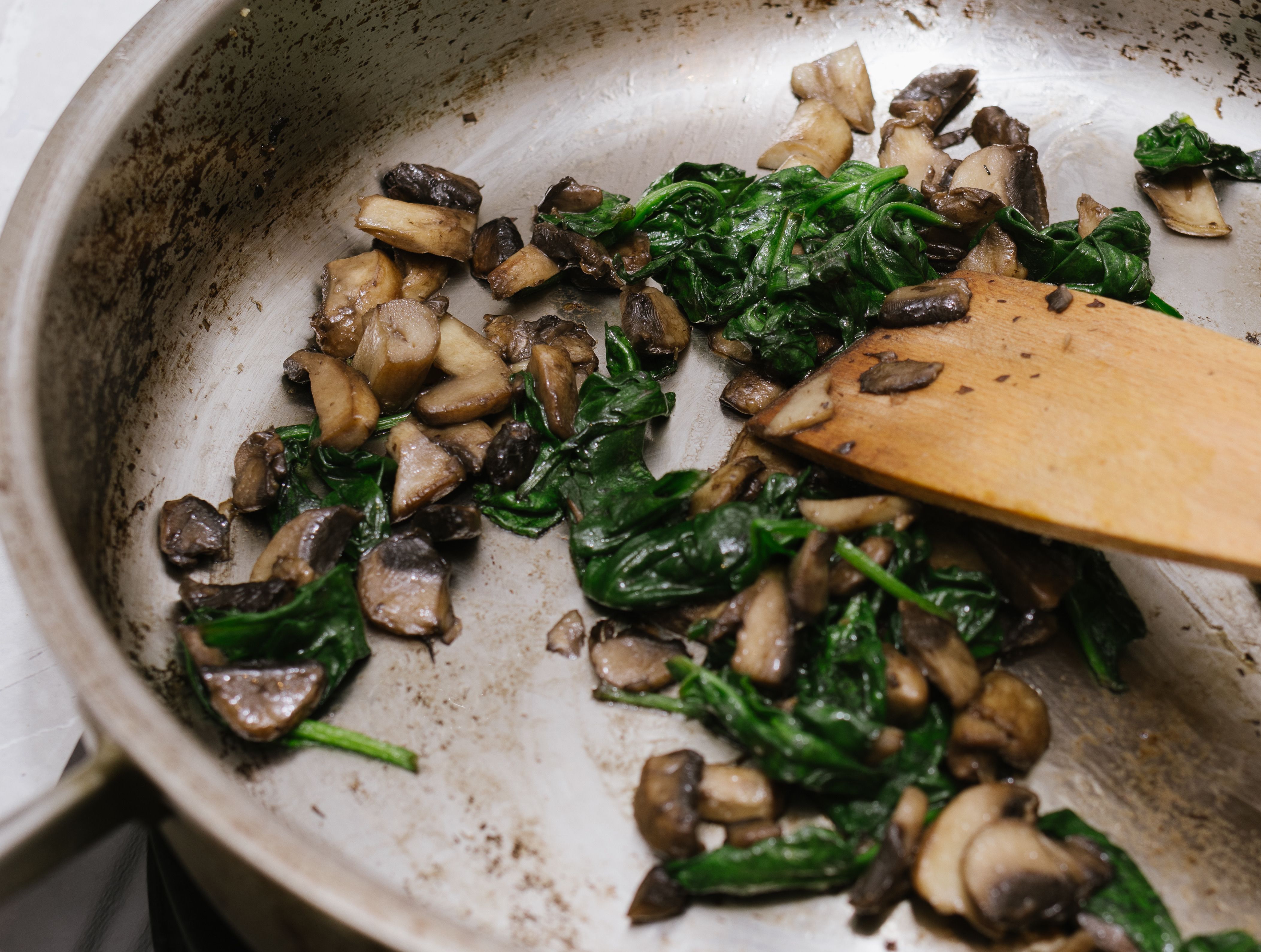
There is a point where cooked becomes overdone, and nutrition can suffer there. Heat helps make some foods easier to digest and can even increase the availability of compounds like lycopene in tomatoes, but extended cooking can steadily reduce heat-sensitive vitamins.
Leafy greens, peppers, peas, and cruciferous vegetables lose more as they go from tender to limp and mushy. Texture is often the clue. If your vegetables have lost their color, snap, and fresh taste, they may have also lost a meaningful share of their nutrient content.
Food safety still matters, especially for meat, poultry, eggs, and seafood. The smarter move is not cooking longer than necessary, but using proper temperatures and timing so food is safe without being cooked far past its prime.
Peeling produce too aggressively

A vegetable peeler can remove more than skin. In many fruits and vegetables, the outer layers hold valuable fiber, antioxidants, and minerals. Potatoes, carrots, cucumbers, apples, and eggplant can lose some of their best nutritional assets when peeled too deeply.
The skin is also where many plant compounds concentrate, especially pigments and protective antioxidants. That is one reason colorful produce often delivers benefits beyond basic vitamins. Stripping away the surface can make food look smoother, but it can also make it less filling and less nutrient-dense.
A good scrub is often enough for produce with edible skins. When peeling is necessary, keeping it thin helps preserve more of what makes those foods nutritionally worthwhile.
Throwing away the cooking liquid
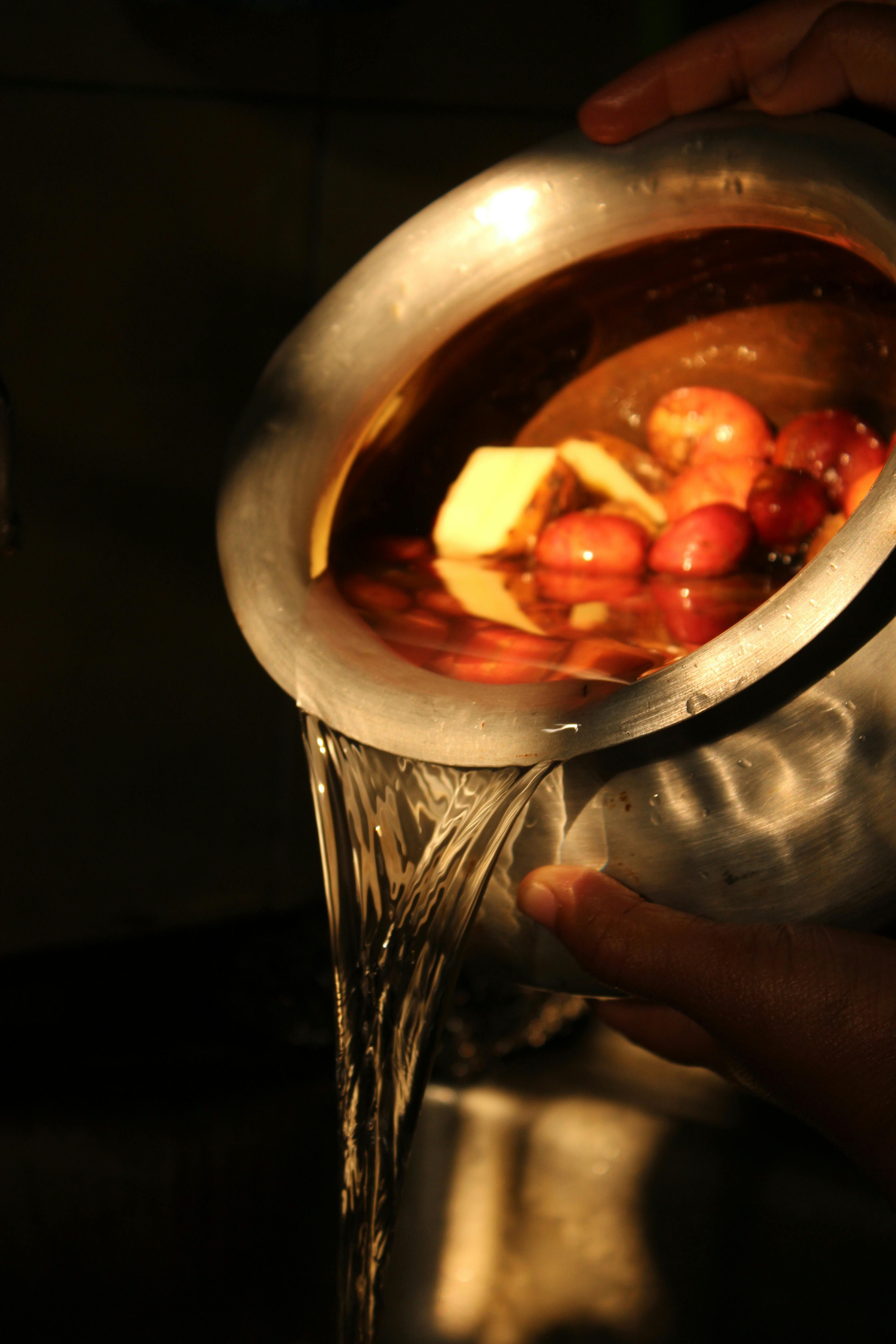
Sometimes the most nutritious part of a dish never gets eaten. When vegetables, beans, or grains cook in water, some vitamins, minerals, and plant compounds migrate into that liquid. Discarding it can mean discarding part of the meal's value.
This is especially relevant when simmering greens, boiling vegetables, or cooking dried beans. While bean cooking liquid is not always ideal to use in every recipe, depending on texture and digestion concerns, many other liquids can become a flavorful base for soups, sauces, gravies, or grain dishes.
The idea is simple: if nutrients escaped into the pot, keep the pot in the plan. Building meals around that liquid helps preserve flavor and nutrition at the same time.
Using high heat for delicate oils

Healthy oils are not all built for the same job. Extra-virgin olive oil, flaxseed oil, walnut oil, and other specialty oils contain beneficial fats and compounds, but some of those qualities decline when the oil is exposed to more heat than it can comfortably handle.
When oils smoke, they are breaking down. That does not just affect flavor. It can also reduce antioxidant value and create unwanted degradation products. Delicate oils are often best used for dressings, finishing, or very gentle cooking rather than hard searing.
For higher-heat cooking, more stable choices such as avocado oil or refined olive oil can be more practical. Matching the oil to the technique helps you keep both the taste and the nutritional profile closer to what you intended.
Cutting produce too far in advance
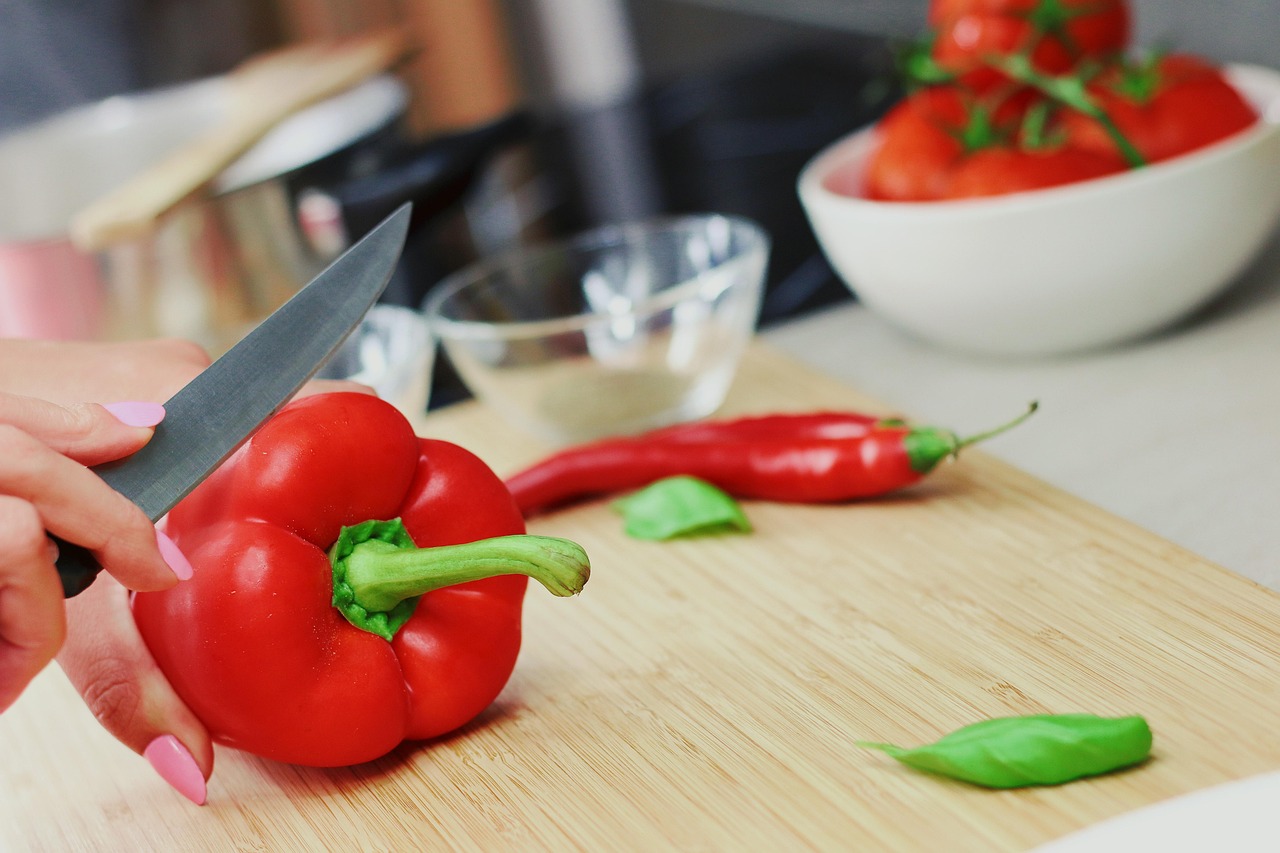
The moment a knife breaks the surface of a fruit or vegetable, change begins. Exposure to oxygen, light, and moisture can gradually reduce certain sensitive nutrients, especially vitamin C and some antioxidants. The smaller the pieces, the more surface area is exposed.
That does not make meal prep a bad idea. It just means timing matters. Chopped peppers, berries, herbs, and leafy greens generally hold up better nutritionally and visually when prepared closer to when they will be eaten or cooked.
If you need to prep ahead, store produce cold in airtight containers and keep pieces as large as practical. A halved squash or chunked onion will usually retain more than a finely minced or shredded version sitting for days.
Skipping fat when cooking vegetables
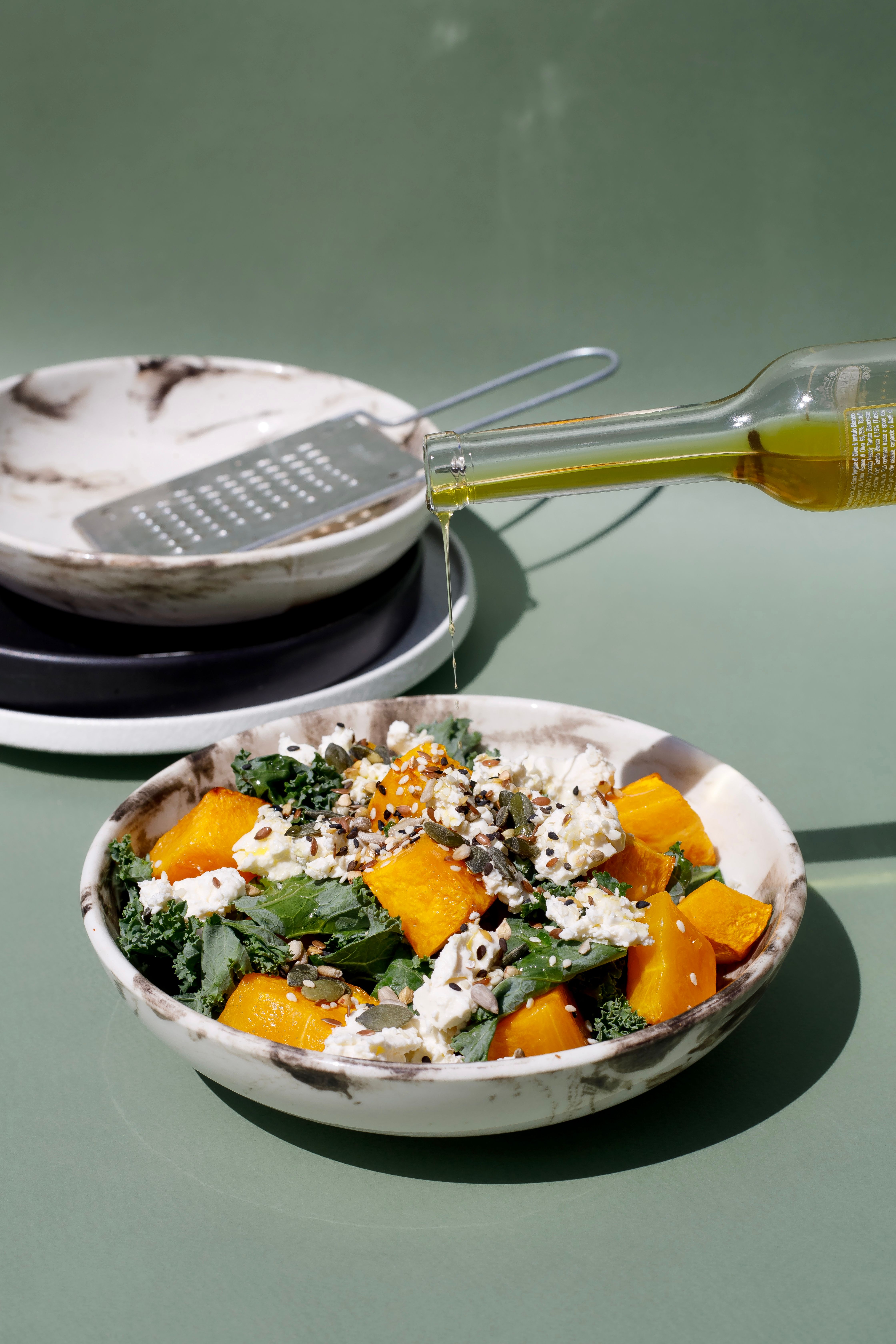
Fat has had a rough reputation, but in the right amount it can help your body do its job. Several important nutrients in vegetables are fat-soluble, including vitamins A, D, E, and K, along with carotenoids found in foods like carrots, sweet potatoes, spinach, and tomatoes.
If a salad is completely fat-free or roasted vegetables are cooked bone dry, your body may absorb less of those compounds than it would with a modest amount of oil, avocado, nuts, seeds, or another fat source. More is not always better, but none is not ideal either.
A little olive oil on greens or a spoonful of tahini with roasted carrots can make a real difference. Nutrition is not only about what is on the fork, but what your body can actually use.
Reheating leftovers again and again

Leftovers are practical, but repeated reheating takes a toll. Each round of heat can further reduce fragile nutrients, dry out food, and change texture and flavor. That is especially true for vegetables, seafood, and dishes that were already fully cooked the first time.
There is also a food safety angle. Cooling and reheating food multiple times increases the chances of spending too long in the temperature danger zone if handling is sloppy. That can raise the risk of bacterial growth even before quality noticeably slips.
The better approach is to portion meals before storing them and reheat only what you plan to eat. That keeps the food tasting fresher and helps preserve more of its original nutritional value with less risk.
Leave a Reply