
Sending a dish back can feel awkward, and most diners are left wondering what happens once the plate disappears through the kitchen doors. In reality, restaurants usually follow a mix of food safety rules, house policy, and quick judgment calls to decide the dish's fate. Here's a clear, behind-the-scenes look at the most common things that happen after a meal is returned.
The plate gets inspected first

The first thing that usually happens is simple but important: someone checks why the food came back. A server may explain the complaint at the pass, and then a chef, manager, or line cook looks at the plate to see whether the issue is temperature, doneness, seasoning, missing ingredients, or a clear kitchen mistake.
That inspection matters because the fix depends on the problem. If a steak is undercooked, it may be possible to cook it longer. If the guest found an allergen, foreign object, or major quality issue, the dish is usually pulled from service immediately. In many restaurants, this moment also helps the team decide whether similar plates need to be checked before they reach other tables.
Most returned dishes cannot go to another guest
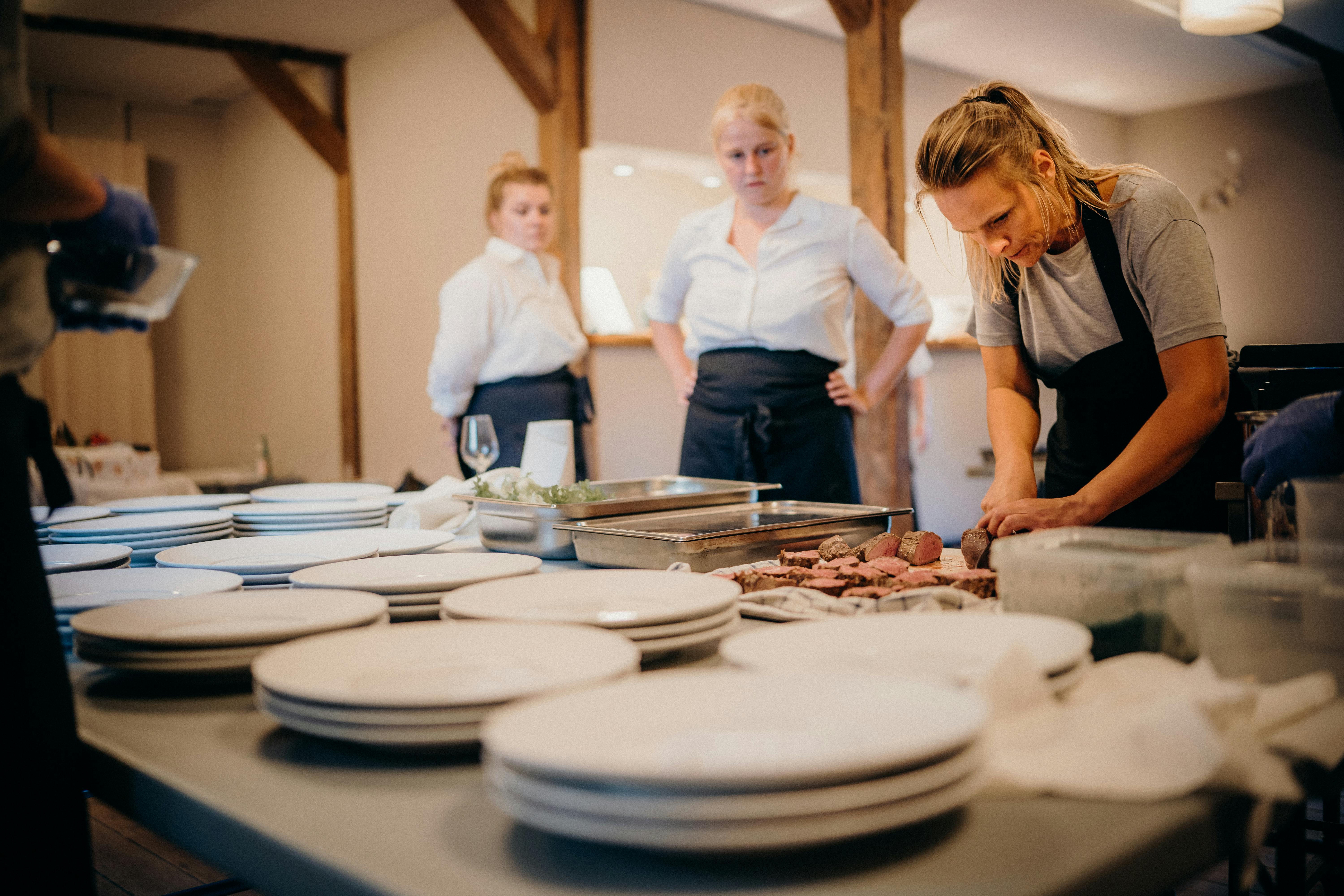
One of the biggest myths in dining is that a returned plate gets touched up and sent to someone else. In a professionally run restaurant, that is not how service is supposed to work. Once food has been served to a table, it is generally considered compromised because it has entered the guest's space.
Health codes and standard food safety practice make that a serious issue. Bread baskets, condiments, garnishes, and fully plated meals that have reached a diner are typically not reused for another customer. Even if the food looks untouched, the restaurant cannot guarantee it has been protected from contact, coughing, handling, or temperature abuse. For that reason, reassignment to another guest is usually off the table.
Sometimes the dish is corrected instead of remade
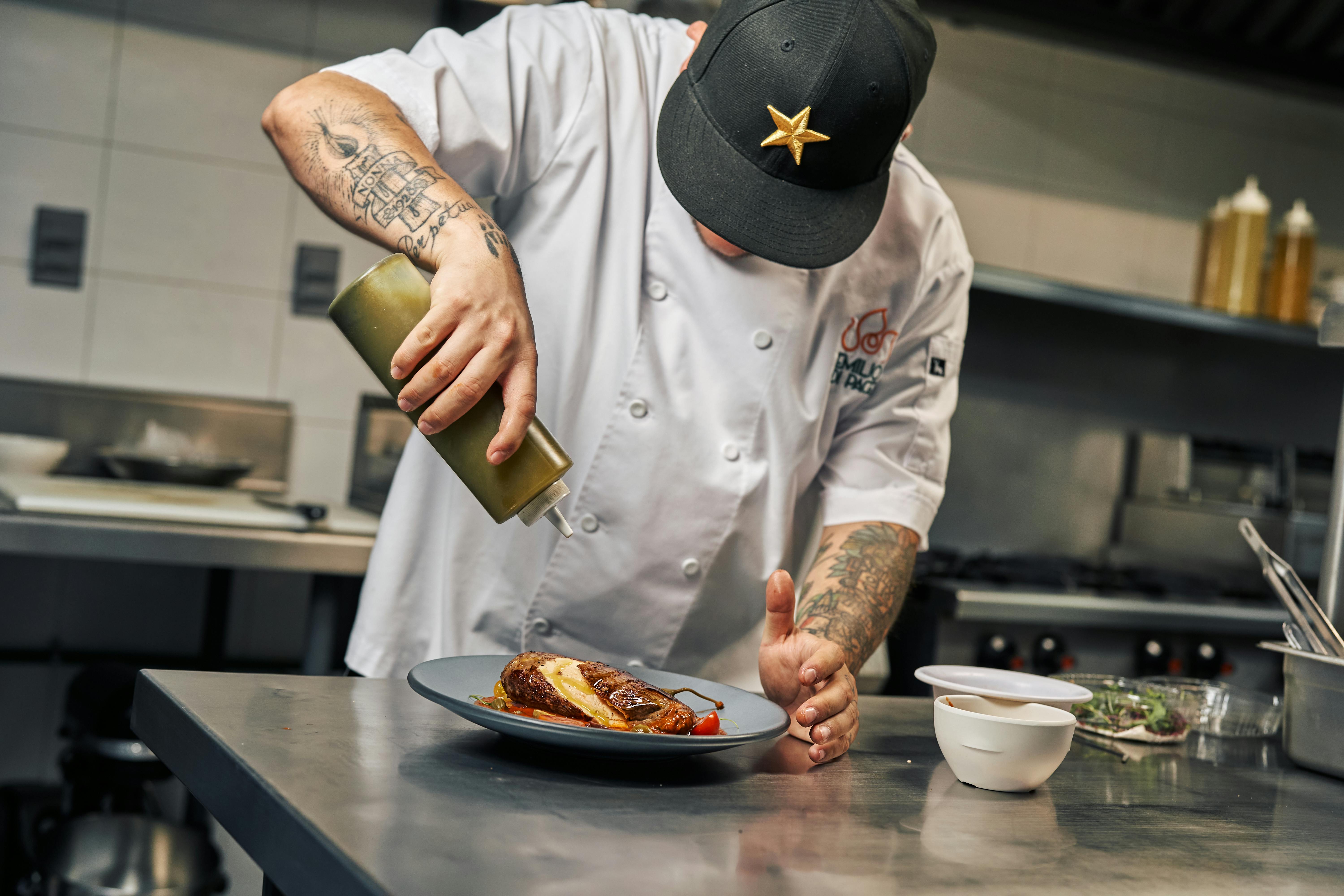
Not every send-back means starting from scratch. If the problem is small and food safety has not been broken, the kitchen may correct the dish. A side that was forgotten can be added, a steak can be cooked a little longer, or a sauce left off by mistake can be plated properly before the meal goes back out.
That said, correction has limits. If fries are cold, fish is overcooked, or a poached egg has gone firm, patchwork fixes can make the meal worse rather than better. Skilled kitchens know the difference between a true adjustment and a dish that no longer meets the standard. Good judgment here is what separates efficient service from cutting corners.
A full remake is often the safest choice
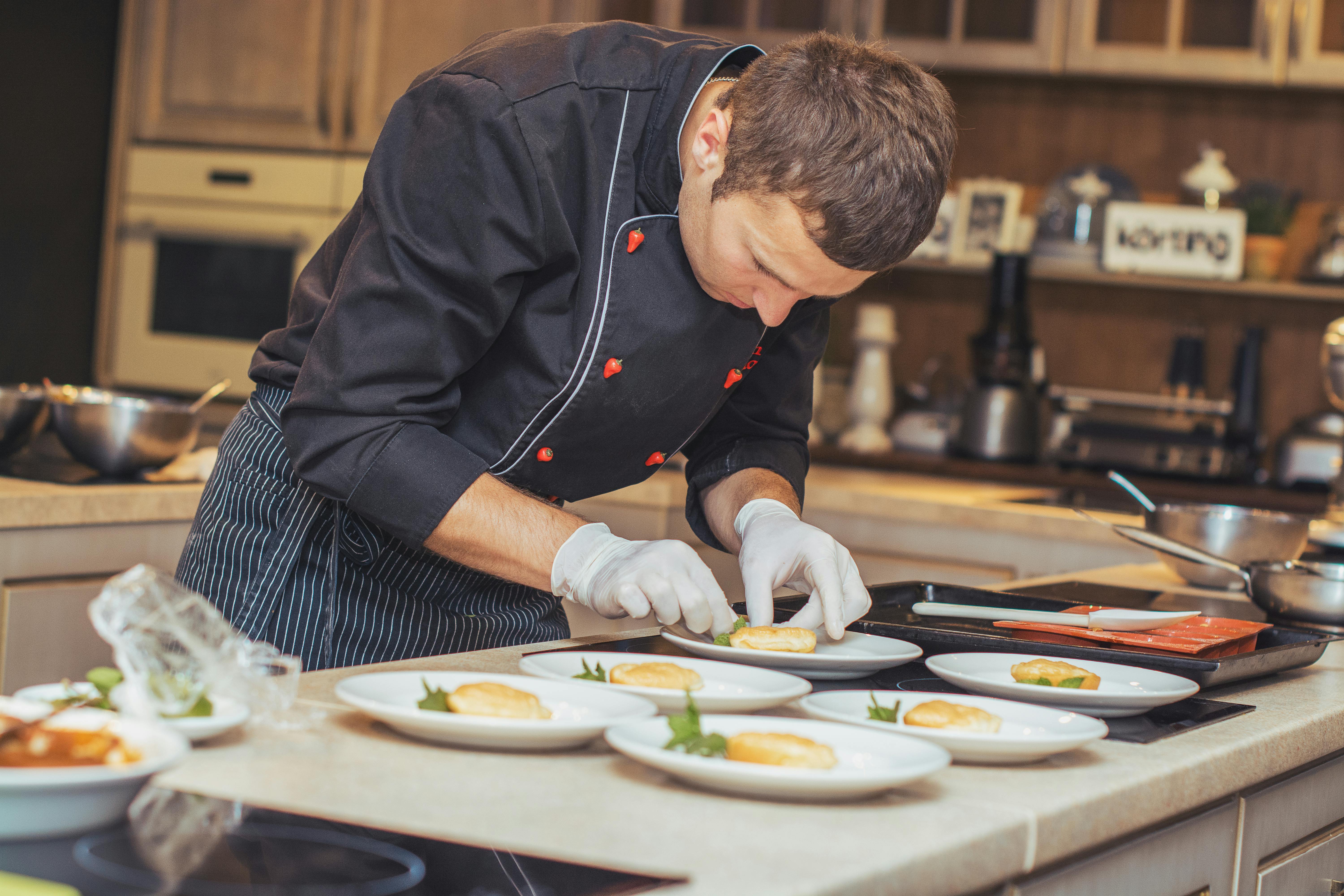
When the issue affects quality, safety, or trust, the kitchen usually remakes the entire dish. This is common with undercooked chicken, allergy concerns, improperly fired orders, cold entrees, and meals that sat too long before reaching the table. In those cases, trying to salvage the original plate can create more problems than it solves.
A remake also protects the restaurant's reputation. Diners can tell when a plate has merely been patched up, especially with delicate foods like seafood, pasta, burgers, and eggs. A clean restart gives cooks a chance to fix timing, seasoning, and presentation all at once. It may take longer, but it is often the most reliable route to a better experience.
The food is often discarded

In many cases, returned food ends up in the trash. That can seem wasteful, but once a dish has been served and then rejected, there is often no safe or appropriate use for it. Restaurants have to think about contamination risk, quality decline, and the simple fact that plated food does not hold well after bouncing between dining room and kitchen.
Some kitchens also track discarded returns as part of waste control. Managers may log whether the loss came from overcooking, guest preference, wrong modifiers, or timing problems on the line. Those records can reveal expensive patterns. A dish that gets sent back often may need a recipe adjustment, a menu rewrite, or better staff training.
The staff usually talks about what went wrong

A returned dish is not just a plate problem. It is also feedback, and restaurants often treat it that way in real time. The server may clarify what the guest expected, the expo may review the ticket, and the cook may check whether the order was misread, rushed, or plated incorrectly. During a busy service, those quick conversations help prevent repeat mistakes.
In well-run places, the discussion stays focused on fixing the issue, not blaming one person. If several guests complain about the same item, that gets attention fast. Maybe the seasoning changed, a batch was inconsistent, or the written menu description set the wrong expectation. Send-backs can be frustrating, but they are also useful signals about service and execution.
A manager may step in to recover the table

Once a dish comes back, the kitchen is only part of the story. Front-of-house staff often shift into service recovery mode, especially if the guest has waited a long time or seems upset. A manager may visit the table, apologize, ask a few direct questions, and offer a replacement, an alternative menu item, or sometimes a discount.
This step matters because guests remember how problems are handled more than the problem itself. Restaurants know that a calm, sincere response can keep a small mistake from turning into a bad review or a lost regular. The best managers do not overcomplicate it. They acknowledge the issue, set expectations on timing, and make sure the corrected order is prioritized.
The kitchen may change how the next orders are prepared
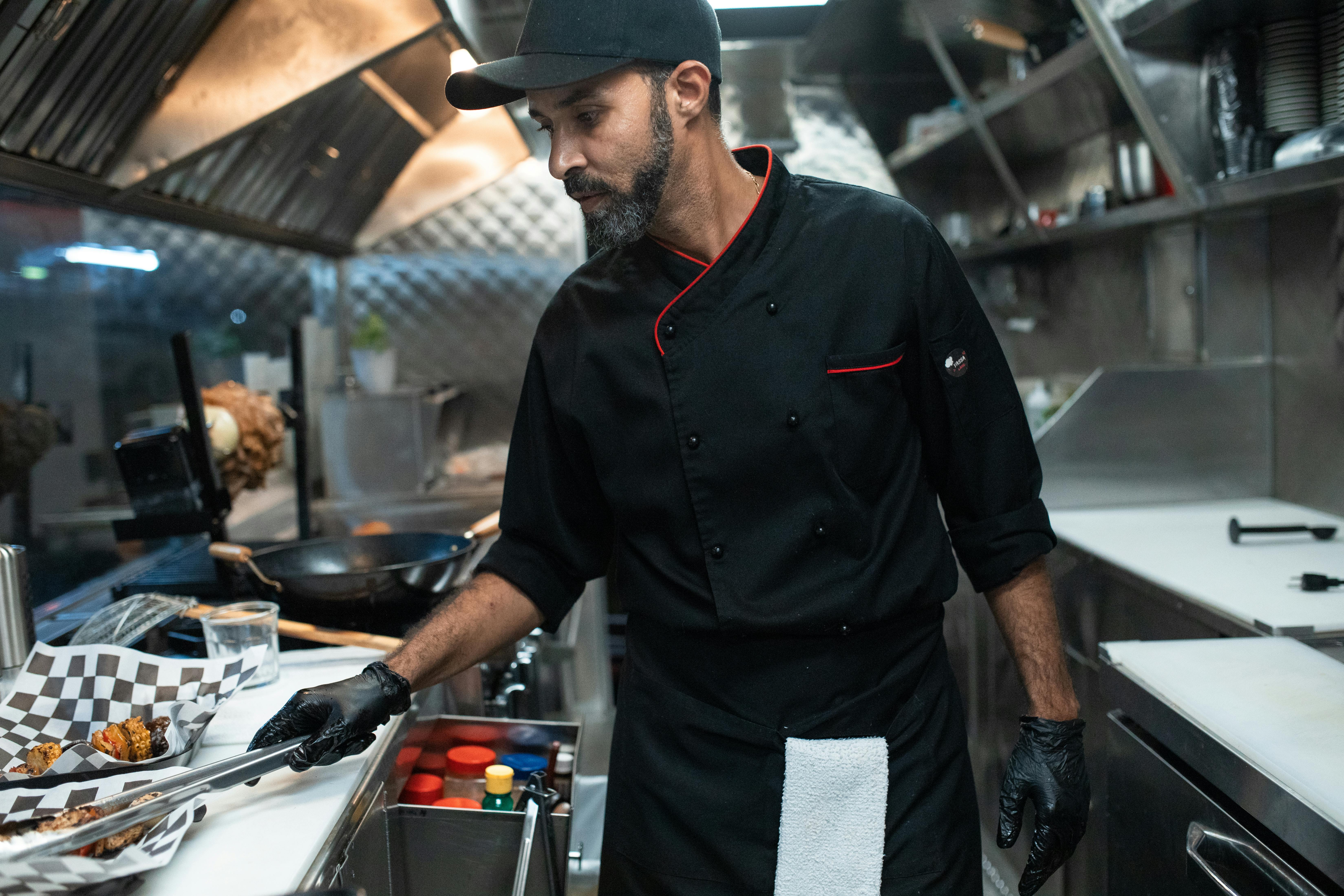
A send-back can influence more than one meal. If the complaint points to a broader issue, the kitchen may immediately adjust upcoming orders. Cooks might start temping proteins more often, hold fries for less time, taste a sauce again, or double-check modifiers before a plate leaves the pass. In that sense, one returned dish can quietly improve the next ten.
This is especially true when the problem involves consistency. Chain restaurants often have fixed procedures for these moments, while independent spots may rely more on the chef's judgment. Either way, the goal is the same: stop the error from repeating. The fastest kitchens are not just quick with remakes. They are quick at learning from them.



Leave a Reply