
Supermarket employees see the parts of grocery shopping most customers never do, from delivery delays to how displays are refreshed and which products linger too long. That insider view can shape what they put in their own carts. Here are 11 items store workers often say they avoid, along with the real-world reasons these products can raise red flags.
Pre-cut fruit trays

Freshness gets complicated the moment fruit is cut. Many supermarket employees say pre-cut melons, pineapple, and mixed fruit cups are items they personally pass on because slicing shortens shelf life fast and creates more chances for handling errors.
Once the protective skin is gone, moisture loss, texture changes, and bacterial growth become bigger concerns. Even in well-run stores, cut fruit depends heavily on strict temperature control and quick turnover. If a tray has been sitting longer than expected, sweetness fades and the risk rises.
Workers often note that whole fruit is usually the better buy. It tends to be cheaper, keeps longer at home, and gives you better control over ripeness and sanitation.
Rotisserie chicken late in the day

That golden-brown rotisserie chicken can look like an easy dinner, but timing matters more than shoppers think. Employees often say they are cautious about birds left warming for extended periods, especially close to closing time when the freshest batch is long gone.
Hot holding is designed to keep cooked food safe, but it does not improve texture or flavor. After hours under heat lamps, chicken can dry out, the skin turns leathery, and quality drops sharply. In some stores, unsold birds may also be repurposed for deli recipes, which makes workers more selective about when they buy.
Insiders tend to shop earlier if they want one. A newer batch usually means juicier meat, better flavor, and less guesswork about how long it has been sitting.
Bagged salad mixes near expiration

Leafy greens are delicate even under the best conditions, and packaged salad mixes can decline quickly as the sell-by date approaches. Supermarket workers often avoid bags that are close to expiration because one spoiled patch can turn the whole package slimy fast.
The issue is not just looks. Moisture trapped in the bag speeds breakdown, and rough transport can bruise leaves before they ever hit the shelf. Even when refrigerated properly, chopped lettuce and spinach lose crispness much faster than whole heads.
Employees who stock produce know to check for condensation, mushy spots, and a sour smell. Many prefer buying whole romaine, spinach bunches, or unpackaged greens they can inspect more carefully.
Bulk bin nuts and grains
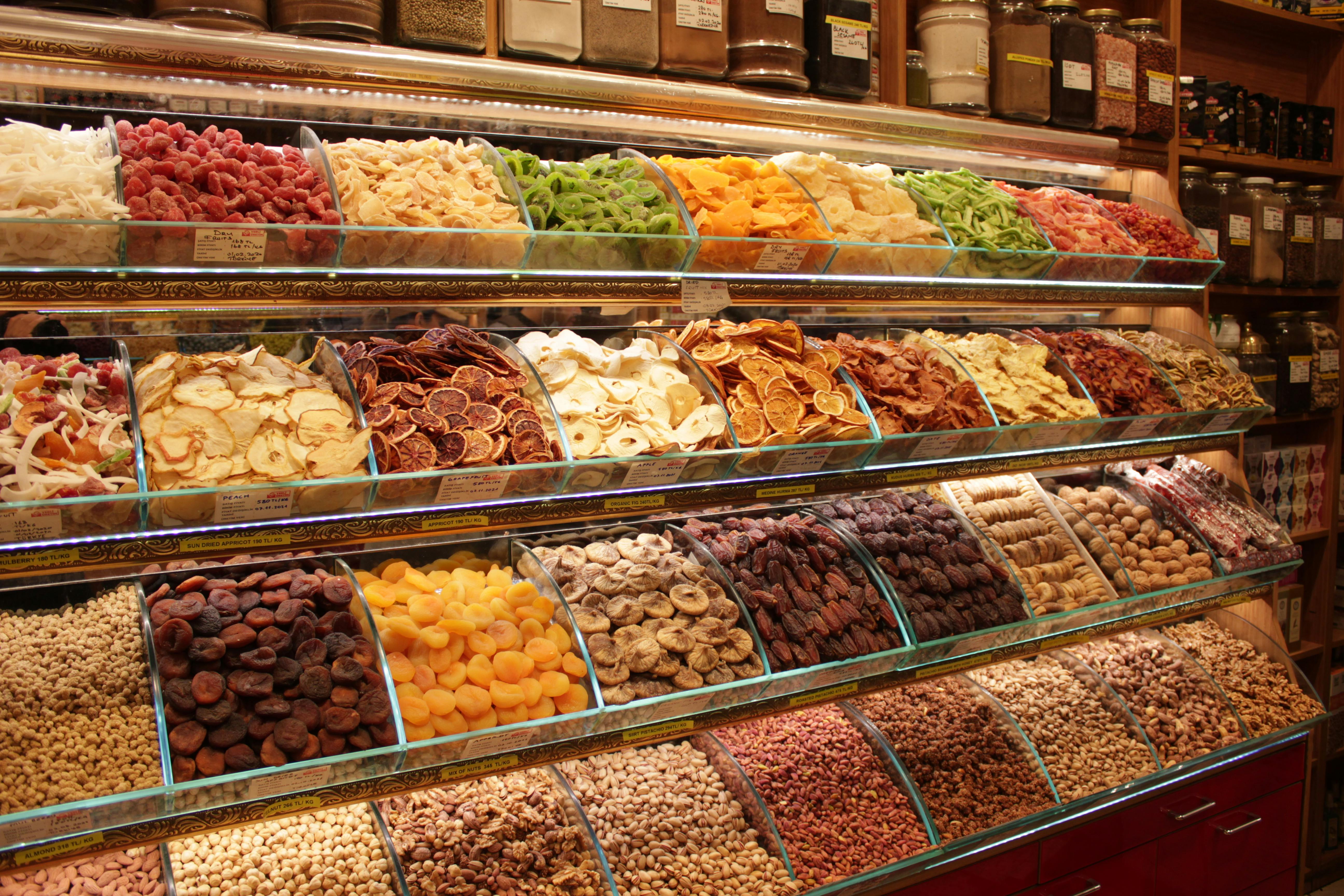
Bulk bins look economical, but they come with trade-offs that some supermarket employees would rather avoid. The biggest concern is exposure. Nuts, grains, candies, and dried fruit sit in shared containers that many hands, scoops, and lids touch throughout the day.
There is also the question of turnover. In a busy store, product may move quickly, but in slower locations some items can sit long enough to lose freshness. Nuts are especially vulnerable because their natural oils can turn rancid over time, even if they still look fine.
Workers who know their store's traffic patterns often skip the bins unless turnover is clearly high. Pre-sealed packages may cost more, but they offer better protection from contamination, humidity, and stale flavor.
Seafood that smells strongly fishy
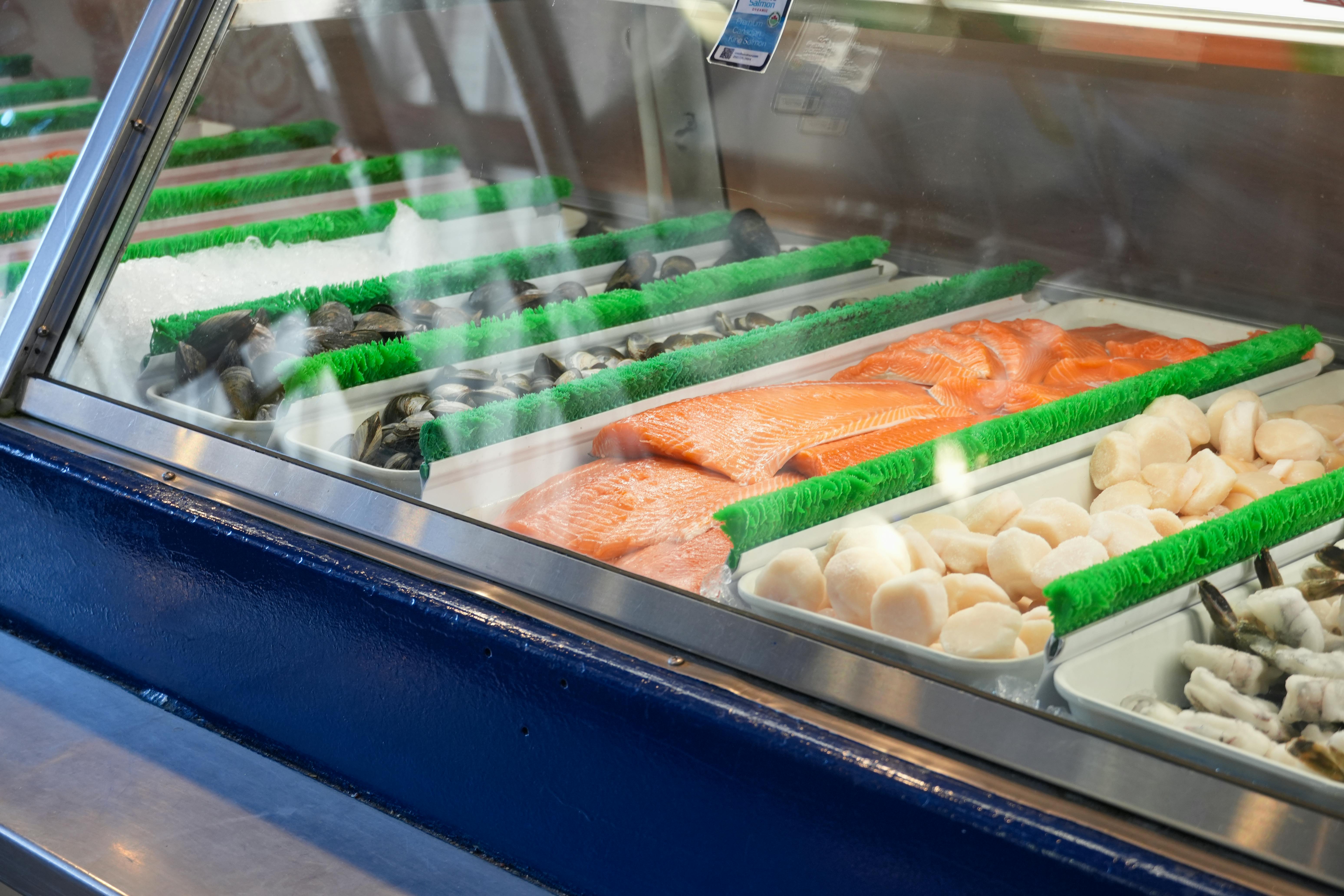
A sharp fishy smell is one of the oldest warning signs in the market, and supermarket employees know it well. Fresh seafood should smell mild and clean, more like the ocean than an overpowering odor that reaches you before the counter does.
Workers often say they avoid seafood if the case smells strong or if the fillets look dull, dry, or overly wet. Temperature control is critical, and quality can shift quickly if deliveries are delayed or product sits too long on ice. Shellfish also demand especially careful handling.
Employees who know the rhythm of seafood shipments tend to buy only on delivery days or from stores with strong turnover. When freshness is uncertain, many decide it is safer to skip it entirely.
Sushi from low-turnover stores
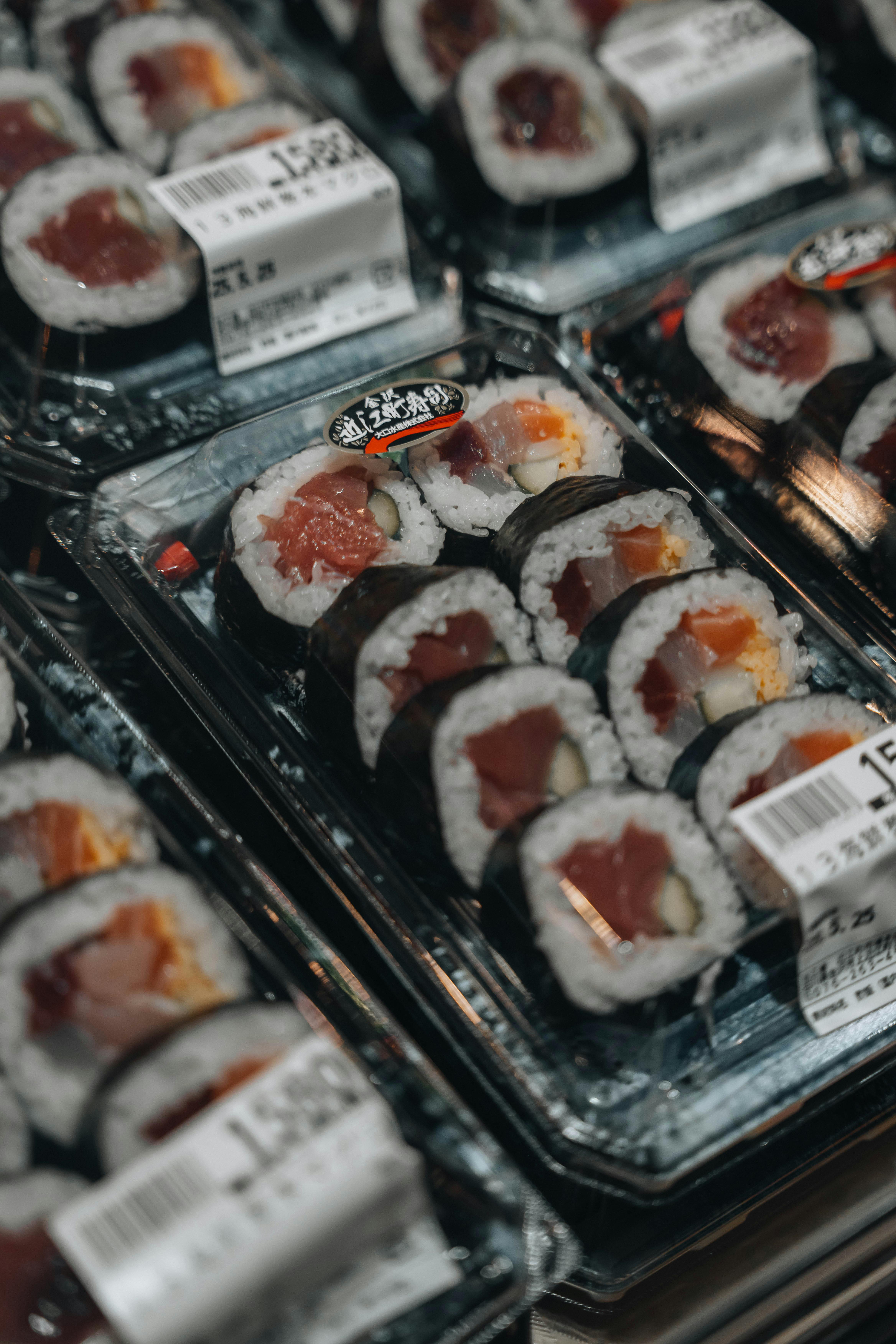
Store-made sushi can be convenient, but employees often treat it as a product that depends completely on the store behind it. In locations where prepared foods do not move quickly, workers say they are much less likely to buy sushi, especially later in the day.
Rice texture changes fast, avocado browns, and seafood quality is only as good as the handling chain from prep area to display cooler. Even if the ingredients are technically within date, freshness and flavor can fall off quickly. That matters more with raw fish and ready-to-eat items.
Employees usually watch how often the case is restocked and whether the store has a reputation for strong prepared foods. If turnover seems slow, many insiders would rather choose something else for lunch.
Ground meat from a messy meat case
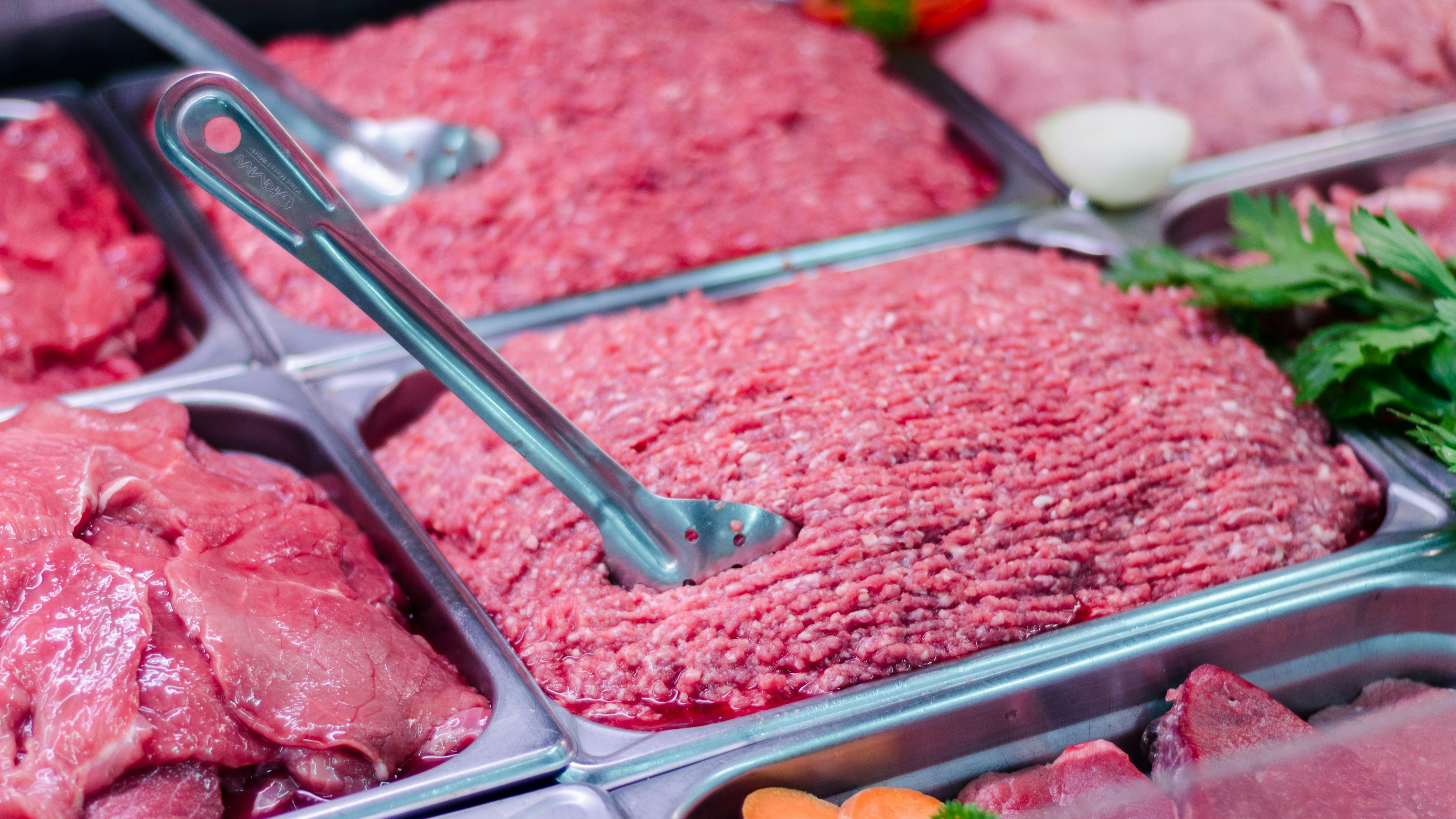
Ground meat asks shoppers to trust the entire process, not just the package in front of them. Supermarket employees often say they avoid it when the meat department looks disorganized, poorly cleaned, or inconsistent, because appearance can hint at bigger handling problems behind the counter.
Grinding increases surface area, which means bacteria can spread more easily than in intact cuts. Color alone does not tell the whole story either. Packaging gases can keep meat looking bright longer, while texture, temperature, and dates matter just as much.
Workers who know sanitation is everything tend to buy from stores with visibly clean cases, attentive staff, and strong turnover. If the department feels neglected, many insiders move on to another protein without much hesitation.
Deli salads sitting too long
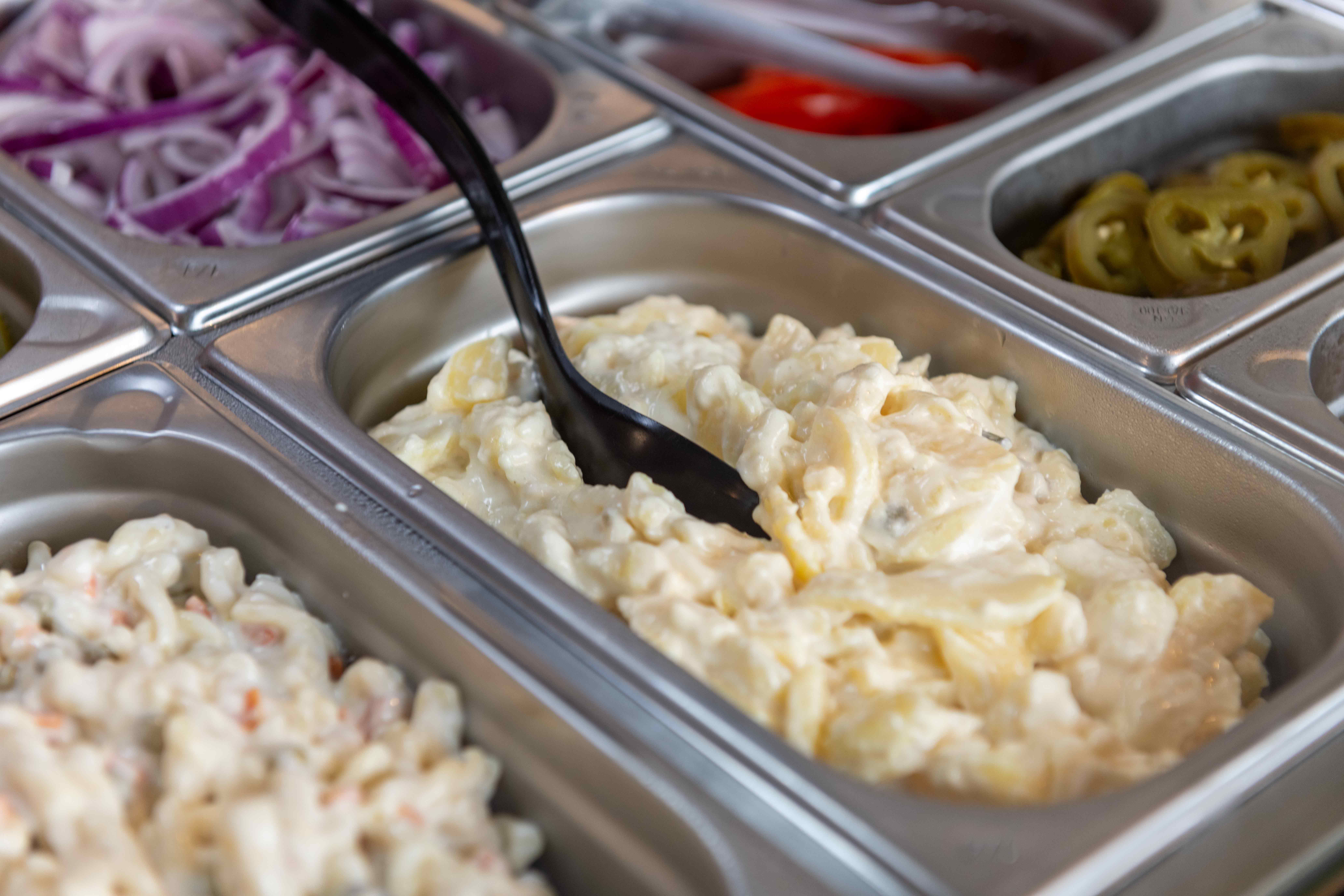
Creamy deli salads can be one of the easiest foods to misjudge. Potato salad, macaroni salad, coleslaw, and tuna salad may look harmless behind glass, but supermarket workers often avoid batches that appear to have been sitting too long or repeatedly topped off.
These foods are highly perishable because they are moist, ready to eat, and frequently handled during service. Texture is often the first clue. Watery dressing, dried edges, or ingredients separating can signal age and temperature fluctuations. The more often a container is opened, the more chances there are for problems.
Employees who know deli habits tend to buy only when the salad looks freshly made and the case looks carefully maintained. Otherwise, they see it as one of the riskier convenience purchases in the store.
Bruised bargain produce packs
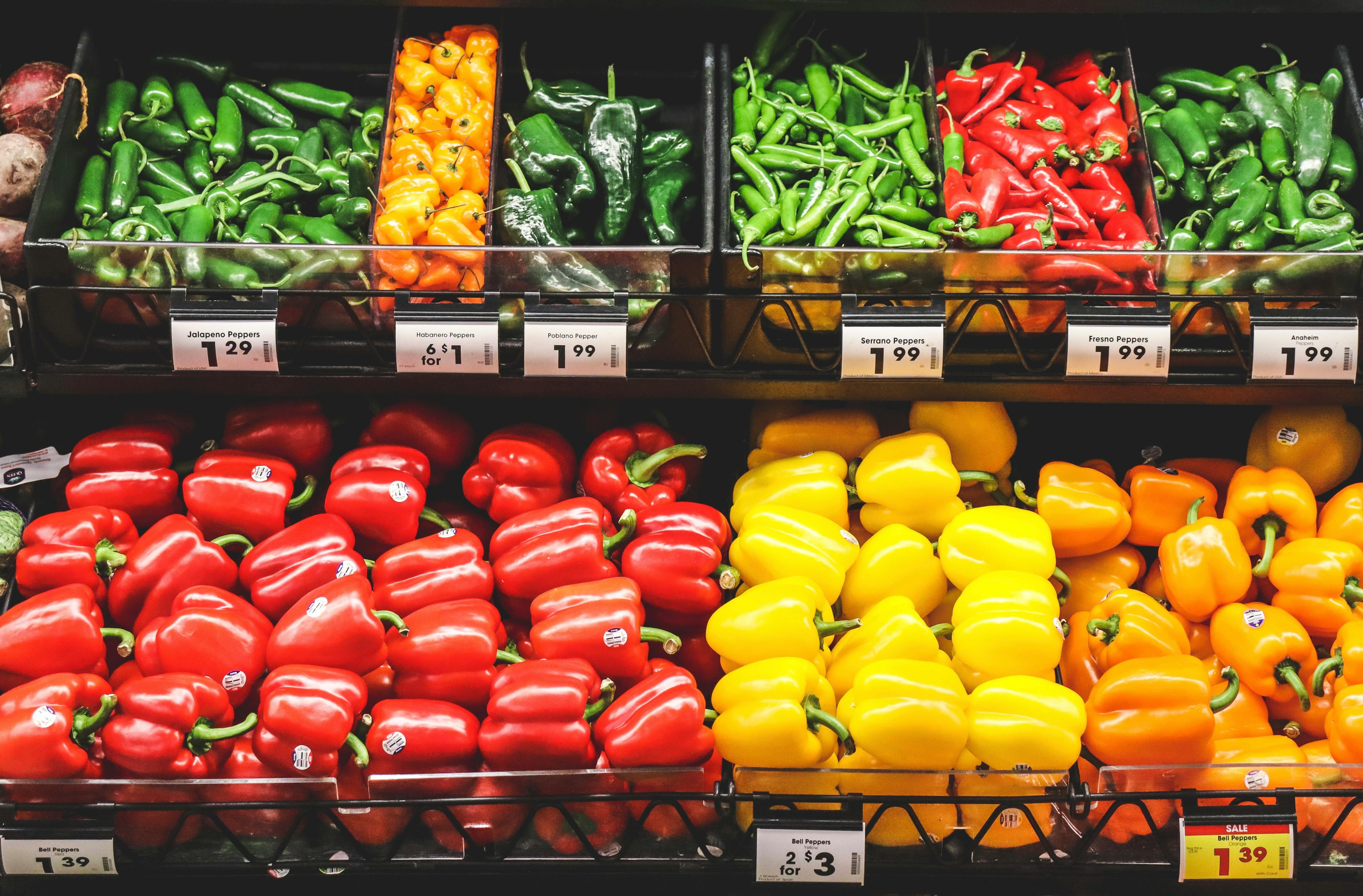
Discount produce bags can seem like a smart save, but supermarket employees know they are often a race against the clock. Those marked-down apples, peppers, tomatoes, or stone fruits may already be bruised enough to spoil faster once you get them home.
A bruise is more than a cosmetic flaw. Damaged tissue breaks down quicker, releases moisture, and can encourage mold growth in the rest of the package. One soft peach or cracked tomato can shorten the life of everything packed around it.
Workers are not saying every markdown bin is bad. They are saying timing matters. If you are not using the produce that same day or preserving it quickly, the apparent bargain can turn into waste faster than expected.
Bakery items left uncovered

A bakery case can smell irresistible, but employees often pay attention to how exposed the pastries and breads are. Items left uncovered or loosely protected in self-serve areas can collect more than just stares throughout the day.
Air exposure dries products out quickly, especially donuts, rolls, muffins, and cookies. Beyond freshness, there is the simple issue of customer handling. Shared tongs, open doors, and high traffic can all affect sanitation, particularly in displays that are not watched closely.
Workers who know how quickly baked goods stale usually prefer products that are freshly packed, recently set out, or stored behind the counter. The lesson is not to fear the bakery, but to notice whether presentation suggests careful turnover and protection.
Ice cream with signs of thawing and refreezing

Ice cream tells on itself if you know what to look for. Supermarket employees often skip cartons with frost under the lid, sticky residue, or a sunken shape because those signs can point to partial thawing and refreezing somewhere along the cold chain.
That change affects both safety and quality. Refrozen ice cream develops larger ice crystals, giving it a gritty texture instead of a smooth one. Temperature swings can happen during delivery, stocking, or when freezer doors are opened constantly in busy aisles.
Workers who spend time around frozen sections know the best cartons feel solid and look clean, with no frozen drips or distorted packaging. If a pint looks like it had a rough trip, many insiders leave it in the freezer.




Leave a Reply