
Small habits at the table can shape a child for life. One of the clearest differences between Canadian and American families is not what children eat first, but how the meal itself is handled.
The simple change is eating together without screens
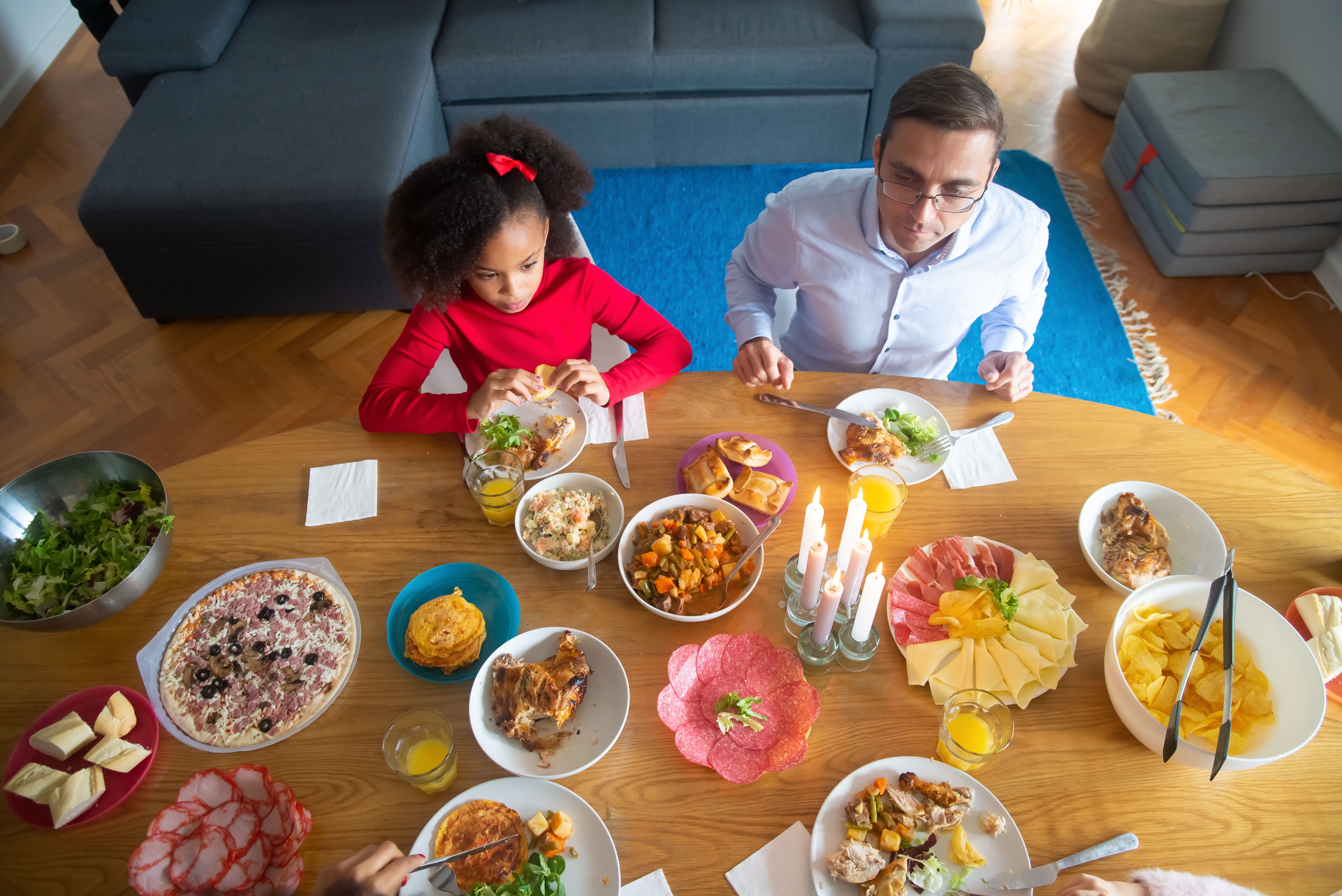
The most important shift is surprisingly ordinary: more families in Canada make mealtime a shared, screen-free event. That means no television in the background, no tablets propped up beside the plate, and less distracted grazing between activities. Instead, children sit down with parents or siblings and eat the same meal at roughly the same time.
This matters because young children learn eating behavior by watching the people around them. When adults model slower eating, balanced portions, and a willingness to try vegetables, children absorb those patterns. Public health guidance in Canada has reinforced this idea for years, including recommendations that encourage families to eat together and pay attention to hunger and fullness cues.
In the United States, many families do value shared meals as well, but schedules often push eating into the car, in front of screens, or in staggered shifts. According to research from pediatric nutrition and family health fields, distracted eating is linked to poorer diet quality, weaker self-regulation, and higher intake of heavily marketed snack foods. The simple Canadian edge is consistency. A routine does not need to be perfect to change behavior. It just needs to happen often enough that children see mealtime as focused, social, and predictable.
Why shared meals improve what children actually choose to eat
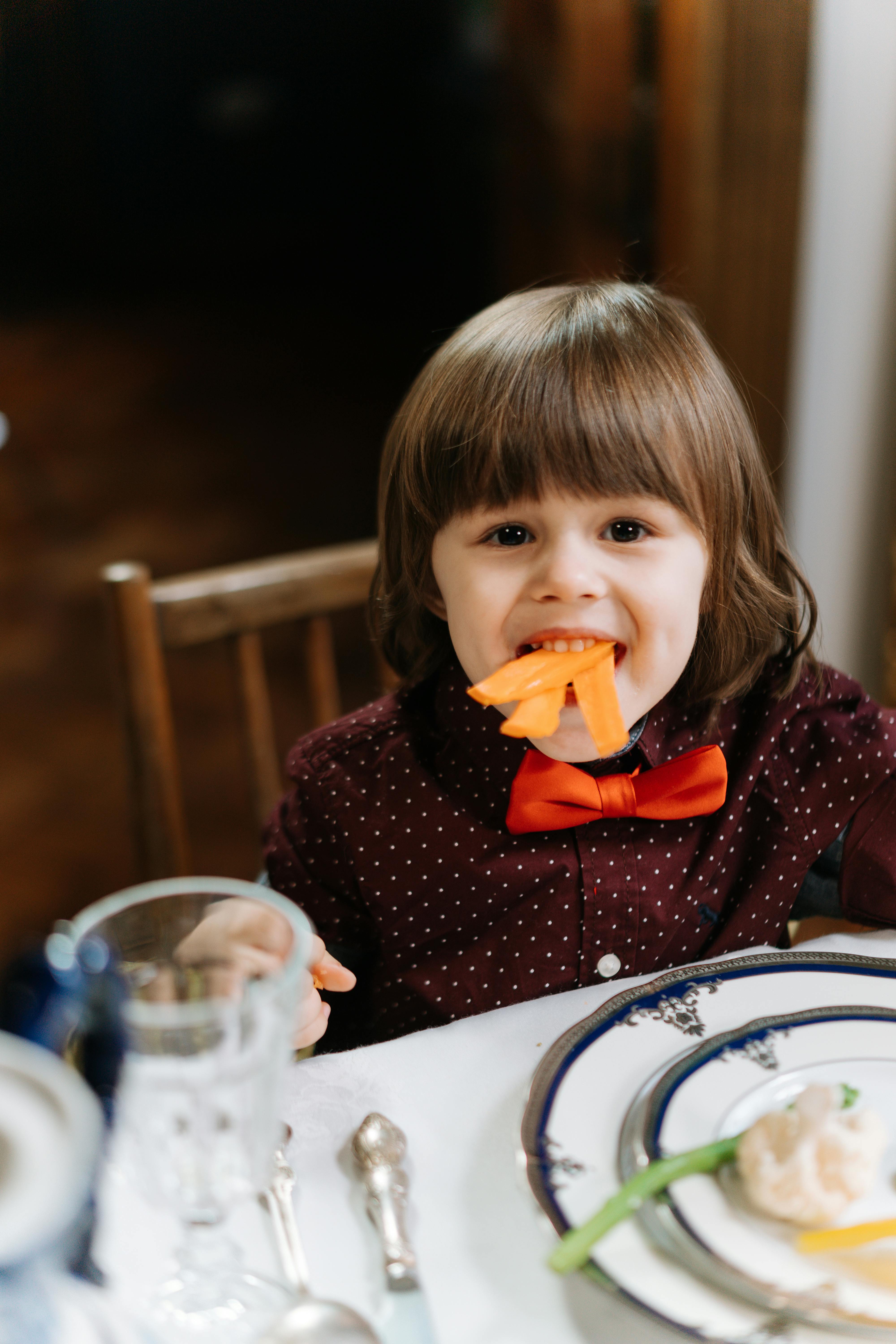
The biggest benefit of a screen-free family meal is not simply togetherness. It changes what children are willing to put in their mouths. Repeated exposure is one of the strongest predictors of food acceptance in childhood. A child who sees carrots, beans, fish, lentils, or salad on the family table again and again becomes more familiar with those foods, even if acceptance is slow at first.
Canadian nutrition messaging has often emphasized patterns over perfection. That approach reduces pressure. When parents are not turning every dinner into a battle, children are more likely to explore foods at their own pace. Dietitians often note that it can take many exposures before a child accepts a new item, and calm mealtime settings make those exposures more effective.
By contrast, distracted eating often shifts attention away from food cues and toward ultra-palatable items that deliver quick reward. When a child is focused on a show or a device, it becomes easier to overeat familiar processed foods and ignore less exciting options. Family meals also tend to include a broader range of ingredients than solo snacking does. Over time, that variety helps children build taste preferences that are more balanced and less dependent on sugar, salt, and convenience packaging.
Canada's public health culture gives this habit more support

What helps this mealtime change stick is that it fits neatly into a larger Canadian health message. Canada's Food Guide, especially in its modern form, places unusual emphasis on the eating environment. It does not just say what to eat. It also encourages cooking more often, eating with others, and being mindful while eating. That framing tells families that the context of a meal is part of nutrition, not an afterthought.
Schools, pediatric providers, and public health campaigns have often echoed the same idea. The message is practical: children do better when meals are routine, social, and less distracted. This is especially important in multicultural households, where shared meals are also a way to pass down traditional foods, language, and family expectations around eating.
The United States has many excellent nutrition programs, but its broader food environment is more commercially aggressive. Children face intense marketing of snack foods, sweetened drinks, and convenience meals. Portion sizes are often larger, and eating on the go is normalized. In that setting, a structured family meal can be harder to protect. Canada is not immune to these pressures, but its policy language and health education have more consistently treated mealtime structure as a protective factor rather than a sentimental ideal.
Better habits begin with appetite regulation, not just nutrition labels
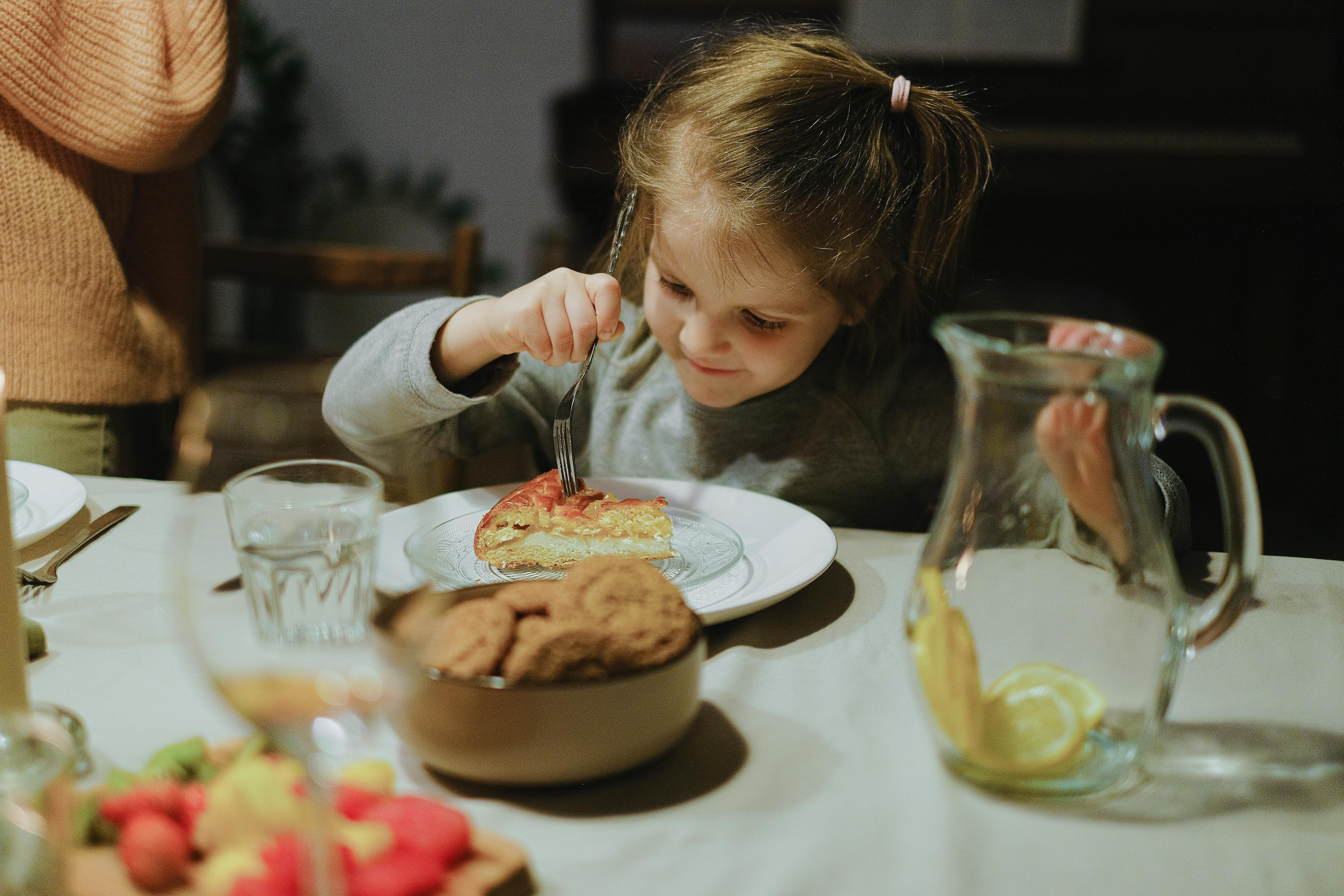
One reason shared meals work so well is that they help children notice their own bodies. Appetite regulation is a learned skill. A child who eats at regular times, in a calm setting, is more likely to recognize hunger before a meal and fullness during one. Without constant distraction, children can tune in to whether they are still hungry or whether they have had enough.
This can have lasting effects on weight and metabolic health, but the issue is broader than obesity. Children who eat mindfully tend to have a healthier relationship with food overall. They are less likely to see meals as random refueling events and more likely to understand food as part of routine, pleasure, and care. Pediatric experts have long argued that this lowers conflict and reduces the emotional charge around eating.
In contrast, when meals happen in front of a screen or while rushing between activities, children may miss internal cues completely. They can finish a portion without registering satisfaction, then ask for more because attention was elsewhere. Over time, this weakens self-regulation. The Canadian advantage here is not that children have better willpower. It is that many are placed in settings that make self-regulation easier to develop in the first place.
Real family pressures explain why the gap exists
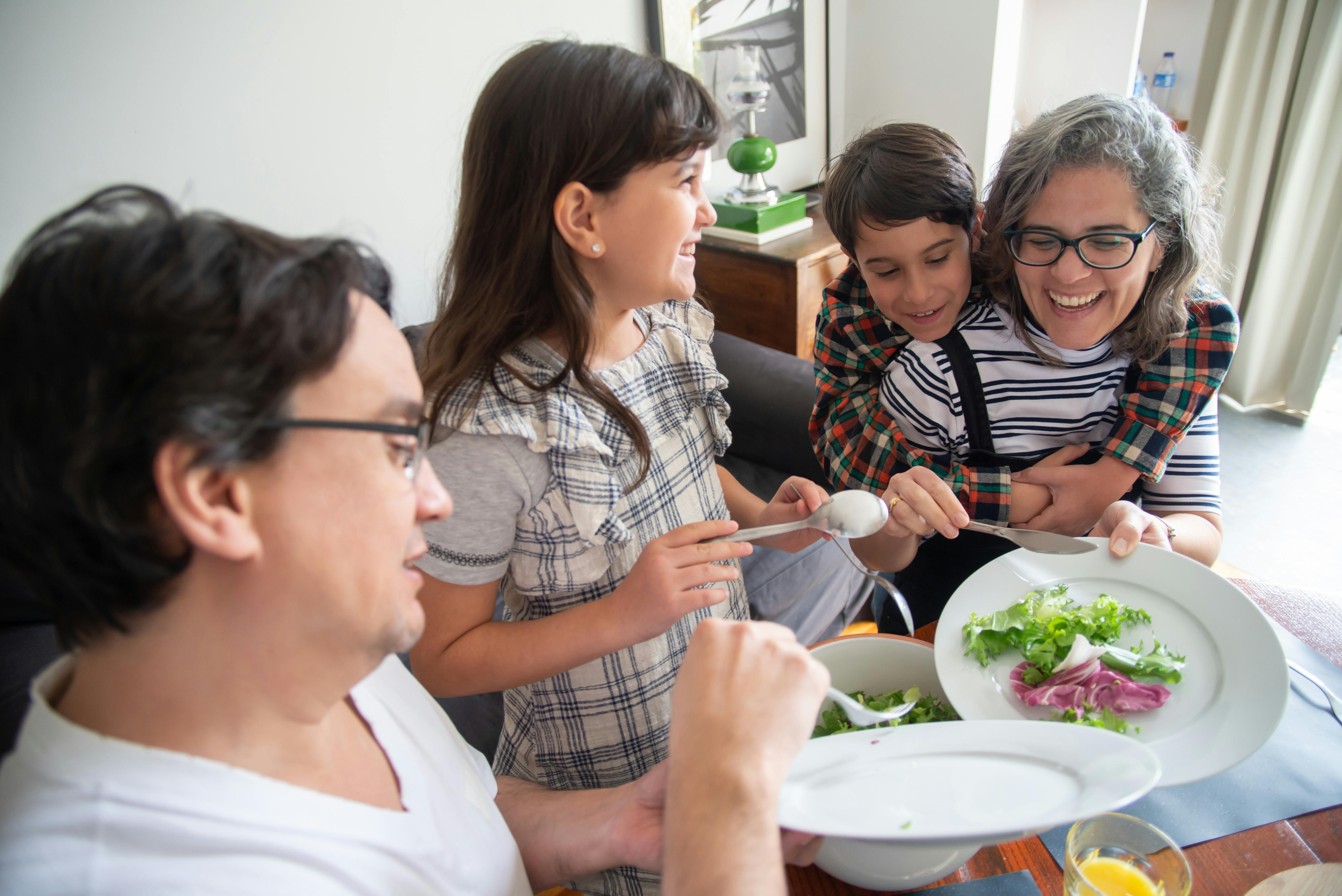
This difference is not about one country caring more than the other. Families in both places are managing long work hours, rising food costs, after-school activities, and the exhaustion that comes with modern parenting. But even under pressure, small structural habits can create different outcomes. In many Canadian households, the expectation that dinner happens at the table, even if it is simple, remains more intact.
A meal does not need to be elaborate to be effective. Rotisserie chicken, soup, eggs, frozen vegetables, rice, or pasta can still become part of a healthy family routine. What matters is the repeat pattern: sit down, serve the meal, talk, and let children watch adults eat the same foods. This predictability lowers stress and keeps parents from becoming short-order cooks who make separate meals for each child.
American families often face stronger convenience pressures, including larger commuter burdens and denser schedules around youth sports and activities. That can make split meals feel unavoidable. Still, research on family meals repeatedly shows that frequency matters. Even a few more shared meals each week are associated with better intake of fruits, vegetables, and fiber, along with lower reliance on sugary drinks and highly processed snacks.
What parents can borrow from this Canadian approach right now
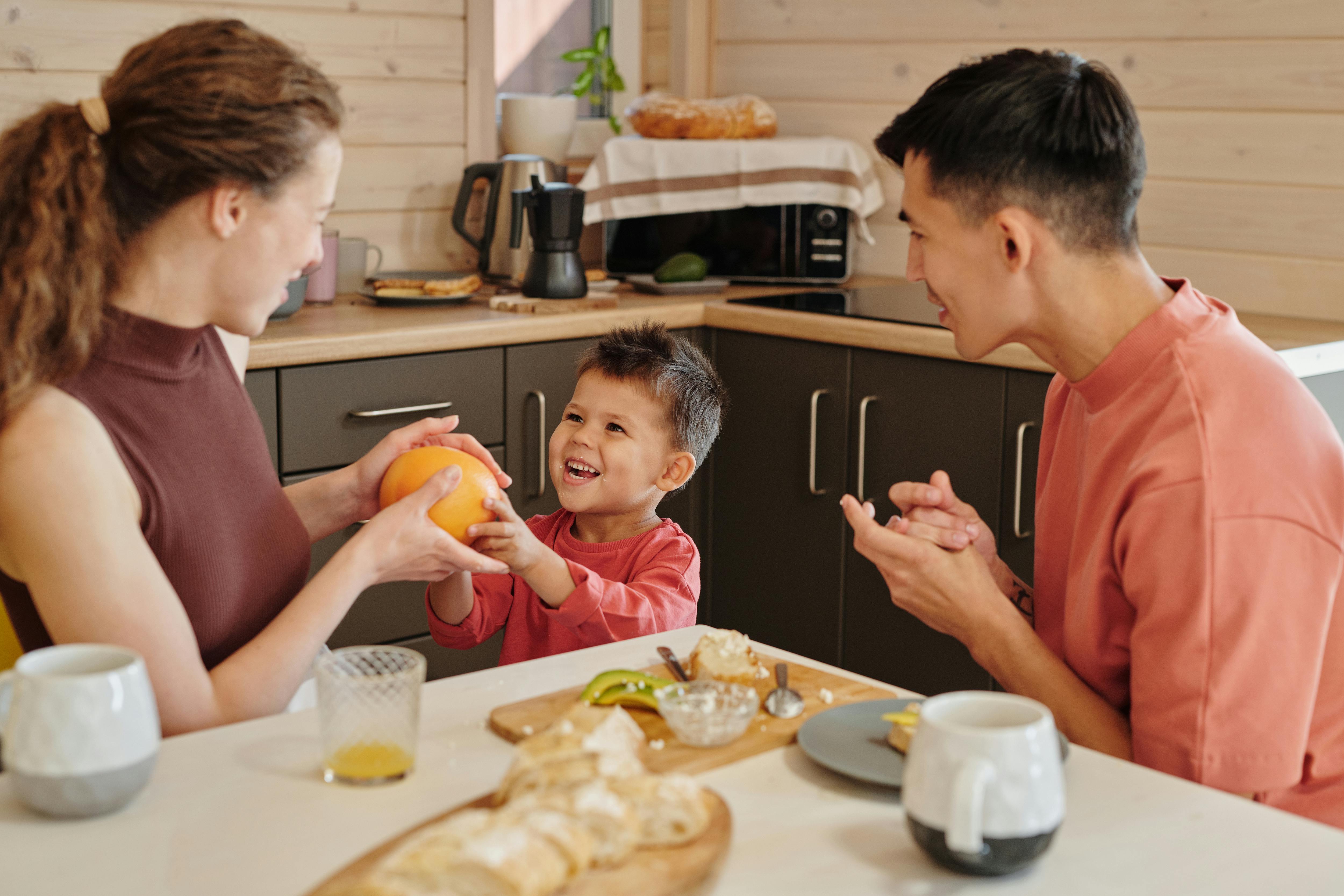
The lesson is refreshingly manageable. Parents do not need a national policy overhaul to use this strategy at home. The first step is to protect a few screen-free meals each week and treat them as non-negotiable. Phones stay off the table, the television stays off, and everyone eats at the same time whenever possible.
Next, serve one family meal instead of constantly negotiating separate menus. Include at least one familiar food so children do not feel trapped, but keep introducing the broader meal without pressure. Experts in responsive feeding often recommend that parents decide what, when, and where food is served, while children decide whether and how much to eat. That balance supports trust and reduces power struggles.
Finally, keep the focus on routine rather than perfection. Some meals will be rushed, noisy, or built from leftovers, and that is fine. What children remember is the pattern. When meals are shared, calm, and free of screens, they learn to enjoy a wider range of foods, respond better to appetite cues, and see eating as a social habit rather than a distracted side activity. That one simple change may be the most practical nutrition upgrade a family can make.




Leave a Reply