
Food laws can change dramatically from one border to the next, and that means a grocery-store staple in Canada can be off-limits somewhere else. This gallery explores 11 foods and food ingredients that Canadians can legally buy, even though several other countries have banned them or placed tough restrictions on their sale. The reasons range from synthetic dyes and preservatives to farming practices and labeling rules, offering a revealing snapshot of how differently nations define food safety.
Farmed Salmon

Salmon has a healthy reputation, but farmed salmon has long sparked debate over what goes into the fish before it reaches the plate. In Canada, farmed Atlantic salmon is legal and widely sold, yet some countries and regions have moved to restrict imports from certain producers over chemical use, contamination concerns, or aquaculture standards.
Much of the controversy centers on feed ingredients, antibiotics, sea lice treatments, and pollutants that can build up in dense fish farms. Different governments draw the line in different places, which is why a product that clears Canadian rules may face tougher scrutiny abroad.
For shoppers, the issue is less about salmon itself and more about how it was raised. Wild, organic, and responsibly farmed labels often matter just as much as the species name on the package.
Artificially Colored Candy

Few foods advertise themselves more loudly than brightly colored candy, and that rainbow look often comes from synthetic dyes. In Canada, many candies still contain artificial colors that are legal for sale, while several countries have banned specific dyes or required stricter warnings because of health concerns.
The main issue involves petroleum-derived colorants such as Red 40, Yellow 5, and Yellow 6. Some research has linked certain dyes to hyperactivity in sensitive children, prompting regulators in parts of Europe and elsewhere to either restrict their use or push manufacturers toward natural alternatives.
That is why the same brand can look different from one country to another. Canadian shelves may carry a more vividly colored version, while overseas packaging often contains reformulated recipes with fruit and vegetable-based pigments instead.
Breakfast Cereals with BHA and BHT
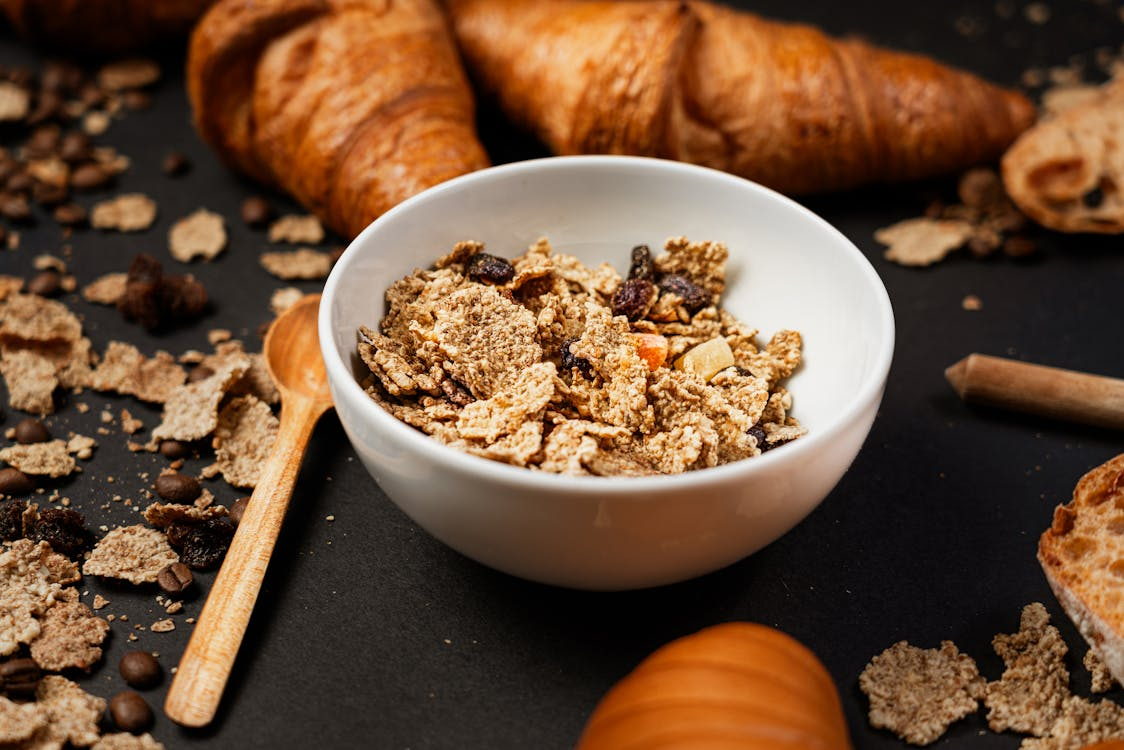
The cereal aisle can seem wholesome at first glance, but some boxes contain preservatives that are far more controversial than the cartoon mascots suggest. In Canada, cereals made with BHA and BHT remain legal, even though several countries have banned or tightly limited these additives in food.
BHA and BHT are used to keep fats from going rancid, helping products stay crisp and shelf-stable for longer. Critics point to animal studies and ongoing questions about long-term exposure, while regulators in different countries have reached very different conclusions about what level of risk is acceptable.
As a result, a cereal recipe sold in Canada may not be sold in the same form elsewhere. Some brands quietly replace these preservatives in stricter markets with vitamin E or other alternatives.
Ractopamine-Treated Pork
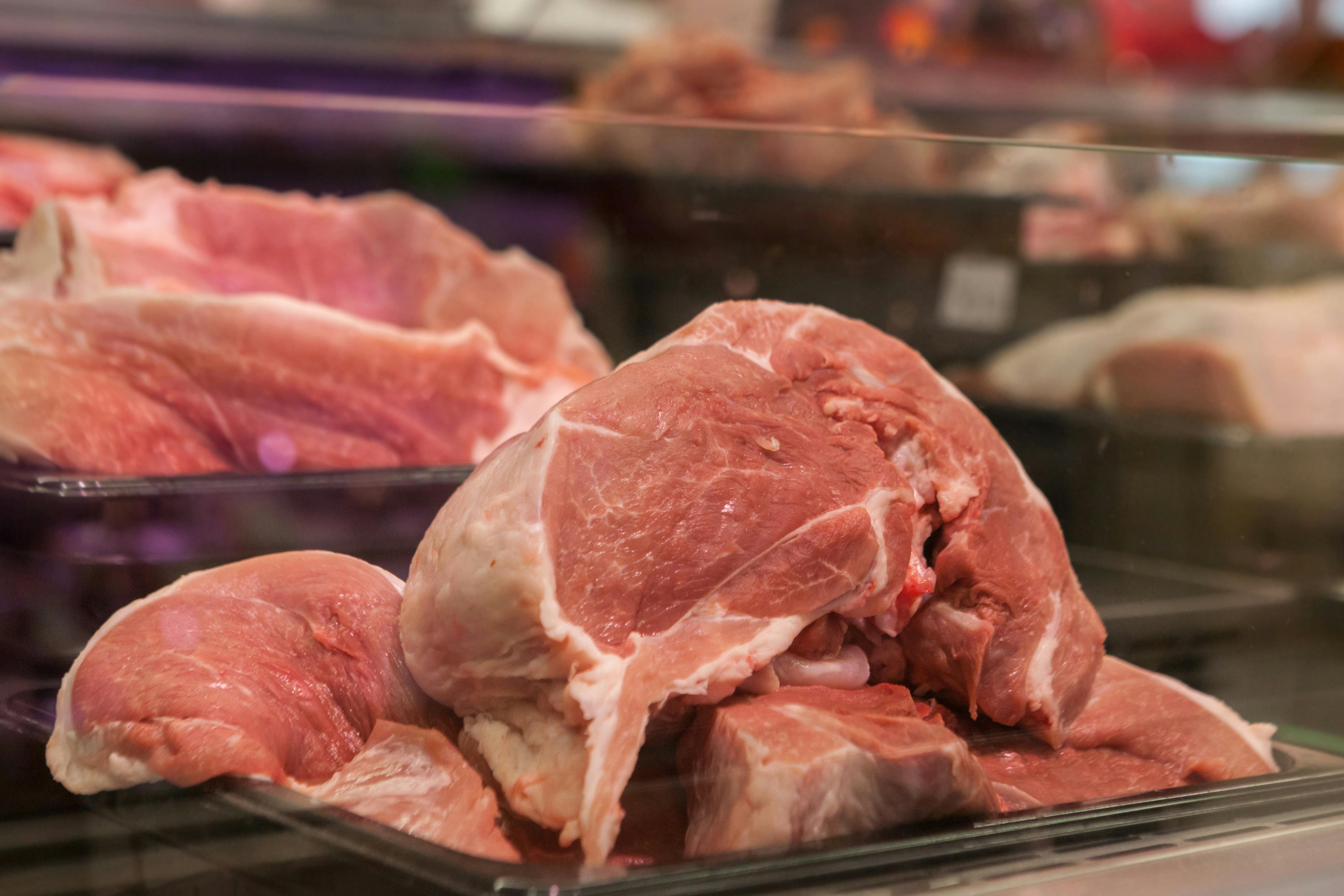
Pork is a global staple, but not every country agrees on how pigs should be raised before they enter the food supply. In Canada, pork from pigs treated with ractopamine can be legal, while several countries, including China and members of the European Union, ban it entirely.
Ractopamine is a feed additive used to promote leaner meat and faster growth. Supporters say it has been assessed and approved in some markets, but opponents argue that animal welfare concerns and uncertainty over residue levels make it a risk not worth taking.
This issue often turns into a trade flashpoint because exporters must meet the standards of the destination country. That means Canadian producers who want access to certain markets usually need separate ractopamine-free supply chains.
Milk Made with rBST or rBGH
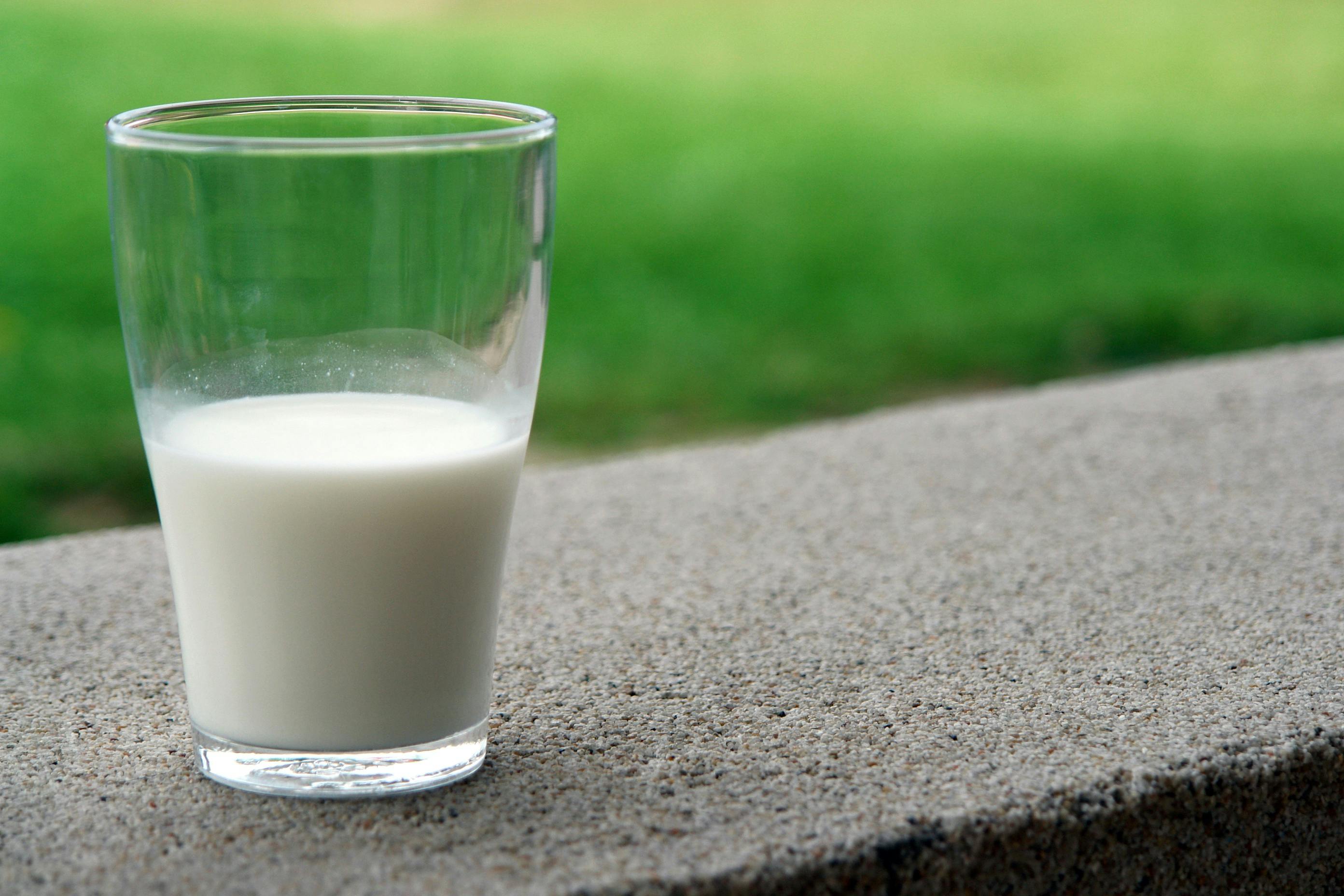
Milk seems like one of the most tightly controlled foods on earth, yet even dairy can become controversial when hormones enter the picture. In Canada, milk from cows treated with recombinant bovine growth hormone is not approved domestically, but dairy ingredients or imported products connected to rBST systems are part of a wider international dispute, and several countries ban the hormone outright.
The concern is not that milk becomes instantly unsafe, but that the hormone has been linked to animal health problems such as mastitis and increased antibiotic use. Those welfare concerns helped drive bans in places like the European Union.
For consumers, the bigger lesson is that food regulation does not move in lockstep. One country may weigh productivity benefits heavily, while another focuses more on herd health and precaution.
Chicken Washed with Chlorine

What happens to chicken after slaughter can matter just as much as how it was raised. In Canada, poultry processing can involve antimicrobial rinses that are legal under domestic rules, while several countries, including those in the European Union, have banned chlorine-washed chicken and similar treatments.
Supporters say these rinses help reduce bacteria and improve food safety during processing. Critics argue they can mask poor hygiene practices earlier in the production chain and prefer a farm-to-facility system built around stricter preventive standards instead.
The disagreement has become symbolic in international trade debates because it reflects two very different philosophies. One approach accepts chemical rinses as part of food safety, while the other sees them as a last-minute fix that should not be necessary.
Foods Made with Potassium Bromate

Bread should be simple, but some commercial baked goods rely on ingredients that have drawn serious concern abroad. In Canada, potassium bromate has historically been permitted in certain contexts, though tightly regulated, while several countries have banned it from food entirely because of safety concerns.
Bakers use potassium bromate to strengthen dough and help bread rise higher with a uniform texture. The problem is that it has been classified as a possible carcinogen, and although proper baking is supposed to reduce residues, many regulators have decided the uncertainty is enough to remove it from the food system.
This is one of those ingredients most shoppers never think about unless they read labels closely. Yet it shows how a technical baking aid can become a major public-health dividing line from one country to another.
Packaged Foods with Olestra
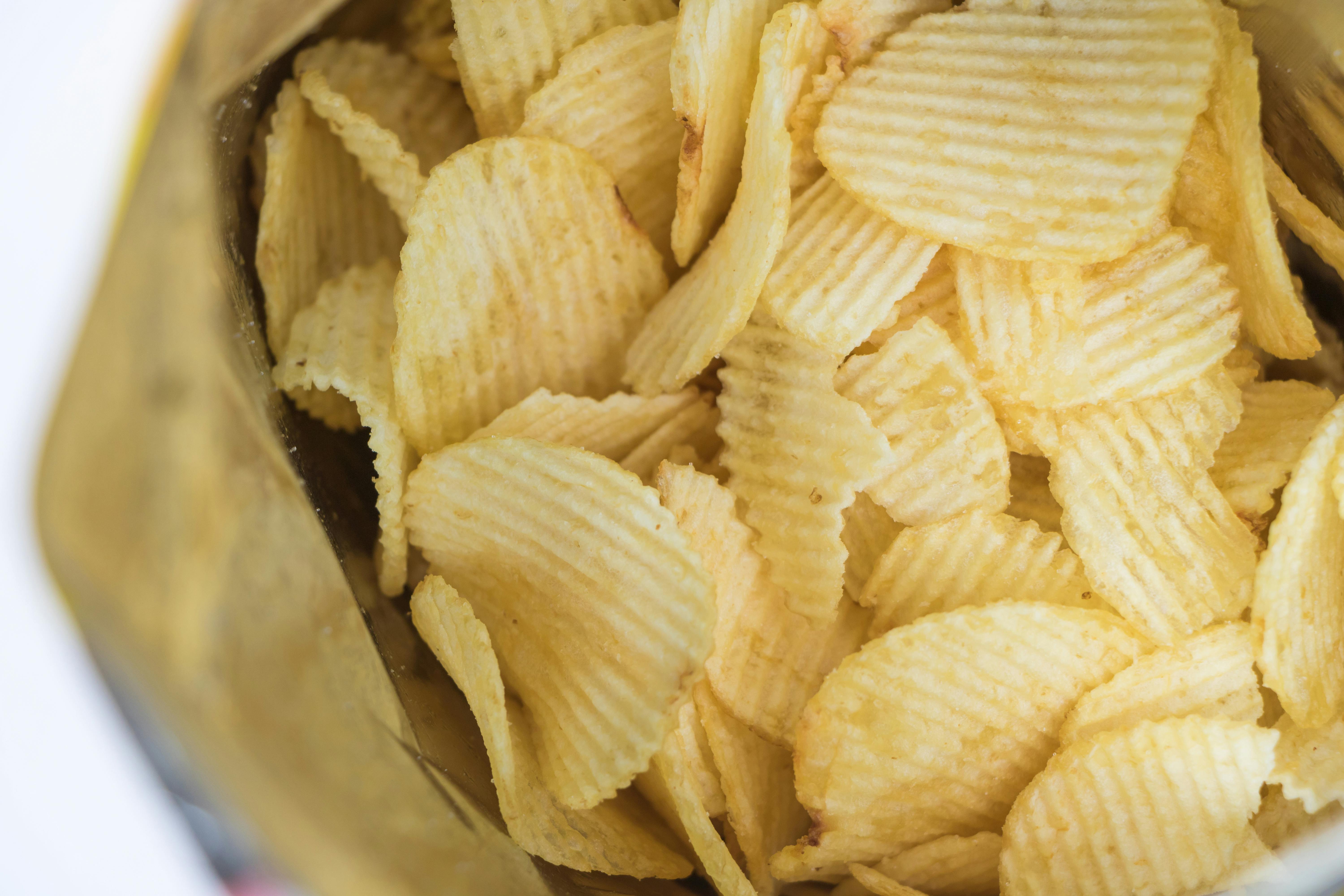
The promise of guilt-free snacking helped make olestra famous, but its reputation never fully recovered. In Canada, products containing fat substitutes in this category have been part of broader regulatory discussions, while some countries have blocked or tightly restricted similar ingredients because of digestive side effects and nutritional concerns.
Olestra is designed to mimic the texture of fat without being absorbed by the body, which means it adds crunch without the calories. The trade-off is that it can interfere with the absorption of some fat-soluble vitamins and has been associated with unpleasant gastrointestinal effects.
That odd mix of diet appeal and consumer backlash made it a cautionary tale in food science. An ingredient can meet technical goals in the lab and still struggle once real people start eating it regularly.
Genetically Modified Corn Products

Corn shows up in far more foods than most people realize, from chips and cereal to syrups and snack bars. In Canada, genetically modified corn is legal and common, but several countries have banned specific GM corn varieties or imposed strict limits tied to environmental and consumer concerns.
Supporters argue that approved GM crops can reduce losses, improve pest resistance, and help stabilize yields. Opponents raise questions about biodiversity, cross-pollination, herbicide use, and whether long-term ecological effects are being fully considered.
What makes this topic especially confusing is that bans are rarely broad and simple. One country may allow some GM corn events but prohibit others, meaning the same basic ingredient can face very different rules depending on the seed, the trait, and the destination market.
Papaya, Zucchini, and Squash Treated with Certain Pesticides
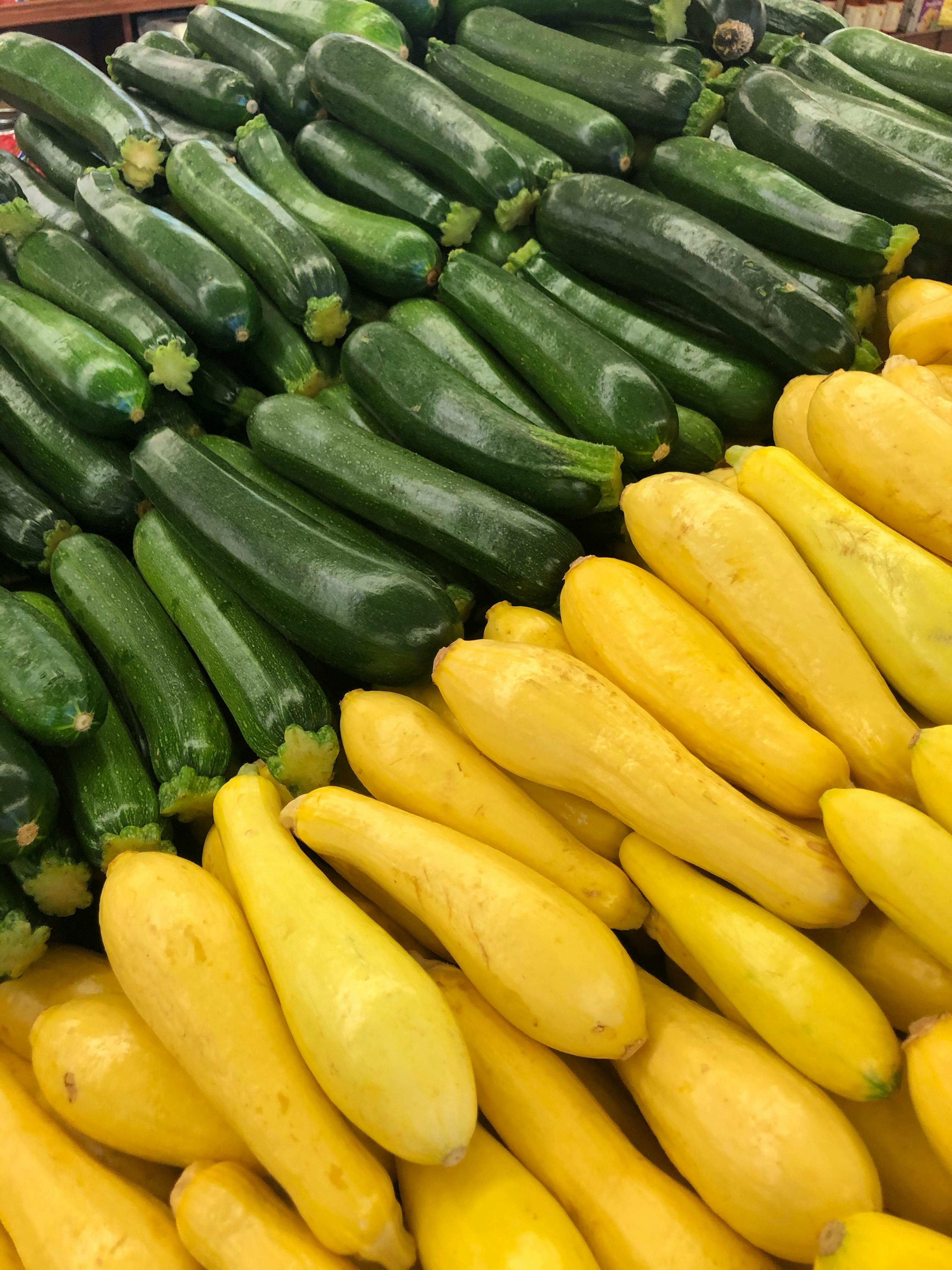
Fresh produce often looks like the least controversial part of the supermarket, but pesticide rules can turn everyday fruits and vegetables into regulatory puzzles. In Canada, imported or domestically sold produce may be legal under residue limits that differ from those in other countries, and several nations ban specific pesticides still tolerated elsewhere.
Papaya, zucchini, and squash have all been caught in these debates because they are vulnerable to pests and often depend on intensive crop protection. A chemical that passes Canadian maximum residue rules may fail another country's test if that nation has banned the active ingredient altogether.
This does not automatically mean the produce is unsafe, but it does show how safety thresholds vary by government. For consumers, washing produce helps, though residue policy is ultimately a matter of regulation, not kitchen technique.
Energy Drinks with High Caffeine Levels
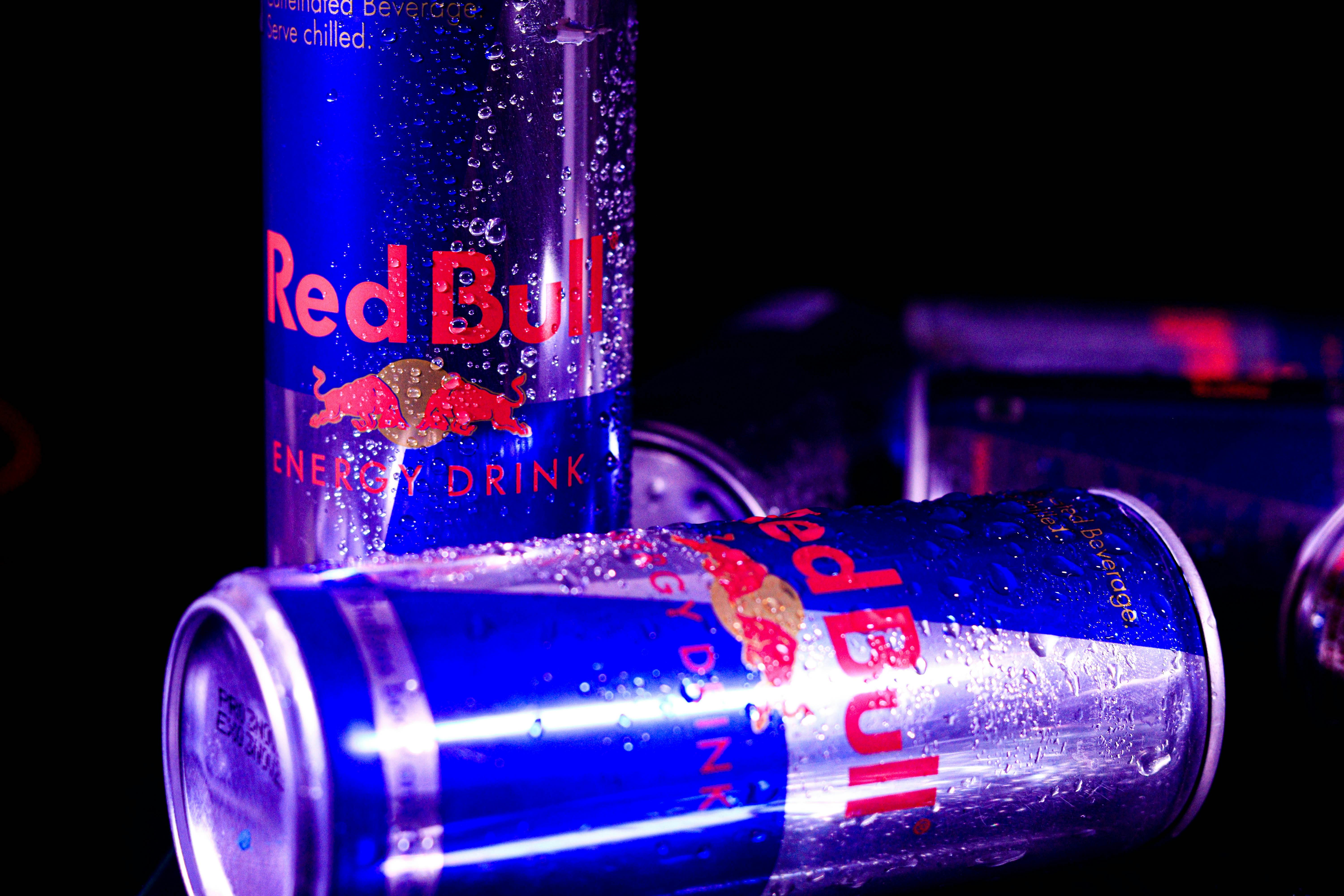
Energy drinks sit at the intersection of convenience, marketing, and chemistry, which is exactly why regulators keep such a close eye on them. In Canada, caffeinated energy drinks are legal under specific rules, but several countries have banned certain brands or high-caffeine formulations over health concerns, especially for young consumers.
The worry is not just caffeine alone. These drinks often combine stimulants, sugar, flavorings, and serving sizes that make it easy to consume more than intended. Health authorities in different countries have responded with bans, age restrictions, reformulation demands, or stricter labeling.
That patchwork approach means a can sold legally in Canada might need a different recipe or warning label abroad. The product category is global, but the acceptable level of stimulation is anything but universal.




Leave a Reply