
For many shoppers, Tater Tots are not just another frozen side dish. They are a comfort food with decades of habit, nostalgia, and very specific expectations attached.
Why This announcement is hitting fans so hard

What makes this reaction so strong is simple: people know exactly how Ore-Ida Tater Tots are supposed to taste, crisp, and feel. When a product has been in family freezers for generations, even a small adjustment can feel much bigger than it sounds. Consumers often build routines around foods like this, from weeknight dinners to game-day snacks, so any disruption quickly becomes emotional as well as practical.
Ore-Ida's announcement has stirred that kind of response because longtime buyers tend to view Tater Tots as a fixed standard, not an evolving product. Across the food industry, brands have learned that fans will tolerate limited-edition flavors and packaging refreshes more easily than they will changes to a core formula or cooking experience. That is especially true for products tied to childhood memories and household traditions.
There is also a trust factor at play. Many shoppers assume that a heritage brand's flagship item will remain stable unless there is a major safety, supply, or regulatory reason to alter it. When companies make changes without giving consumers a lot of context, the vacuum gets filled quickly by anxiety, online speculation, and worries that a favorite food is about to lose the quality that made it famous in the first place.
The bigger issue behind food changes in 2024 and beyond
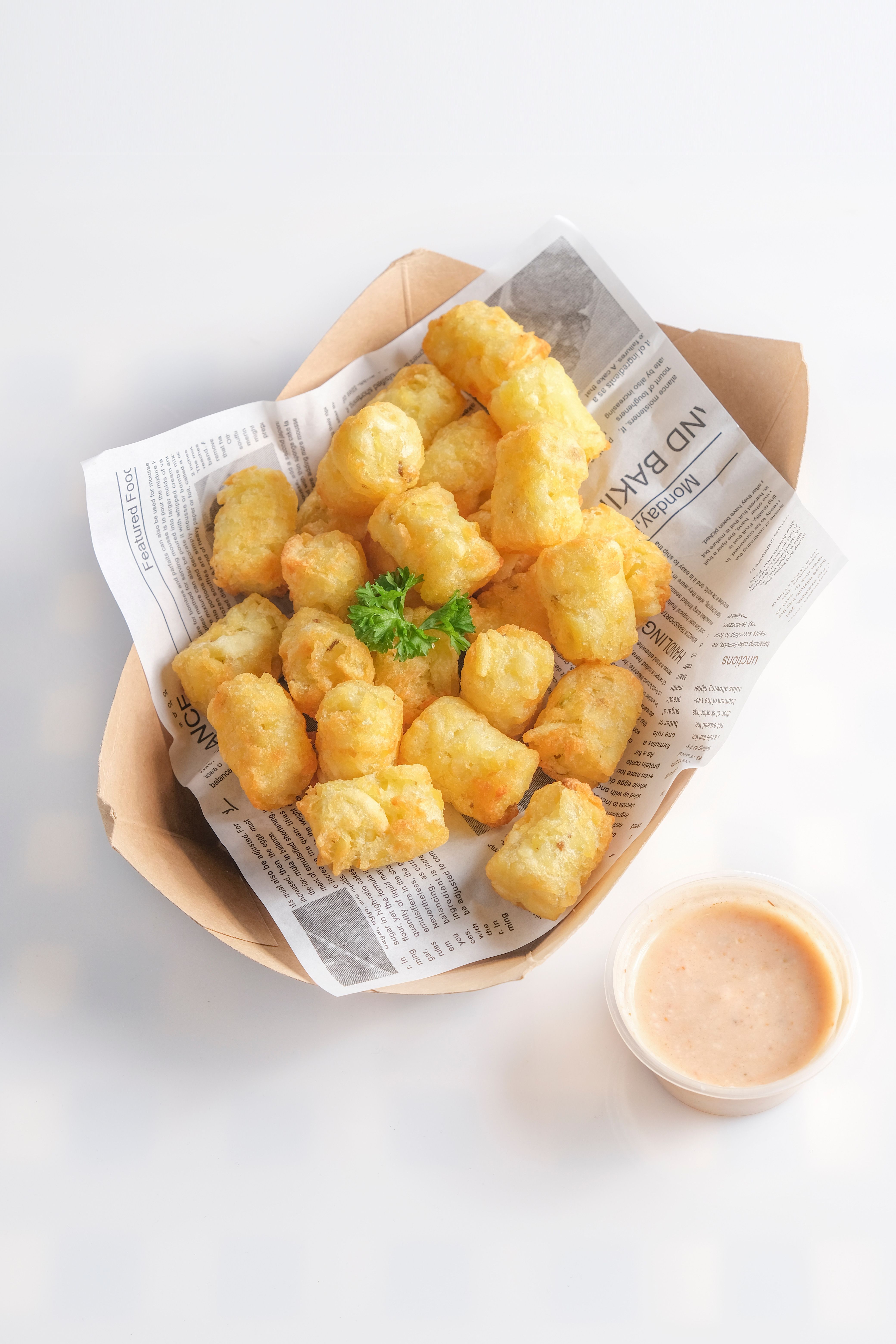
This kind of concern is happening at a moment when grocery shoppers are already on edge. Over the past few years, consumers have seen repeated examples of familiar foods changing in size, ingredients, texture, or cooking performance. Some changes are tied to cost pressures, while others reflect manufacturing adjustments, ingredient availability, nutrition goals, or retailer demands for longer shelf stability.
Potato products in particular sit at the crossroads of several industry pressures. Potato harvest quality can vary with weather, transportation expenses remain volatile, and processors continue to manage labor costs, oil prices, and packaging expenses. For frozen foods, there is also the challenge of preserving a product's consistency after it leaves the factory and moves through a long cold-chain system before reaching home ovens and air fryers.
That context matters because fans often assume a product change is purely a brand decision made in isolation. In reality, companies like Ore-Ida operate inside a food system shaped by agricultural cycles and production economics. Even so, consumers do not judge a frozen side dish based on supply-chain realities. They judge it by the bite. If the crunch, seasoning, or interior texture shifts in a noticeable way, the reasons behind the change may do little to calm disappointed buyers.
What longtime Tater Tot buyers are most nervous about
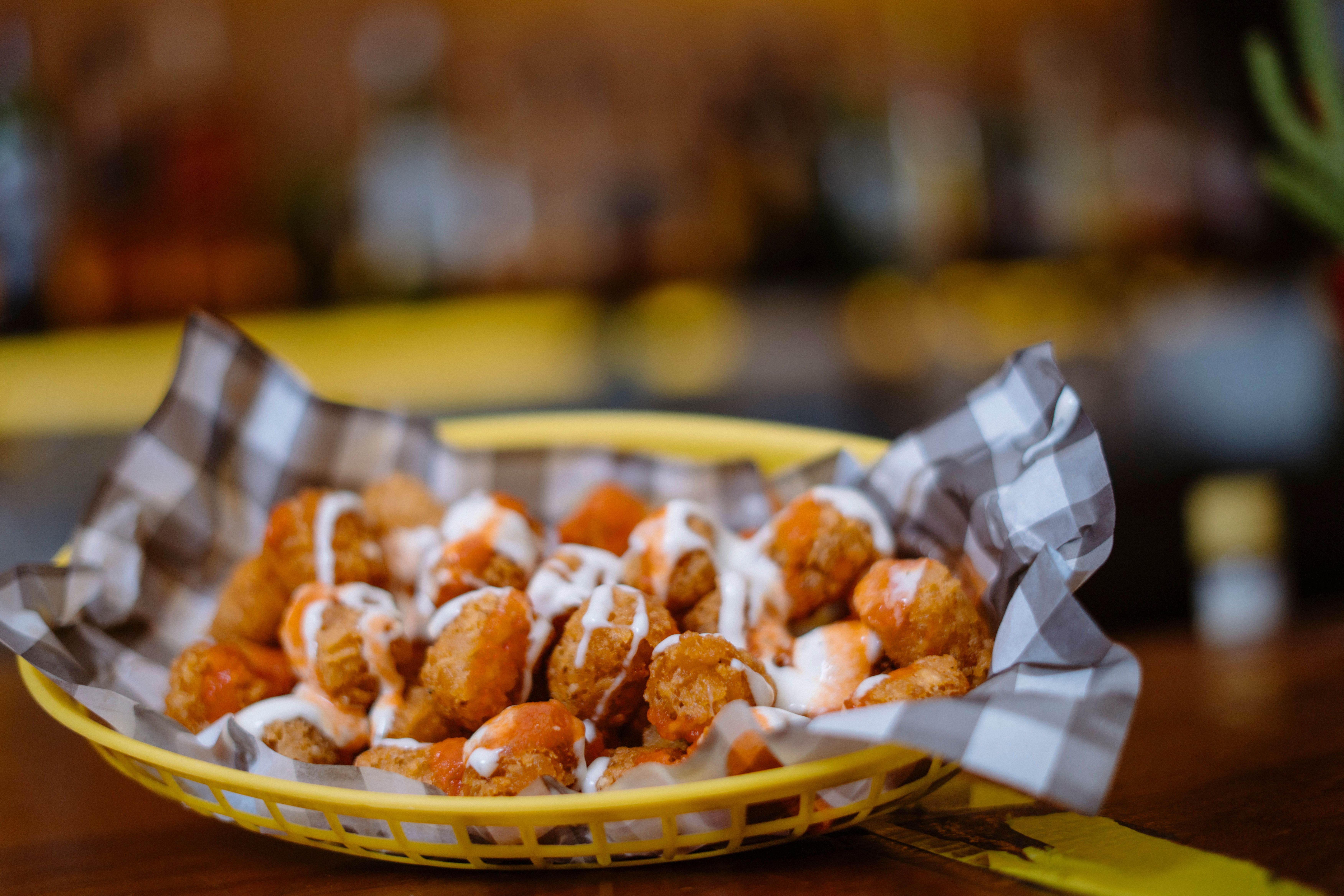
At the heart of the concern is a fear that the product people love will no longer deliver the same eating experience. For Tater Tot loyalists, the ideal version has a very clear profile: a crisp outer shell, a fluffy potato center, balanced salt, and a reliable golden finish in the oven or air fryer. If any one of those elements changes, fans notice immediately.
Texture is usually the first red flag. Frozen potato items can be especially sensitive to changes in coating, oil absorption, moisture balance, and potato composition. A subtle manufacturing adjustment can lead to tots that brown too fast, stay soft too long, or feel hollow in the middle. Home cooks may blame themselves at first, but repeat experiences often point them back to the product.
There is also concern about portion value and packaging expectations. If a company introduces a smaller bag, modified shape, new ingredient blend, or different preparation guidance, buyers may feel they are paying more while getting less of what they originally trusted. That combination tends to drive the strongest backlash because it connects taste disappointment with the broader frustration many households already feel at the grocery store.
How brands usually defend changes like this

Companies rarely frame these updates as a downgrade. Instead, they often present them as improvements in convenience, consistency, sourcing, nutrition, or modern cooking performance. In some cases, that is fair. A revised product may cook faster, hold crispness better, or align with current consumer preferences for cleaner labels or reduced use of certain ingredients.
Still, history shows that consumers are skeptical when a famous product changes under familiar branding. Food companies have spent years learning that phrases like "new and improved" can trigger resistance if the original version had a loyal fan base. What brands call optimization, shoppers may interpret as cost-cutting, recipe tampering, or a hidden compromise designed to protect margins rather than flavor.
The challenge for Ore-Ida is that Tater Tots occupy a unique cultural space. They are casual and inexpensive, but they are also iconic. That means the brand has less room for error than it might with a newer product. If the company wants to avoid a long-term reputational hit, it will need to communicate clearly, explain the reason for the change in plain language, and show consumers that the essential character of the product has not been sacrificed.
What happens next if fans reject the update

The modern grocery market gives unhappy customers a loud voice and fast reach. If longtime buyers feel the product has been altered for the worse, complaints can spread rapidly through social media, review sections, retailer feedback channels, and food-focused discussion boards. That kind of reaction can shape perception before casual buyers even try the new version for themselves.
Retailers pay attention to those signals. If a product begins drawing consistent criticism, store buyers may reevaluate shelf placement, promotional support, or the number of facings it receives in the frozen aisle. Competitors are also quick to benefit when a category leader stumbles. Store brands and rival potato products often gain traction when shoppers feel a legacy favorite has become less dependable.
Brands do sometimes reverse course. Consumer packaged goods companies have a long history of quietly tweaking formulas again after backlash, or clarifying that a change applies only to select packaging, regions, or production lines. If fan concern grows, Ore-Ida may need to reassure customers with side-by-side messaging, detailed cooking guidance, or evidence that the product still meets the standards that made it a household staple.
Why this matters beyond one bag of frozen potatoes
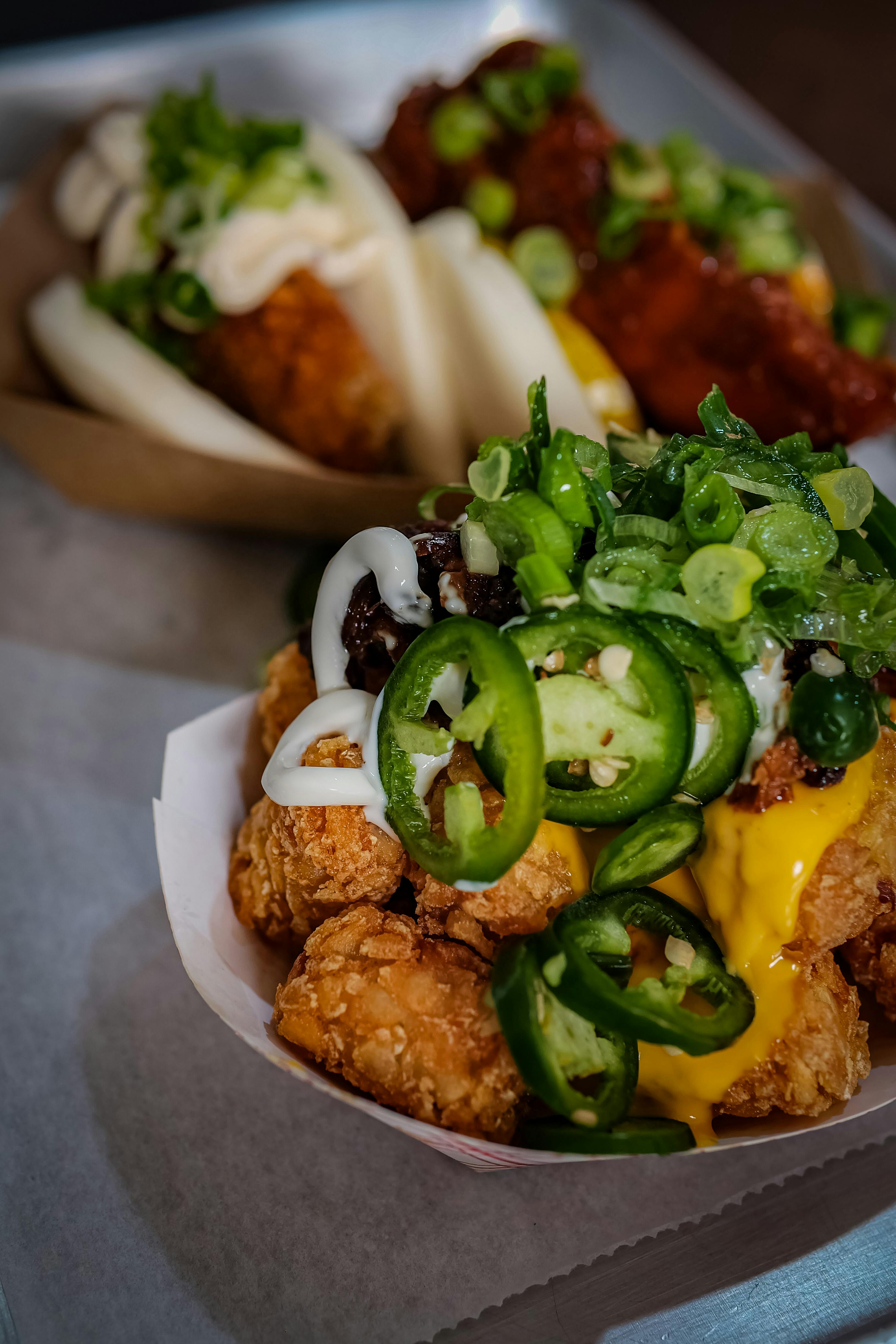
This story resonates because it is really about something larger than Tater Tots. It reflects the tension between brand heritage and modern business pressure. Consumers want familiar foods to stay familiar, while manufacturers face constant pressure to adapt to costs, logistics, regulations, and shifting market trends. That push and pull is now visible in almost every aisle of the supermarket.
There is also a lesson here about how deeply people connect with ordinary foods. A frozen potato side dish may seem minor from a corporate perspective, yet for families it can represent routine, affordability, and a predictable pleasure at the end of a busy day. When that changes, shoppers are reminded that even the simplest staples are not immune to broader economic and industrial forces.
For now, the real test will be whether Ore-Ida can convince buyers that its Tater Tots still deliver the familiar experience they expect. If the company succeeds, the worry may fade quickly. If it does not, this moment could become another example of how difficult it is to alter an iconic food without unsettling the people who made it iconic in the first place.


Leave a Reply