
Canada and the United States share a border, a language, and plenty of grocery brands, but their comfort foods can tell a very different story. From prairie pantry staples to French Canadian classics and East Coast treats, these are the dishes many Canadians grew up with that often leave Americans asking, "Wait, what is that?" This gallery explores eight beloved foods that feel totally ordinary in Canada and surprisingly obscure just south of the border.
Kraft Dinner
Few foods say Canadian childhood quite like a pot of neon-orange macaroni known simply as KD. While Kraft Mac & Cheese exists in the United States, Canadians turned the boxed dinner into something bigger: a national comfort food with a nickname, a cult following, and a place in dorm rooms, family kitchens, and late-night meals.
Canada has long ranked among the world's biggest per-capita consumers of Kraft Dinner, and generations grew up doctoring it with cut-up hot dogs, canned tuna, peas, or ketchup. Americans may recognize the product, but not the cultural weight it carries in Canada, where it feels less like a convenience food and more like a rite of passage.
Butter Tarts

If Canada had a dessert that sparked friendly arguments, butter tarts would be near the top of the list. These small pastry shells filled with a rich mixture of butter, sugar, syrup, and egg are a fixture at bakeries, church sales, roadside stops, and holiday tables, especially in Ontario, where they are often treated as a regional treasure.
The big debate is whether raisins belong in them, but the deeper appeal is texture. A good butter tart balances flaky pastry with a filling that can be runny, gooey, or almost set. Americans familiar with pecan pie may find them vaguely recognizable, yet butter tarts have their own identity and a long history in Canadian home baking that never fully crossed the border.
Nanaimo Bars
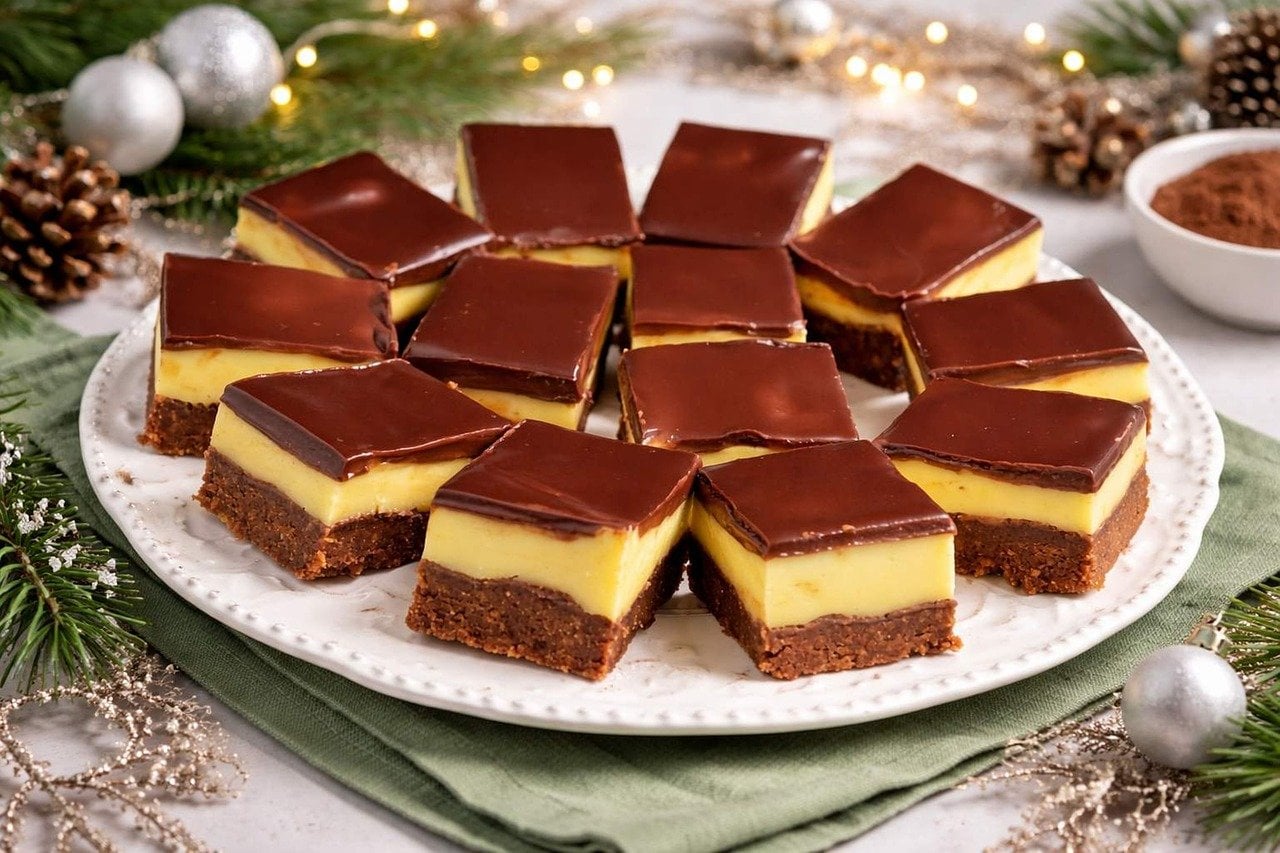
Some desserts are baked into memory, while others are chilled into it. Nanaimo bars, named after the city of Nanaimo in British Columbia, are a no-bake square with three distinct layers: a crumbly chocolate-coconut base, a sweet custard-flavored middle, and a glossy chocolate top. For many Canadians, they are as standard at potlucks and Christmas trays as brownies are in the United States.
Their appeal comes from contrast. The base is chewy and rich, the center is soft and creamy, and the top gives a clean snap. Americans who have never seen one are often surprised by how iconic they are in Canada, where recipes vary by household but the basic structure remains instantly recognizable.
Tourtière

Tourtière is the kind of dish that turns a simple pie into family history. This savory meat pie is closely associated with French Canada, particularly Quebec, and it often appears at Christmas and New Year's gatherings. Depending on the region and the cook, it may be filled with pork, beef, veal, game, or a blend of meats seasoned with warming spices.
What sets tourtière apart is not just the filling, but the tradition around it. Many families guard their own version, and the dish carries a strong sense of celebration and ancestry. Americans may know chicken pot pie or shepherd's pie, yet tourtière has a firmer, spiced profile and a cultural importance that makes it feel unmistakably Canadian.
Peameal Bacon Sandwich

This is not the bacon most Americans picture at breakfast. Peameal bacon is made from wet-cured pork loin, rolled in cornmeal, and sliced into tender medallions that are leaner and rounder than streaky bacon. In Canada, especially around Toronto, the classic way to eat it is piled onto a bun, hot off the griddle, often with mustard.
Its roots go back to preservation methods from the 19th century, when the cured loin was rolled in ground yellow peas before cornmeal became more common. That history gives the sandwich an old-school credibility, but its staying power comes from flavor and simplicity. Americans sometimes confuse it with Canadian bacon, though peameal has a very different texture, look, and local fame.
Pouding Chômeur
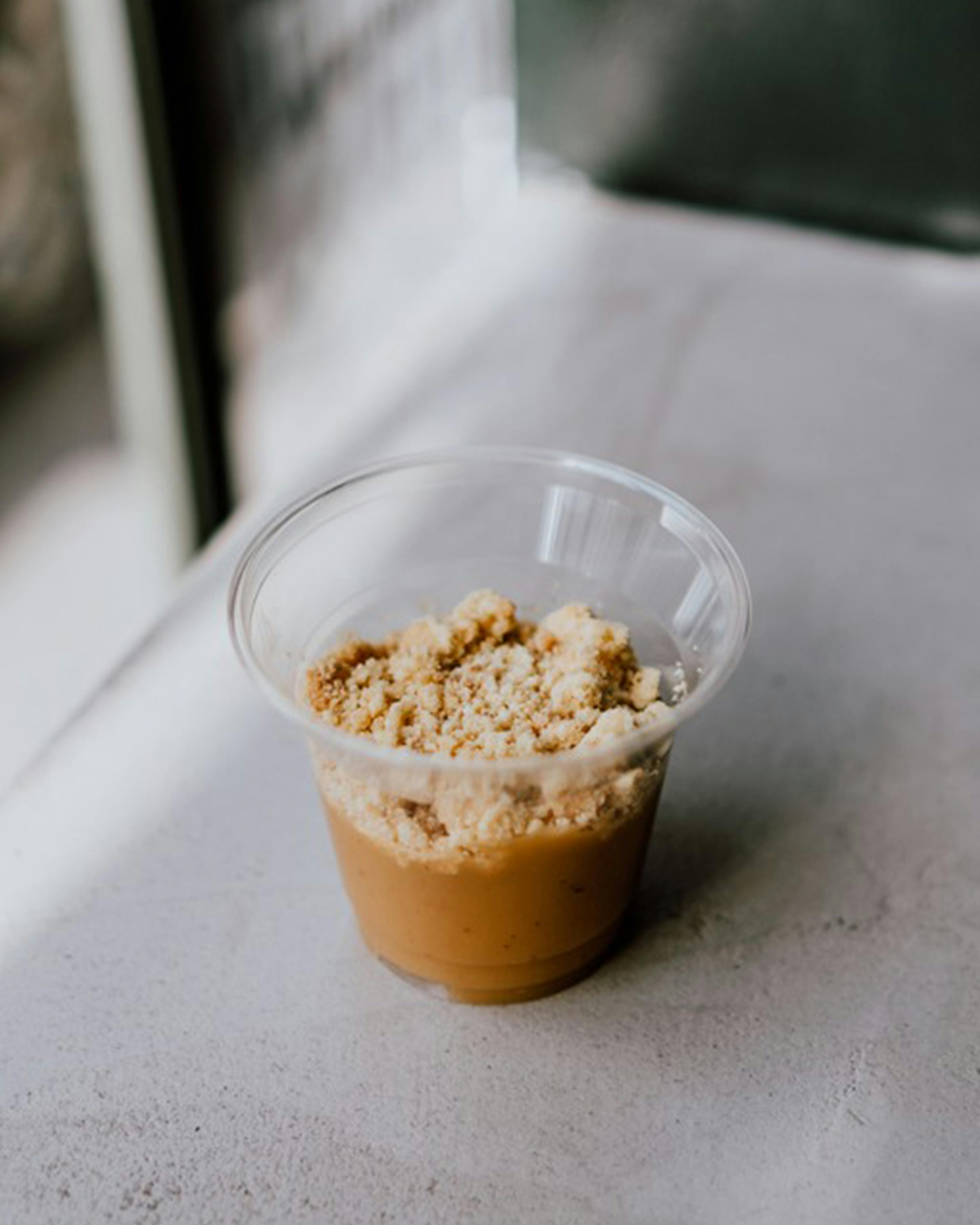
Pouding chômeur is one of those desserts that proves thrift can taste luxurious. Created in Quebec during the Great Depression, its name translates to "unemployed person's pudding," and it was built from inexpensive pantry staples. The result is a humble cake baked with a hot syrup, often made with brown sugar or maple syrup, that transforms into a self-saucing dessert.
What makes it memorable is the contrast between its plain appearance and its deep caramel sweetness. Served warm, it lands somewhere between cake and pudding, with a soft crumb and a rich sauce pooling underneath. Americans who have never encountered it may be surprised by how beloved it remains, especially in Quebec homes and traditional restaurants.
Flipper Pie
Flipper pie is one of the most regionally specific foods on this list, and that is exactly why it surprises outsiders. Traditional to Newfoundland and Labrador, the dish is made from harp seal flippers that are typically salted, then slow-cooked in a savory pie with onions and root vegetables. For many Canadians elsewhere, it is unusual. For many Newfoundlanders, it is heritage cooking.
The dish grew out of coastal foodways shaped by preservation, hunting, and making full use of available ingredients. That context matters, because flipper pie is tied to local identity more than novelty. Americans rarely encounter it, partly because it is so regional and partly because it reflects a distinct Atlantic tradition that never entered mainstream U.S. home cooking.
Halifax Donair
At first glance, the Halifax donair looks like a cousin of the gyro or döner, but one bite makes it clear that it stands on its own. Developed in Nova Scotia and now treated as an East Coast icon, it features spiced beef shaved into a pita and topped with chopped onions, tomatoes, and a signature sweet garlic sauce that defines the whole experience.
That sauce is the key difference and the reason the donair tastes unlike the Mediterranean wraps Americans may know. It is sticky, sweet, tangy, and unapologetically messy. In Halifax, it is a late-night institution and a point of civic pride. In much of the United States, though, it remains largely unknown despite being one of Canada's most recognizable regional fast foods.




Leave a Reply