
Imported candy is having a moment. And one German brand in particular is turning ordinary Walmart candy runs into something shoppers are actively talking about.
Why This German candy brand is getting so much attention
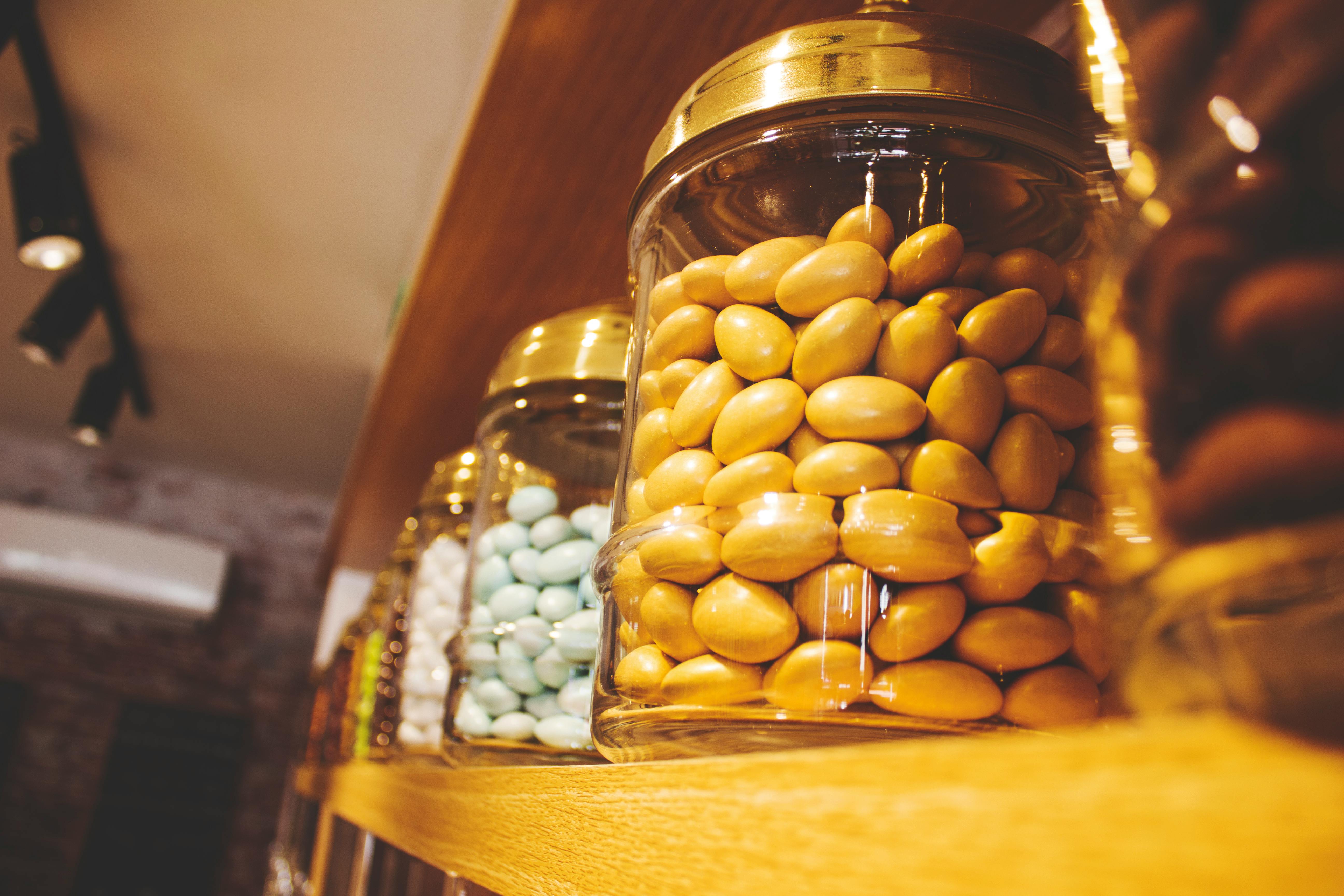
What is fueling the buzz is not just the fact that the candy is German. It is that the brand offers a very specific kind of European candy experience that many American shoppers see as more refined, more giftable, and a little more fun than standard supermarket options. At Walmart, where shoppers often expect value first, that kind of discovery can feel surprisingly special.
The brand drawing this attention is Storck, the German confectionery company behind several globally recognized candies, including Werther's Original, Riesen, Toffifay, and Mamba. While many Americans already know Werther's Original, Walmart's broader assortment has helped shoppers notice the larger Storck lineup in a new way. Instead of one familiar caramel, they are seeing chewy fruit candies, chocolate-toffee combinations, and boxed sweets that look designed for sharing.
That wider shelf presence matters. Retail experts have long noted that shoppers respond strongly when a store expands from a single recognizable item into a fuller branded set, because it creates trust and encourages trial. A customer who already likes Werther's Original is much more likely to reach for Toffifay or Mamba when those products appear nearby and feel connected as part of the same candy universe.
Social chatter and shopper reviews have added to the momentum. Consumers often describe these candies as nostalgic, smoother tasting, and less one-note than some mass-market alternatives. In an aisle crowded with familiar names, that mix of familiarity and novelty is exactly what helps a brand stand out.
Storck's biggest advantage is variety that feels easy to understand
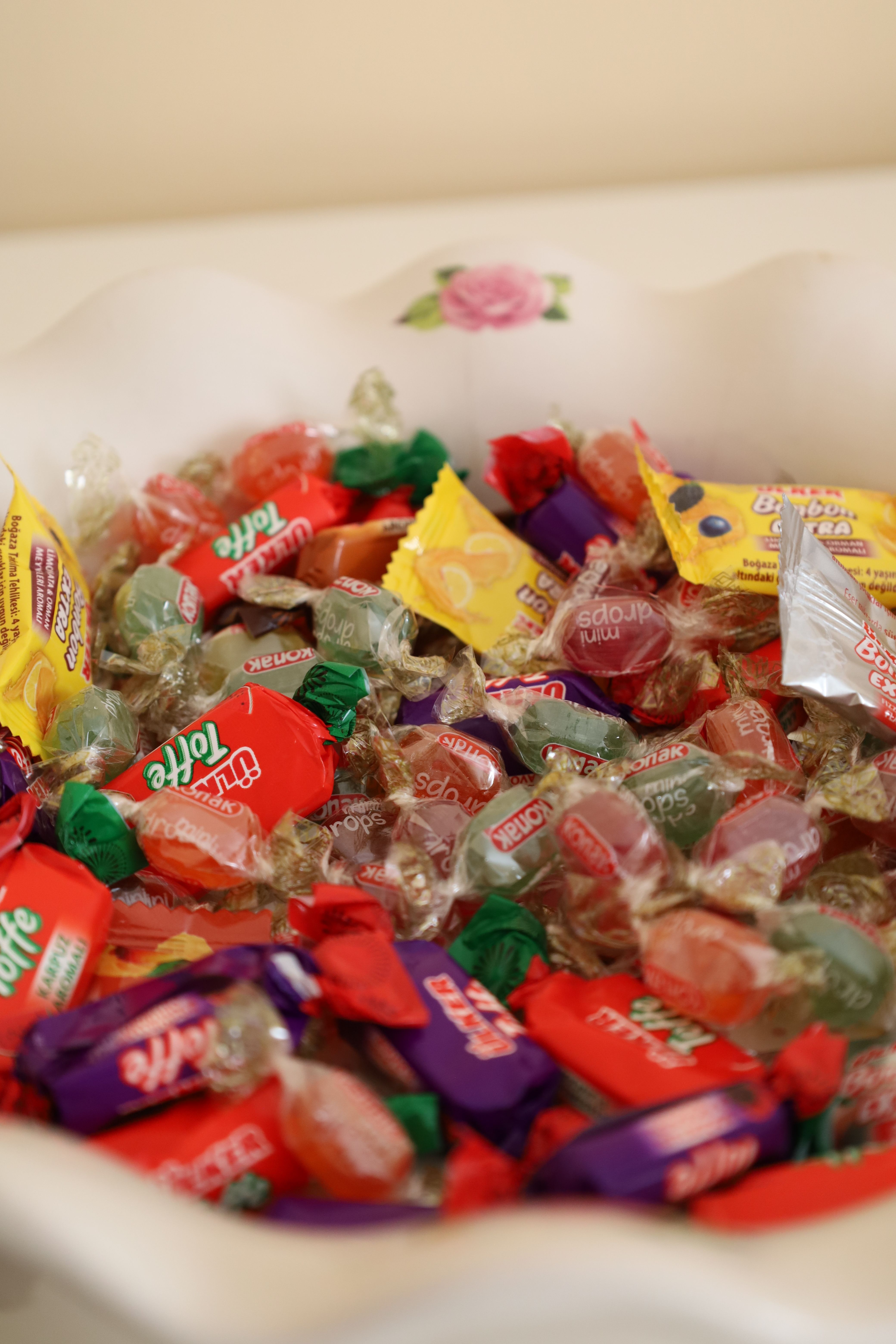
One reason Storck is gaining traction is that its products are different from one another without being confusing. Some imported food brands struggle in big-box retail because shoppers do not know where to start. Storck avoids that problem by offering candies with clear flavor identities and packaging that quickly signals what each product is about.
Werther's Original remains the anchor. It is the kind of buttery caramel that already has multigenerational recognition in the United States, and it gives the broader brand an immediate sense of credibility. Once shoppers see that familiar gold wrapper, they are more open to trying related options that carry the same polished presentation and European branding.
Then there is Toffifay, which has become one of the most talked-about entries in Walmart's candy mix. The product combines a caramel cup, hazelnut, nougat cream, and a chocolate top in a compact bite that feels more layered than a standard candy piece. That format appeals to shoppers who want something snackable but a little more premium, especially for sharing during movie nights, holidays, or family gatherings.
Mamba adds another lane entirely. Unlike the richer caramel and chocolate items, Mamba delivers chewy fruit flavor in a format that competes with mainstream American fruit chews while still feeling distinct. That range, from caramel to chocolate to fruit, gives Walmart customers several entry points into the brand without requiring them to learn a completely unfamiliar product line.
Walmart is the right place for this kind of candy expansion
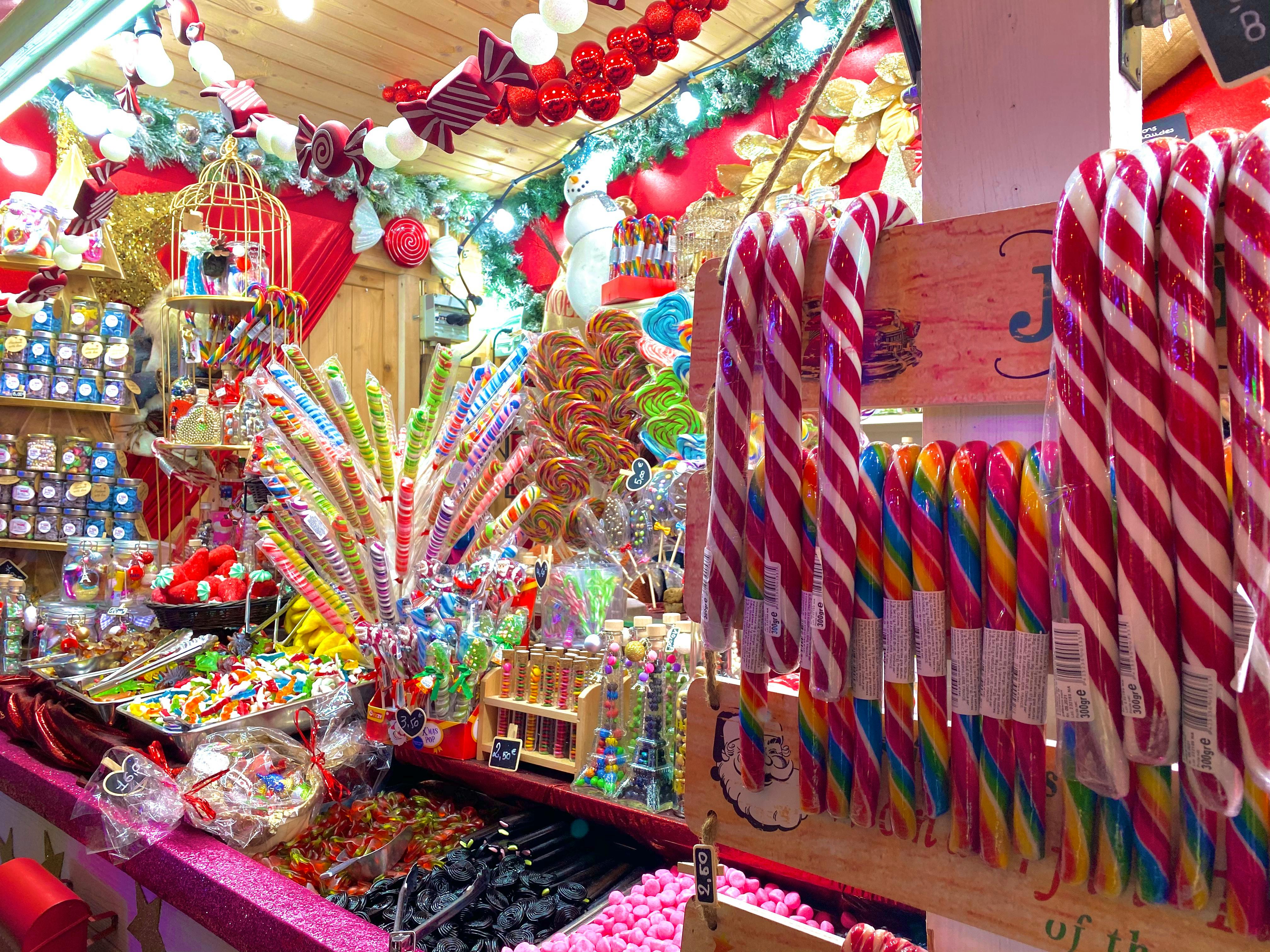
A specialty candy brand can gain visibility in many stores, but Walmart offers something unique: scale with mainstream reach. When a product expands there, it is not just appearing in a niche import shop or gourmet grocer. It is landing in a retailer where millions of households already shop for weekly basics, seasonal treats, and impulse buys all in one trip.
That matters because candy buying is often unplanned. Industry analysts have repeatedly pointed out that confectionery performs especially well when shoppers encounter it in familiar, high-traffic environments. Walmart's combination of large-format stores, strong seasonal merchandising, and broad price positioning creates exactly the kind of setting where a brand like Storck can move from occasional curiosity to repeat purchase.
There is also the matter of value perception. Imported products can sometimes seem out of reach, but Walmart's pricing strategy helps narrow that gap. When shoppers see a German-made candy sitting near everyday brands at a manageable price point, the purchase feels less like a splurge and more like a smart little upgrade.
Seasonal resets amplify the effect. Around holidays, Walmart often gives more space to boxed chocolates, candy gifts, and themed assortments. That environment particularly benefits products like Toffifay and Werther's Original, which already have a polished, shareable look that fits gift baskets, stocking stuffers, and party spreads.
What shoppers seem to love most about the taste and texture
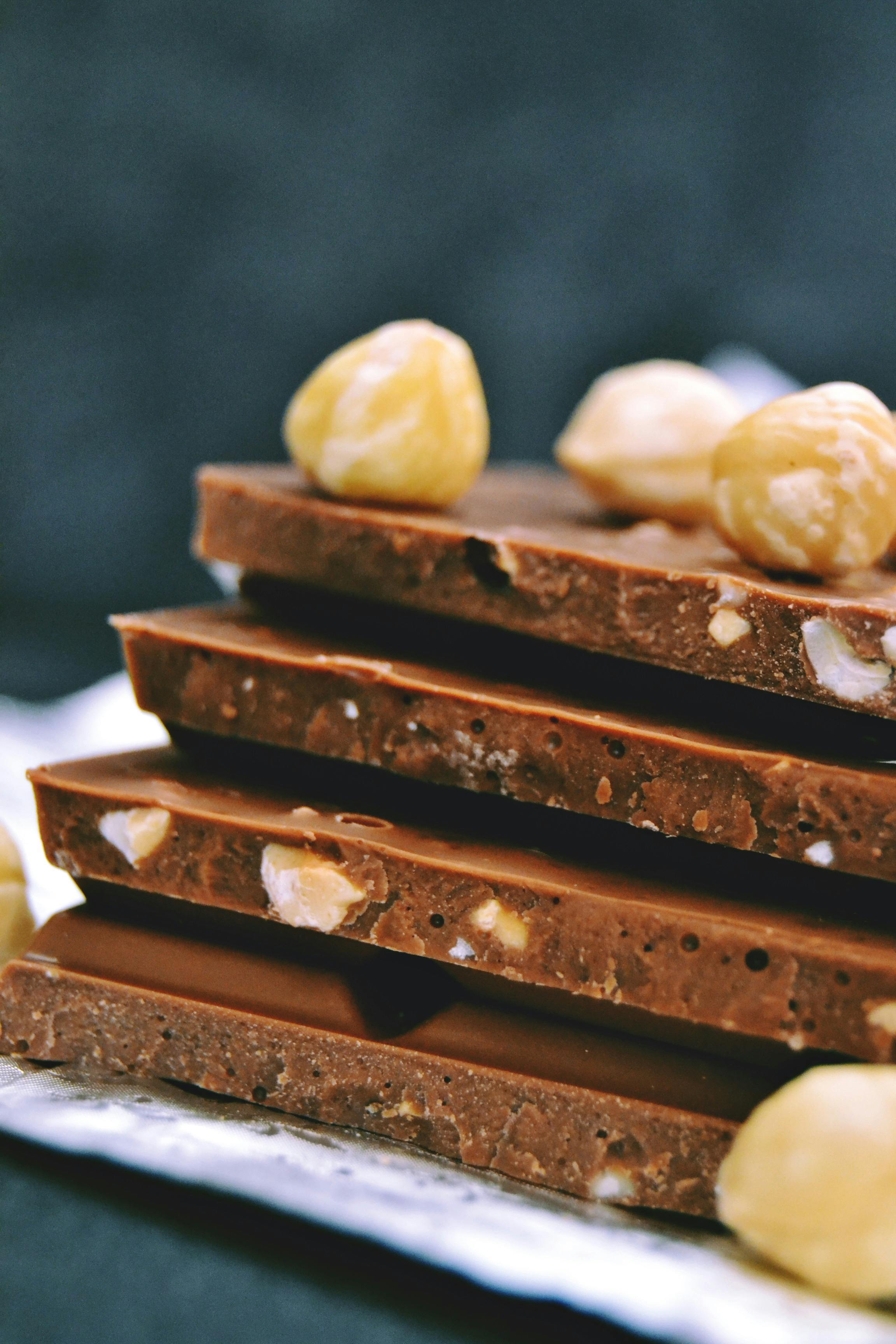
Flavor is the real test, and this is where the excitement becomes easier to understand. German confectionery has a long-standing reputation for balancing sweetness with texture and richness, and Storck products tend to reflect that approach. Instead of relying only on sugar impact, many of its candies build appeal through creaminess, chew, layered fillings, or a softer flavor finish.
Werther's Original is a strong example. Its appeal is not simply that it is sweet, but that it delivers a buttery, cooked-sugar note that feels warmer and more rounded than many hard candies. That profile has helped it stay relevant for decades, even as the broader candy market has shifted toward sour flavors, novelty textures, and highly intense fruit profiles.
Toffifay stands out for a different reason. It offers contrast in a single bite, with caramel on the outside, a crisp hazelnut center, smooth filling, and chocolate on top. That structure gives shoppers a candy that feels more composed than casual, which is part of why many people describe it as something between an everyday treat and a dessert-table sweet.
Even Mamba benefits from texture expectations. The chew is substantial without being overly sticky, and the fruit flavors are recognizable and direct. For shoppers tired of candies that lean too artificial or too sharp, that simpler flavor delivery can be a major selling point.
The brand also fits bigger trends in how people buy sweets now
Candy shopping has changed in recent years. Many consumers still want affordable indulgence, but they increasingly look for products that offer a little personality, a story, or a sense of discovery. Imported candies perform well in that environment because they suggest authenticity and travel without requiring a premium boutique experience.
Storck sits in a sweet spot between mass-market accessibility and imported appeal. It is not an obscure luxury label that demands explanation, and it is not so common that it disappears into the background. For Walmart shoppers, that balance makes the brand feel approachable while still delivering the small thrill of finding something just different enough from the usual aisle lineup.
Another trend helping the brand is shareability. Boxed candies and individually wrapped pieces fit how many households actually snack now, especially during family movie nights, office gatherings, road trips, and holiday events. Products that can be passed around easily often outperform single-format treats because they serve both impulse cravings and group occasions.
There is also strong nostalgia value at work. Werther's Original has long been linked with comfort and tradition, but younger shoppers are now discovering adjacent Storck products through gifting and social recommendations. That creates a rare cross-generational effect, where one product brings people in and the rest of the lineup keeps them interested.
What this expansion could mean for Walmart and for candy shoppers
The bigger picture is that Walmart's expanding candy mix reflects a broader retail strategy. Shoppers still want the comfort of familiar brands, but they also want shelves that feel current and slightly more curated. Adding more depth from a trusted German confectionery company is a practical way to make the candy aisle feel fresher without becoming too specialized.
For Walmart, the payoff could be increased basket-building. A shopper who heads in for household staples and sees a recognizable imported candy at the right price may add it on impulse, especially during holidays or family events. Those small add-on purchases matter in high-volume retail, and confectionery has always been one of the strongest categories for that kind of behavior.
For consumers, the appeal is simpler. They get easier access to candies that feel a bit more distinctive, whether they want a nostalgic caramel, a fruit chew, or a boxed sweet for sharing. In a grocery environment where many categories can feel repetitive, that kind of variety stands out.
That is why this German brand's Walmart expansion is generating real excitement instead of passing notice. It is meeting shoppers where they already are, offering products they can understand instantly, and delivering a version of indulgence that feels both affordable and a little elevated. In the candy world, that is a powerful combination.



Leave a Reply