
By the time people hit 50, many have stopped performing their food choices for other people. They know that pleasure, tradition, convenience, and nutrition can all belong on the same plate. This gallery looks at the foods they tend to eat without apology and why that confidence often reflects wisdom, not indifference.
Butter
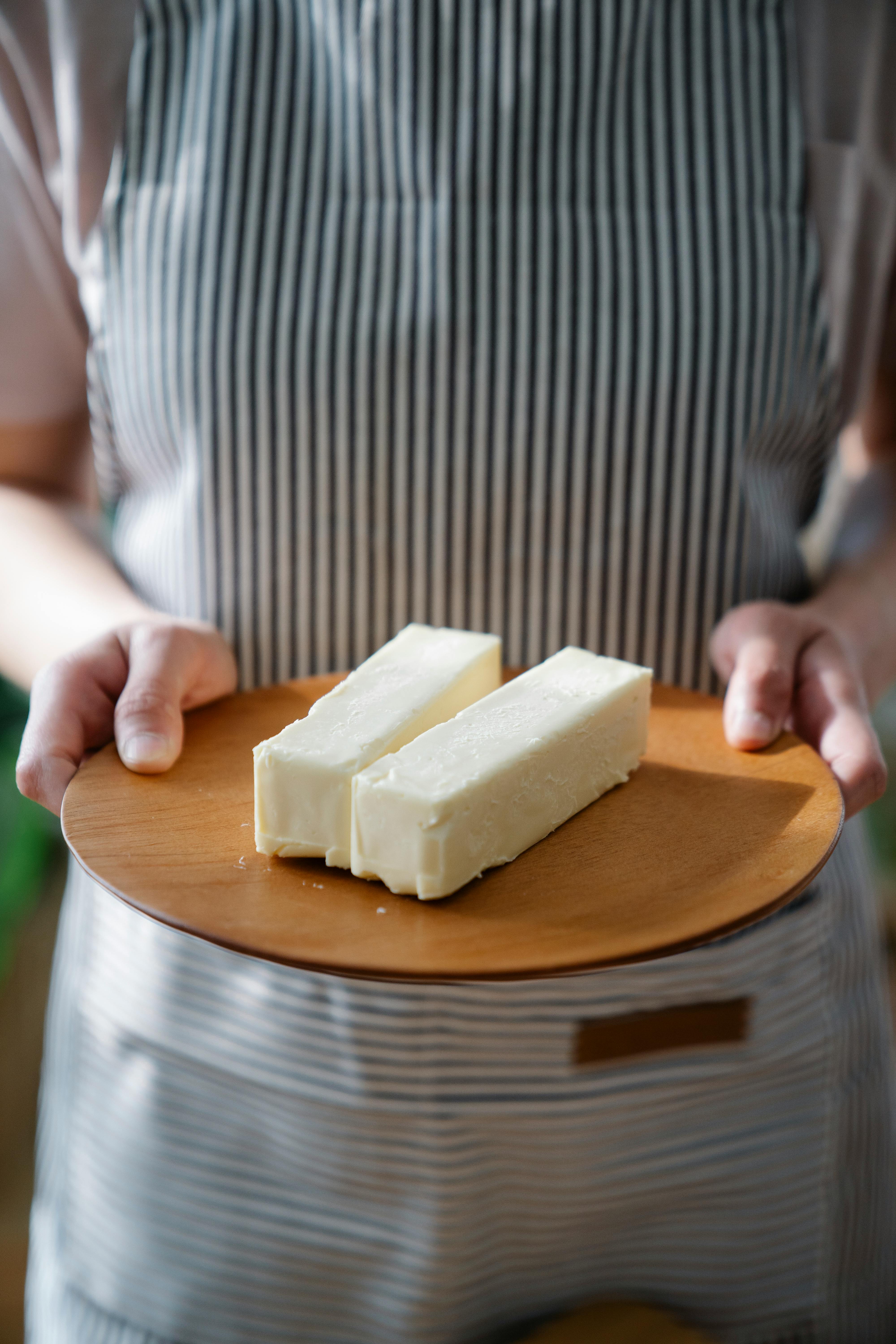
Butter has quietly reclaimed its place at the table, especially among people who are tired of pretending dry toast is more virtuous. Older adults often reach for the real thing because it tastes better, cooks better, and makes everyday food feel finished.
Nutrition experts still recommend moderation, especially for people watching saturated fat. But current thinking is more nuanced than the fat-phobic messaging of decades past. A thin smear on vegetables, potatoes, or bread can be part of a balanced diet.
There is also a practical point here. Butter delivers flavor fast, which can make home cooking more satisfying and reduce the urge to chase pleasure through ultra-processed snacks later.
Potatoes
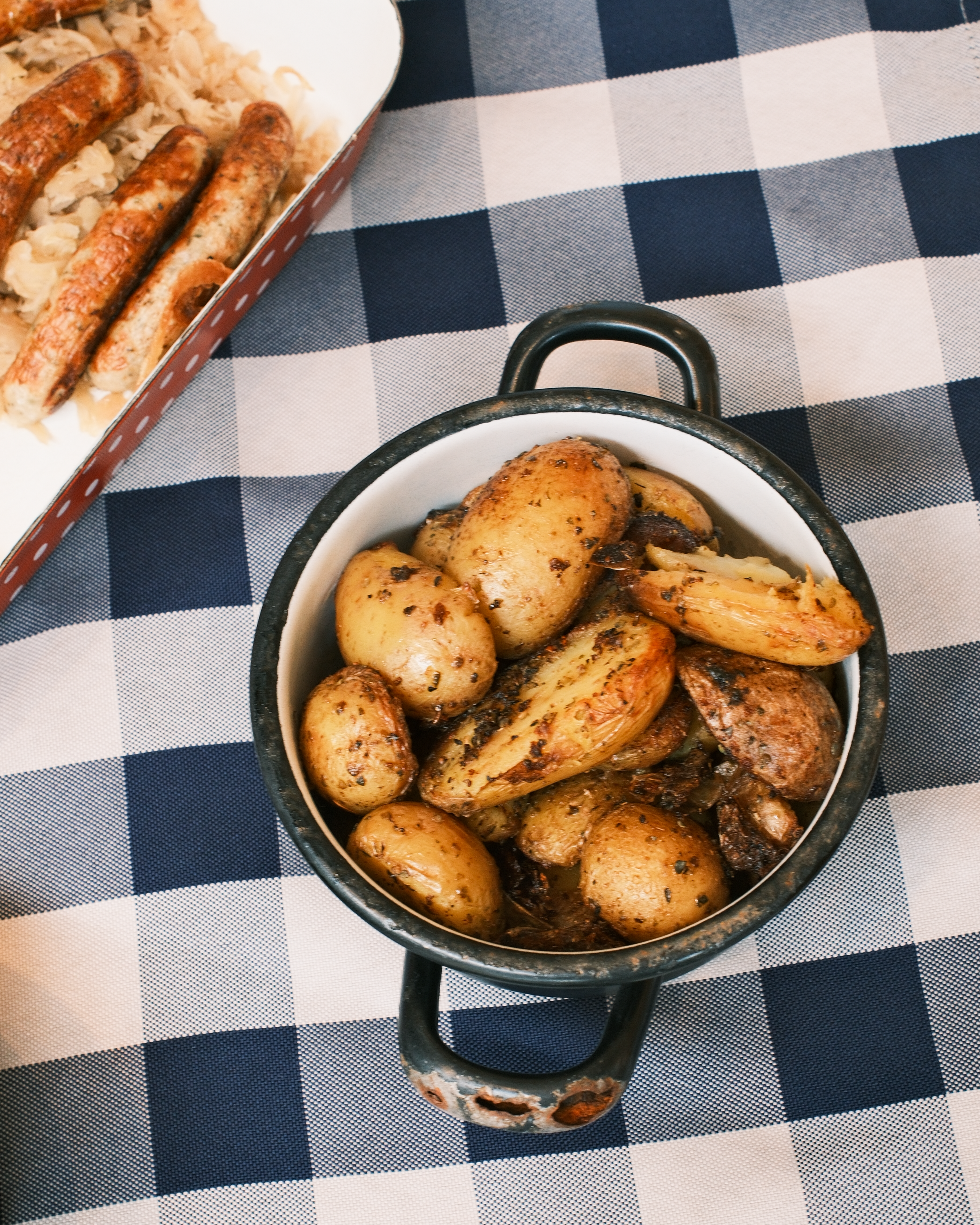
Potatoes are one of the first foods many adults learn to defend, and people over 50 often no longer bother. They know a baked, roasted, or boiled potato is filling, affordable, and far more nutritious than its reputation suggests.
Potatoes provide potassium, vitamin C, and fiber, especially when the skin stays on. The real issue is often what gets added, like deep-frying oil or heavy toppings, not the potato itself. In sensible portions, they are a solid staple.
There is a reason they have lasted through generations and across cuisines. Potatoes are dependable comfort food, but they are also useful fuel, which makes them easier to appreciate without guilt.
Full-Fat Yogurt

Full-fat yogurt feels like a small rebellion against years of chalky diet food, and many older eaters are happy to choose it. It is creamy, satisfying, and often less loaded with stabilizers than products engineered to seem healthy while tasting like compromise.
Plain yogurt with some fat can help people feel fuller longer. It also offers protein, calcium, and beneficial cultures, depending on the brand. Many dietitians now emphasize overall eating patterns more than automatically defaulting to fat-free versions.
That matters because food should be enjoyable enough to keep in regular rotation. A bowl of real yogurt with fruit and nuts is often more nourishing, and more realistic, than a joyless low-fat substitute.
Eggs

Eggs have survived decades of mixed messaging, and people over 50 have heard all of it. Many have landed on a simple conclusion: eggs are versatile, affordable, and too useful to fear over outdated assumptions.
Eggs provide high-quality protein, choline, vitamin B12, and other nutrients that matter more with age, especially for muscle maintenance and overall function. For most healthy people, dietary cholesterol from eggs does not affect blood cholesterol in the dramatic way once believed.
They also solve a daily problem with ease. Scrambled, boiled, poached, or folded into a quick dinner, eggs make nutritious meals possible when energy, time, or appetite is limited.
Cheese

Cheese is one of those foods that older adults often enjoy with a shrug and a cracker. They are less interested in apologizing for flavor, and cheese delivers plenty of it in a small amount.
It is true that cheese can be high in sodium and saturated fat, so portion size matters. But it also offers protein and calcium, and aged varieties can be deeply satisfying without requiring much. A little can go a long way.
That is part of its appeal. Cheese can make vegetables, soups, eggs, and whole grains more appealing, which is not trivial. Sometimes the best healthy habit is making good food worth eating in the first place.
Red Meat
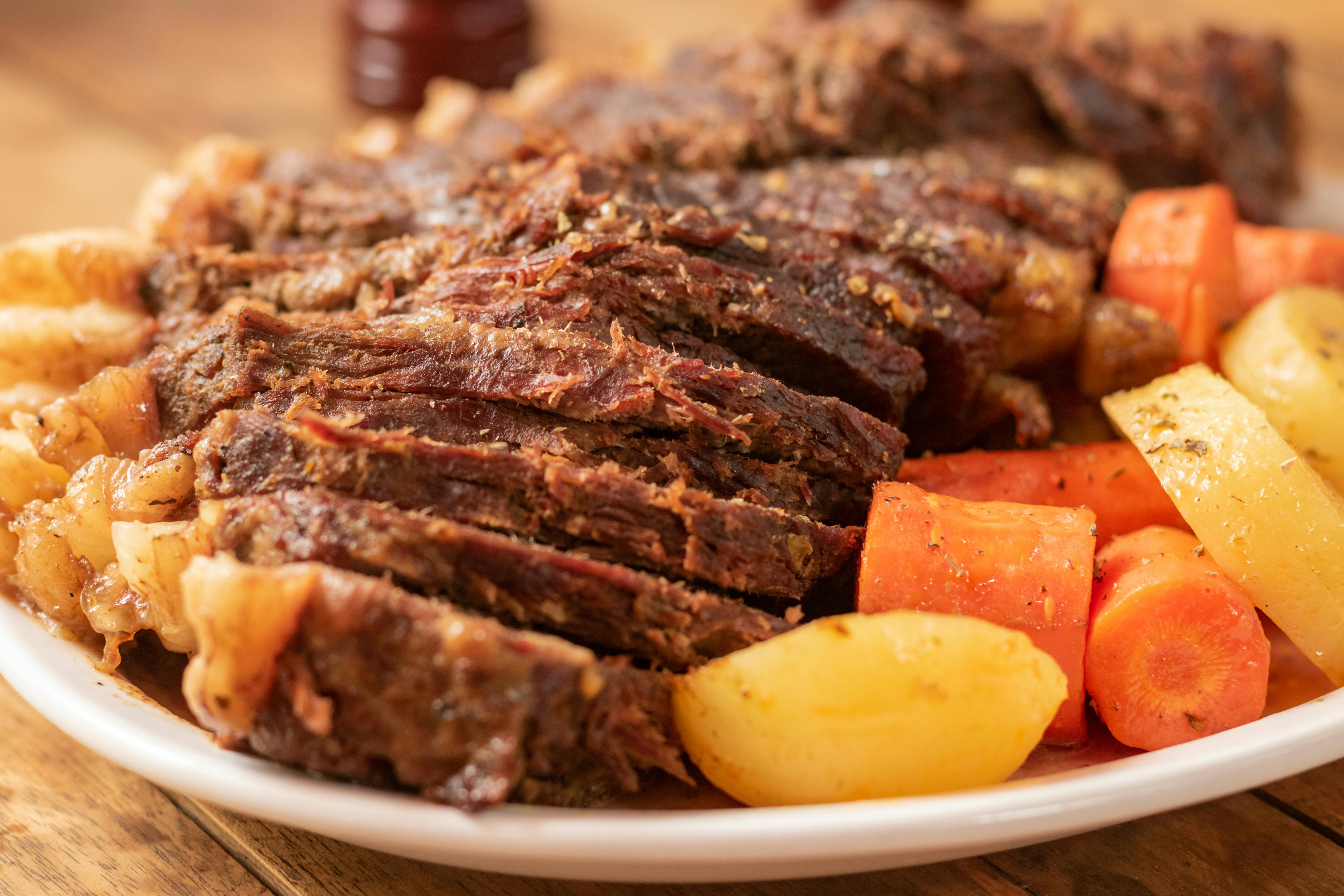
Red meat tends to attract strong opinions, but people over 50 often approach it with more realism than drama. They are less likely to treat a burger or pot roast as a moral failure and more likely to see it as an occasional, satisfying meal.
Lean cuts of beef can provide iron, zinc, protein, and vitamin B12, nutrients that can become more important with age. The bigger health concern is frequent intake of heavily processed meats, not necessarily a modest serving of unprocessed red meat.
Context matters here. A home-cooked roast with vegetables is different from a steady diet of oversized fast-food meals. Older eaters often understand that distinction, and they eat accordingly.
Bread

Bread is no longer the villain in every kitchen, especially among people who remember life before carb panic took over. For many over 50, a good loaf is not a weakness. It is breakfast, lunch, comfort, and culture all at once.
Whole grain options offer fiber and can support steadier energy, but even white bread has a place depending on the meal and the person. What matters most is the overall pattern of eating, not fear around one food group.
There is also something refreshingly sensible about bread. It pairs with soup, supports sandwiches, and helps simple meals feel complete. Food that is useful, enjoyable, and familiar does not need an apology attached.
Pasta
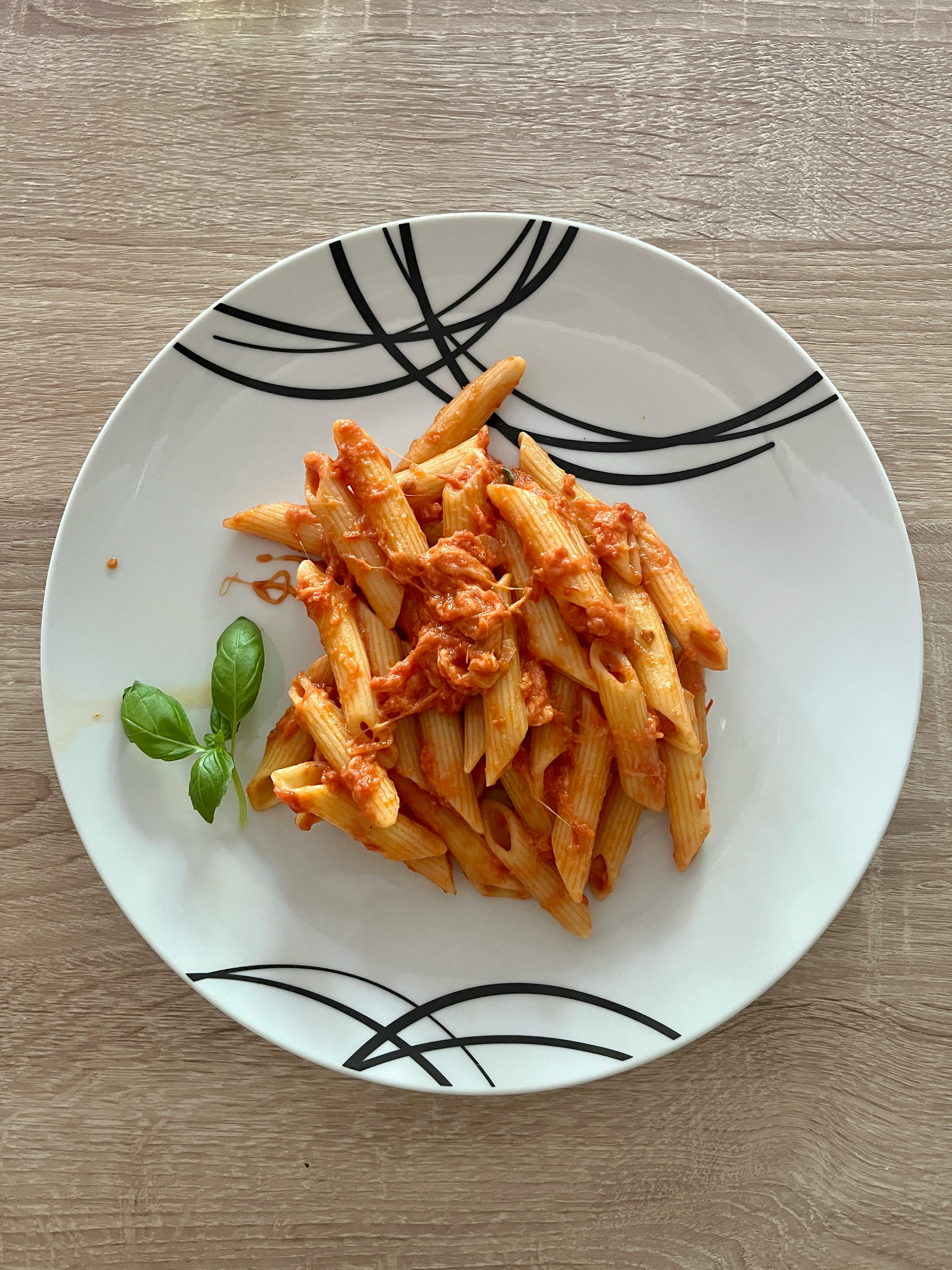
Pasta remains a favorite because it solves two problems at once: it comforts and it feeds. People over 50 often know that a sensible bowl of pasta is not dietary chaos. It is just dinner.
Portion size and what goes with it make the difference. Pasta paired with vegetables, olive oil, beans, seafood, or a modest amount of cheese can be part of a balanced meal. It becomes less ideal when the serving size balloons and everything else disappears.
Its staying power is easy to understand. Pasta is affordable, flexible, and deeply tied to family habits in many homes. A food with that much utility and history rarely deserves the bad reputation it sometimes gets.
Ice Cream
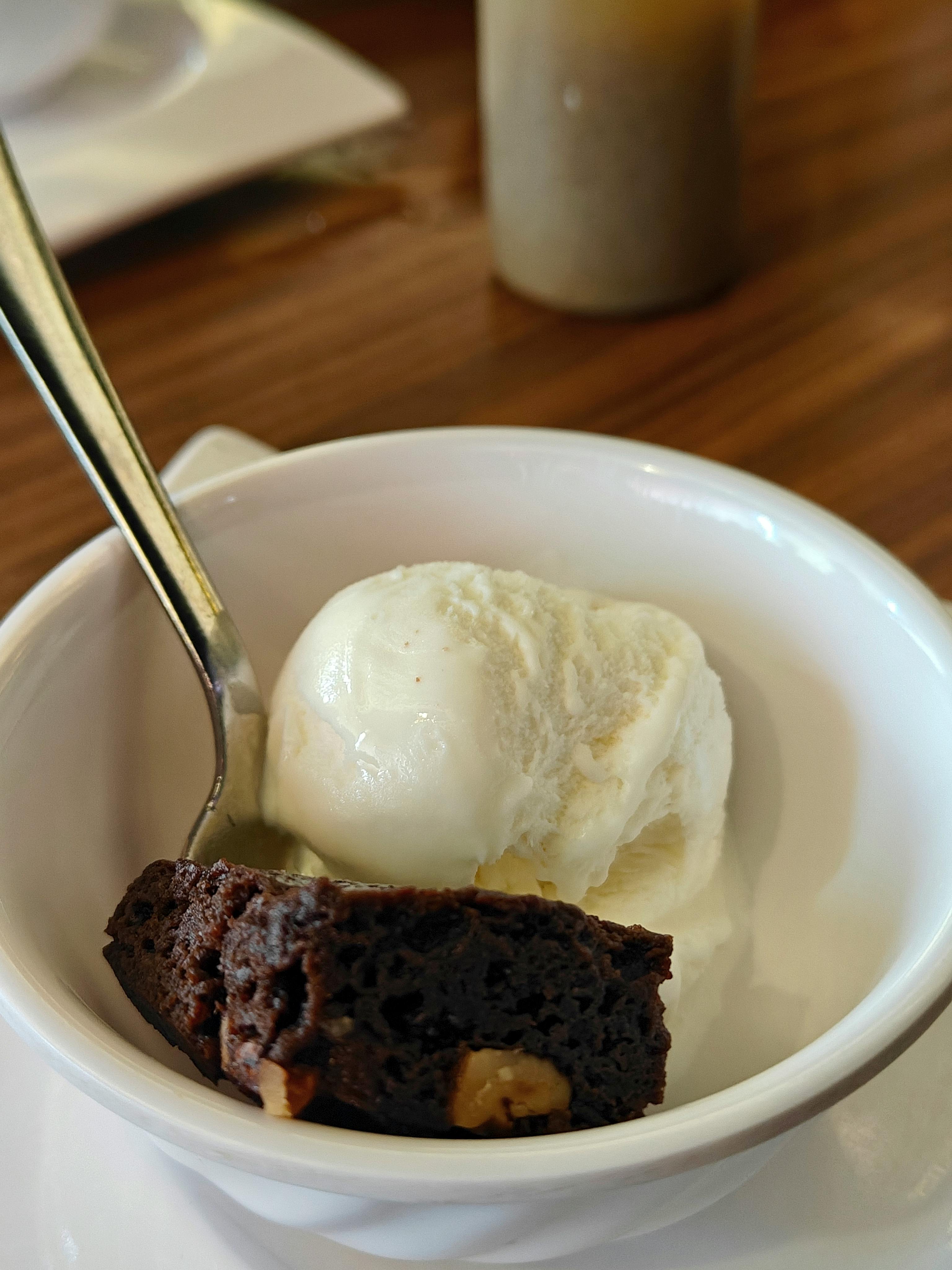
Ice cream is one of the clearest signs that many older adults have stopped negotiating with food guilt. They understand that dessert can simply be dessert, not a test of character.
A scoop or two now and then is unlikely to undo an otherwise solid eating pattern. In fact, rigid restriction can backfire, leading to overeating later or turning ordinary treats into emotional battlegrounds. Satisfaction matters more than many diet plans admit.
There is wisdom in enjoying a portion and moving on. Ice cream offers pleasure, nostalgia, and a reminder that eating well includes room for joy, not just nutrient calculations and rules that exhaust everyone involved.
Bacon
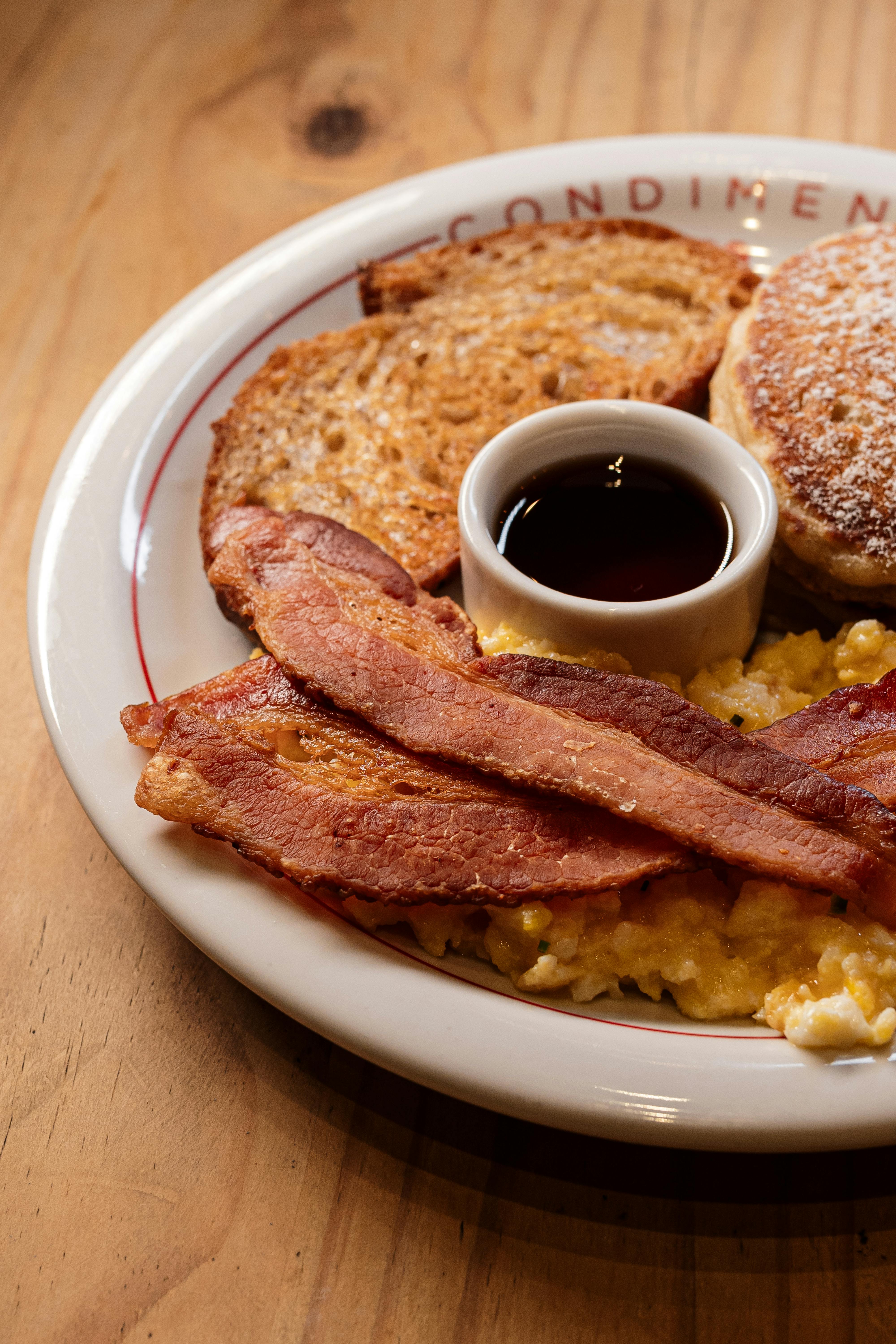
Bacon is rarely mistaken for a health food, and that may be exactly why older adults eat it more honestly. They are not pretending it is wellness. They are choosing it for flavor, usually in amounts that make sense.
Processed meats are linked to higher health risks when eaten frequently, so this is not a case for daily excess. But a few strips alongside eggs or crumbled into a dish from time to time is different from building a routine around it.
The lesson is about proportion. Bacon works because a little adds a lot, which means enjoyment does not require overdoing it. That kind of practical restraint often comes easier with age.
Peanut Butter
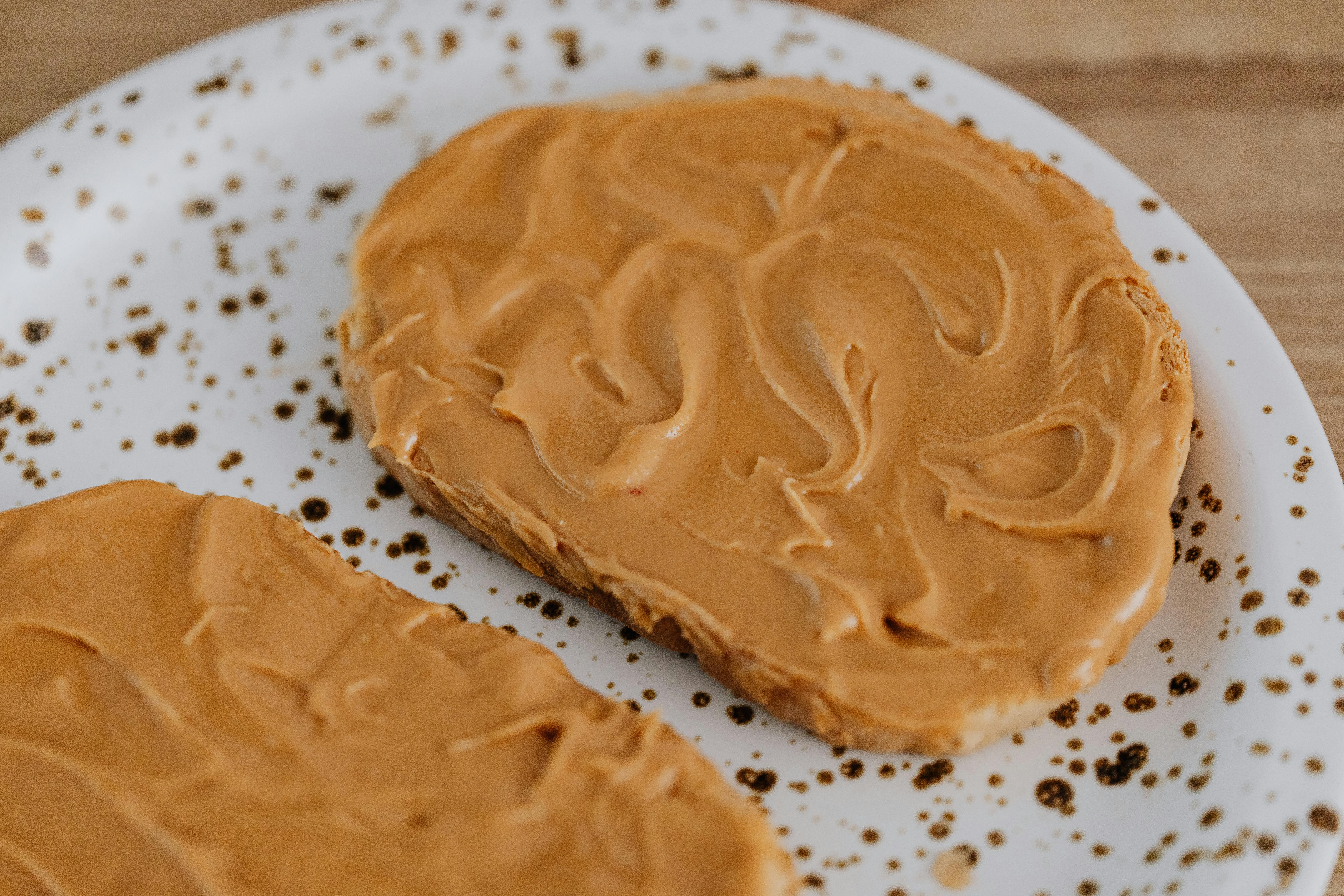
Peanut butter has long been underestimated because it sits somewhere between childhood lunch and guilty pleasure. People over 50 tend to skip the debate and keep a jar in the cupboard because they know how useful it is.
It offers protein, healthy fats, and staying power, especially when paired with fruit or whole grain toast. The main watchout is added sugar and portion size, since it is easy to scoop more than intended. Natural varieties can be a smart choice.
Its real strength is convenience. Peanut butter turns a snack into something substantial and makes quick meals easier on busy or low-energy days. Few foods earn their shelf space so consistently.
Fried Chicken
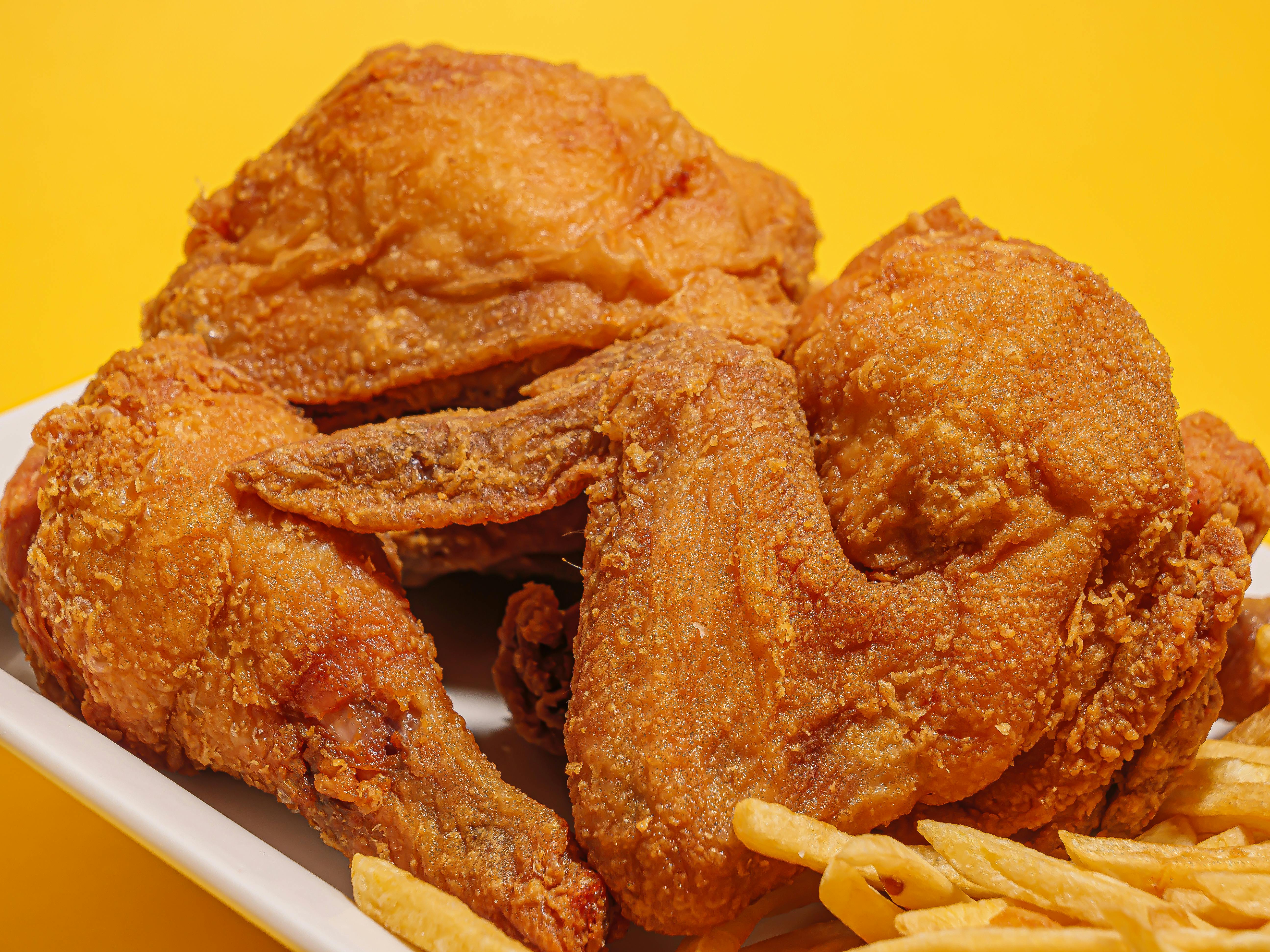
Fried chicken is the kind of food people over 50 often enjoy without a speech beforehand. They know it is rich, crisp, and celebratory, and they do not need to dress it up as anything else.
Yes, deep-fried foods are best treated as occasional fare rather than daily staples. But occasional matters. Food traditions, family gatherings, and comfort meals have value beyond a nutrient label, especially when they are enjoyed mindfully and not by default.
There is also something honest about fried chicken. It is satisfying enough that people often eat it with attention, not absent-mindedly. That can be healthier, in its own way, than constantly snacking on foods that never quite hit the mark.




Leave a Reply