
Some menu returns feel routine. This one stands out because it combines nostalgia with something customers almost never get anymore: a lower price.
Why this Starbucks return is getting so much attention
At Starbucks, limited bakery items often come and go quietly, with little more than a mention on menu boards or in the app. This return is different because it revives a pastry many regulars have talked about for two years, wondering when, or if, it would ever come back. When a discontinued favorite reappears after that long, it taps into a kind of consumer memory that large chains work hard to build. People remember the taste, the season, and even the routine that used to go with it.
The second reason the comeback matters is timing. Food prices have stayed elevated across much of the restaurant industry, and coffee chains have not been immune. Over the past few years, customers have become more sensitive to small changes in menu pricing, especially for add-on purchases such as bakery treats. A pastry that returns at a lower price than before immediately feels like news, not just a product update.
There is also a broader retail lesson here. Starbucks has spent years balancing premium branding with convenience and value, especially as mobile ordering reshapes customer expectations. A lower-priced bakery item gives the company a way to create excitement without cutting into the identity of its core coffee business. It also offers a simple message customers understand right away: something you liked is back, and buying it hurts a little less.
The bakery item's comeback reflects how food nostalgia drives sales
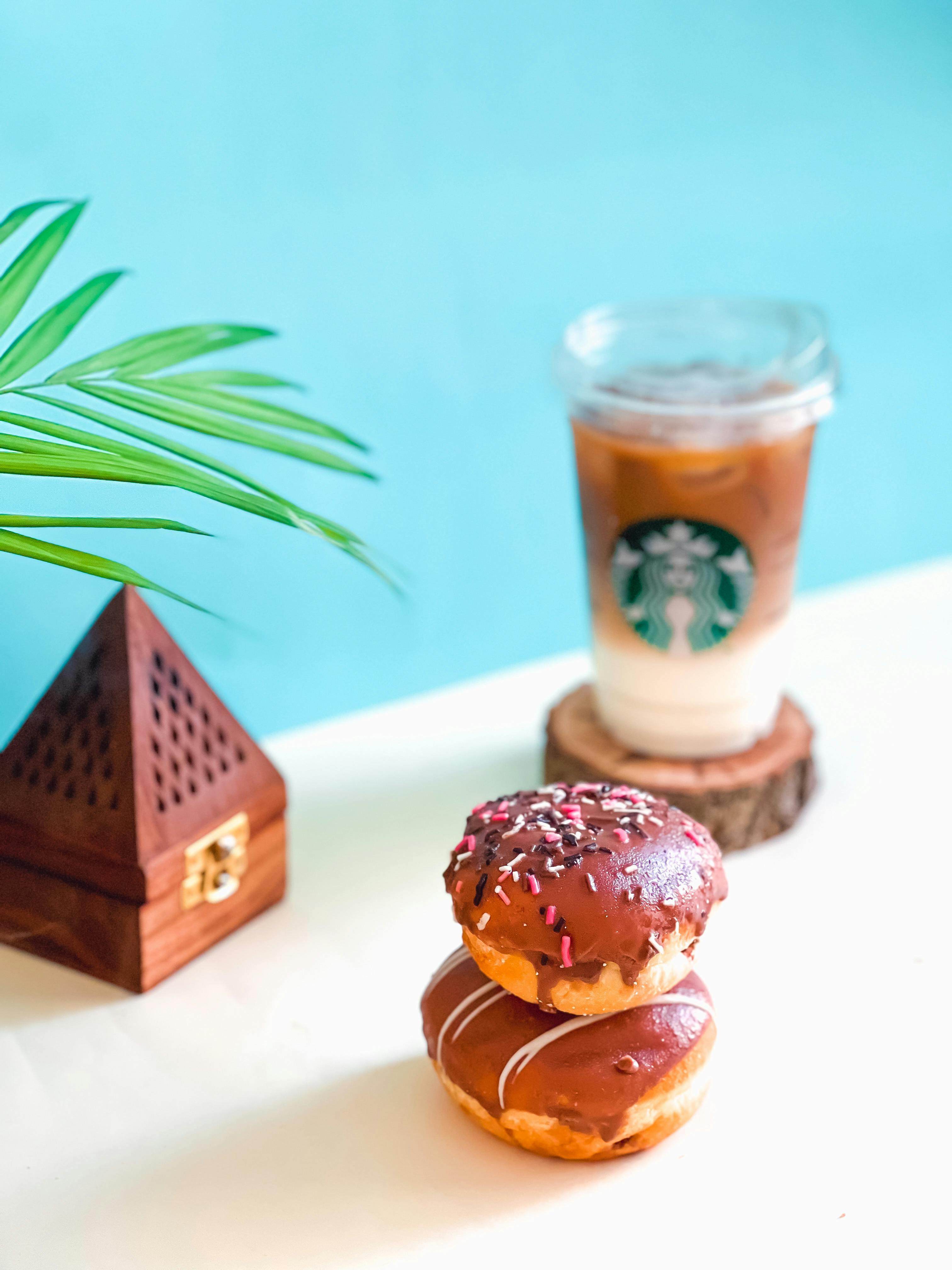
Nostalgia is one of the strongest tools in modern food marketing, and major chains use it carefully. A product does not have to be decades old to qualify. If customers tied it to a morning commute, a holiday season, or a favorite drink pairing, that memory can be enough to create demand. Starbucks has seen this pattern before with seasonal beverages and returning flavors that generate spikes in app engagement and social media chatter.
Bakery items can be especially powerful because they feel more personal than standard beverages. Customers often build habits around them, ordering the same pastry with the same coffee several times a week. When that routine disappears, the product can take on outsized emotional value. By the time it returns, it has become more than a snack. It becomes a small piece of a familiar lifestyle.
That emotional pull often translates into real purchasing behavior. Restaurant analysts have long noted that returning limited-time items can lift traffic, especially among lapsed customers who need a reason to revisit a brand. Starbucks does not need every customer to buy the item. It only needs enough people to add it to an existing order or to stop in because they heard it was back. In that sense, one bakery revival can do the work of a broader promotional campaign.
Why the lower price is the most surprising part of the story

The lower price may be the most compelling part of the item's return because it runs against the larger direction of the market. In recent years, many consumers have become used to "shrinkflation," menu repricing, and quiet cost increases on restaurant staples. Coffee chains, fast-casual restaurants, and grocery bakeries have all passed along higher labor, ingredient, and transportation costs in some form. That makes a cheaper relaunch highly unusual.
There are a few practical reasons a company might do this. Starbucks may be using the item as a value signal, showing that not every menu move has to mean a higher receipt total. It may also view the pastry as an attachment purchase, something that encourages customers to add food to a drink order they were already going to place. If a slightly lower price boosts volume, the company can still come out ahead.
The move also helps Starbucks compete in a more value-conscious environment. Customers now compare coffee runs with convenience stores, local cafes, and quick-service chains offering breakfast deals. A pastry priced more attractively than before can soften the perception that premium coffee always comes with premium food costs. Even if the savings on one item are modest, the message behind it can reshape how customers view the broader menu.
What this says about Starbucks' current menu strategy
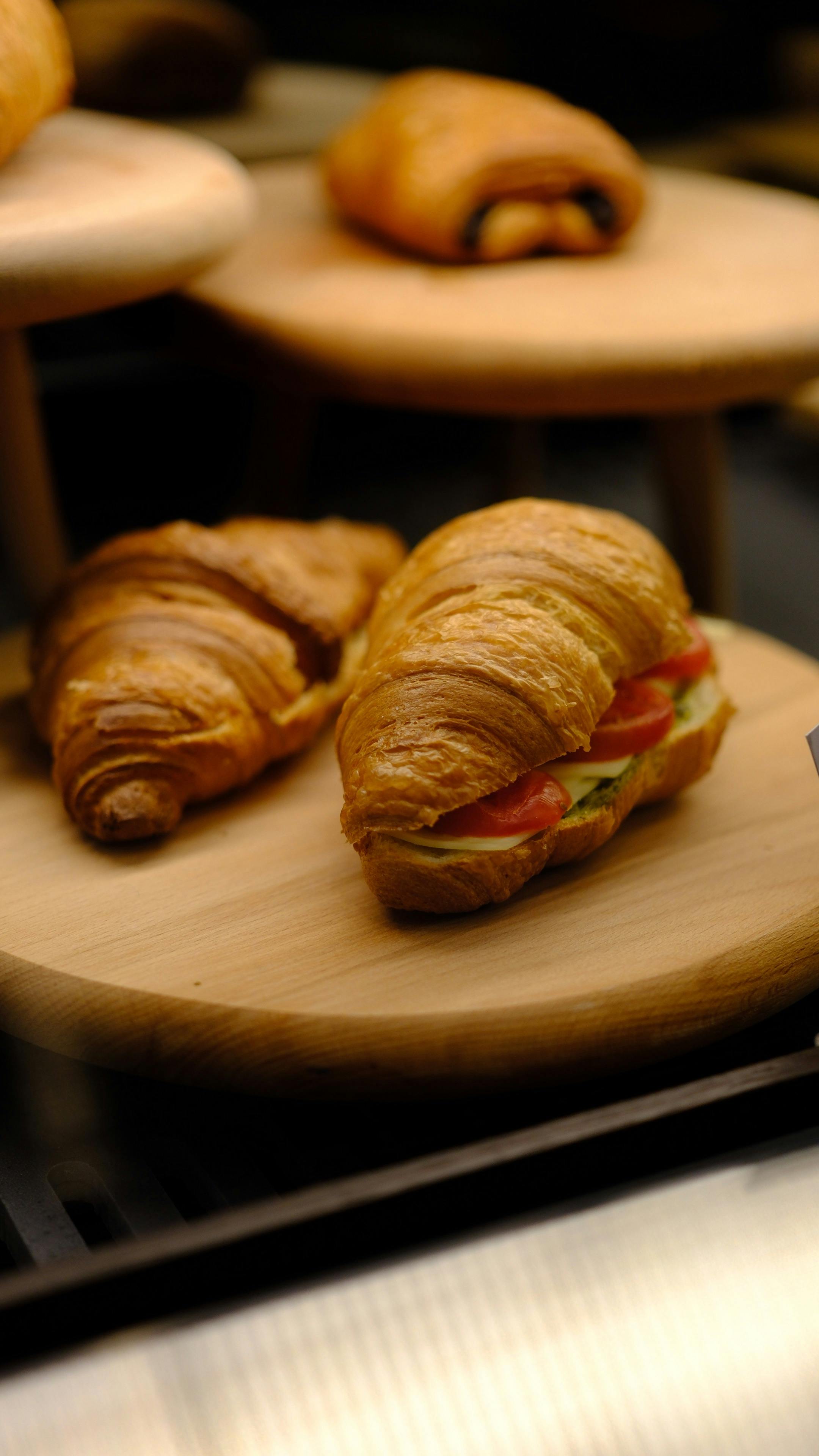
This return suggests Starbucks is paying close attention to what customers want from the food side of the business, not just the beverage lineup. While the brand is built around coffee, cold drinks, and customization, food plays an important supporting role. Bakery items give the company a way to raise average order value, make stores feel more complete in the morning, and serve customers who want a quick breakfast or snack without making an extra stop.
At the same time, Starbucks has been refining its menu to improve speed and operational consistency. That means any returning item has to justify its place, not only with customer excitement but with manageable preparation and distribution. A bakery product is often easier to reintroduce than a labor-intensive drink because it fits within existing store routines. That makes it a smart candidate for a comeback campaign.
There is also a branding advantage. A fan-favorite pastry can generate goodwill without forcing Starbucks to reinvent itself. It reminds customers that the company still listens, especially when regulars have spent months asking for familiar items to return. In a competitive market, responsiveness matters. Brands that appear attentive to customer demand often gain a reputational lift, even from relatively small menu decisions.
How customers are likely to respond in stores and on the app
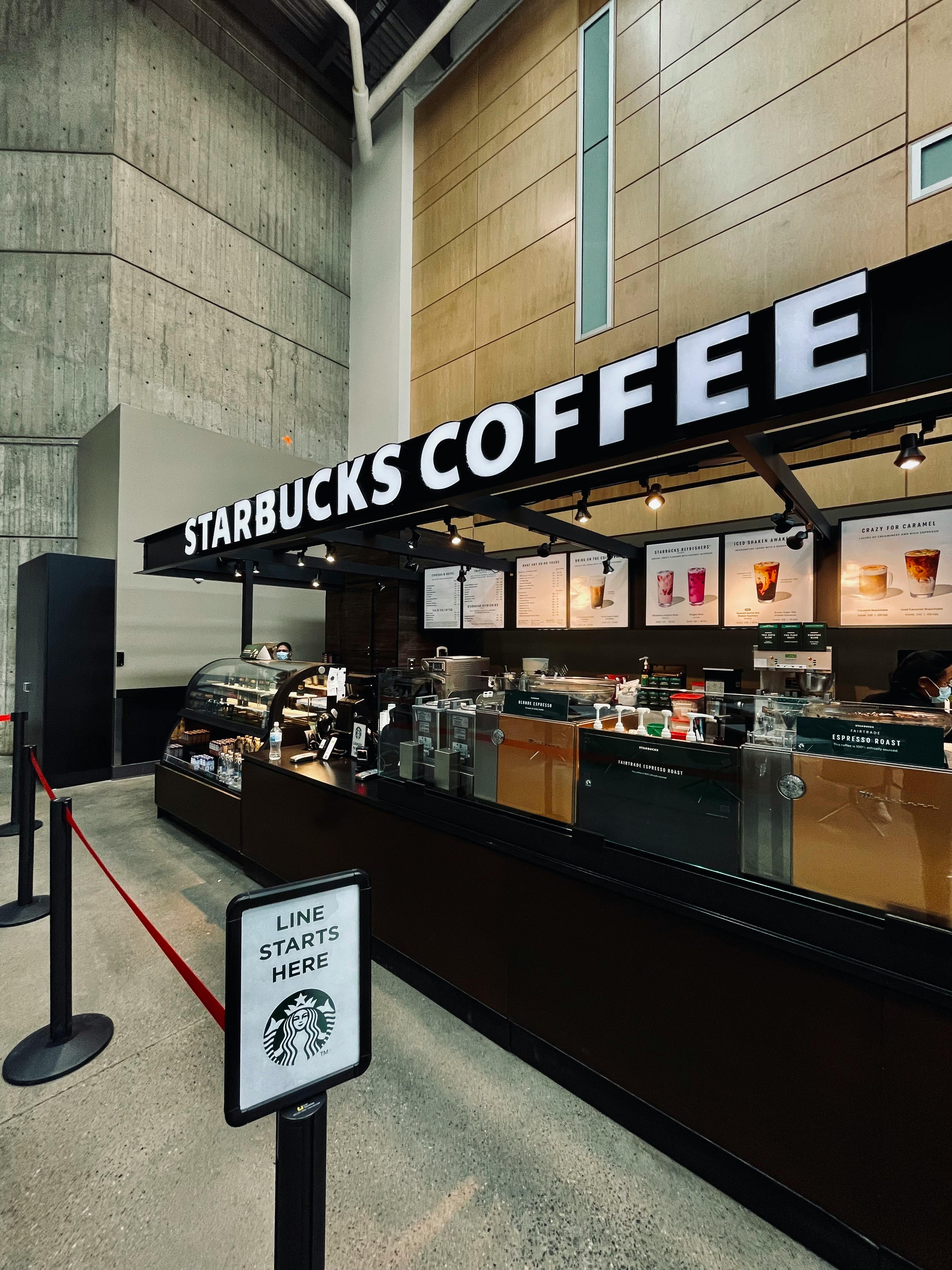
Customer reaction will probably show up first in the Starbucks app, where regular users notice menu changes quickly and often share them widely. The app has become one of the company's most effective communication tools, especially for launches, rewards, and limited-time promotions. A returning pastry can attract attention because it appears both as a practical ordering option and as a conversation starter among loyal customers.
In stores, the response is likely to be driven by impulse as much as planning. Someone may arrive intending to buy only a coffee, then spot the familiar bakery item at the register and decide to add it. That pattern matters because bakery sales often depend on visual cues and routine pairing. A recognizable product with a friendlier price can be especially effective at converting a drink-only purchase into a higher-value ticket.
Social conversation will likely amplify the effect. Customers often post when discontinued items come back, especially if the return feels unexpected or tied to a better deal. That kind of unpaid visibility can be powerful for a chain the size of Starbucks. The company does not need every reaction to be dramatic. It benefits simply from becoming part of people's everyday food conversation again, one pastry at a time.
Why this small menu change matters beyond one pastry
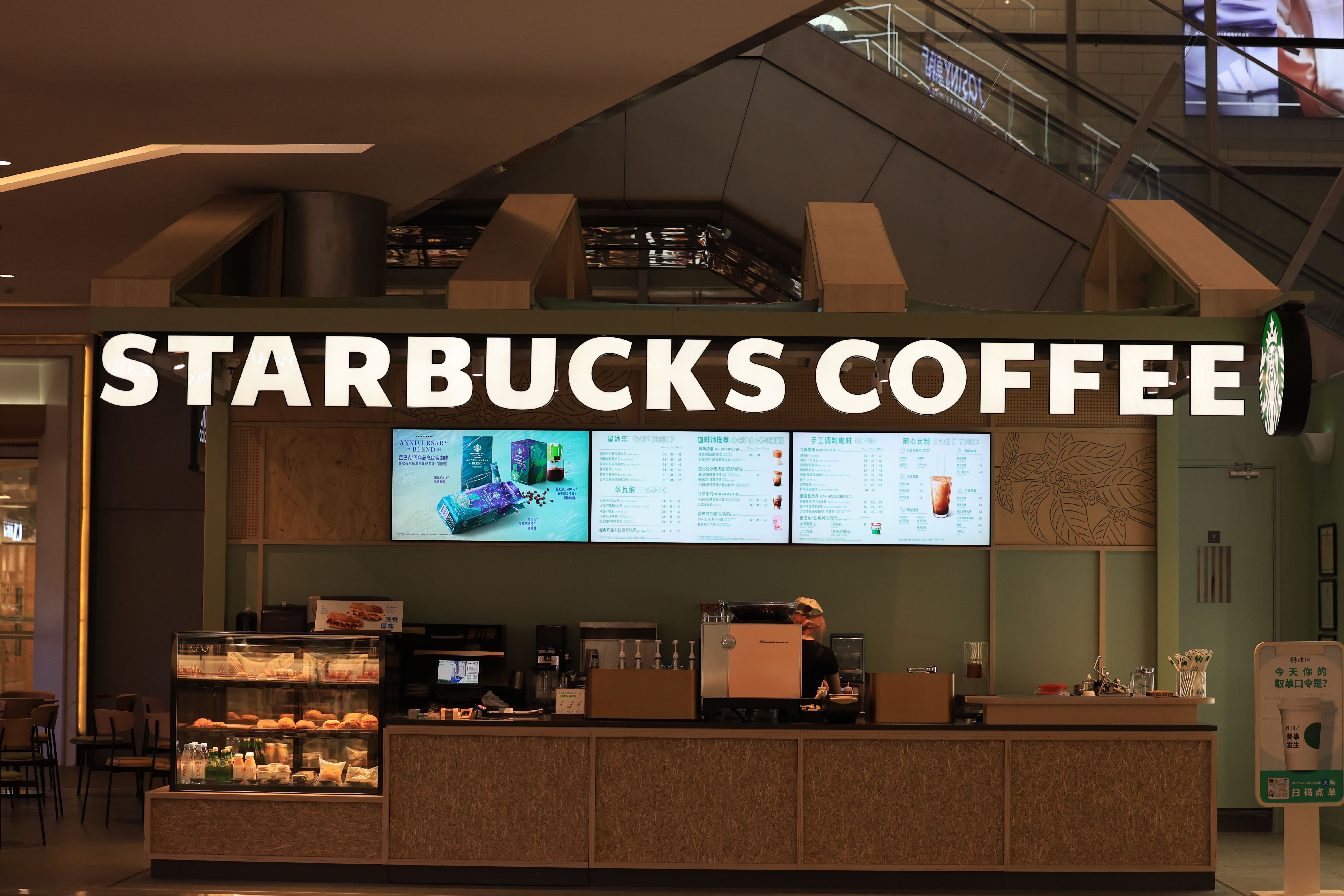
It is easy to dismiss a bakery comeback as minor, but consumer brands are built on small decisions repeated at scale. Starbucks serves millions of customers, and even a single pastry can influence perceptions of value, variety, and brand attentiveness. In a market where many diners feel worn down by higher prices, a familiar item returning at a lower cost can carry more symbolic weight than its price tag suggests.
This also highlights a larger shift in how companies think about loyalty. Rewards points and personalized offers still matter, but so does emotional consistency. Customers want to feel that favorite items are not always disposable and that brands remember what people actually enjoyed. Bringing back a bakery favorite after two years speaks directly to that expectation, especially when the return includes a pricing decision that feels customer-friendly.
In the end, the news is about more than pastry. It shows how a major chain can create excitement through restraint rather than excess, using familiarity, timing, and value instead of novelty alone. For customers, that means one less reason to complain about rising menu costs and one more reason to walk into Starbucks with genuine interest.



Leave a Reply