
Before air fryers, stand mixers, and drawers full of single-use gadgets, Canadian kitchens relied on sturdy tools that earned their keep every day. Many of these 1970s staples were practical, repairable, and surprisingly good at the jobs they were built to do. This gallery revisits eight forgotten workhorses that shaped home cooking across the country and may still outperform some of the modern replacements crowding our cupboards.
Rotary Egg Beater
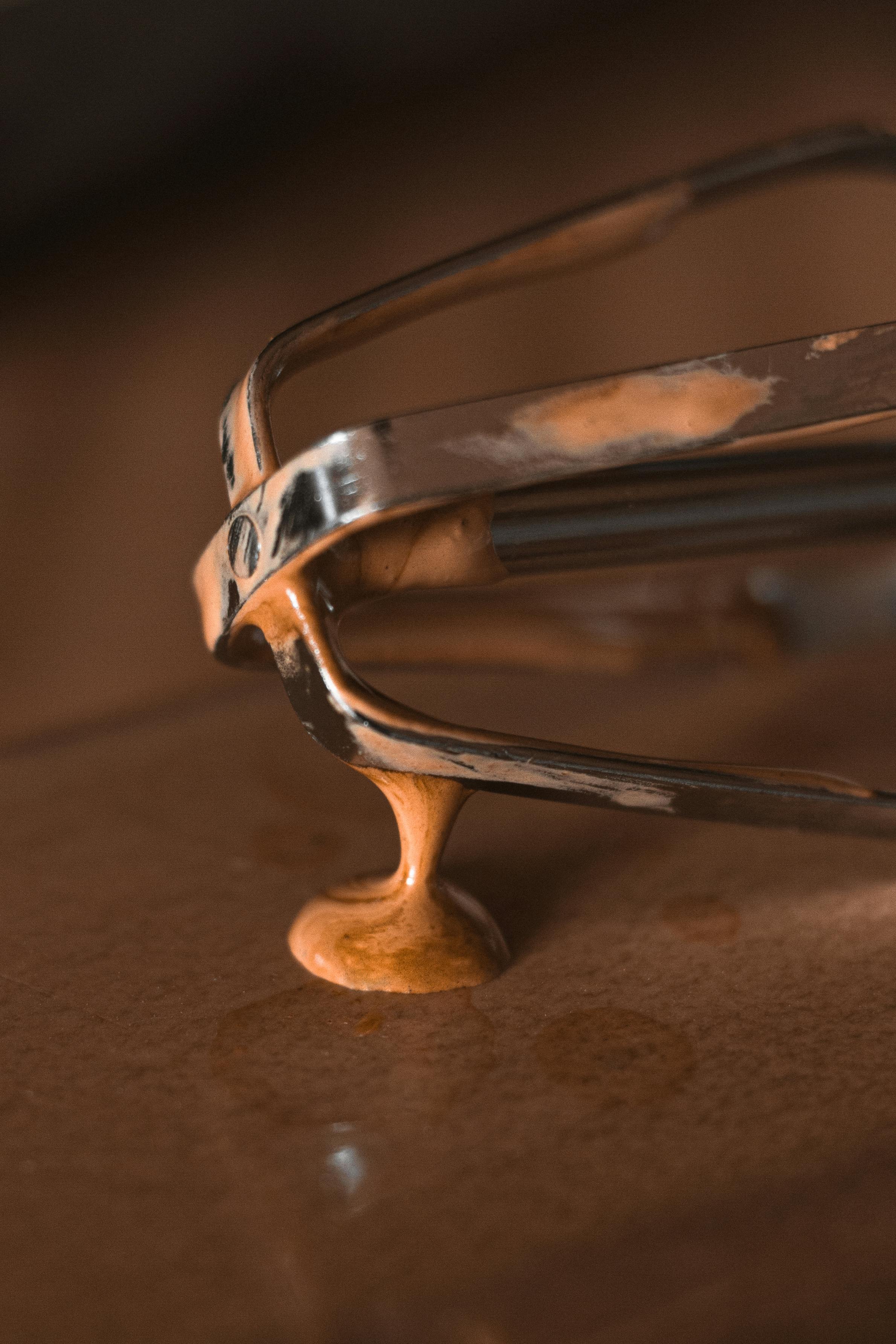
Few tools capture the rhythm of a 1970s kitchen like the rotary egg beater. Long before compact electric hand mixers became standard, this hand-cranked gadget whipped eggs, cream, and pancake batter with speed and control. In many Canadian homes, it was a weekday essential because it was cheap, durable, and easy to store in a drawer.
Its real strength was precision. You could beat two eggs for an omelet without hauling out a bulky appliance, and you did not risk overmixing cake batter in seconds. It also worked during power outages, which mattered in rural areas and winter storms.
Today, the rotary beater still makes sense for small tasks. It is quiet, easy to clean, and surprisingly satisfying to use, especially for cooks who value simplicity over plugs and presets.
Hand-Crank Meat Grinder

The hand-crank meat grinder was once a sign of a serious home cook. Clamped to the edge of a table or counter, it turned tougher cuts into burger, meatloaf, sausage filling, and tourtière mix with impressive efficiency. In 1970s Canada, where thrift and full-use cooking still shaped family meals, grinding meat at home helped stretch the grocery budget.
It also gave cooks control that packaged ground meat could not. You could choose the fat level, blend pork and beef, or grind leftovers for croquettes and sandwich spreads. For hunters and rural households, it was even more useful during game season.
That kind of control feels timely again. A manual grinder is slower than an electric one, but it is dependable, easy to maintain, and ideal for cooks who care about texture and exactly what goes into dinner.
Potato Ricer
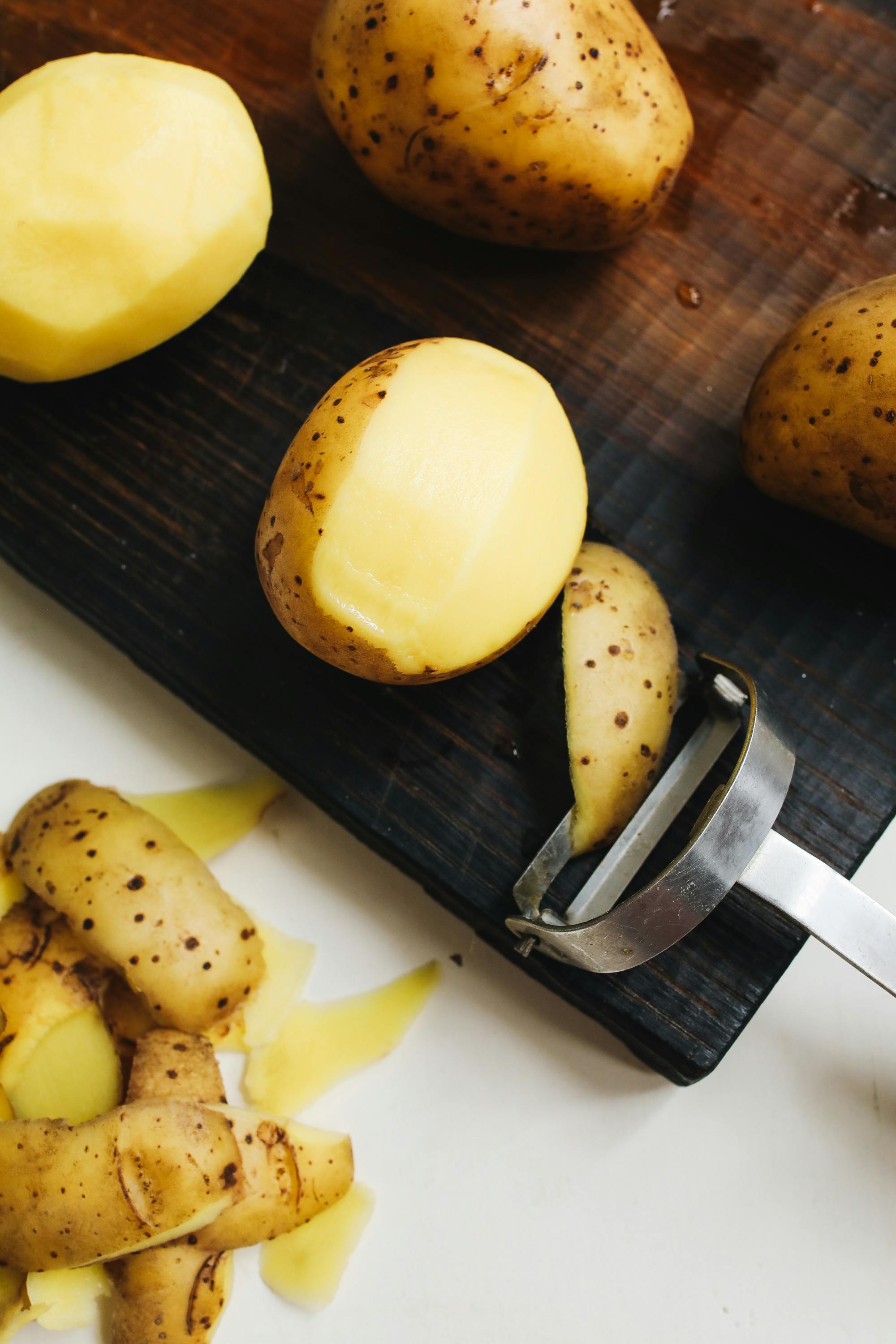
There is a reason mashed potatoes from older family dinners often seemed smoother and lighter than modern versions. The potato ricer, a hinged press that forces cooked potatoes through small holes, created a fluffy texture without turning the starch gluey. In many 1970s Canadian kitchens, especially around holiday meals, it was a trusted tool for potatoes, turnips, and other root vegetables.
Unlike an electric mixer or aggressive hand mashing, a ricer handled hot potatoes gently. That mattered for classic dishes served with roast beef, ham, or turkey, where the side dish had to be silky, not sticky. It also worked well for baby food and homemade gnocchi.
The potato ricer deserves a return because it does one thing exceptionally well. If you care about texture, this old tool still beats many modern shortcuts with very little effort.
Stovetop Percolator
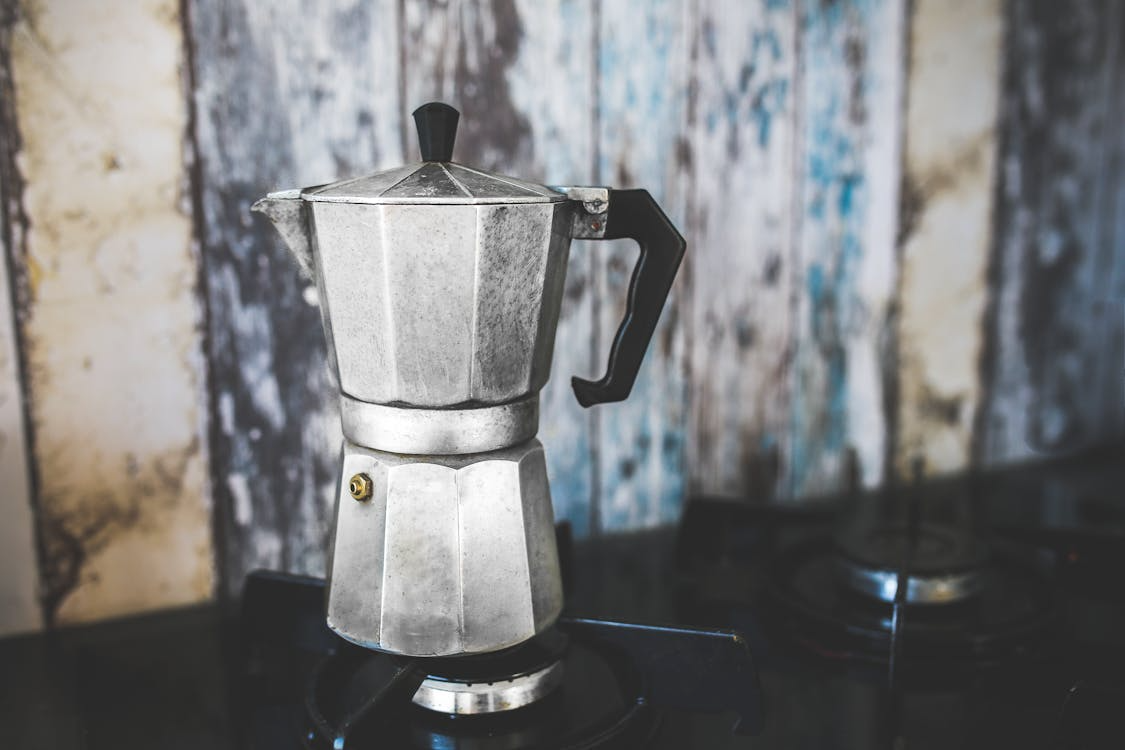
Coffee in many 1970s Canadian homes started with a stovetop percolator, not a pod machine. Usually made of aluminum or stainless steel, it sat directly on the burner and brewed coffee by cycling boiling water up through a tube and over the grounds. The result was a strong, familiar pot that filled the kitchen with a smell many people still associate with early mornings.
Percolators were especially common in cottages, farmhouses, and households that valued equipment with no electronics to fail. They were rugged, portable, and easy to use on gas, electric, and even camp stoves. That flexibility helped make them a Canadian standby.
While they can overextract if ignored, a carefully watched percolator makes a bold, satisfying cup. For people tired of disposable pods and plastic parts, it offers a sturdy, low-waste way back to better coffee habits.
Pressure Cooker
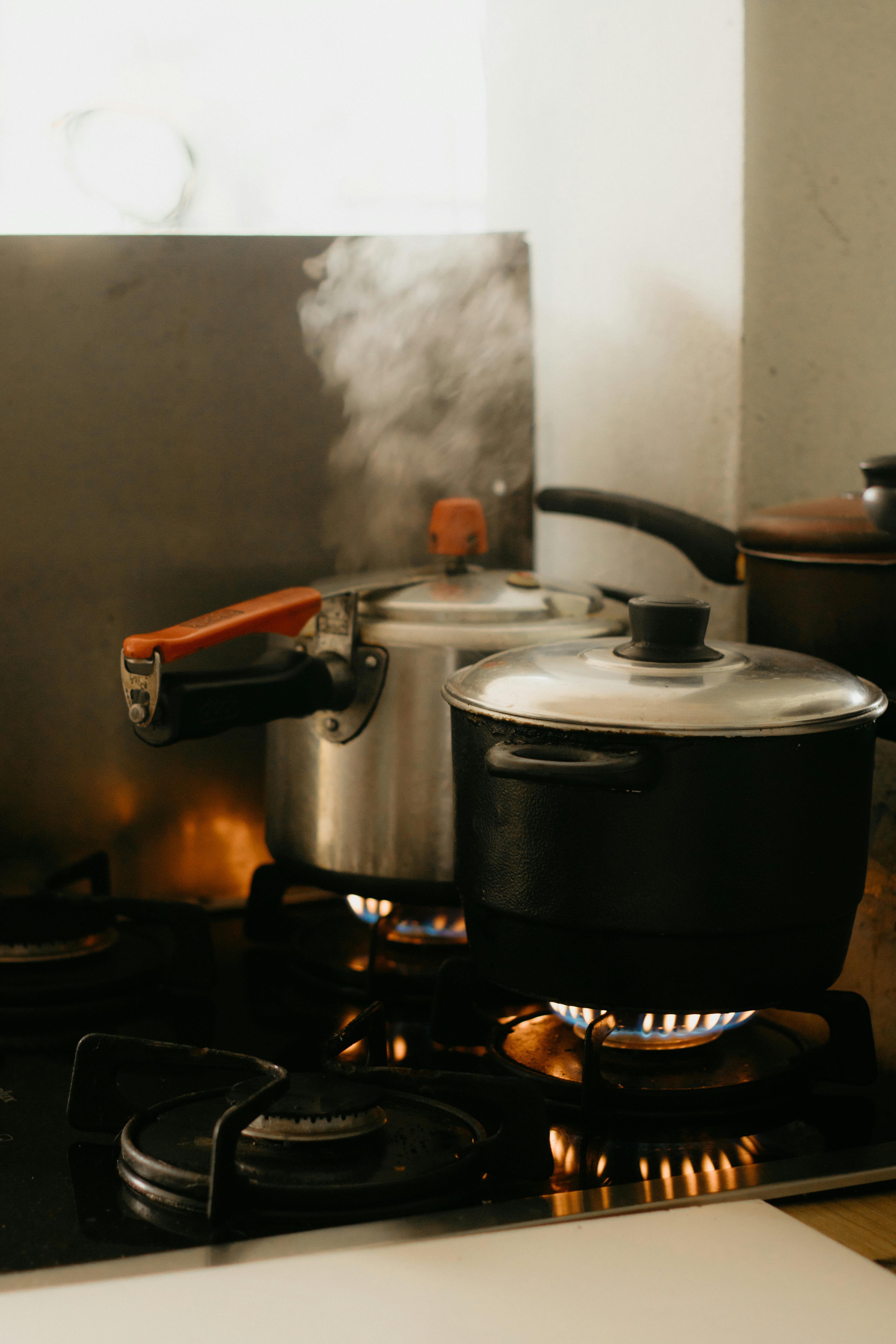
The old pressure cooker was the weeknight speed tool before the phrase existed. In the 1970s, many Canadian cooks used these heavy pots to soften beans, braise cheaper cuts, and get soups or stews on the table faster, especially in colder months when hearty meals were a staple. It was practical cooking with a clear purpose: save time, save energy, and make modest ingredients taste rich.
These early models had a reputation for drama, mostly because people remember the hiss and rattle. But when used properly, they were efficient and reliable. They also preserved moisture well, which helped with dishes like cabbage rolls, split pea soup, and pot roast.
Modern electric versions get the attention now, yet the stovetop pressure cooker is still quicker in many cases and gives cooks more control. It remains one of the smartest tools for economical, flavorful home cooking.
Flour Sifter
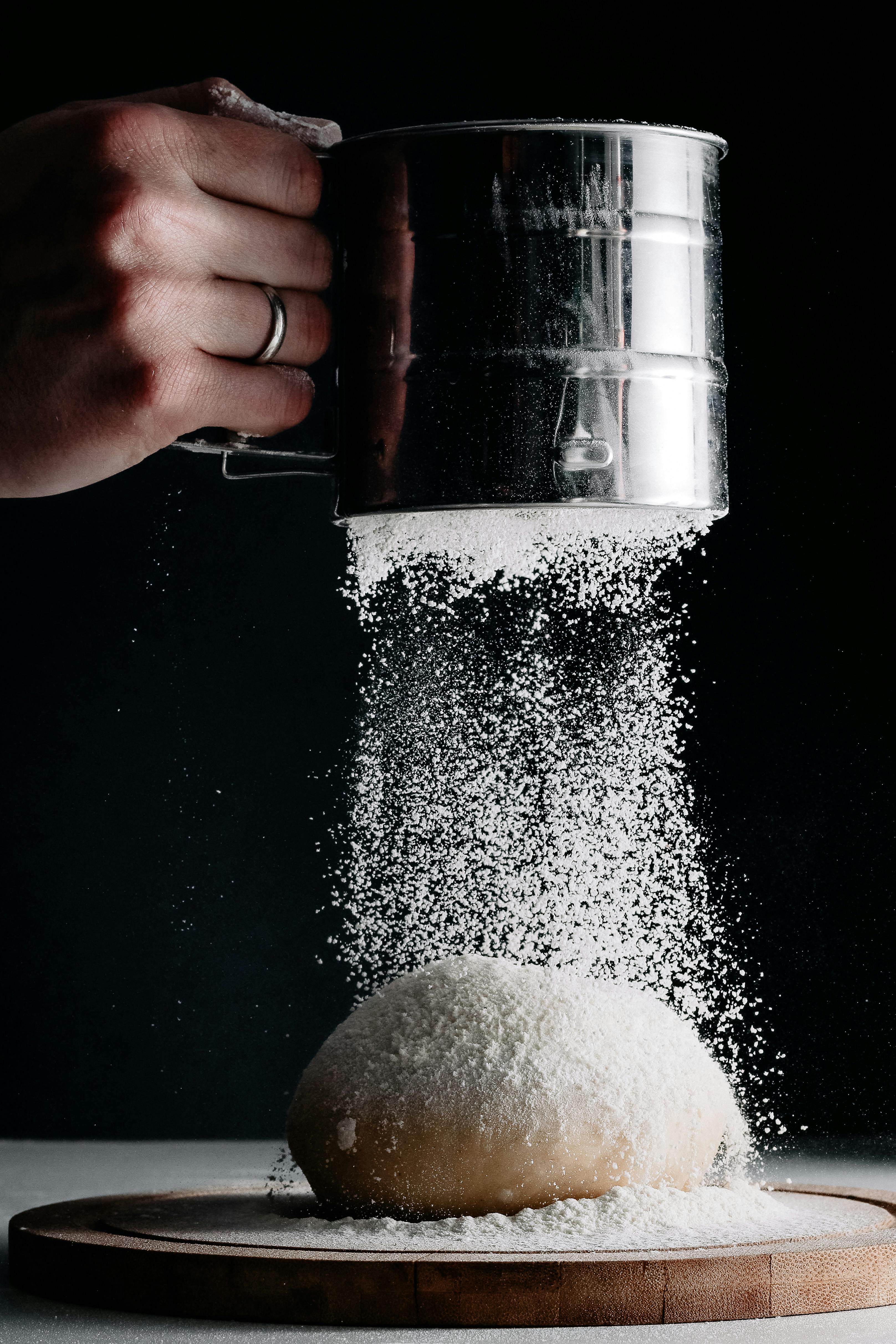
A flour sifter may seem fussy today, but in the 1970s it was a baking drawer basic. Many Canadian households baked regularly, from tea biscuits and butter tarts to birthday cakes and Christmas cookies, and sifted flour helped deliver lighter, more even results. Older recipes often assumed that cooks owned one and knew when to use it.
The tool was especially useful when flour had compacted in storage or when dry ingredients needed thorough blending. A hand-crank or squeeze sifter could aerate flour, distribute baking powder evenly, and reduce lumps in cocoa or icing sugar. That improved texture without much extra work.
It is worth reviving because it slows bakers down in a good way. For delicate cakes and classic pastries, a sifter still offers a simple, low-tech path to better structure and a more polished finish.
Enamel Double Boiler
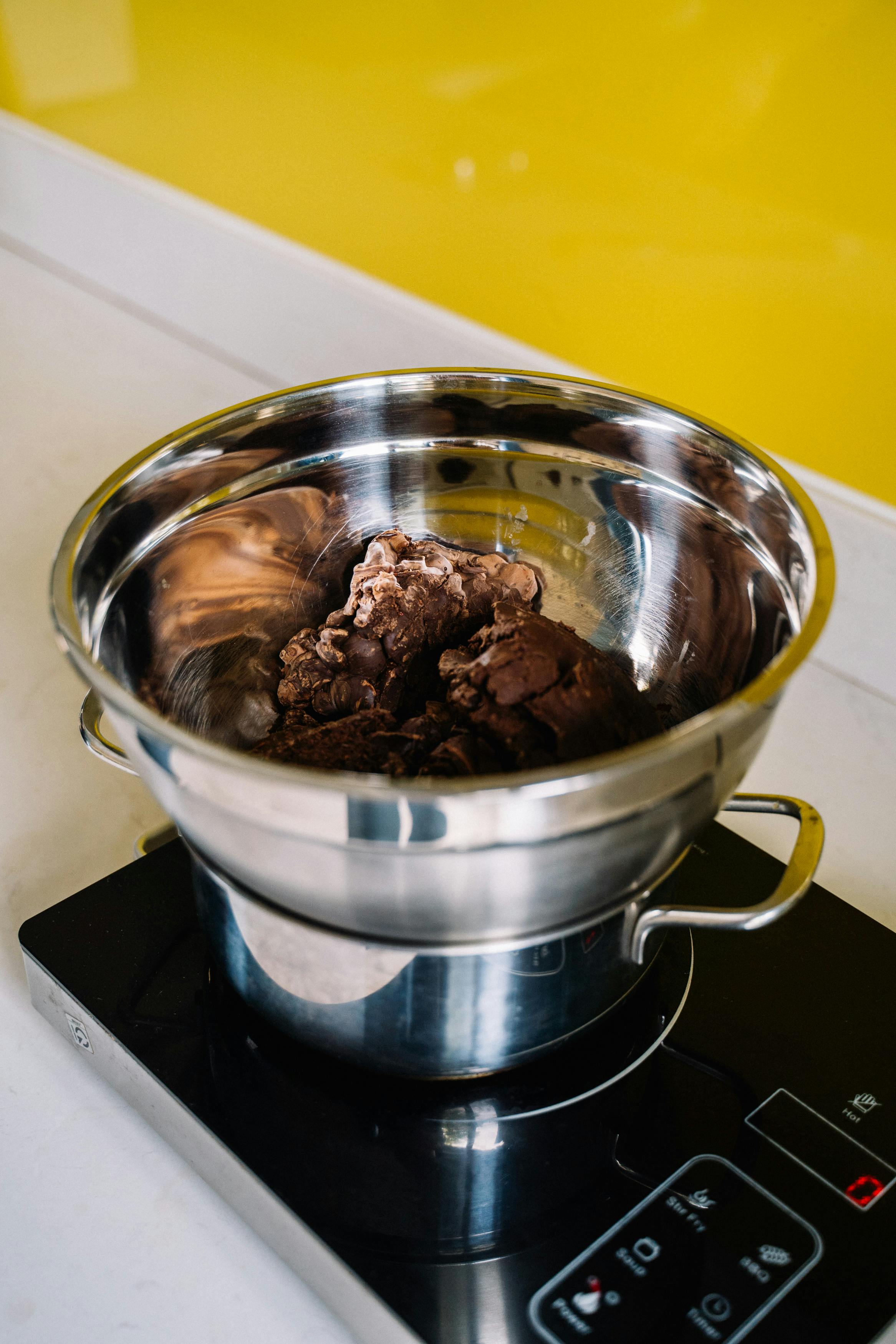
The enamel double boiler was a quiet hero in kitchens where careful heat mattered. Built as one pot nested over another, it let cooks melt chocolate, stir custards, warm milk, and make puddings or sauces without scorching. In 1970s Canada, when homemade desserts and stovetop cooking were still routine, this tool was a dependable answer to delicate recipes.
It was especially useful for dishes that could split or burn in a direct pan, like lemon curd, cocoa icing, and old-fashioned cooked salad dressings. The gentle heat gave home cooks more confidence and better odds of success. Enamel versions were also attractive enough to move from stove to table.
Today, many people improvise with a bowl over a pot, but a proper double boiler is steadier and often easier to handle. For anyone who likes making sweets or sauces from scratch, it is still a smart piece of equipment.
Jar Opener Clamp

Not every great kitchen tool cooks, and the jar opener clamp proves it. Mounted under a cabinet or kept as a handheld gripper, this simple device helped open stubborn lids on jam, pickles, relish, and preserves. In 1970s Canadian kitchens, where home canning and pantry storage were more common, it saved hands, wrists, and a lot of frustration.
Its appeal was practical. It gave leverage without relying on brute strength, which made it especially helpful for older adults and busy cooks dealing with vacuum-sealed jars. At a time when kitchen tools were expected to solve real household problems, this one absolutely did.
It still deserves a place in modern kitchens because sealed jars have not become any easier to open. Sometimes the best upgrade is not digital or motorized. It is a humble old tool that works instantly and keeps dinner moving.




Leave a Reply