
A rustic stay should feel peaceful, not uncertain. Yet in cabins and lodges, the smallest kitchen and housekeeping details often have the biggest health consequences.
Why rustic settings change the food safety equation
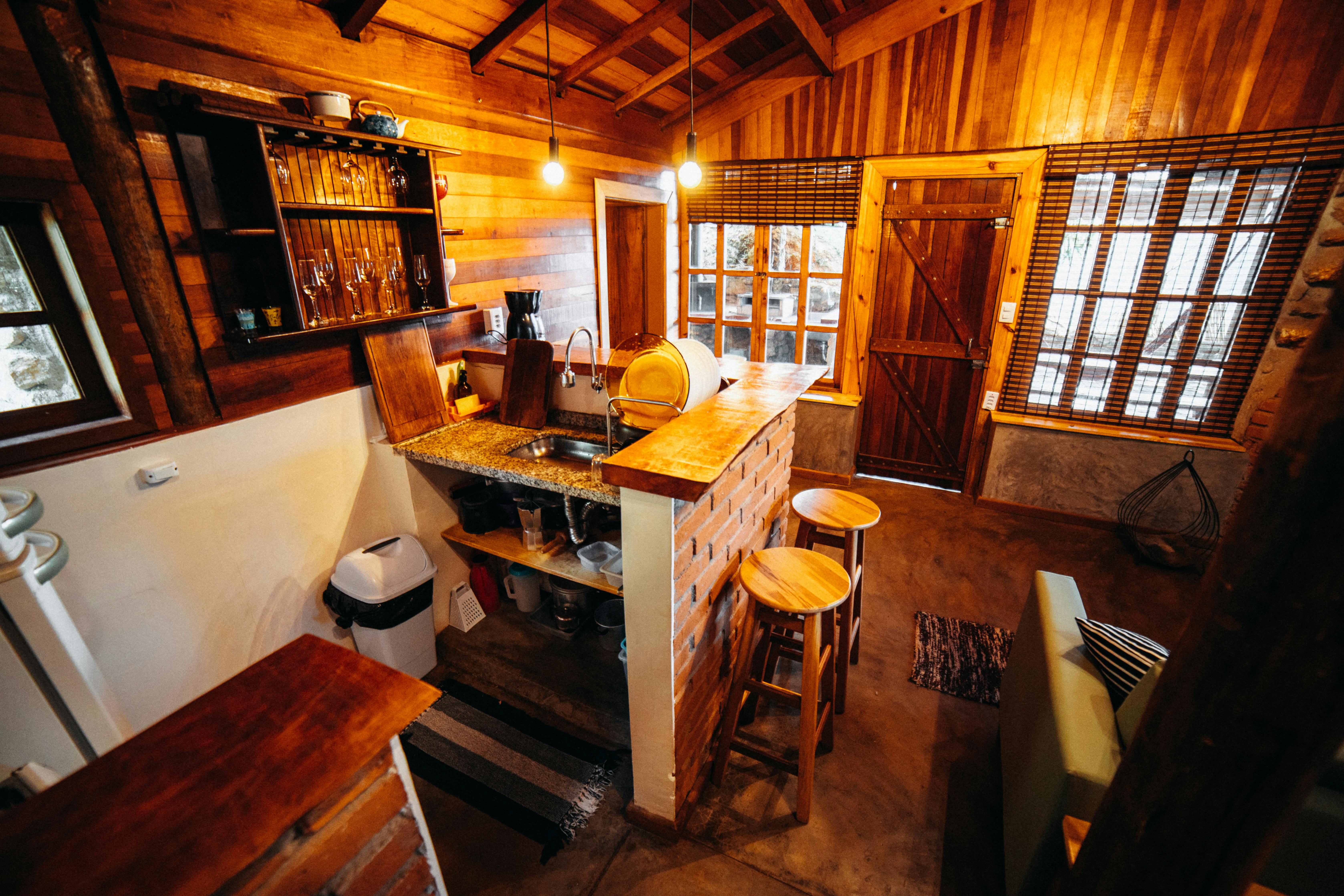
Charm can hide risk. A woodsy lodge with screened porches, exposed beams, and detached kitchens often sits much closer to wildlife than a city hotel, which changes how food must be stored, prepared, and served.
Rodents are the main concern in hantavirus discussions because people can be exposed through virus particles stirred from infected droppings, urine, or nesting material. According to the U.S. Centers for Disease Control and Prevention, deer mice are a key carrier in North America, and rustic properties can create more opportunities for rodents to enter if gaps, clutter, and food residues are left unmanaged.
That does not mean every country cabin is dangerous. It means operators and guests need to pay attention to conditions that would barely register in a conventional lodging setting, such as crumbs behind a toaster, pet food left on a porch, or packaged snacks stored in thin paper boxes.
Food safety in these environments is not only about avoiding spoiled milk or undercooked meat. It is also about reducing everything that attracts rodents and then cleaning in ways that do not aerosolize contaminated dust. That is where the small details begin to matter more than many travelers realize.
The overlooked storage habits that invite trouble

One easy mistake is assuming unopened food is safe anywhere. In rustic stays, dry goods left in cardboard, soft plastic, or paper sacks can quickly become accessible to mice, especially in pantries, utility rooms, and under-sink cabinets where warmth and darkness make ideal hiding places.
The safer standard is simple but often ignored: sealed, hard-sided containers with tight lids for cereal, flour, sugar, coffee, pet treats, and snack items. Commercial kitchens have long relied on this approach because it protects food from pests, moisture, and cross-contact. In cabins and lodges, it also removes one of the strongest incentives for rodents to keep returning.
Refrigeration details matter too. Mini fridges that run warm, crowded coolers, and infrequently checked backup refrigerators can all move food into the temperature danger zone. A lodge may look immaculate and still have perishables held above 40°F because the unit is overpacked or the door seal is failing.
Even trash management is part of storage. Interior bins without lids, late-night garbage left by the door, and outdoor dumpsters with broken tops can attract animals quickly. Once activity starts around waste, the chances of contamination in adjacent food prep and storage areas rise sharply.
Cleaning methods matter as much as cleanliness

A cabin can appear spotless and still be cleaned the wrong way. That is especially important where hantavirus concerns exist, because sweeping dry droppings or vacuuming nesting debris can send contaminated particles into the air.
Public health guidance has long emphasized a different method: ventilate the space, use gloves, and wet contaminated areas with an appropriate disinfectant before wiping them up. In practical terms, that means staff should not rush into turning over a room by dry dusting corners, brooming under beds, or using leaf blowers on enclosed porches where rodent evidence may be present.
Kitchens deserve even more discipline. Counters, drawer interiors, stove sides, and the spaces behind appliances should be cleaned for residue, not just appearance. Grease films, syrup drips, and forgotten crumbs are not cosmetic issues. They are pest attractants, and in rustic settings that can turn a minor oversight into an ongoing rodent problem.
Laundry handling is another underappreciated point. Table linens, dish towels, and cleaning rags stored in open shelves can collect dust and pest contamination. Closed storage, regular hot-water washing when appropriate, and separating food-contact textiles from general cleaning cloths are small steps that reduce bigger downstream risks.
The kitchen equipment details guests rarely think to check
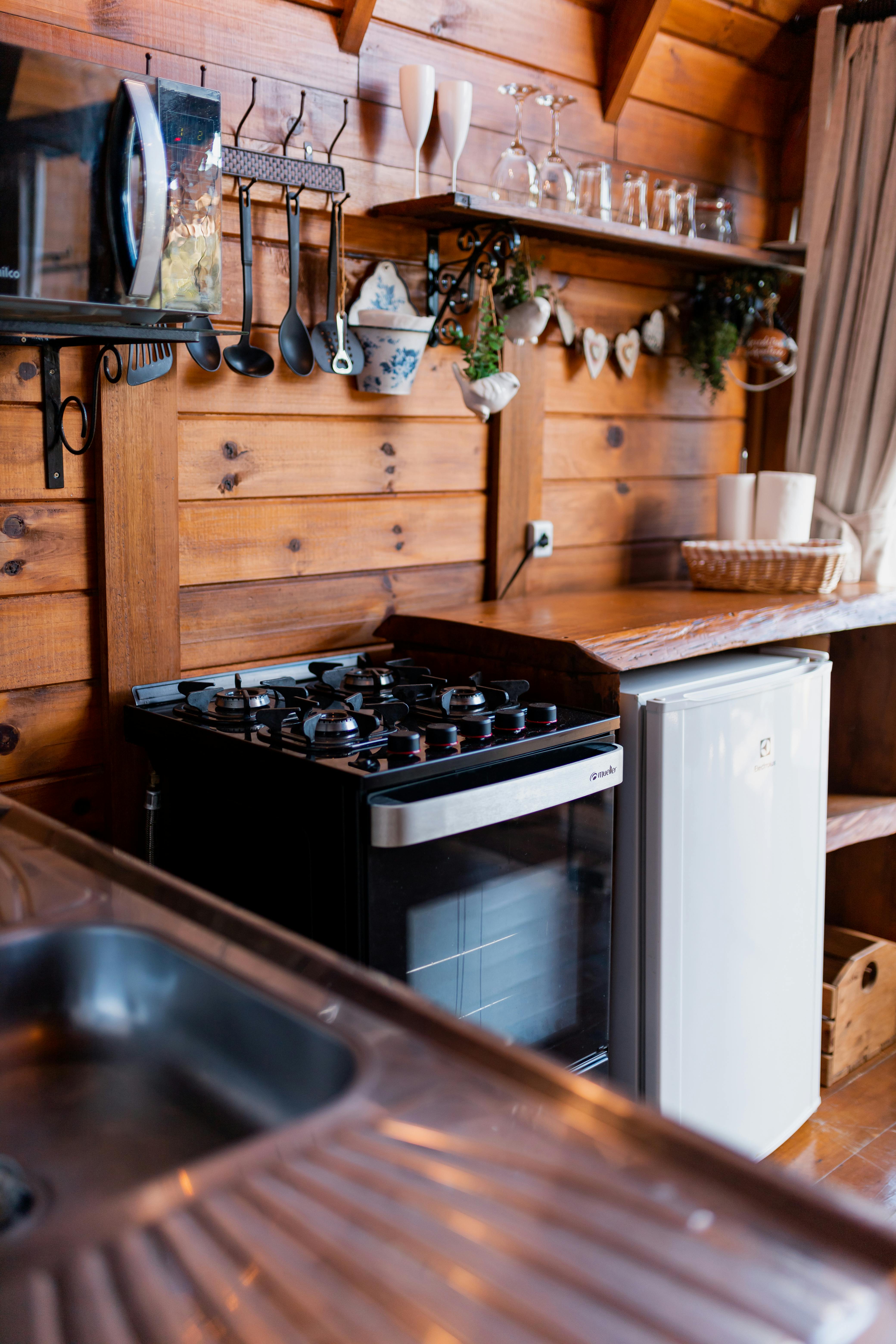
The safest lodge kitchens are not just charming. They are functional in very specific ways, and worn equipment often reveals whether food safety is being managed seriously behind the scenes.
Start with the basics: refrigerator thermometers, intact door gaskets, smooth cutting boards, and sink fixtures that allow proper handwashing. A cracked cutting board can trap moisture and bacteria. A loose faucet with weak flow discourages thorough washing. A missing fridge thermometer leaves both staff and guests guessing about whether leftovers, dairy, or prepared foods are actually being kept cold enough.
Look closely at small appliances too. Toasters full of old crumbs, coffee makers with stale standing water, and microwaves with splattered interiors all point to weak cleaning routines. In a remote stay, these are not trivial housekeeping misses. They suggest the property may also be overlooking hidden areas where pest activity begins.
Ice is another blind spot. Ice buckets, scoop storage, freezer bins, and communal ice machines need routine sanitation and protection from hands, dust, and cross-contamination. Because ice is treated as harmless, people often forget it is a food item. In shared lodge settings, that assumption can become a preventable hazard very quickly.
Staff routines and guest behavior both shape the risk
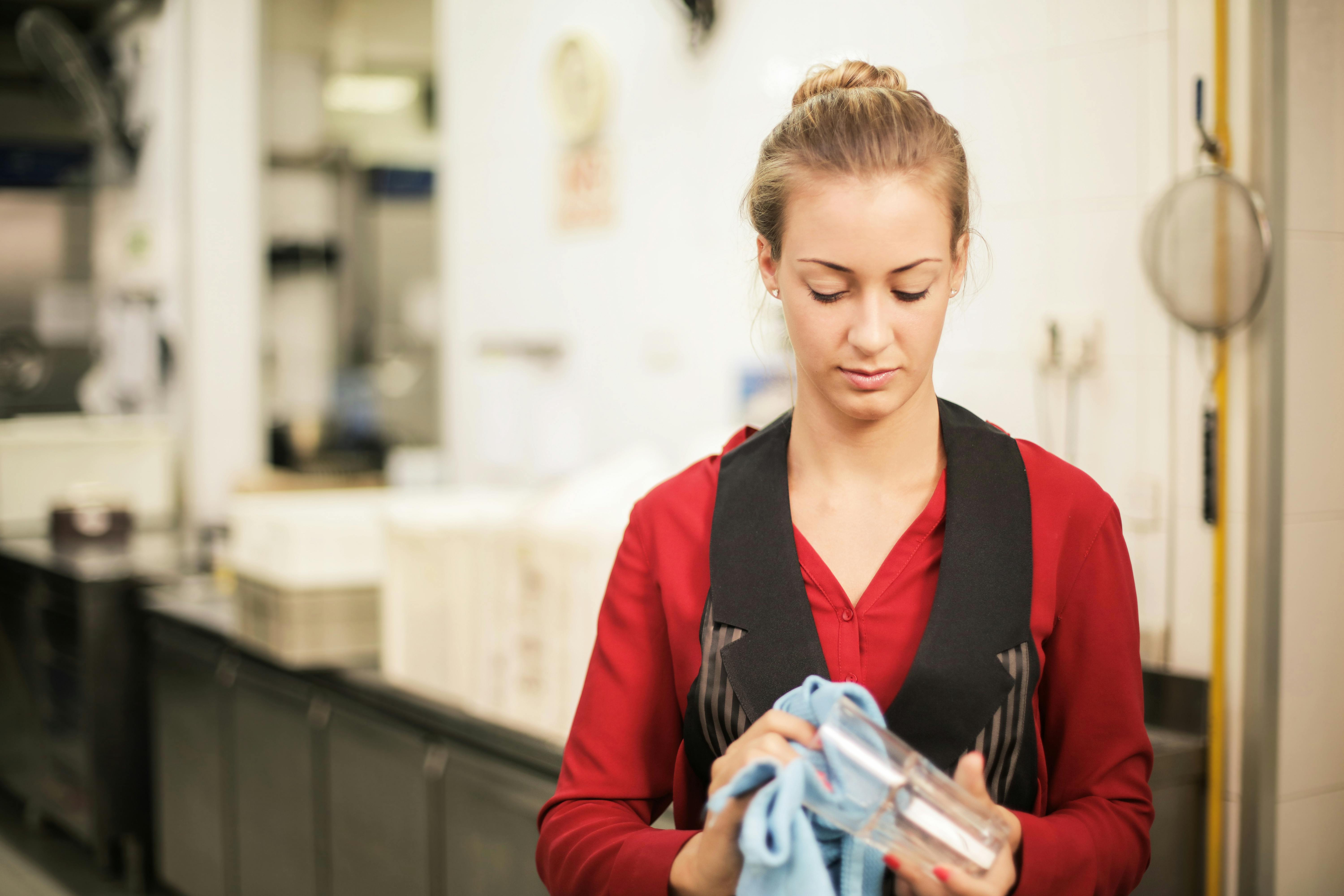
Food safety in rustic accommodations is never just a management issue. Guests influence conditions every day, especially when stays include self-catering kitchens, barbecue areas, snack baskets, or family-style dining.
A well-run property makes the right behavior easy. That includes clear instructions about storing food in sealed containers, not leaving pet food outdoors, taking trash to secure bins, and reporting any signs of rodent activity immediately. The best notices are plainspoken and specific, not alarming. They tell guests what to do and why it matters.
Staff routines are equally critical. Housekeepers should know how to identify gnaw marks, droppings, grease rubs along baseboards, nesting material, and unusual odors. Maintenance teams should be trained to seal gaps around pipes, doors, vents, and foundations because a hole the width of a dime can be enough for a mouse.
Properties that handle concerns well also keep logs. Documenting sightings, cleanup actions, temperature checks, and pest control visits creates accountability and helps small patterns become visible before they turn into a larger sanitation problem. In hospitality, consistency is often the real safety system.
What travelers should notice before unpacking food

The first few minutes in a lodge kitchen tell you a lot. Before unpacking groceries, check whether pantry shelves are clean, food containers are intact, and garbage bins have tight-fitting lids.
Open the refrigerator and look for a cold, clean interior rather than spilled residue or a sour smell. Scan corners, under sinks, and along baseboards for droppings, shredded material, or chew marks on stored goods. These are not signs to ignore politely. They are reasons to contact management right away and avoid using affected spaces until they are addressed properly.
Travelers should also rethink casual habits that are harmless elsewhere. Do not leave fruit on open counters overnight, stash trail mix in backpacks on the floor, or keep leftovers loosely wrapped in the fridge. In remote settings, that behavior can attract pests fast, especially during colder months when animals seek warmth indoors.
Most importantly, choose properties that communicate clearly about cleaning, maintenance, and pest prevention. Reputable operators usually do not dodge these questions. They answer them confidently because they know that in rustic hospitality, the smallest food safety details are often the ones that protect guests best.




Leave a Reply