
Big portions now feel normal, which is precisely the point. What looks like personal choice is often the result of decades of business incentives, policy decisions, and cultural conditioning.
It started long before fast food became the villain

The story of giant portions does not begin with a soda cup the size of a flower vase. It begins with abundance. After World War II, the United States built an agricultural system designed to produce huge amounts of cheap calories, especially corn, soy, wheat, dairy, and meat. Federal farm policy rewarded output, food science improved shelf life, and industrial processing made it possible to turn raw commodities into inexpensive packaged foods at massive scale.
That abundance changed the economics of eating. When ingredients become cheap relative to labor, rent, and advertising, adding more food to a plate costs a business far less than improving service or lowering prices. A larger serving feels generous to the customer, but for the seller it can be a highly efficient way to signal value. A few more fries or extra ounces of soda may cost pennies while making a meal seem dramatically bigger.
Researchers who study the food environment have long noted that American portion sizes expanded sharply beginning in the 1970s and 1980s, both in restaurants and in packaged foods. Soft drinks, snack bags, muffins, burgers, and restaurant entrees all grew. The rise was not simply about hunger. It reflected a food system built to move surplus calories profitably, and a retail culture that learned bigger often sold better.
Restaurants learned that value beats restraint
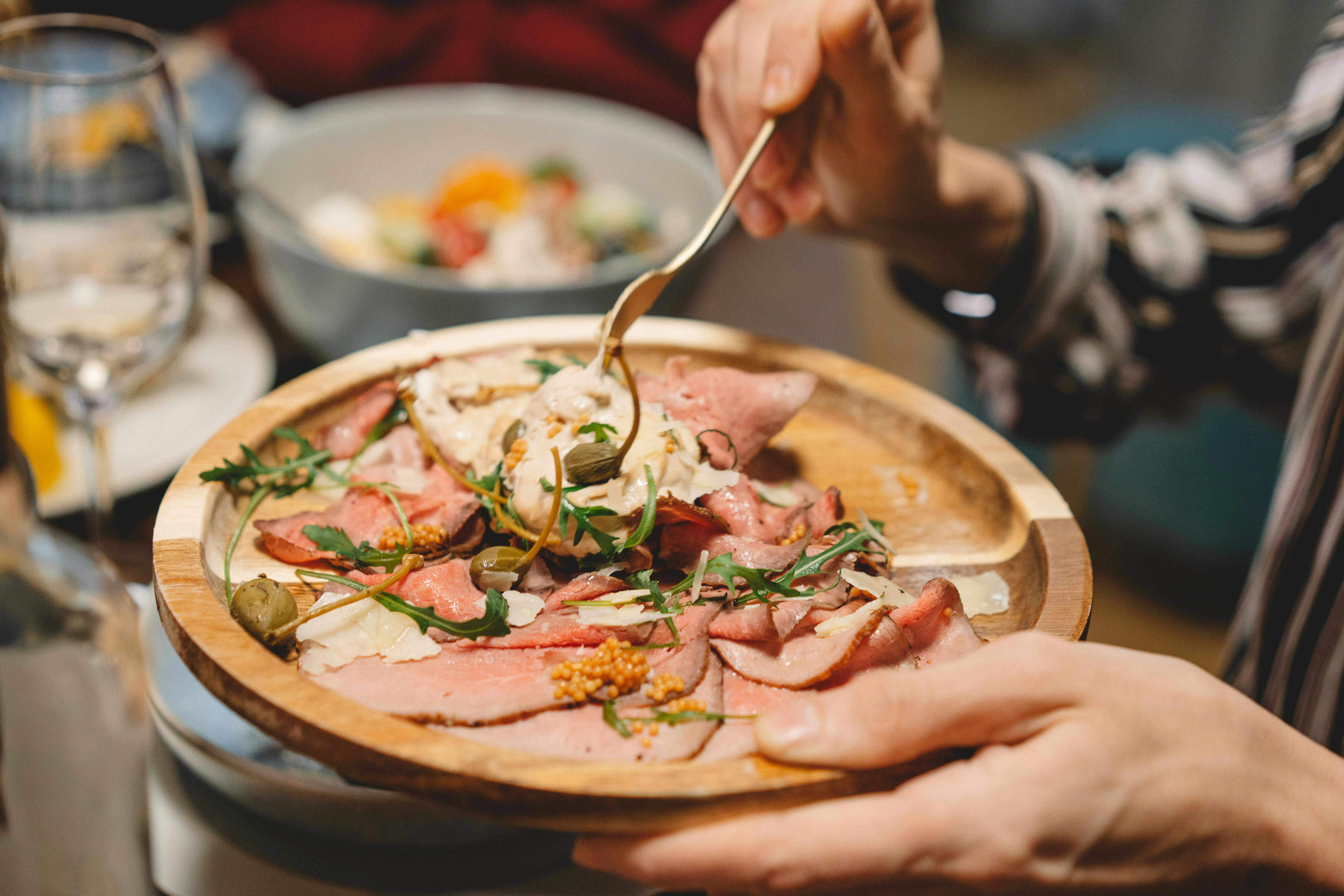
One of the clearest drivers of portion inflation was restaurant math. Diners compare price more easily than they compare nutrition. If a chain can offer 30% more food for a modest increase in price, the larger option looks like a bargain even if most people did not need the extra food in the first place. Behavioral economists call this value framing, and restaurants have used it for decades.
Fast food helped normalize the logic, but casual dining accelerated it. In the 1980s and 1990s, chains competed on visible abundance with oversized pasta bowls, bottomless baskets, giant burritos, and plates designed to spill over the rim. According to industry analysts, menu language increasingly emphasized hearty, loaded, double, ultimate, and feast-style branding. The plate itself became part of the marketing message.
This strategy worked because food costs were only one part of the bill. A restaurant paying for staff, equipment, utilities, and real estate could often protect margins better by selling larger meals than by offering smaller, cheaper ones. Customers left feeling they had won. In reality, they were being nudged into accepting a new baseline for what a normal meal looked like. Once enough chains moved together, portion growth became an industry standard rather than an exception.
The human brain is easy to train, and companies knew it

People do not eat by calorie calculation. They eat by cues. That fact is central to why portions kept growing. A large body of nutrition and behavioral research, including influential work by Brian Wansink and later studies that refined and challenged parts of the field, still supports one broad conclusion: when more food is placed in front of people, they usually eat more, often without noticing how much extra they consumed.
This is known as the portion-size effect, and it shows up across age groups and settings. Give people larger bowls, plates, cups, or packaged servings, and intake tends to rise. Offer a larger default in a restaurant, and many will treat it as the appropriate amount to eat. Over time, the eye recalibrates. What once looked excessive starts to look ordinary, and what was once normal begins to seem stingy.
Food companies and restaurant chains did not need a public vote to exploit this. They only needed repetition. Combo meals, upsizing prompts, limited-time indulgence items, family packs, warehouse-store formats, and cinema concessions all taught consumers the same lesson: more is better, and more for only a little extra is smartest of all. In that environment, self-control is not the only force at work. The environment itself is doing the persuading.
Canada did not copy America by debate, but by integration
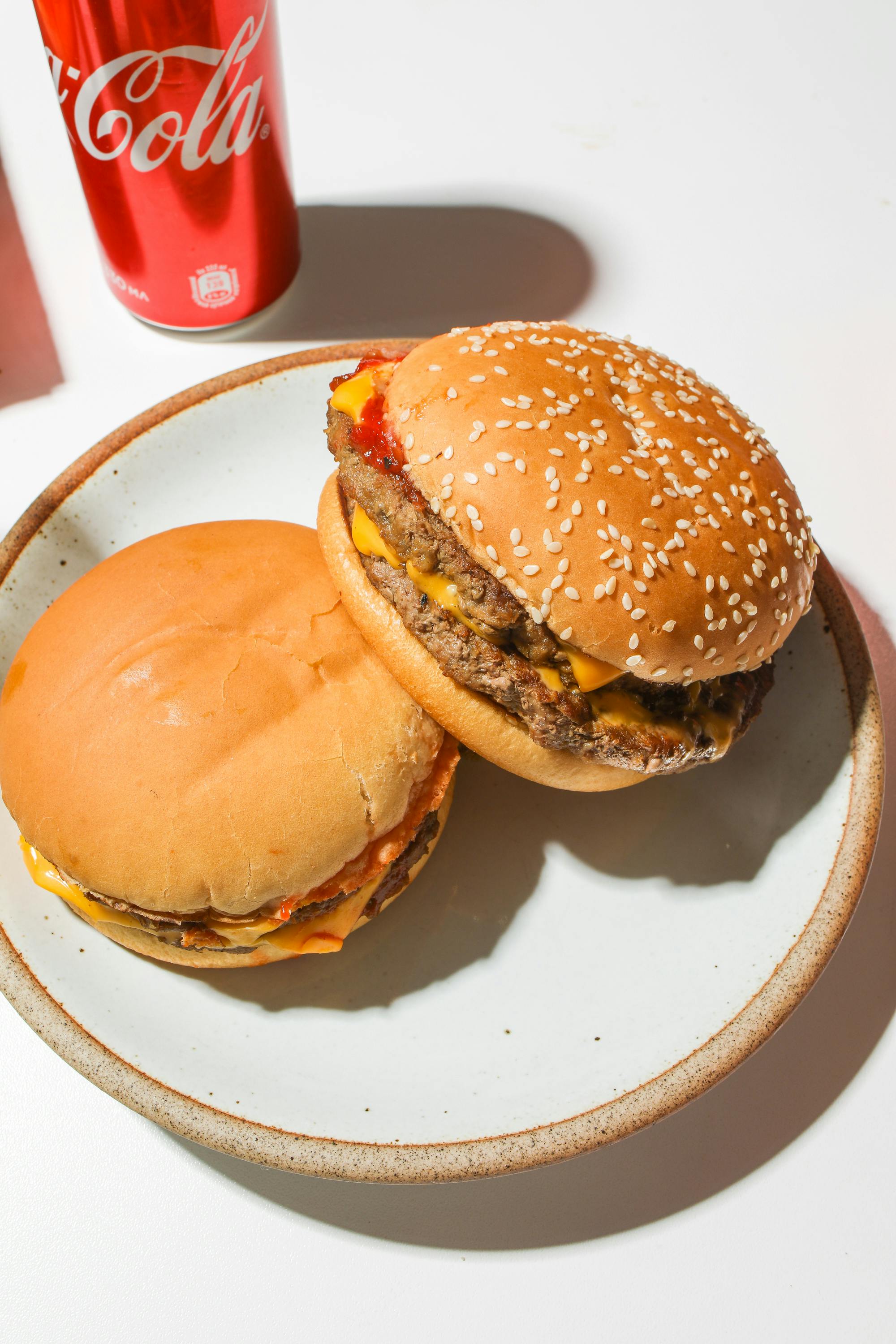
Canada followed without anyone voting on portion size because this was never mainly a ballot-box issue. It was a market integration story. Canadian consumers shop in many of the same chain restaurants, grocery formats, warehouse clubs, convenience stores, and entertainment venues shaped by North American food giants. Product development, packaging, advertising, and menu planning often move across the border through the same corporate systems.
The countries also share media habits and consumer culture. Canadians watch much of the same advertising, streaming content, sports broadcasts, and social media promotion that normalize oversized drinks, shareable snacks, indulgent takeout, and restaurant plates built for visual impact. When American chains expanded in Canada, they imported not just brands but serving norms. Domestic competitors then had incentives to match them.
There are policy differences, of course. Canada has at times taken a somewhat stronger public-health tone in nutrition guidance and labeling debates. But guidance alone rarely beats the daily force of price signals, convenience, and habit. If a shopper sees jumbo muffins at the café, giant popcorn at the movie theater, and oversized combo meals at the drive-thru, those choices become routine. No legislature had to approve a larger muffin. The market simply made it normal.
Packaging, pricing, and convenience kept pushing upward

The modern food business rewards scale in subtle ways. Packaging innovations allowed foods to travel farther, stay fresh longer, and be sold in larger units. Supermarkets and warehouse clubs promoted bulk buying as smart household management. A bigger box or bottle suggested savings, preparedness, and convenience. For busy families, large formats also reduced shopping frequency, which made them even more attractive.
Pricing structures reinforced the habit. The difference between a medium and a large soda, fries, or popcorn often appears absurdly small relative to the jump in volume. That is not an accident. It is a classic decoy strategy. Once the largest option looks like the best deal, the smaller one feels irrational, even to people who know they do not want or need the extra amount.
Convenience culture added another layer. As more people ate in cars, at desks, or on compressed schedules, meals became less ceremonial and more transactional. Food had to be portable, quick, and satisfying on the first bite. Dense, salty, sweet, energy-rich portions met that demand. In both the United States and Canada, this helped shift eating from structured mealtimes toward constant availability, where large servings and snack-sized add-ons quietly multiplied total intake across the day.
The real cost was hidden, which is why the system lasted
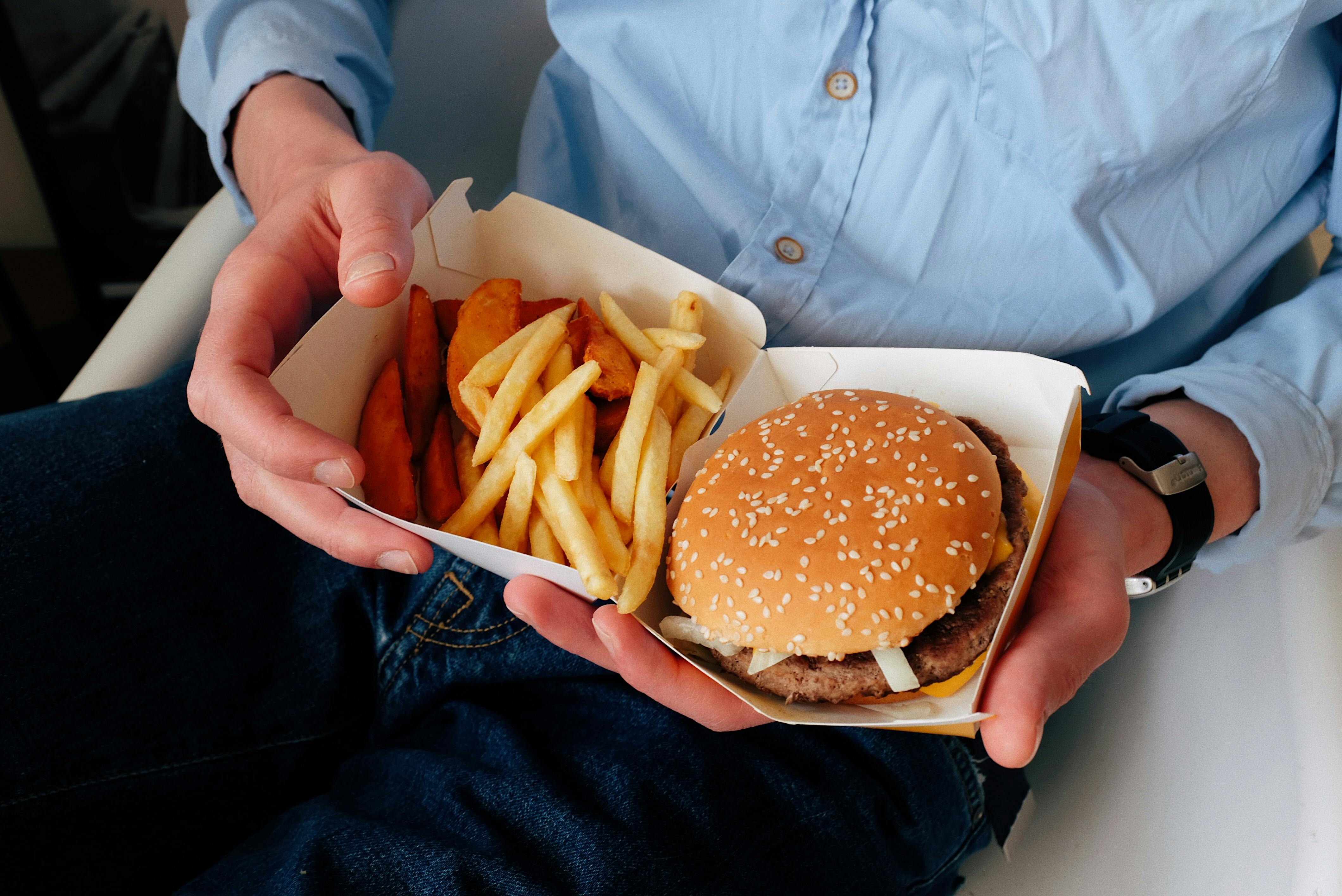
The reason giant portions persisted is simple: the immediate benefits were visible, while the long-term costs were diffuse. Consumers saw value, convenience, and pleasure. Businesses saw higher sales and strong margins. Governments saw productive farm sectors and powerful food industries. The downsides, including rising obesity, type 2 diabetes, cardiovascular risk, and higher health-care costs, emerged gradually and were spread across society rather than charged at the cash register.
Public-health experts now argue that portion size is one of the clearest examples of how environments shape behavior more powerfully than information alone. Telling people to eat less works poorly when every cue around them says abundance is normal. That is why some reform efforts have focused on defaults, menu design, smaller package options, and institutional procurement standards rather than only education campaigns.
Nothing about this trend was inevitable, and that matters. Portion sizes grew because systems rewarded growth. Canada followed because it shares many of those systems with the United States. If portions are ever going to shrink meaningfully, it will not happen because people suddenly become more disciplined. It will happen when restaurants, retailers, manufacturers, and policymakers make smaller defaults feel just as normal as supersizing once did.




Leave a Reply