
Your body does not become unrecognizable at 45, but it does become less forgiving. Foods that once felt harmless can suddenly affect energy, waistline, sleep, and long-term health in ways that catch many people off guard.
Your metabolism is not broken, but it is no longer doing you favors

One of the biggest myths people carry into midlife is that metabolism collapses overnight. It usually does not. What changes more often is body composition. Adults tend to lose muscle gradually with age, and muscle is one of the most metabolically active tissues in the body. By the mid-forties, that quiet decline starts to matter more.
That shift changes how efficiently the body uses calories. A lunch that felt perfectly balanced at 35 may now leave you sluggish or hungry again too soon. According to research published over the past several years, resting energy needs do not necessarily plummet in early midlife, but reduced activity, lower muscle mass, and slower recovery often create the appearance of a dramatic slowdown.
This is why old advice like "just eat what you always ate, only a little less" often fails. Eating less without preserving protein and muscle can make the problem worse. People cut portions, lose more lean mass, and end up feeling weaker, hungrier, and less satisfied.
A smarter midlife approach starts with food quality and protein distribution across the day. Instead of relying on a light breakfast, a random lunch, and a heavy dinner, many experts now recommend consistent protein intake, high-fiber carbohydrates, and regular strength training support. At 45, the question is not only how much you eat. It is what those calories are doing inside a changing body.
Hormones change the rules, especially for women, but not only for women

By 45, many women are entering perimenopause, and that changes nutritional needs in practical ways. Estrogen fluctuations can affect appetite, insulin sensitivity, sleep quality, fat distribution, and even digestive comfort. Foods that once caused no issue may now seem to trigger bloating, cravings, or energy crashes. That is not imagined. It is physiology.
Fat storage patterns also begin to shift. Many women notice more abdominal fat even when weight has barely changed. Clinicians have long observed that declining estrogen is linked with increased central fat accumulation, and that pattern matters because visceral fat is more strongly associated with cardiometabolic risk than fat carried elsewhere.
Men are not exempt from hormonal effects either. Testosterone gradually declines with age, and that can influence muscle retention, recovery, and body fat levels. Poor sleep, rising stress, and reduced activity can intensify the effect, creating a cycle in which food choices start compensating for fatigue rather than supporting health.
This is where generic diet advice from your thirties starts to fall apart. Low-fat plans, skipped meals, and caffeine-heavy routines may have once seemed manageable. At 45, they often fuel cravings, worsen mood, and undermine blood sugar control. Hormones do not make healthy eating impossible, but they absolutely change which strategies are sustainable and which ones backfire.
Blood sugar swings matter more than you think in midlife

In your thirties, it was easier to get away with a muffin breakfast, a sandwich at your desk, and pasta at night. At 45, that same pattern can create a roller coaster of hunger, irritability, brain fog, and late-evening snacking. The reason is simple. Insulin sensitivity often declines with age, especially when muscle mass drops and sleep quality worsens.
A 2024 study and many earlier ones have reinforced the idea that blood sugar management is not only a diabetes issue. It affects energy, appetite regulation, inflammation, and cardiovascular health. When meals are built around refined carbohydrates with too little protein, fiber, or fat, glucose rises quickly and often falls just as quickly, driving the urge to eat again.
This is one reason old advice like "choose low-fat crackers" or "have cereal for a quick breakfast" becomes less useful. Those foods may be convenient, but they often lack the structure needed to keep midlife blood sugar stable. A breakfast of Greek yogurt, eggs, oats, berries, or nuts works differently because digestion slows and satiety improves.
The goal is not to fear carbohydrates. It is to pair them intelligently. Beans, lentils, fruit, intact grains, and starchy vegetables can still fit well, especially when combined with protein and healthy fats. At 45, the body often responds best not to restriction, but to steadier inputs that reduce peaks and crashes throughout the day.
Recovery, inflammation, and digestion all become part of the food equation

Midlife changes are not just about weight. Recovery after exercise often takes longer, joints may complain more, and digestion can become less predictable. This is where anti-inflammatory and gut-supportive eating patterns start to matter in a more obvious way. The same foods that once felt neutral may now influence stiffness, reflux, bowel habits, or sleep.
Highly processed foods are a common problem here. Meals high in refined grains, added sugars, sodium, and industrial fats can leave people feeling puffy, tired, and uncomfortable. In contrast, diets centered on vegetables, fruit, legumes, fish, olive oil, nuts, seeds, and fermented foods are repeatedly linked with better metabolic and cardiovascular outcomes. The Mediterranean pattern remains one of the strongest examples.
Digestive shifts also deserve more attention than they usually get. Stomach acid can change with age, medication use becomes more common, and fiber intake is often lower than people realize. Add stress and irregular meal timing, and the result can be constipation, bloating, or poor nutrient absorption. Many adults over 45 are also more sensitive to heavy evening meals than they were a decade earlier.
This is why "eat whatever fits your calories" is too narrow for midlife. Food now affects how you recover, how you sleep, and how your gut functions the next day. The right diet at 45 supports resilience. It should help the body calm inflammation, maintain regular digestion, and bounce back from everyday physical stress.
Protein, fiber, and micronutrients become non-negotiable
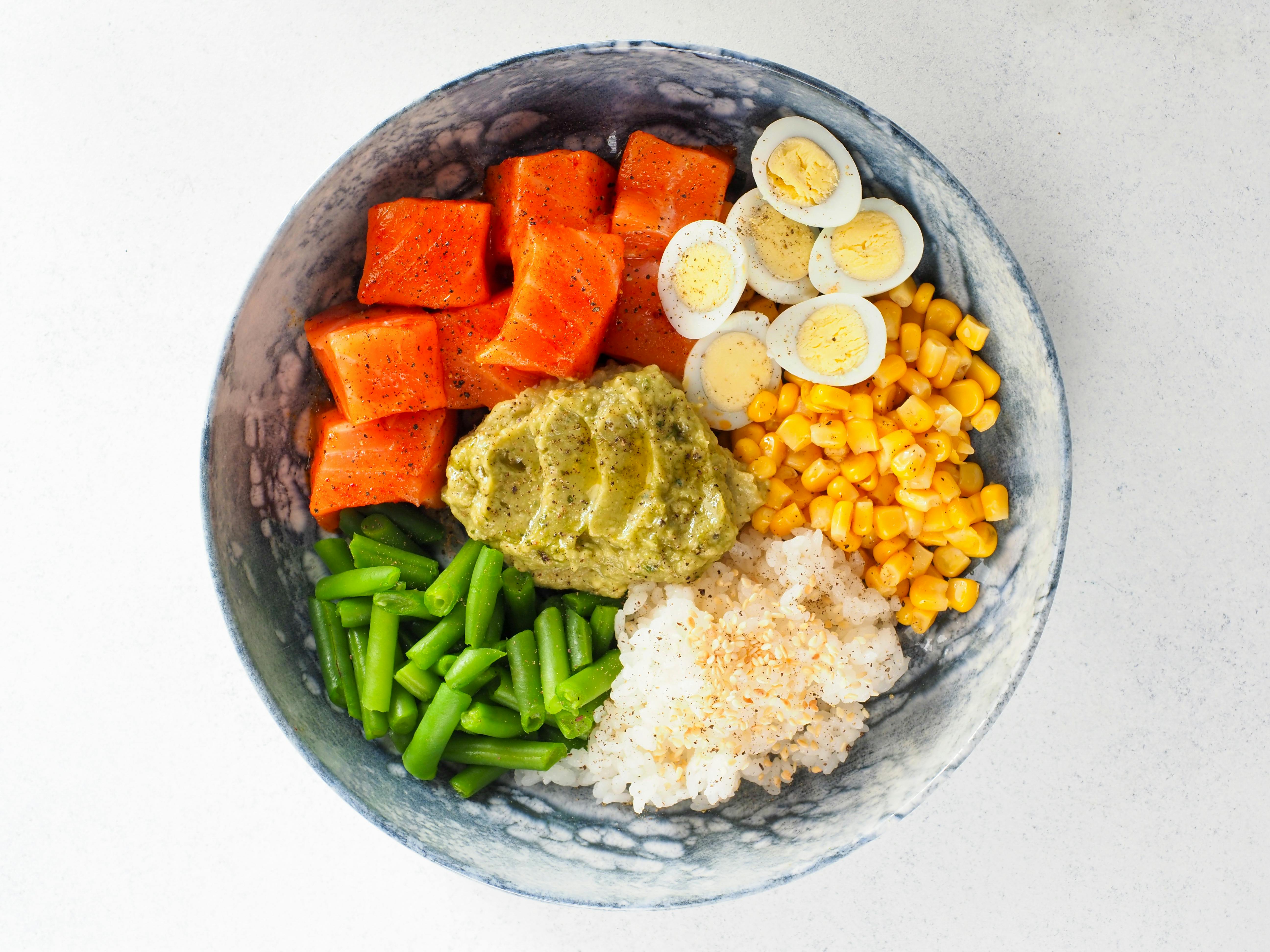
If there is one dietary upgrade that makes the biggest difference after 45, it is prioritizing protein without neglecting fiber. Protein supports muscle maintenance, immune function, and satiety. Fiber helps regulate cholesterol, digestion, and blood sugar while feeding beneficial gut bacteria. Many adults get too little of both, especially when relying on convenience foods.
Older diet culture often pushed people toward snack foods labeled low-fat or only 100 calories. Those products were easy to overeat and rarely satisfying. A better midlife plate usually looks less packaged and more complete: fish or chicken, tofu or beans, vegetables, a whole grain or potato, olive oil, yogurt, fruit, nuts, or seeds. It is simpler than it sounds, but far more effective.
Micronutrients also become more important because absorption and risk patterns change with age. Calcium, vitamin D, magnesium, potassium, omega-3 fats, and B12 deserve attention, particularly for bone health, blood pressure, muscle function, and nervous system support. Women in perimenopause and menopause often need to be especially mindful of calcium, vitamin D, iron status, and overall protein intake.
This does not mean everyone needs a shelf full of supplements. It means food choices must carry more nutritional value than they did in your thirties. At 45, every meal has a job to do. The best ones help preserve muscle, protect bones, steady appetite, and deliver nutrients that support health for the decades ahead.
The best midlife diet is less about rules and more about adaptation

What finally replaces old nutrition advice is not a harsher plan. It is a more responsive one. Midlife eating works best when it reflects how you actually feel and function. If a breakfast leaves you hungry in an hour, it is not working. If a late dinner ruins sleep, that matters. If weekends undo your energy for three days, that is useful information, not a moral failure.
Real-world success at 45 usually comes from a few repeatable habits. Build meals around protein, include fiber at most meals, reduce ultra-processed foods, drink enough water, and stop treating sleep as optional. Strength training and walking make food work better because they improve insulin sensitivity and help preserve lean mass. Nutrition and movement stop being separate conversations in midlife.
There is also room for flexibility. You do not need to ban bread, avoid fruit, or chase every trend on social media. You need meals that keep you steady, satisfied, and strong. For some people, that means more home cooking. For others, it means better choices when busy, such as a high-protein lunch instead of a pastry and coffee.
The deeper truth is simple. The advice that worked in your thirties was built for a body with different hormone patterns, recovery capacity, and metabolic tolerance. Turning 45 does not mean giving up pleasure or eating with fear. It means recognizing that your body has changed its priorities, and your plate should change with it.




Leave a Reply