
Ask a Canadian over 40 about childhood snacks and weeknight staples, and you may hear about foods that have nearly vanished from the mainstream. Some were lunchbox legends, some were budget-friendly basics, and some were simply products of a different grocery era. This gallery revisits nine memorable foods that shaped everyday eating in Canada and now leave many younger people asking, "What was that?"
Red River Cereal
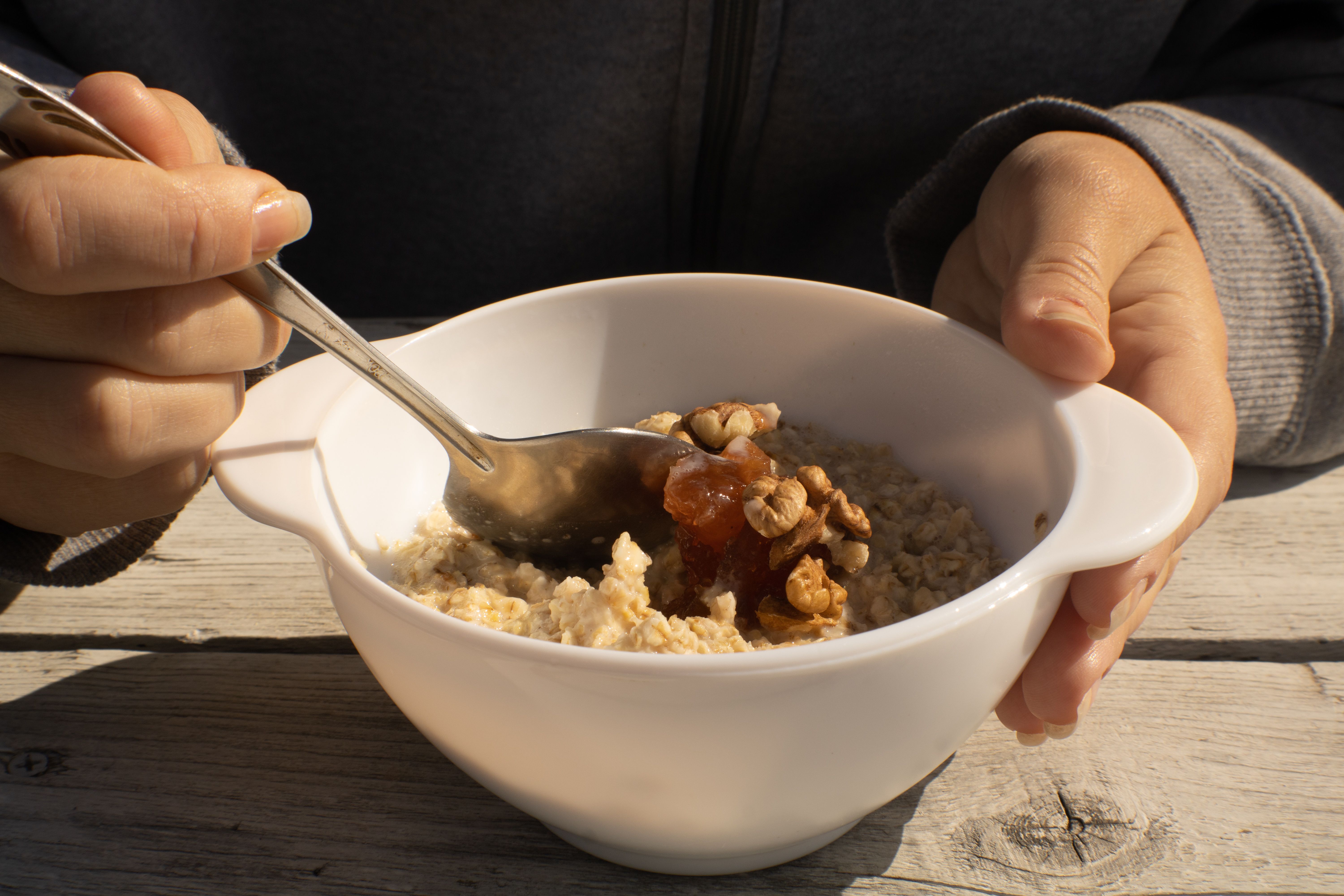
Before trendy multigrain bowls became fashionable, Red River Cereal was already there, quietly defining breakfast in countless Canadian homes. Made from cracked wheat, rye, and flax, it had a hearty texture that felt serious compared with sugary cereals aimed at kids. For many families, it was the kind of breakfast that promised to keep you full through a cold morning.
Its appeal was practical as much as nostalgic. It was warm, inexpensive, and deeply associated with prairie kitchens, winter routines, and grandparents who believed breakfast should have substance. While the brand has had revivals and ownership changes over the years, younger Canadians often know oatmeal but have never encountered this distinctly old-school cereal.
Blue Bonnet Margarine

Few foods capture a specific grocery-store era like Blue Bonnet margarine. It was a kitchen standby when margarine was marketed as a modern, budget-friendly alternative to butter, and many Canadians remember the ritual of mixing in the yellow colouring to transform a pale block into something that looked table-ready. That little bit of food chemistry felt oddly normal at the time.
Blue Bonnet became part of everyday cooking, baking, and toast-making, especially in households watching food costs. It belonged to a period when packaged convenience and thrift carried real weight in shopping decisions. Younger generations, raised in a world of spreadable tubs and premium butter debates, may find the whole idea surprisingly foreign.
Habitant Pea Soup in a Can
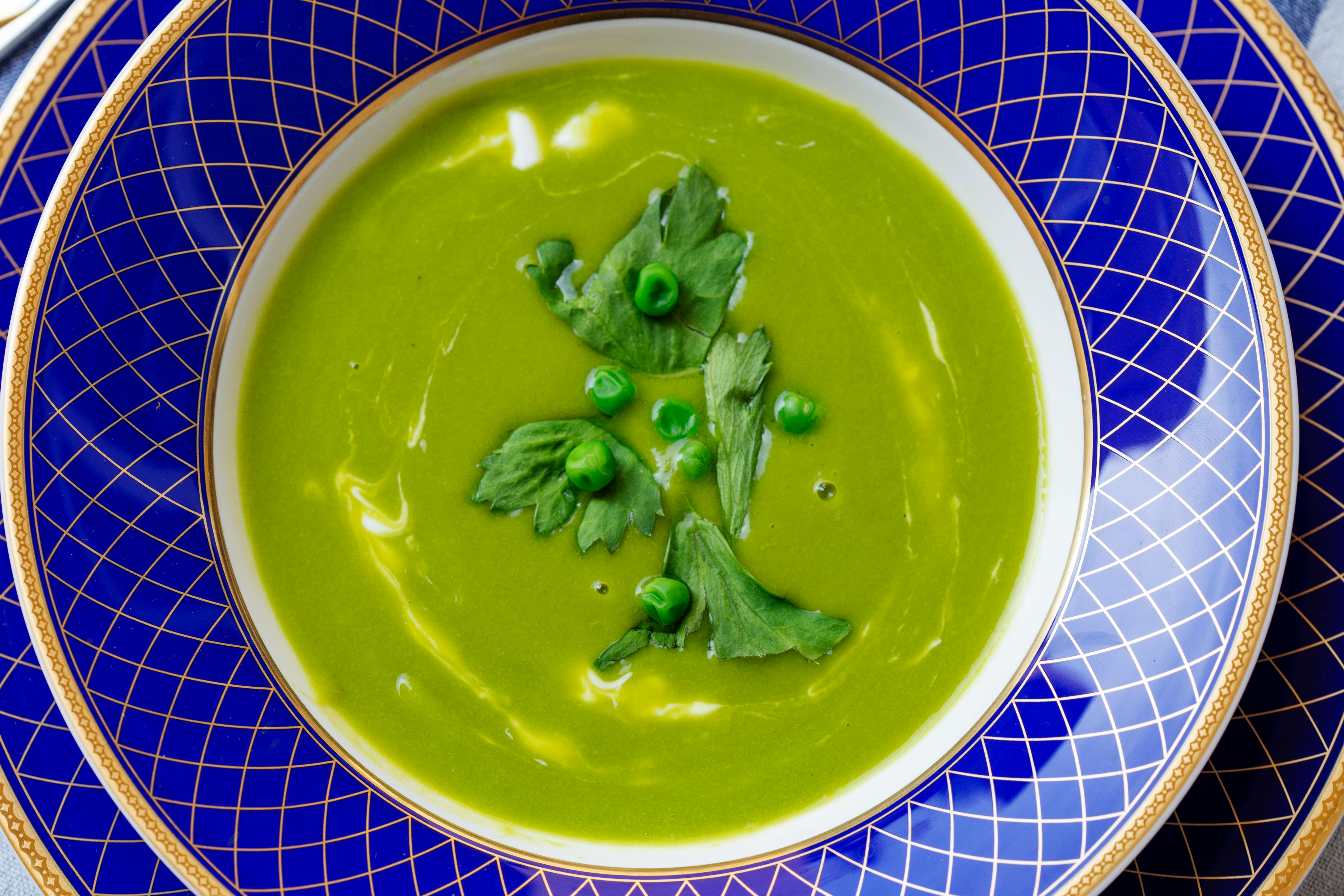
For many older Canadians, this was less a novelty than a pantry constant. Habitant pea soup was one of those dependable canned meals that showed up at lunch, after skating, or on nights when no one wanted to cook from scratch. Thick, filling, and closely tied to French Canadian food traditions, it offered comfort with very little effort.
The brand helped bring a classic split pea soup into kitchens across the country, turning a traditional recipe into an easy shelf-stable staple. It also reflected a time when canned soups were not just backup food but a normal part of family meal planning. Younger shoppers may know artisanal soup bars, but not this iconic can.
TV Dinners in Foil Trays
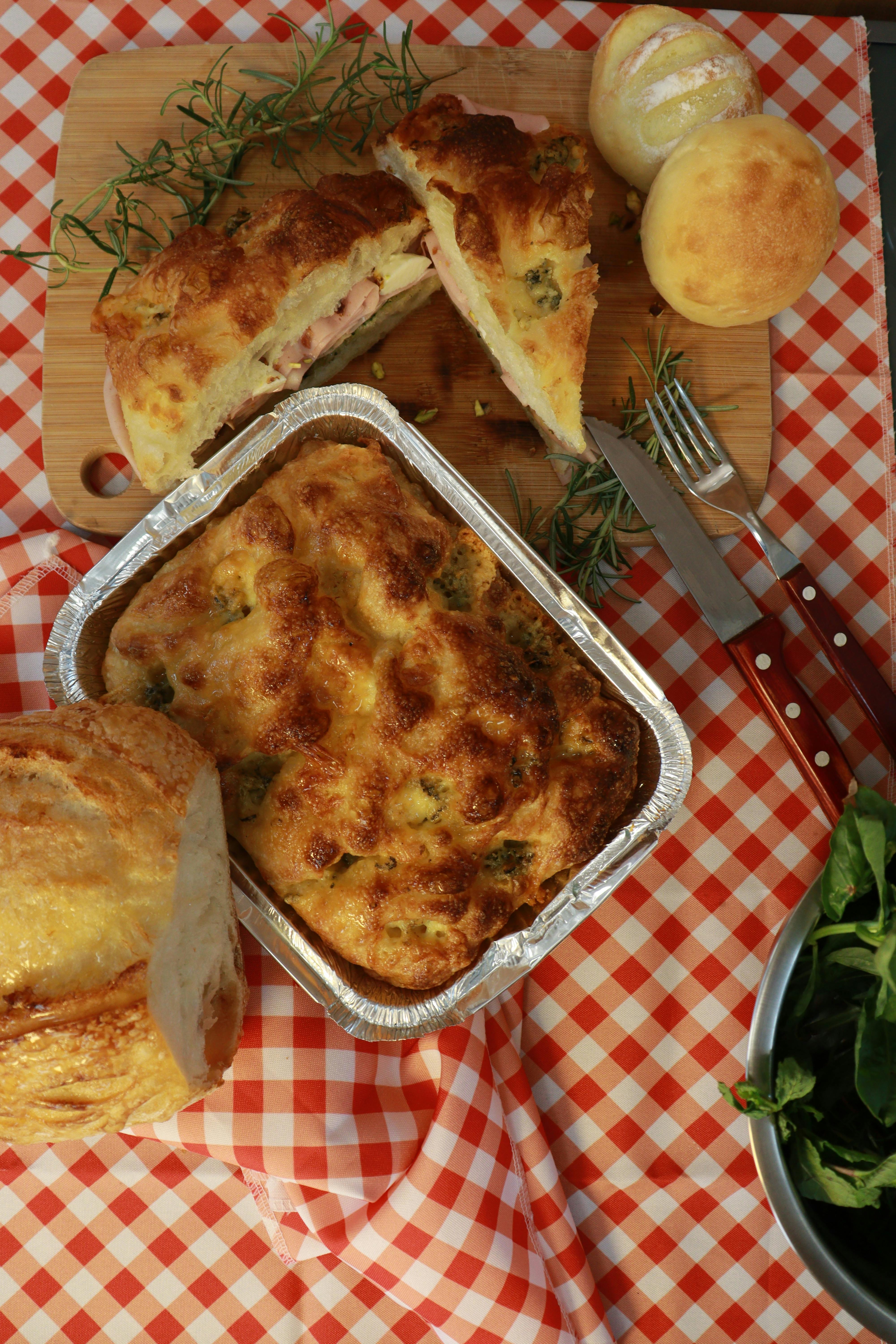
There was a moment when eating from a divided aluminum tray felt futuristic. TV dinners promised convenience, portioned-out variety, and the thrill of having dessert tucked into its own little compartment. In Canadian households, they were tied to busy nights, babysitters, and the novelty of eating in front of the television without much fuss.
These meals were not exactly gourmet, but that was never the point. They reflected a new postwar idea of domestic efficiency, where frozen food technology and modern living went hand in hand. Younger generations know frozen entrées, of course, but the classic foil tray format has become such a relic that it almost feels like kitchen archaeology.
Hostess Pudding Pie

Long before premium bakery cases and gourmet doughnuts took over, Hostess Pudding Pie had a devoted following. It was rich, soft, and unmistakably indulgent, with a chocolatey interior that made it feel more like a treat from a diner than something unwrapped from a snack package. For plenty of Canadian kids, it was the crown jewel of convenience-store dessert choices.
What made it memorable was how over-the-top it seemed compared with standard lunchbox fare. It belonged to a snack era that embraced sweetness without apology and relied on shelf-stable magic to deliver texture and flavour. Many younger Canadians have never seen one in the wild, which only adds to its near-mythic status.
Mojo Candy Bars

Some foods survive mostly through memory, and Mojo is one of them. This chewy candy bar, sold for just a few cents in many corner stores, was a classic impulse buy for Canadian kids with pocket change. It was simple, sticky, and not particularly fancy, but that was part of the charm. It belonged to the era when small treats felt big.
Mojo also says a lot about how snack culture used to work. Corner stores were central, prices were tiny by today's standards, and candy was often chosen with coins counted out by hand. Younger generations know giant chocolate brands and imported sweets, but many have never heard of this humble Canadian favourite.
McCain Deep 'n Delicious Chocolate Cake

This cake was the answer to countless last-minute dessert situations. Found in freezers across Canada, McCain Deep 'n Delicious became famous for its glossy, rippled icing and ultra-soft texture. It did not pretend to be homemade, yet it still earned a place at birthdays, family dinners, and casual celebrations where convenience mattered more than bakery prestige.
Its staying power came from reliability. You could keep one on hand, thaw it when needed, and count on everyone recognizing it instantly. While the brand still exists, its cultural peak belongs to an older generation that remembers when this cake was practically a freezer essential. Younger people may know it vaguely, but not as a household fixture.
Kraft Dinner as a Special Treat

Today Kraft Dinner is still widely known, but older Canadians often remember a very different relationship with it. In many homes, especially when budgets were tight or routines were simpler, KD was not just a quick side dish. It could be the meal kids begged for, the comfort food served on snow days, or the rare dinner that felt fun rather than dutiful.
Its importance came from accessibility and consistency. It was cheap, easy to make, and almost universally recognizable, which helped turn it into a national shorthand for simple comfort. Younger generations may still eat it, but they did not necessarily experience the same era when it carried near-iconic status as a childhood event.
Carnation Instant Breakfast

For a generation raised on rushed mornings, Carnation Instant Breakfast felt like a smart solution. Mixed with milk and sold as a quick nutritional boost, it was often handed to teens running late, picky eaters, or anyone who skipped a proper breakfast. It sat at the intersection of convenience, health marketing, and the growing belief that busy families needed efficient food shortcuts.
Its popularity reflected changing routines in Canadian households, where two working parents, school schedules, and commuting all reshaped morning meals. The idea of drinking breakfast now feels familiar in the age of protein shakes, but this was an earlier version with a distinctly retro sensibility. Many younger Canadians know smoothies, not this pantry staple.




Leave a Reply