
Protein went from gym-bro shorthand to full-blown grocery store obsession, landing in cereals, desserts, coffee, and even chips. For shoppers in Canada, the promise sounded simple: more grams, better choices, no sacrifice. But after enough chalky spoonfuls and oddly sweet bites, many people have stopped playing along and started asking a fair question: does everything really need extra protein?
Protein Cereal
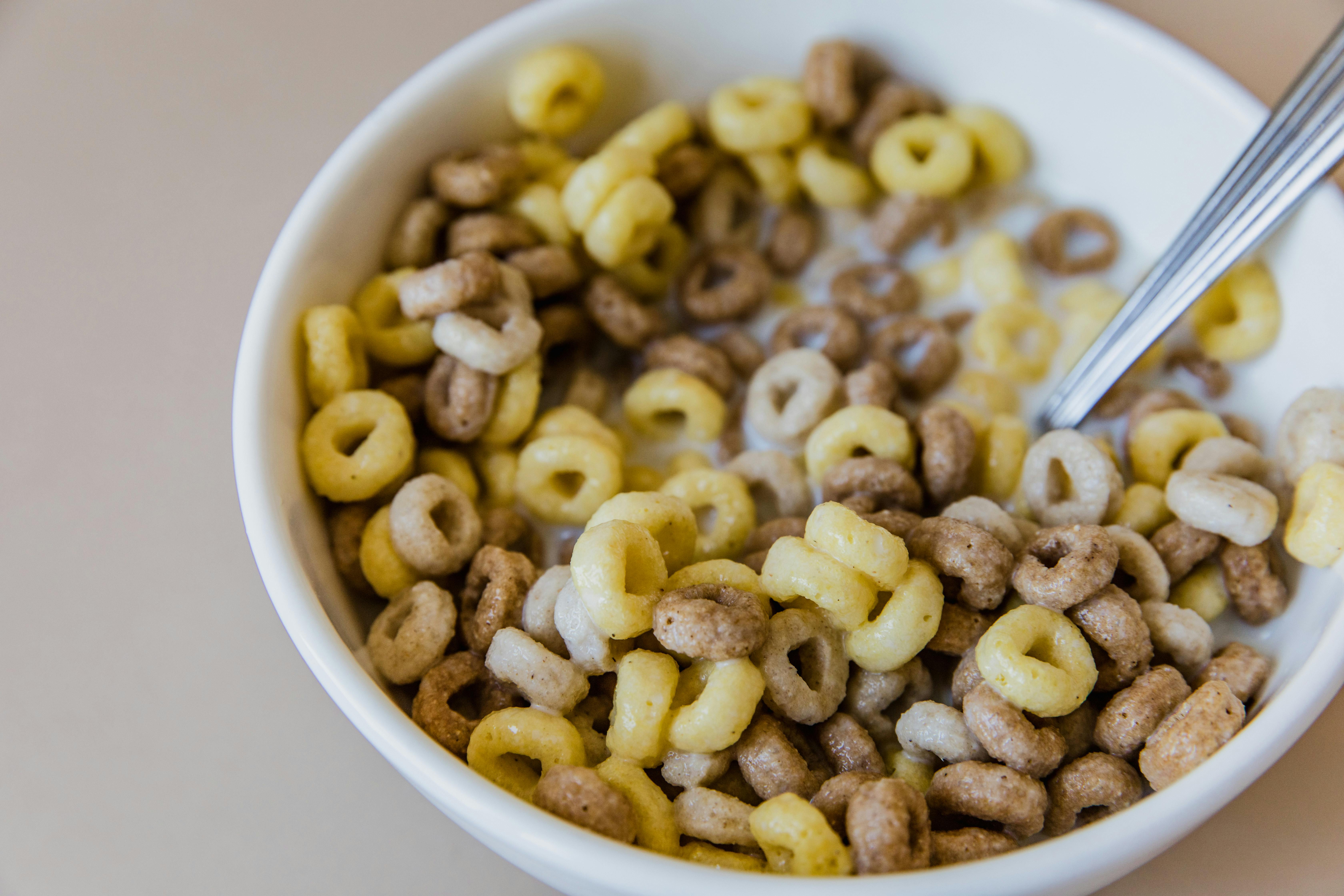
Breakfast was supposed to be the easy meal, but protein cereal turned it into a texture test. The box usually promises double-digit grams, less sugar, and serious staying power. What it often delivers is a bowl full of crunchy little puffs that go from oddly hard to oddly soggy in record time.
The bigger issue is flavor. Many versions lean heavily on sweeteners and milk powder to mimic familiar cereal taste, yet still leave a dry, dusty finish. In Canada, where shoppers compare every pricey box to ordinary cereal or plain oats, the value question lands fast. A breakfast that tastes like a compromise rarely becomes a repeat purchase.
Protein Ice Cream

Few products overpromised harder than protein ice cream. It entered freezers claiming to be dessert, fitness food, and guilt-free indulgence all at once. The problem is that removing the richness people expect from ice cream leaves behind a frozen product that can feel airy, gummy, or strangely elastic.
A lot of brands rely on stabilizers and sugar substitutes to keep calories down while pushing protein up. That formula may help the label, but it often hurts the spoonful. Instead of creamy payoff, you get a cold sweetness followed by a faint whey aftertaste. Canadian shoppers, already paying premium freezer prices, have become less willing to call that a treat just because the tub says high protein.
Protein Chips
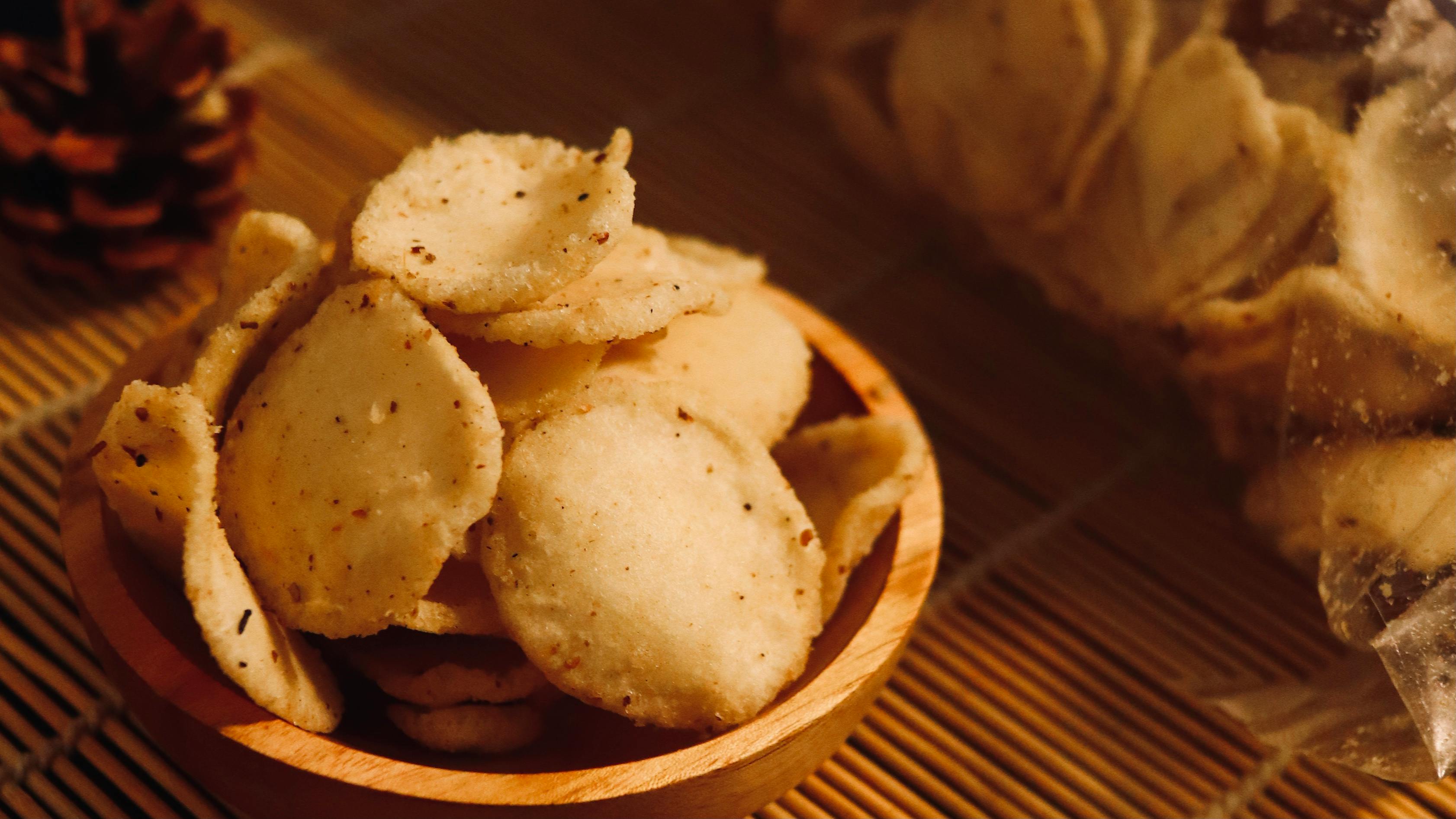
Chips were never meant to be a self-improvement exercise, yet here we are. Protein chips took a snack defined by crunch and salty satisfaction and rebuilt it from powders and isolates. The result can look familiar, but one bite usually gives away the difference.
Instead of the clean snap of a potato chip or tortilla chip, many protein versions have a puffed, compressed texture that feels engineered. Flavors like nacho, barbecue, and sour cream try to cover the base taste, though the seasoning often lands too sharp or too artificial. In Canada, where regular chips are cheaper and frankly more enjoyable, people are increasingly choosing honesty over macros in a crinkly bag.
Protein Pancake Mix

Pancakes are supposed to be soft, fluffy, and a little indulgent. Protein pancake mixes approach the same plate with a far more serious mission, usually replacing part of the flour with whey, pea protein, or egg white powder. That swap changes the personality of the whole stack.
Even when the batter looks promising, the cooked result can be dense and slightly rubbery, especially if the mix is low in sugar and higher in added fiber. You taste the effort. Maple syrup helps, fruit helps, butter definitely helps, but those fixes also expose the main issue: if a pancake needs rescue, it probably is not delivering on taste alone. Canadian breakfast lovers have noticed.
Protein Coffee Drinks
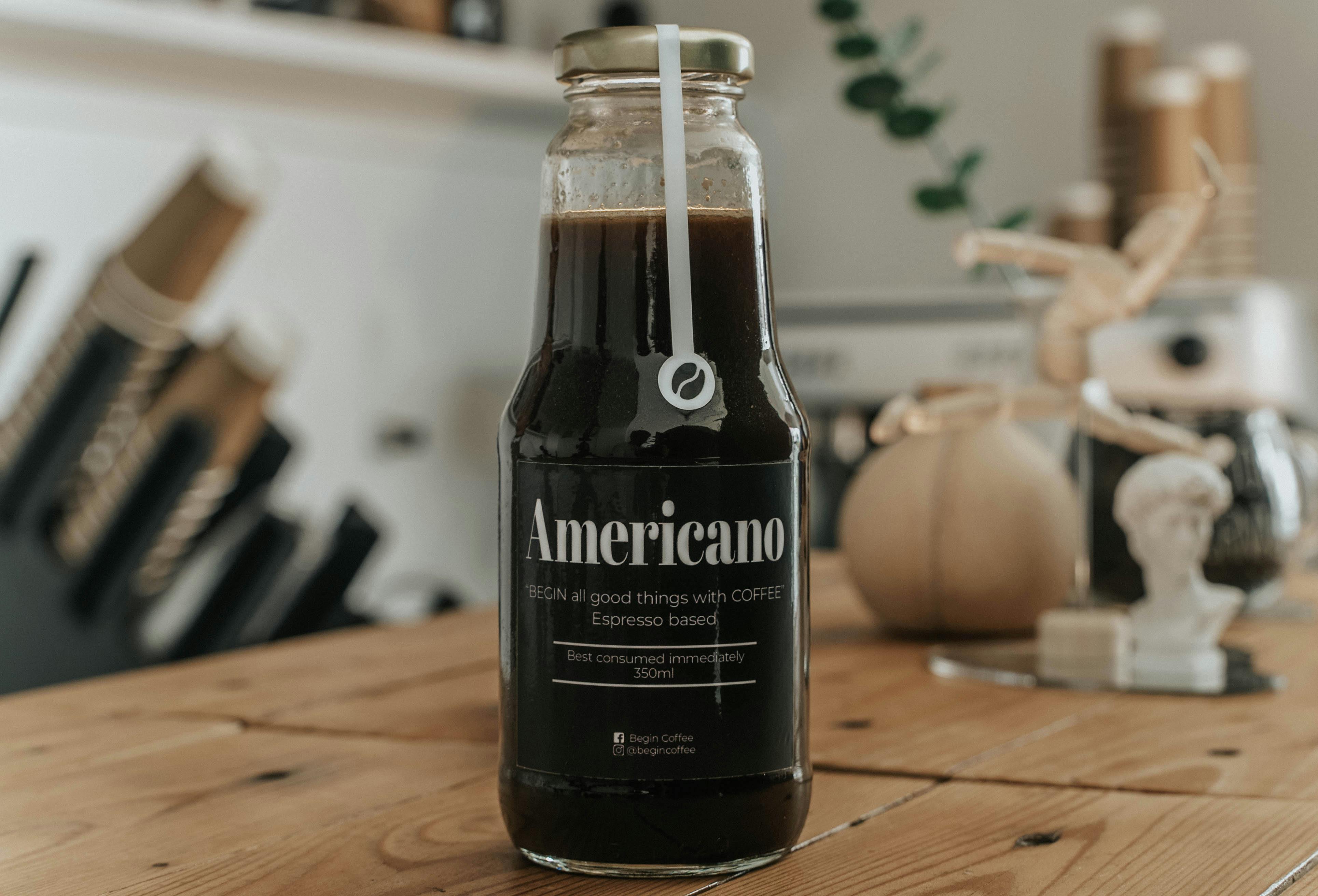
Coffee asks for balance, not bodybuilding. Yet protein coffee drinks keep trying to merge café culture with meal replacement logic, often in bottled form. On paper, the pitch sounds smart: caffeine plus protein in one grab-and-go bottle. In practice, the drink can taste like sweetened iced latte filtered through a shaker cup.
Milk proteins and coffee do not always play nicely, especially in shelf-stable products. The texture may turn thick, chalky, or faintly gritty, while sweeteners push the flavor toward dessert rather than coffee. For Canadian consumers who care about their morning cup, that trade-off feels glaring. A decent iced coffee and a normal breakfast usually win over a beverage that tastes confused.
Protein Yogurt Desserts
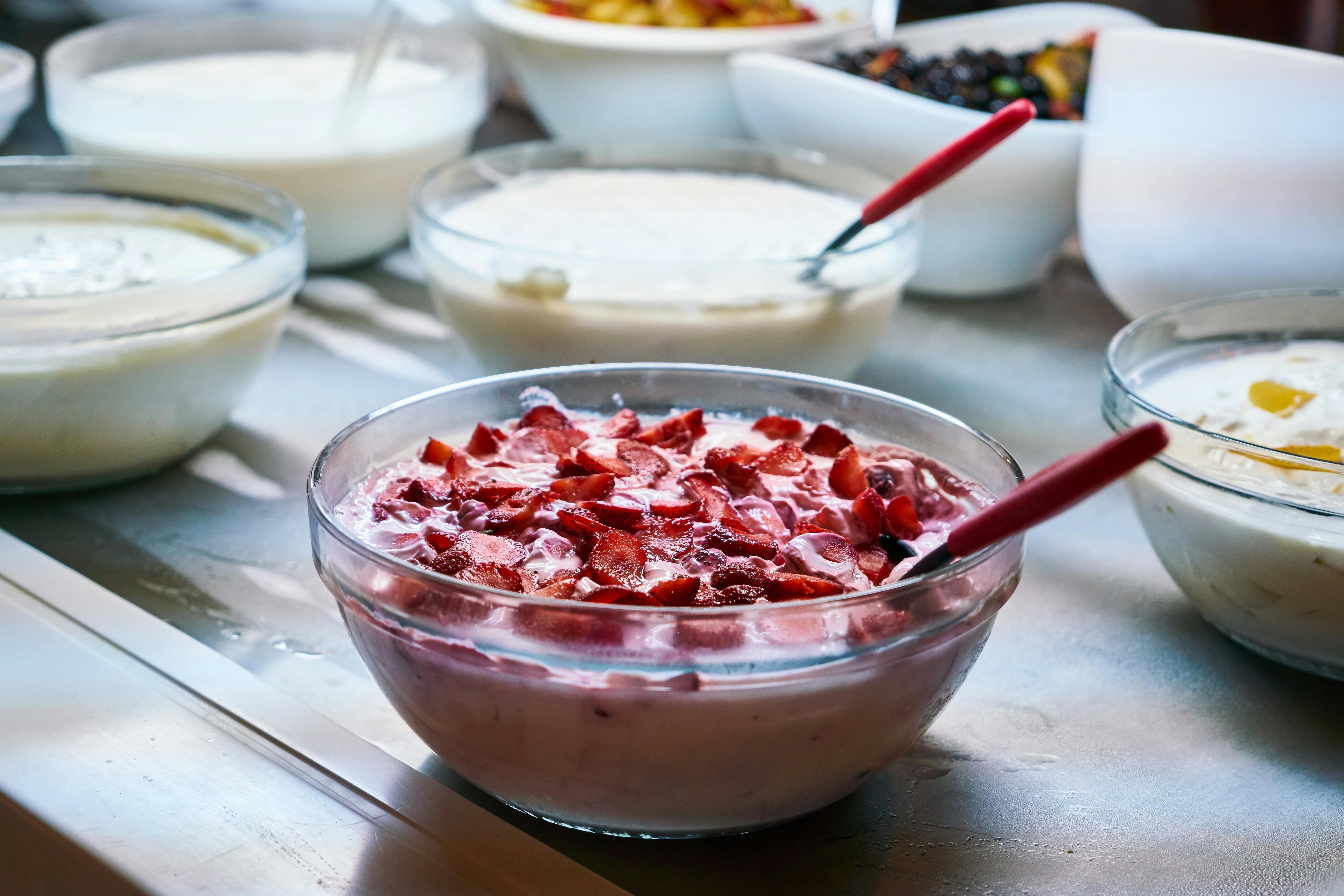
Yogurt already had protein before the food industry decided to make it a personality trait. The newer dessert-style protein yogurts come in mousse, pudding, and whipped forms, promising cheesecake vibes with gym-friendly numbers. The first spoonful can be pleasant enough, but the illusion often fades quickly.
To hit the target, brands tend to intensify sweetness and thicken the base until it feels more processed than dairy-like. Some versions are glossy and dense, while others have that unmistakable powdery finish that lingers after cold foods should have disappeared. Canadian shoppers have plenty of solid yogurt options, including plain Greek styles that need no reinvention. That makes the engineered dessert cup harder to defend after the novelty wears off.
Protein Cookies
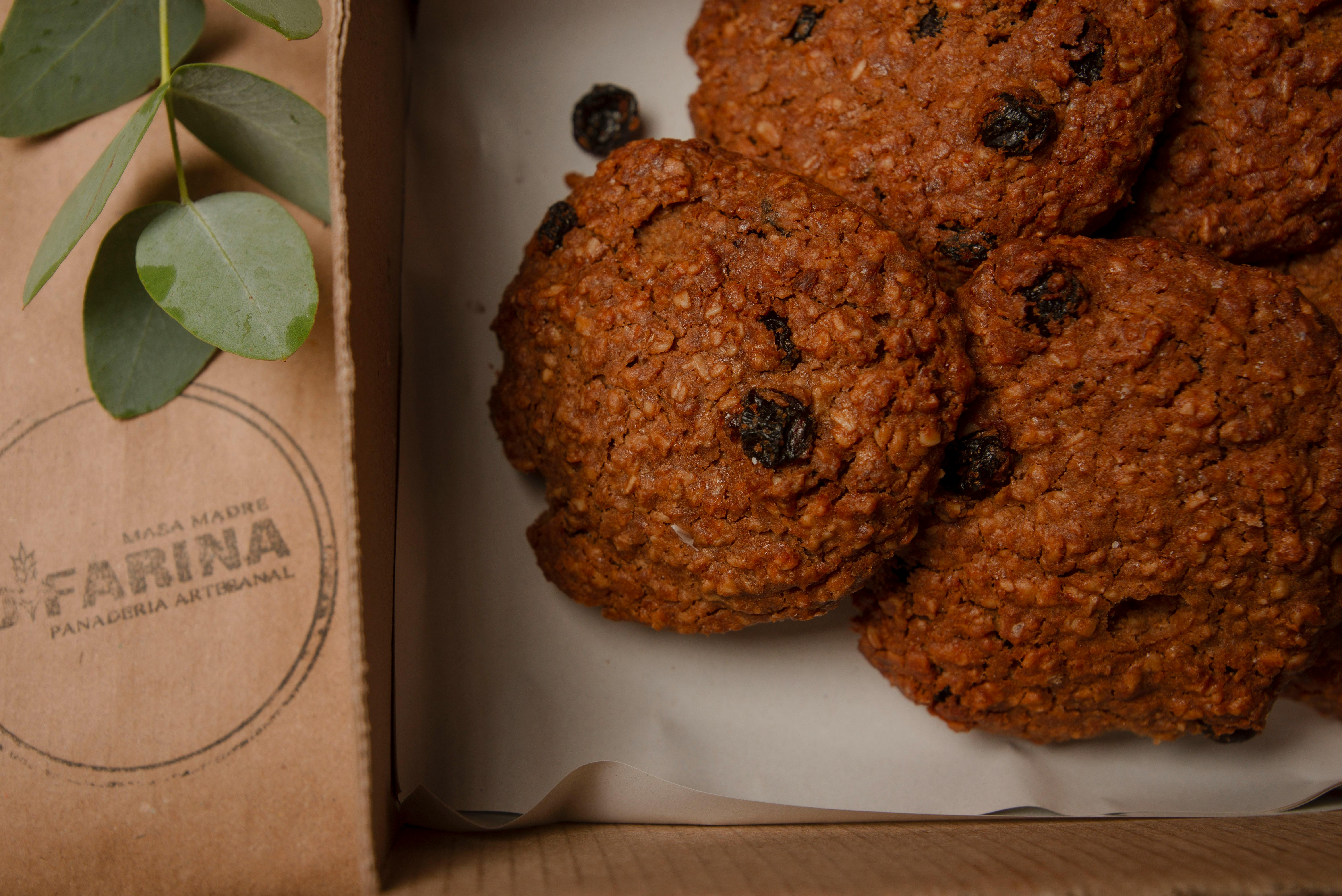
A cookie has one job, and it is not to support your macros. Protein cookies keep trying to split the difference between treat and supplement, but the compromise shows up immediately in the bite. The texture can be heavy, cakey, or oddly sticky, as if the dough never fully decided what it wanted to be.
Most rely on protein blends, fibers, and sweeteners that make the ingredient list longer than the pleasure lasts. Chocolate chip and double chocolate are common cover stories, yet the base flavor still peeks through. In Canada, where bakery cookies and ordinary packaged cookies are easy to find, people have become less interested in paying extra for something that tastes like a dense emergency ration.
Protein Pasta

Pasta may be one of the clearest examples of nutrition goals colliding with pleasure. Traditional pasta is prized for bounce, chew, and the way it carries sauce. Protein pasta, often built from legumes or boosted with isolates, can certainly raise the grams, but the eating experience is rarely identical.
Some versions hold up well enough, but many turn soft on the outside and firm in the middle, or bring an earthy note that clashes with delicate sauces. Even when the label looks impressive, the bowl can feel less comforting and more corrective. Canadian shoppers who expected a seamless swap often found a product that works best when covered aggressively, which is not exactly a ringing endorsement.
Protein Bread
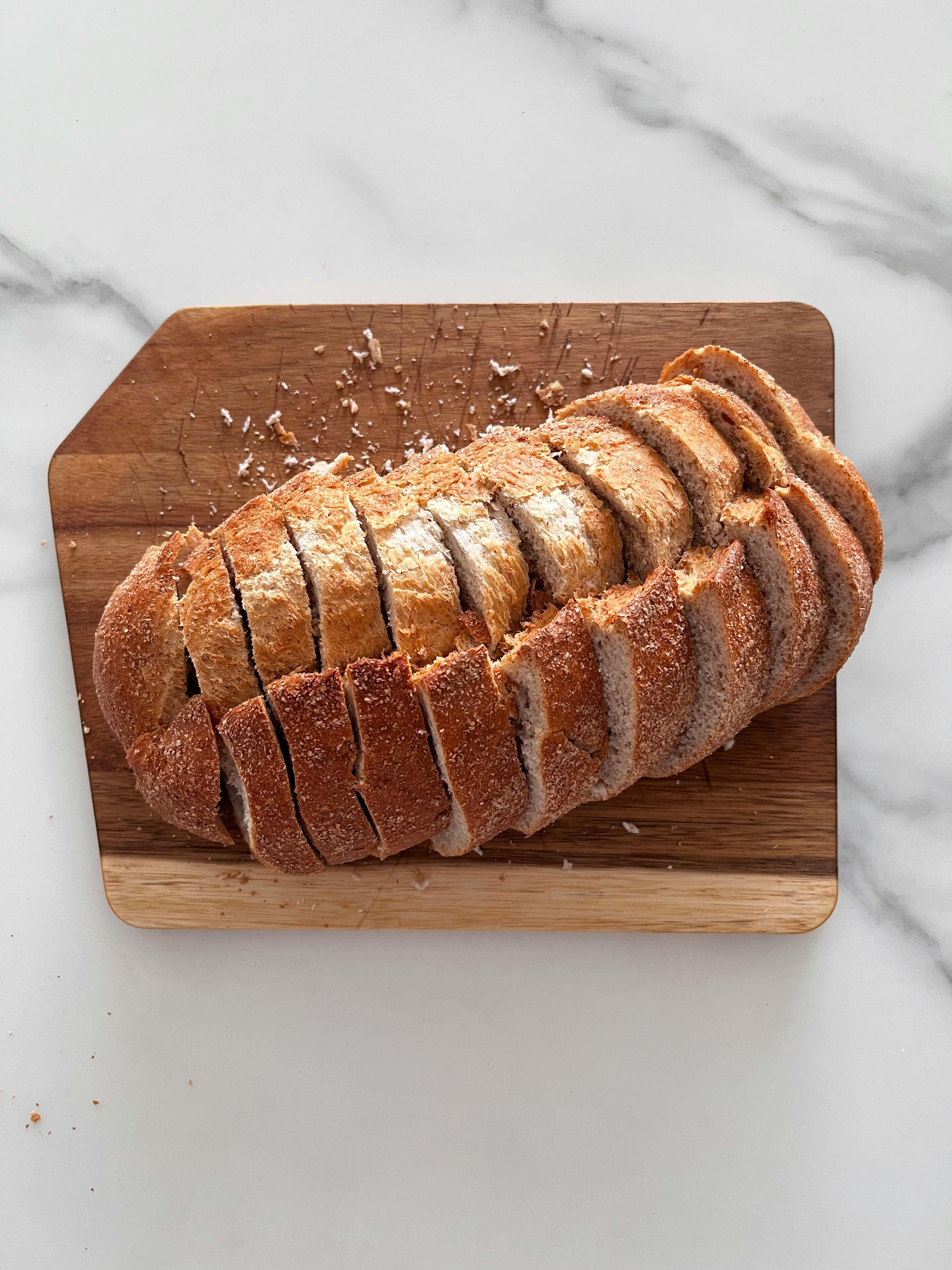
Bread has become a battleground for every modern health claim, and protein bread is one of the most ambitious examples. It aims to be sandwich-friendly, low-carb adjacent, and muscle-conscious at once. To get there, manufacturers often add wheat gluten, soy, seeds, or protein concentrates that shift both taste and structure.
The result can be sturdy to the point of exhaustion. Slices may feel dry, dense, or strangely spongey, with a nutty bitterness that overpowers simple fillings. Toasting helps, but only up to a point. For Canadians used to good bakery loaves, hearty whole grain breads, or even reliable supermarket sandwich bread, the fortified version can seem like a joyless rewrite of something that was already doing fine.
Protein Oatmeal Cups
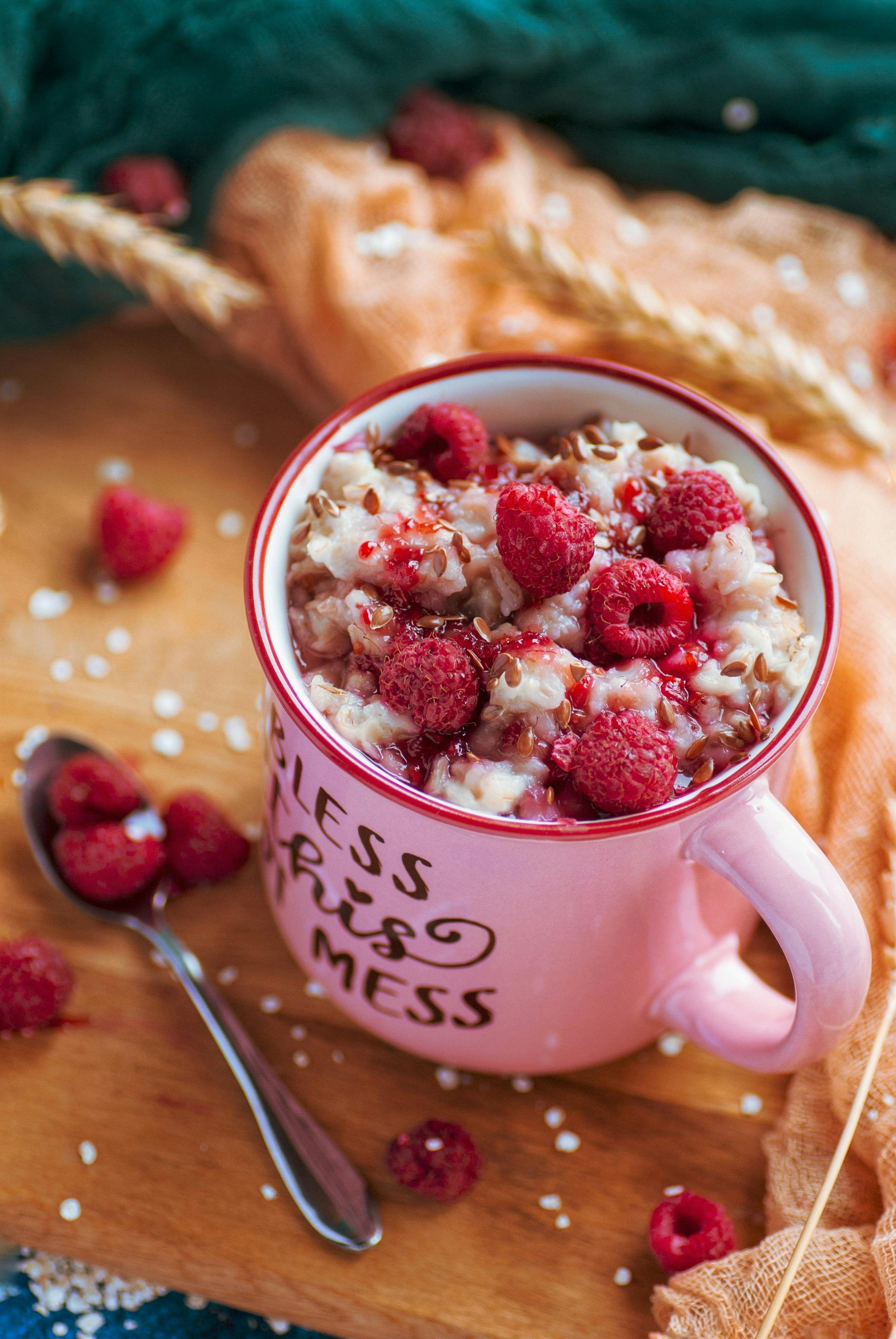
Instant oatmeal was once the uncomplicated hero of rushed mornings. Protein oatmeal cups tried to upgrade that ritual by adding isolates and extra fibers, but the trade often shows up in the spoon. Instead of a creamy bowl with natural grain sweetness, you can end up with a paste that tastes both overly flavored and slightly unfinished.
The common trick is to lean hard on cinnamon, maple, apple, or brown sugar notes to mask the protein base. Sometimes that works for a few bites. Then the chalkier aftertaste appears, especially as the cup cools. Canadian consumers comparing these cups with regular oats, which are cheap and adaptable, often conclude that a scoop of nut butter would have been the smarter move.
Protein Water

If there is a peak example of adding protein to everything imaginable, protein water might be it. It takes the clean, refreshing idea of flavored water and asks it to carry a nutrient that naturally wants creaminess, body, and food context. That mismatch is hard to hide.
Most versions use clear whey protein isolates to keep the drink translucent and light, but the flavor often lands somewhere between sports drink and diluted candy. There is also a faintly medicinal edge that water simply cannot disguise. For Canadian shoppers, especially those who already have access to shakes, yogurt, and ordinary meals, protein water can feel less like innovation and more like a solution in search of a problem.




Leave a Reply