
Summer fast-food competition is heating up fast. Wendy's appears ready to turn a clever rewards strategy into a broader seasonal win.
Wendy's is using scarcity to create buzz at exactly the right time
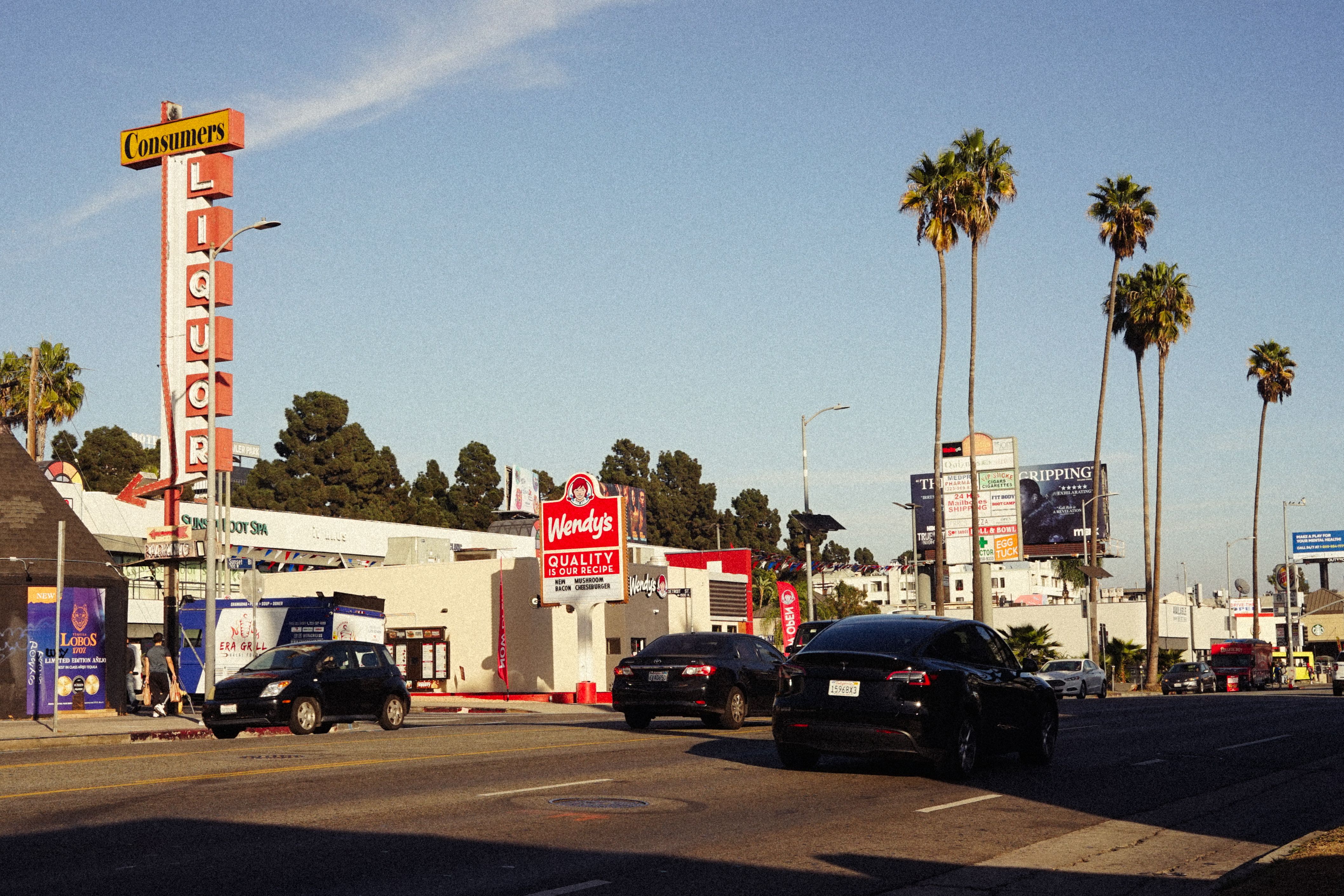
The chain's new Wendy's Rewards Drops program arrives at a moment when restaurant brands are fighting for attention beyond the menu board. According to reporting highlighted by Allrecipes, Wendy's will release four limited-edition items over four weeks, beginning May 13 and continuing each Wednesday through June 3. Each drop opens at 3 p.m. ET in the Wendy's app and remains available for just one hour, with quantities limited on a first-come, first-served basis.
That structure matters because scarcity is one of the most reliable tools in modern consumer marketing. Limited windows create urgency, while short supply gives even simple products the feel of collector's merchandise. For fast-food brands, that urgency can translate into app downloads, account sign-ups, and repeat customer attention, all of which carry value far beyond the item being offered.
This also reflects a larger trend in quick-service dining. Restaurants are no longer only selling burgers, tacos, or coffee. They are selling participation, identity, and the feeling of getting access to something before everyone else. In that environment, a timed digital drop can generate the same social chatter that a new menu launch once did.
For Wendy's, summer is the ideal season for this kind of play. Warmer weather already lifts demand for cold drinks, Frosty treats, and spontaneous dining trips. Add a weekly "don't miss it" event, and the brand gains repeated reasons to bring customers back into its digital ecosystem.
The four limited-edition items are designed to feel collectible, not random

A promotional campaign works best when the merchandise feels intentional, and Wendy's lineup does. The first item, a reusable blue-and-white striped tote bag featuring the Frosty mascot, taps into both seasonal style and brand recognition. It is functional, summery, and instantly tied to one of Wendy's most recognizable products, which makes it more appealing than generic branded swag.
The second week introduces three charm bracelets with distinct themes: Fresh, Never Frozen Hamburgers; Frosty & Fries; and Spicy Chicken. That is a smart move because it lets fans choose the part of the Wendy's identity they connect with most. Instead of one broad item, the brand is effectively segmenting its audience through merchandise, which can make the drop feel more personal.
On May 27, Wendy's shifts into sports culture with an F.C. Soccer Jersey. That timing is notable because soccer apparel carries lifestyle value well beyond the game itself, especially in summer. Jerseys are wearable, visible, and highly social, making them one of the strongest merchandise categories for brand exposure.
The final item, a Canon Powershot G7X Mark III digital camera, raises the stakes significantly. It gives the campaign a headline-grabbing finish and adds a premium aspirational element. Even customers who are not interested in every weekly item may stay tuned because the closing drop feels materially more valuable and harder to ignore.
This is more than merch because it is really a digital loyalty strategy
At first glance, the campaign may look like a playful giveaway. In practice, it is a loyalty funnel designed to deepen Wendy's relationship with app users. To participate, customers must sign up for or log into a Wendy's Rewards account, and they are encouraged to enable push or email notifications so they can receive the drop link just before each release goes live.
That process gives Wendy's several strategic advantages. First, it builds its first-party customer database, which is increasingly important as brands seek direct communication channels. Second, it trains users to return to the app on a recurring schedule, creating habits that can later support food promotions, personalized offers, and mobile ordering behavior.
This approach also mirrors the digital tactics that have become standard across retail, fashion, and entertainment. Exclusive access is no longer reserved for premium brands. Fast-food chains now understand that if they can make customers feel like insiders, they can build stronger loyalty than price discounts alone often deliver.
There is another practical benefit as well. Once customers are in the app, Wendy's has the opportunity to cross-promote menu items, limited-time offers, combo deals, and delivery options. A customer who opens the app for a bracelet or tote bag may easily end up buying lunch, and that makes the campaign far more commercially meaningful than it first appears.
Wendy's is clearly competing in the same cultural lane as Taco Bell
The promotion has also drawn attention because it resembles a style of activation that Taco Bell has used effectively. As noted in the source material, Taco Bell has built excitement around its Tuesday Drops, while Wendy's is now launching its own scheduled rewards-based merchandise release. In the current fast-food environment, those similarities are not accidental. Chains are watching one another closely and adapting successful formats quickly.
That does not mean Wendy's is merely copying. It means the brand recognizes where consumer energy is moving. Taco Bell has long excelled at turning its menu and identity into pop culture, merchandise, and internet conversation. For a burger chain to enter that space more aggressively suggests that the competitive battleground has expanded far beyond food alone.
This is part of a wider industry pattern. McDonald's has also pushed deeper into trend-driven beverages and social-media-friendly launches, while chicken and burrito chains continue to respond rapidly to each other's innovations. The result is a market where menu competition and brand culture are now deeply connected.
Wendy's may be especially well positioned here because it already has a strong, recognizable voice. The company's playful tone, familiar product icons, and broad appeal give it the raw material needed to make merchandise drops feel natural rather than forced. That authenticity can make a meaningful difference when consumers decide which campaigns are worth following.
The timing points to a smart summer business play, not just a marketing stunt

The summer window is important because fast-food brands often see increased opportunity around travel, school breaks, sporting events, and casual social gatherings. People are out more, spending more impulsively, and making more unplanned food stops. A weekly digital drop fits neatly into that rhythm, especially when it creates a reason to check the app during the middle of the week.
Merchandise also works particularly well in summer because many of the best items are portable and visible. A tote bag goes to the beach or farmers market. A soccer jersey gets worn to games, barbecues, or festivals. Even the camera plays into the season's habit of documenting trips and outings. These are items with a natural chance to be seen in public and shared online.
From a business standpoint, that visibility matters. When customers post or wear branded merchandise, they extend the campaign's reach without Wendy's paying for every impression through traditional advertising. In effect, the products themselves become media, especially if supplies are limited enough to spark conversation about who managed to get one.
The one-hour weekly window is also operationally smart. It concentrates attention into a predictable moment and makes the event feel live. That kind of appointment-style interaction is rare in restaurant marketing, which is exactly why it can stand out and cut through a crowded promotional season.
What this could mean for Wendy's momentum and for fast food more broadly

If the campaign performs well, Wendy's could gain more than a few viral moments. It could strengthen app adoption, increase loyalty engagement, and reinforce the idea that the brand belongs in the same cultural conversation as chains known for highly creative promotions. That would be especially valuable heading into the busiest stretch of summer dining, when attention is fragmented and competition is fierce.
The larger lesson is that quick-service restaurants are evolving into lifestyle brands in real time. Food remains the core product, but digital access, merchandise, and collectible experiences are becoming important tools for winning younger consumers and keeping regular customers active. Wendy's seems to understand that modern loyalty is built through engagement, not just coupons.
There is also room for the strategy to expand. A successful run of drops could lead to future seasonal collections, collaborative merchandise, or tie-ins with menu launches. Once customers learn that the app can offer more than points and discounts, the brand has a stronger platform for experimentation.
For now, the four-item summer series looks like a sharp and well-timed move. Wendy's is not just offering merch. It is testing how far fandom, exclusivity, and digital convenience can carry a fast-food brand during one of the most competitive times of year.



Leave a Reply