
Anyone who has eaten at the same fast-food chain in both countries has noticed it. The logos match, the menu boards look familiar, yet the food often does not taste quite the same.
It starts with the uncomfortable truth that "the same brand" does not mean the same food
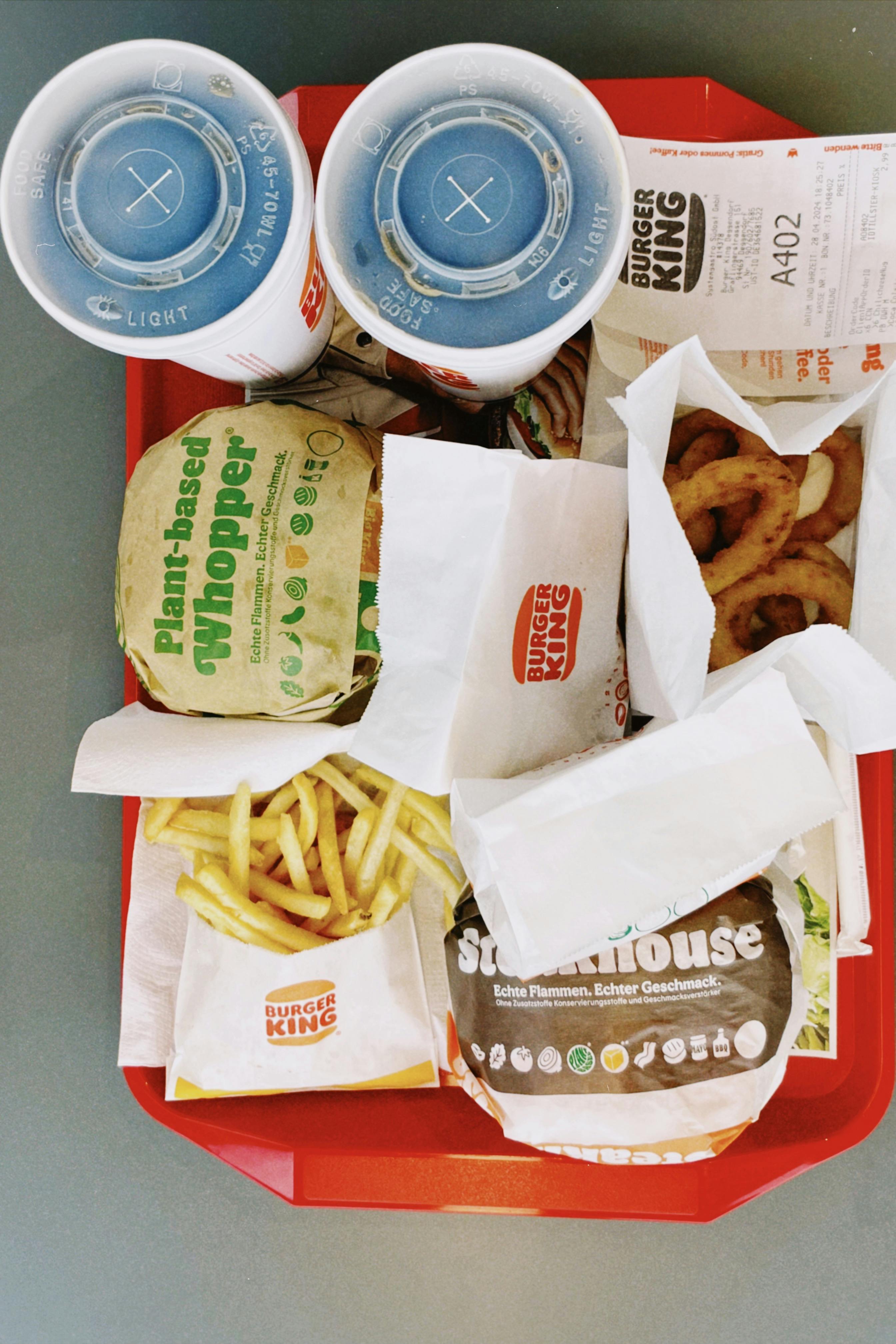
People often assume a global or North American chain is serving an identical product everywhere. In practice, fast food is built on standardized branding, not perfectly identical ingredients. A burger from McDonald's, Wendy's, KFC, or Subway may follow the same broad formula in Canada and the United States, but the inputs can differ enough to change flavor, texture, aroma, and aftertaste.
That gap begins with supply. Chains source beef, chicken, potatoes, dairy, bread, and sauces through regional suppliers that meet local rules and local cost realities. Even when a company insists its recipes are "the same," the flour protein, the fat blend in frying oil, the cheese composition, and the seasoning mix can vary. Those are not tiny details. In fast food, tiny shifts are the whole product.
Executives rarely spell this out in plain language because it complicates the brand promise. Companies want customers to believe in consistency across borders, while also adapting to local laws, ingredients, and tastes. So they use careful phrasing such as "prepared to our standards" or "made with the same quality expectations," which sounds definitive without actually saying the food is identical.
The biggest difference is often regulation, especially around additives, dairy, and meat processing
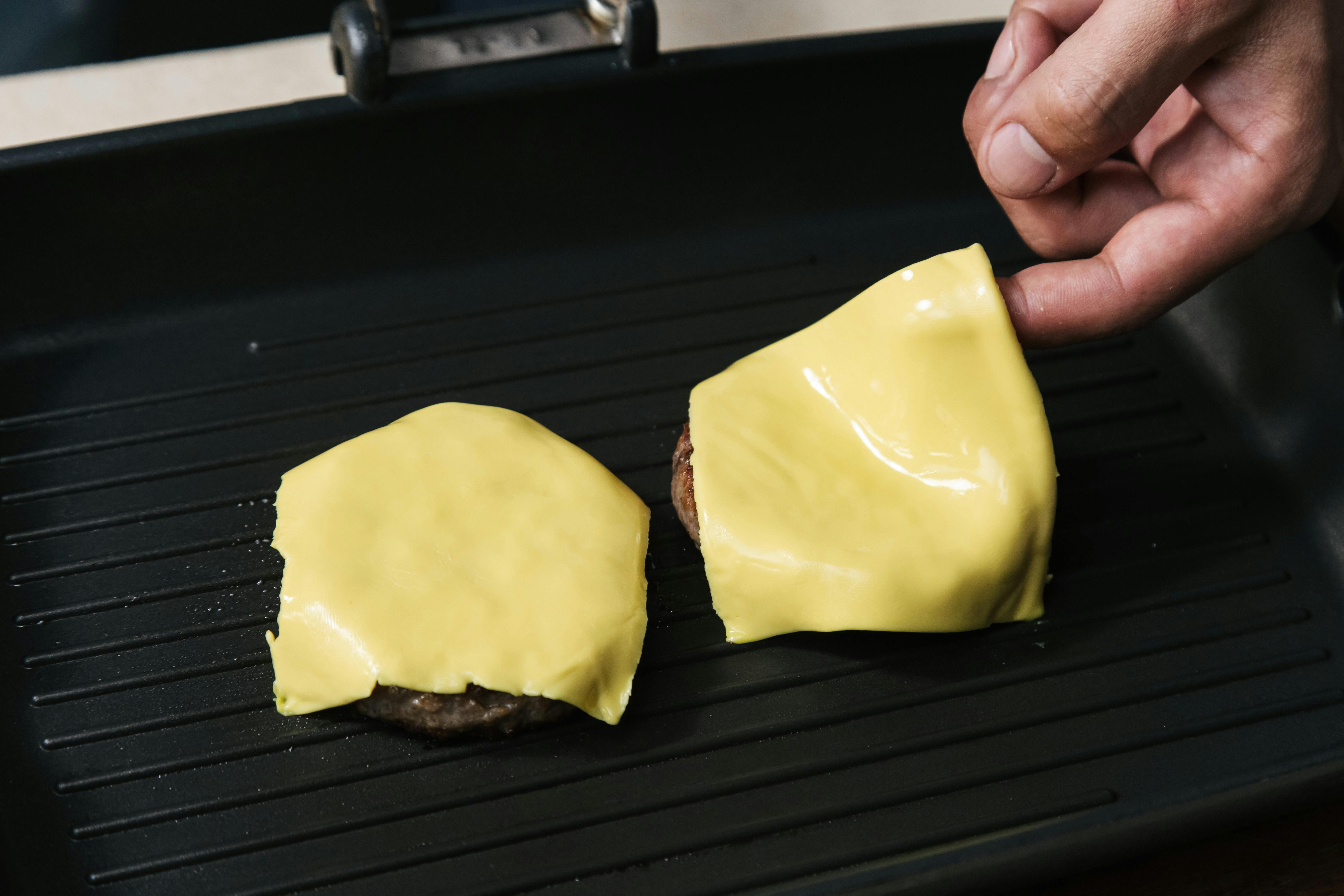
A simple way to understand the taste gap is this: Canada and the United States do not regulate food in exactly the same way. Health Canada and the Canadian Food Inspection Agency have their own standards for labeling, ingredient approvals, dairy composition, and meat handling. The U.S. Food and Drug Administration and the U.S. Department of Agriculture operate under a different system, and that creates real sensory differences.
Cheese is one of the clearest examples. Processed cheese slices, soft-serve mixes, and milk-based sauces can vary because Canada has distinct dairy rules and a supply-managed dairy sector that affects sourcing and formulation. A chain may use cheese that melts differently or tastes sharper in Canada, even if the sandwich is marketed under the same name. Customers often describe Canadian versions as richer, less salty, or more "real," and dairy is a major reason.
Additives also matter. Certain colorings, preservatives, and dough conditioners have faced different scrutiny or usage patterns in the two countries. Fry coatings, bun improvers, and shelf-life stabilizers can subtly alter flavor and mouthfeel. Companies seldom frame these changes as a response to regulation because that invites consumers to ask a harder question: if a cleaner or different formulation is possible in one country, why not everywhere?
Potatoes, oil, and bread quietly change the entire meal even when nobody notices
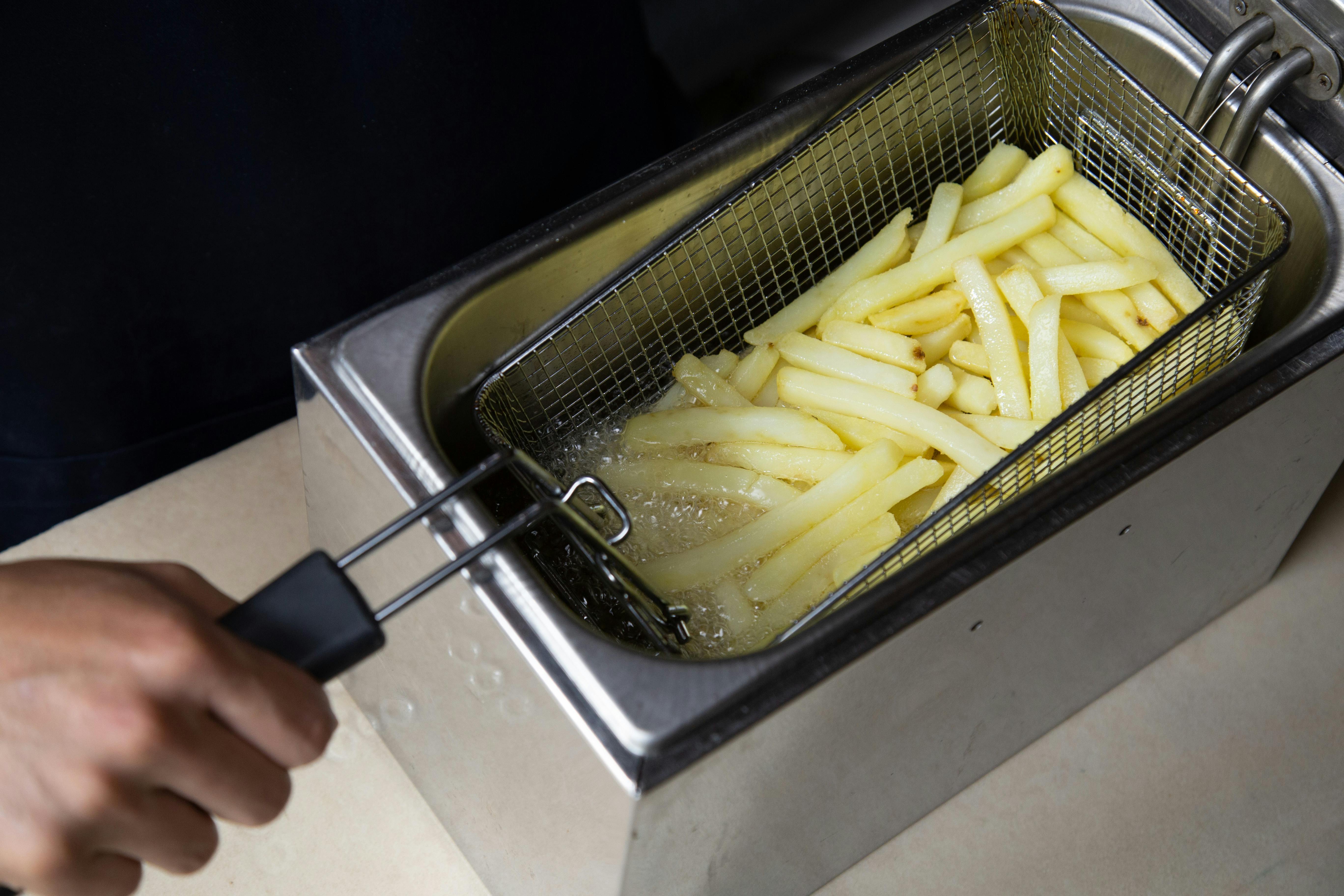
Most people focus on the burger patty or chicken sandwich, but fries and buns often explain the taste difference faster than meat does. Potatoes vary by region, crop year, sugar content, and storage conditions. A fry made from potatoes grown and processed for Canadian distribution can brown differently, stay crisp for a different length of time, and carry salt in a noticeably different way.
Then there is frying oil. Over the years, fast-food chains have repeatedly changed oils in response to cost pressures, trans fat rules, health campaigns, and supplier availability. If the blend used in Canada differs from the one used in the United States, even slightly, the flavor profile shifts immediately. People may describe one version as cleaner, heavier, nuttier, or less greasy without knowing they are really tasting the oil.
Bread matters just as much. Flour sourced in Canada can have different baking characteristics than flour milled for American operations. Sugar levels, dough conditioners, sesame seed handling, and bun toasting procedures all contribute to the final taste. Because buns carry sweetness, aroma, and texture in every bite, even a small adjustment can make a burger seem better, blander, or simply unfamiliar.
Canadian sourcing and local taste testing shape menus more than the companies like to admit

Chains do not just react to rules. They also respond to what local customers actually prefer, and Canadian consumers do not always reward the exact same flavor profile as Americans. In blind testing and product development, companies routinely adjust seasoning intensity, sweetness, salt, sauce thickness, pickle profile, and portion balance to improve repeat purchases in a given market.
This is why some Canadian menu items feel slightly less aggressive in flavor while others taste more savory or more dairy-forward. A sauce that is punchier in the United States may be toned down in Canada. A breakfast item may lean more heavily on bacon quality or bread texture because research showed those details matter more to Canadian buyers. The chain will still present the item as part of the same family, but the formula may have been quietly localized.
Tim Hortons and A&W Canada help explain the broader landscape. Both have built strong followings around being tuned to Canadian expectations, especially in coffee, breakfast, and beef positioning. American chains operating in that environment cannot ignore those preferences. They may never announce that they reformulated for the Canadian palate, but market behavior strongly suggests they do it all the time.
The industry's non-answer is strategic because honesty would raise awkward questions about quality

When customers ask why the food tastes different, companies usually answer with some version of "regional sourcing can create slight variations." That is true, but it is also incomplete. It avoids discussing whether one country gets a better ingredient mix, a different preservative load, or a more appealing formulation because of regulation, procurement, or consumer expectations.
There is a strong business reason for keeping the answer vague. If a chain openly admitted that its fries taste better in Canada because of a different oil program, or that its cheese tastes better because of local dairy sourcing, American customers would want the Canadian version. If it said the U.S. product relies on additives not used elsewhere, the brand would face a public relations headache overnight.
The result is a carefully managed gray area. Companies promise consistency at the brand level while preserving flexibility at the operational level. That allows them to optimize cost and compliance market by market. It also ensures that consumers are left comparing experiences on their own, often concluding correctly that the difference is real even when no one in the industry wants to define it too precisely.
In the end, the cross-border taste gap is real, measurable, and unlikely to disappear
Food scientists would not find this mystery especially mysterious. Flavor is the sum of ingredients, processing, storage, cooking equipment, hold times, water composition, and human perception. Change any one of those variables and the result shifts. Change several at once, as fast-food chains routinely do across borders, and consumers are bound to notice.
There are also practical factors inside the restaurant. Kitchen calibration, oil filtration habits, freezer logistics, training standards, and product turnover rates differ by market and by franchise group. A Canadian location with fresher turnover on one item may produce a better-tasting version than an American unit using the same nominal recipe. Operational consistency is never as absolute as advertising suggests.
So the reason American fast food tastes different in Canada is not one hidden secret ingredient. It is a stack of differences that companies prefer to describe only in the broadest possible terms. Regulations, local sourcing, reformulation, taste testing, and franchise execution all shape the final product. The industry has never given a straight answer because a straight answer would reveal just how flexible "standardized" fast food really is.




Leave a Reply