
A familiar sandwich chain is making a sharper play for spice lovers. Subway Canada's new Ghost Pepper Bread arrives as the centerpiece of a limited-time menu designed to let customers choose heat without sacrificing balance.
Why Subway Canada Is Betting on Controlled Heat

Spicy food has become one of the most durable trends in quick-service dining, but many chains still treat heat as a dare rather than a flavor profile. Subway Canada is taking a different route. According to the company's April 27, 2026 announcement, the new "Wannabe Spicy" menu is built around choice, with three clear levels of intensity: Mild, Wild, and Wicked.
That strategy matters because mainstream customers often like the idea of spice more than unrestrained heat. Instead of asking guests to prove their tolerance, Subway is framing spice as something personal and adjustable. Chef John Botelho said the goal was not to add more "spice noise," but to create sandwiches that match individual tolerance and preference while still delivering freshness and flavor.
The timing also makes sense from a menu innovation standpoint. Limited-time offers are a proven way for major restaurant brands to generate buzz, drive repeat visits, and test customer interest without making a permanent commitment. A bread format is especially smart because it allows both new sandwich builds and custom orders to feel novel with a single ingredient swap.
For Subway Canada, this is less about launching the hottest menu in the market and more about broadening appeal. Ghost pepper carries a dramatic name, but the positioning suggests a more approachable experience. That balance between intrigue and accessibility is likely the real business logic behind the launch.
What Ghost Pepper Bread Adds to the Experience
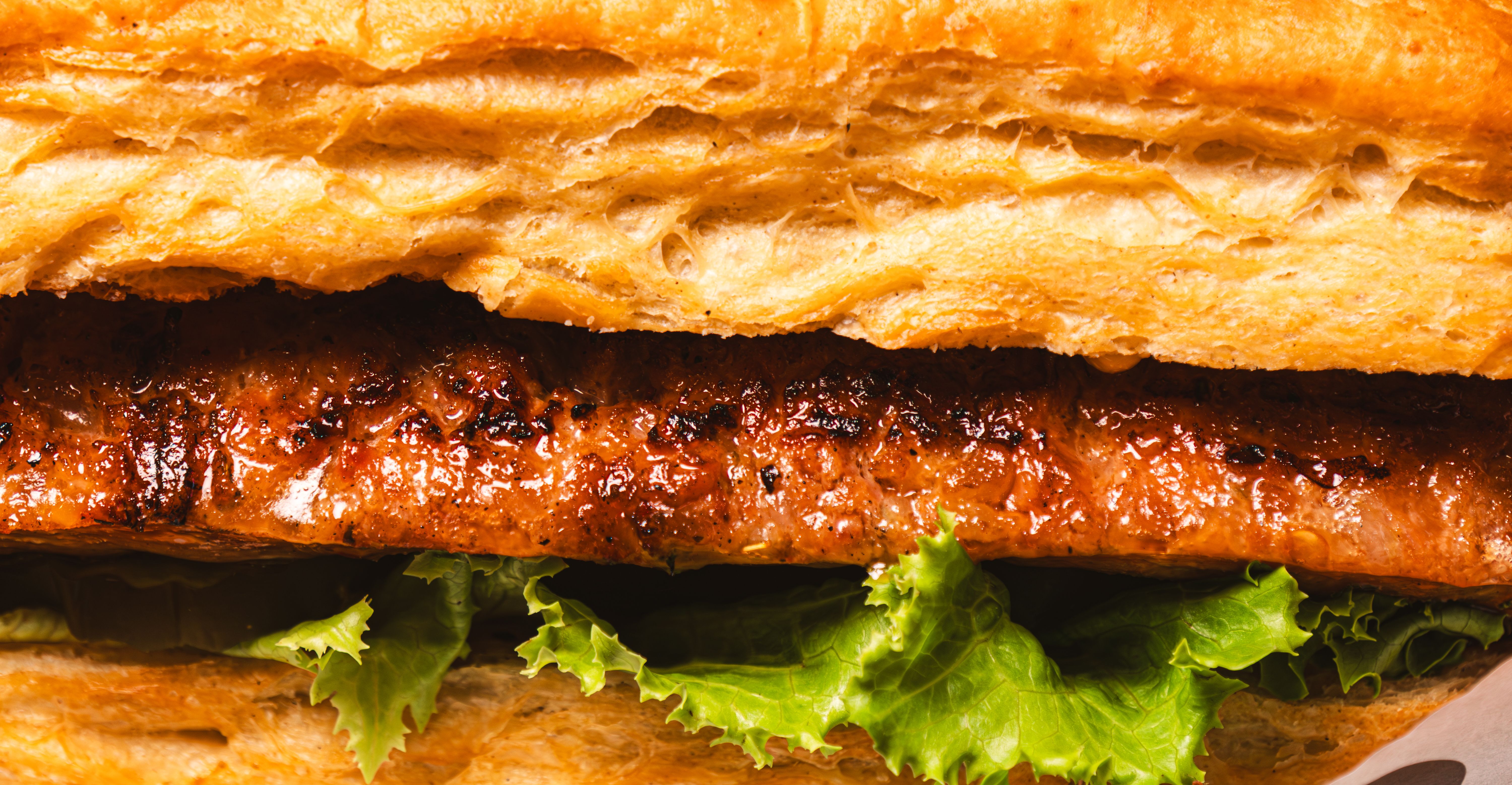
Bread shapes the entire sandwich experience, and in this rollout it functions as more than a backdrop. Subway's Ghost Pepper Bread gives the menu a signature identity, turning a familiar build-your-own format into something seasonal and more distinctive. Even for customers who stick with their usual order, the bread offers an easy way to try the promotion without committing to a fully new sandwich.
The key here is that ghost pepper is being presented as a flavor accent, not simply an endurance test. In restaurant development, bread-based spice works differently from sauces. It spreads heat more evenly through each bite and can create a gentler, more sustained warmth compared with a single sharp blast from a condiment-heavy sandwich.
That matters because balance is what keeps a limited-time item from becoming a one-time novelty. A spicy bread can elevate proteins, vegetables, and cheese rather than overpower them. The success of this kind of product usually depends on whether the heat complements core ingredients like rotisserie chicken, deli meats, ranch, honey, and creamy cheese.
Subway is also using the bread as a flexible upsell tool. Botelho noted that customers who do not want to abandon their regular order can simply switch to Ghost Pepper Bread for a limited time. That makes the product relevant beyond the featured menu and increases the odds that more guests will sample it.
A Closer Look at the Mild, Wild, and Wicked Sandwiches
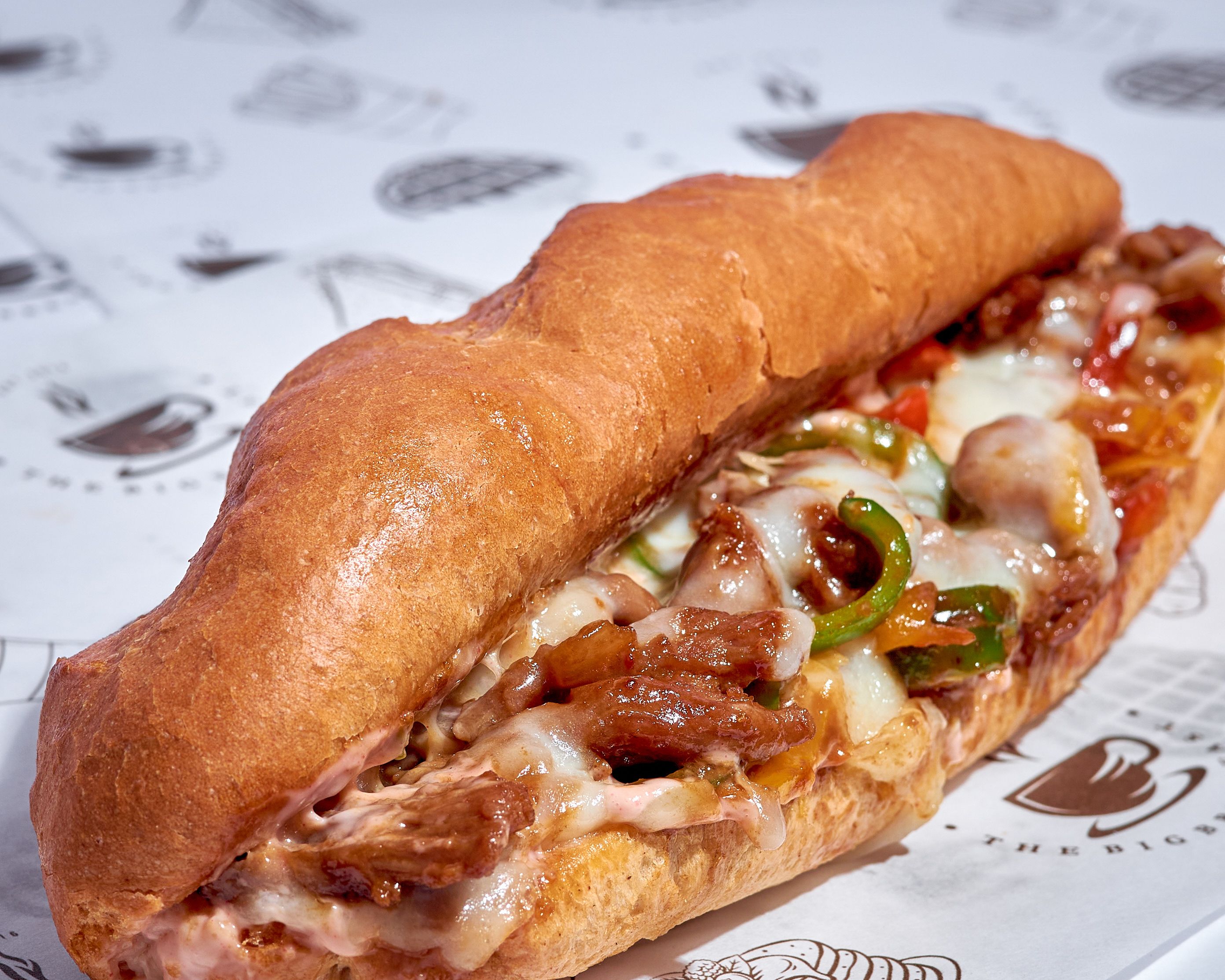
The Mild Piri-Piri Ranch Chicken appears designed for customers who want noticeable spice with a cooling finish. It combines Canadian farm-raised rotisserie chicken with cheddar, Canadian pork bacon, vegetables, piri-piri sauce, and ranch. That combination suggests a layered flavor profile where tang, smoke, creaminess, and gentle heat work together rather than compete.
The Wild Hot Honey Chicken moves into a more trend-driven lane. Hot honey has become a major flavor across North American menus because it blends sweetness and spice in a highly accessible way. Subway Canada's version uses Canadian honey, rotisserie chicken, Habanero Jack cheese, fresh vegetables, and banana peppers, creating a sandwich that likely lands in the sweet spot between crowd-pleasing and adventurous.
The Wicked Nashville-Style Deli is the most aggressive of the three and clearly targets people who want a fuller heat experience. Nashville hot sauce is paired with Black Forest ham, pepperoni, salami, Habanero Jack cheese, banana peppers, garlic aioli, and house sandwich sauce. With multiple cured meats and layered condiments, it reads as the boldest and richest build on the menu.
Together, the three sandwiches show deliberate range. Subway is not offering one spicy item and calling it a platform. It is presenting a spectrum, which makes the menu easier to understand and more likely to appeal to very different taste preferences.
How Canadian Ingredients Support the Menu Story
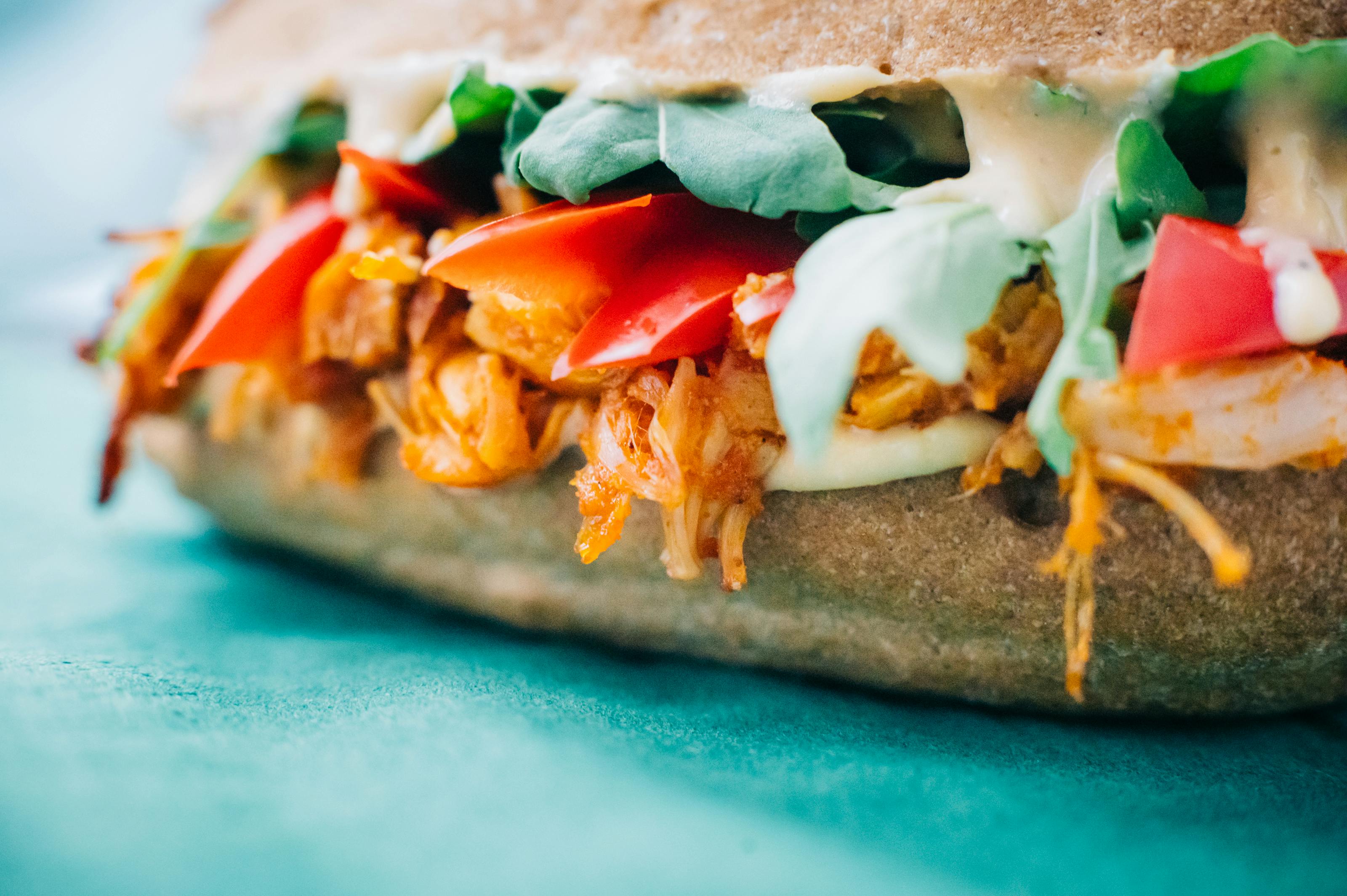
One of the strongest details in Subway Canada's announcement is its repeated emphasis on domestic sourcing. The menu highlights Canadian farm-raised rotisserie chicken, Canadian pork in the bacon and ham, Canadian dairy in the Habanero Jack cheese, and Canadian honey in the hot honey sauce. In a crowded fast-food landscape, those specifics help ground a flashy promotion in something more credible and familiar.
That approach does two things at once. First, it reassures customers that despite the dramatic "ghost pepper" branding, these sandwiches are still built on recognizable ingredients. Second, it allows Subway to connect a trend-driven launch to national identity, which is particularly effective for a chain operating nearly 3,000 locations across Canada.
Ingredient callouts also signal quality and care, especially when paired with Subway's standard lineup of fresh vegetables like lettuce, spinach, tomato, cucumber, green pepper, and red onion. For many consumers, heat is more attractive when it comes with freshness and texture rather than grease and excess heaviness. Subway appears to understand that distinction.
From a brand perspective, this helps prevent the menu from feeling gimmicky. A spicy limited-time offer can quickly seem superficial if all the attention goes to heat. By emphasizing Canadian ingredients and balanced builds, Subway Canada is positioning the launch as a thoughtful extension of its everyday menu standards.
The Dating Survey Angle and What It Reveals

Subway Canada is not only selling spicy sandwiches. It is also selling the idea that spice reflects personality. To support the campaign, the company partnered with Canadian-born relationship and intimacy expert Shan Boodram and released findings from a Harris Poll Canada survey conducted online April 16-17, 2026 among 1,554 Canadians aged 18 and over.
Some of the results are clearly designed for cultural relevance. Subway said 1 in 10 Canadians have pretended to like spicy food on a date, with younger adults being most likely to do so. It also reported that 46% believe enjoying spicy food may be linked to liking excitement in relationships, while more than 6 in 10 say they adjust spice levels when sharing meals with a significant other.
These results fit neatly with the campaign theme of self-expression. Boodram's role gives the launch a lifestyle dimension that extends beyond product features and taps into conversation around dating, identity, and personal preference. It is a smart way to make a sandwich promotion feel socially current without overcomplicating the message.
The broader takeaway is simple. People often use food choices to signal who they are, or who they want to appear to be. Subway is leaning into that truth by making spice feel customizable and expressive instead of intimidating.
What Customers Should Expect From This Limited-Time Launch
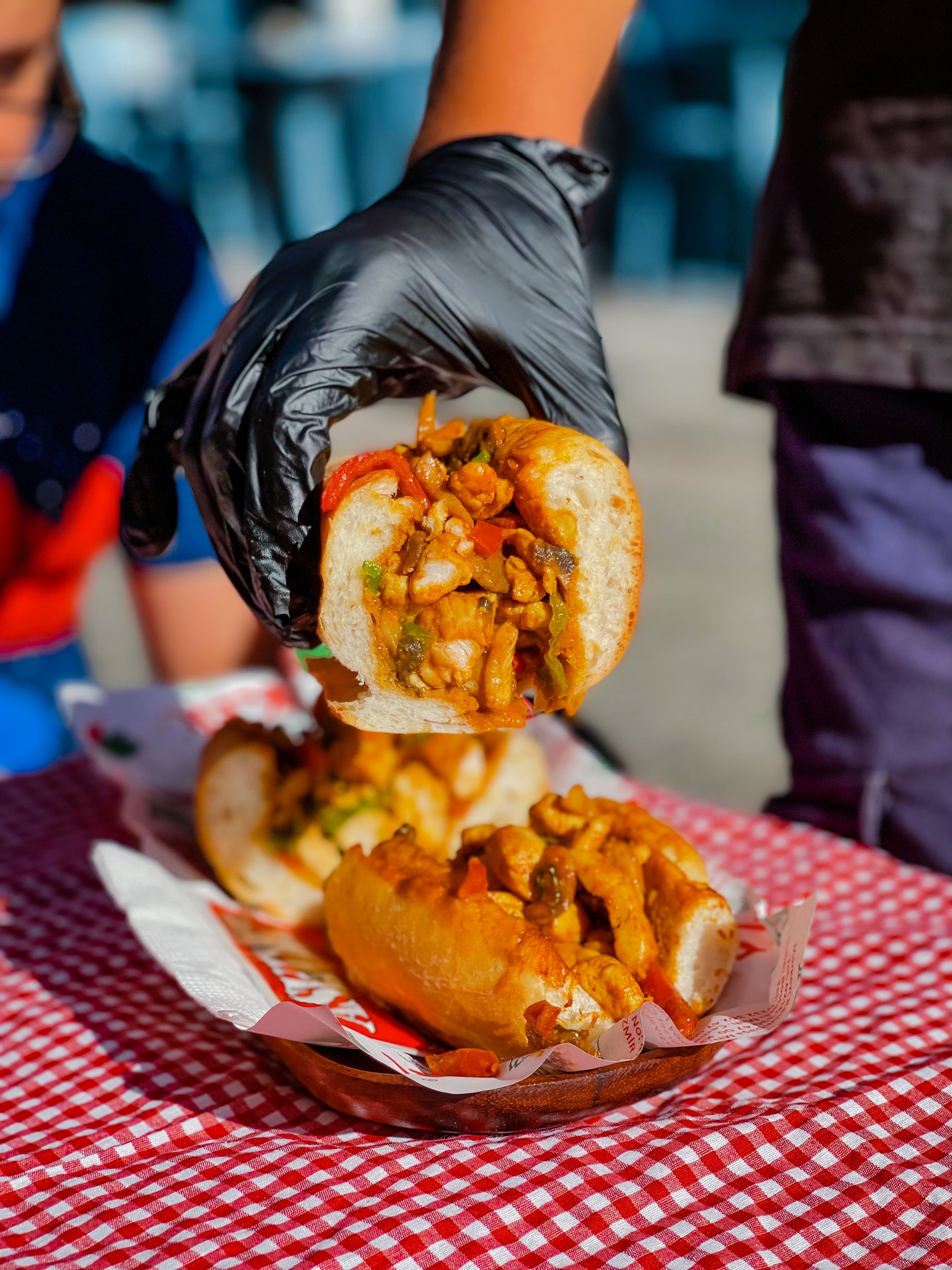
For customers, the immediate appeal is straightforward: there is a new bread, three new sandwiches, and a clear framework for choosing spice. The menu is available for a limited time at participating restaurants nationwide, which adds urgency and encourages trial. In fast food, scarcity often matters almost as much as flavor because it gives regular customers a reason to act now rather than later.
The launch may also attract several different types of diners at once. Existing Subway fans can use Ghost Pepper Bread to update a familiar order. More adventurous eaters can choose among the featured sandwiches. And customers who are spice-curious but cautious have an on-ramp through the Mild option, which lowers the risk of a disappointing purchase.
From an industry perspective, this is a well-calibrated promotion. It taps into demand for heat, uses recognizable ingredients, offers customization, and ties the product story to a broader cultural conversation. Those are the ingredients of a limited-time offer that can generate both traffic and social chatter.
Ultimately, Subway Canada's Ghost Pepper Bread is compelling not because it sounds extreme, but because it sounds usable. If the bread delivers warmth, flavor, and versatility instead of one-note fire, this promotion has a strong chance of resonating with a broad Canadian audience.


Leave a Reply