
Sometimes a grocery item is there one week and gone the next. In Canada, that kind of disappearance has happened more often than many shoppers realize.
Infant formula

Few grocery absences cause more panic than missing infant formula. For parents, this is not a matter of preference but a daily necessity, which is why shortages in Canada felt so abrupt and alarming.
The pressure built after major production disruptions in the United States, a market Canada has long depended on for some formula supply. When a large U.S. recall and plant shutdown hit Abbott Nutrition in 2022, Canadian retailers quickly felt the impact. Shelves emptied in major chains, purchase limits appeared, and parents began travelling between stores to find specialized products.
Health Canada responded by easing some import rules so more formula could enter the country from international manufacturers. That move helped, but it also exposed how concentrated the supply chain had become. A handful of producers controlled much of the market, leaving very little room for backup when one system failed.
The lesson was stark. Formula did not disappear because demand suddenly surged on its own, but because a tightly linked North American supply network had almost no cushion built into it.
Romaine lettuce

A head of romaine can look ordinary, but it became one of the most disrupted produce items on Canadian shelves. Repeated food safety alerts turned a common salad staple into a product many stores pulled with little warning.
Several outbreaks linked to E. coli in North America led retailers and restaurants to remove romaine from sale, especially during the late 2010s. Canadian public health authorities often acted cautiously when U.S. growing regions were implicated, since supply chains cross the border and tracing exact origins can be difficult in real time.
The result for shoppers was confusing. One day romaine was stacked high in produce sections, and the next it was replaced by signs explaining shortages or temporary removals. Alternatives such as green leaf or iceberg often remained available, but people looking specifically for romaine found gaps that felt sudden and unexplained.
This was not a classic shortage caused by weather alone. It was a reminder that in modern grocery retail, a food safety concern can erase an item from shelves faster than poor harvests ever could.
Sriracha sauce
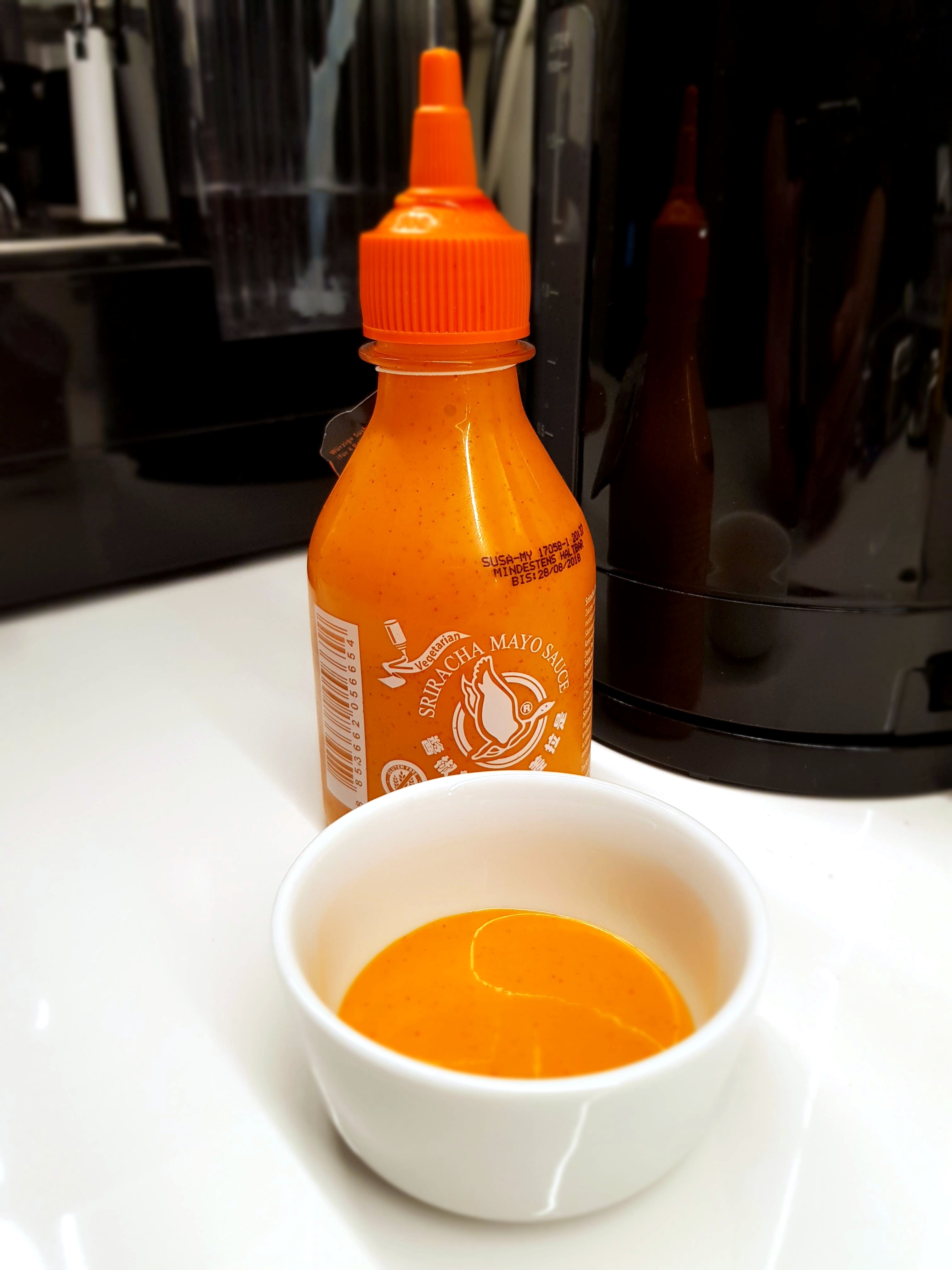
Hot sauce is usually one of the most stable pantry items in the store. That is why the disappearance of sriracha, especially the familiar Huy Fong bottles many Canadians recognized instantly, caught shoppers off guard.
The issue was not a nationwide ban or retailer boycott. It stemmed from a supply problem involving red jalapeño peppers, the core ingredient used by the best-known producer. Poor harvest conditions and sourcing disruptions reduced production, and once shipments slowed, Canadian stores began running out with little certainty on restock dates.
Shoppers then encountered the classic signs of scarcity. Empty condiment slots, price spikes at independent retailers, and substitute brands pushed into the spotlight. Some stores still had limited supply, but consistency vanished, which made the shortage feel random depending on region and distributor access.
Sriracha showed how a single agricultural bottleneck can ripple through an entire category. When consumers strongly associate one brand with one product, even partial disruption can make it feel as if the whole item has disappeared.
Fresh chicken
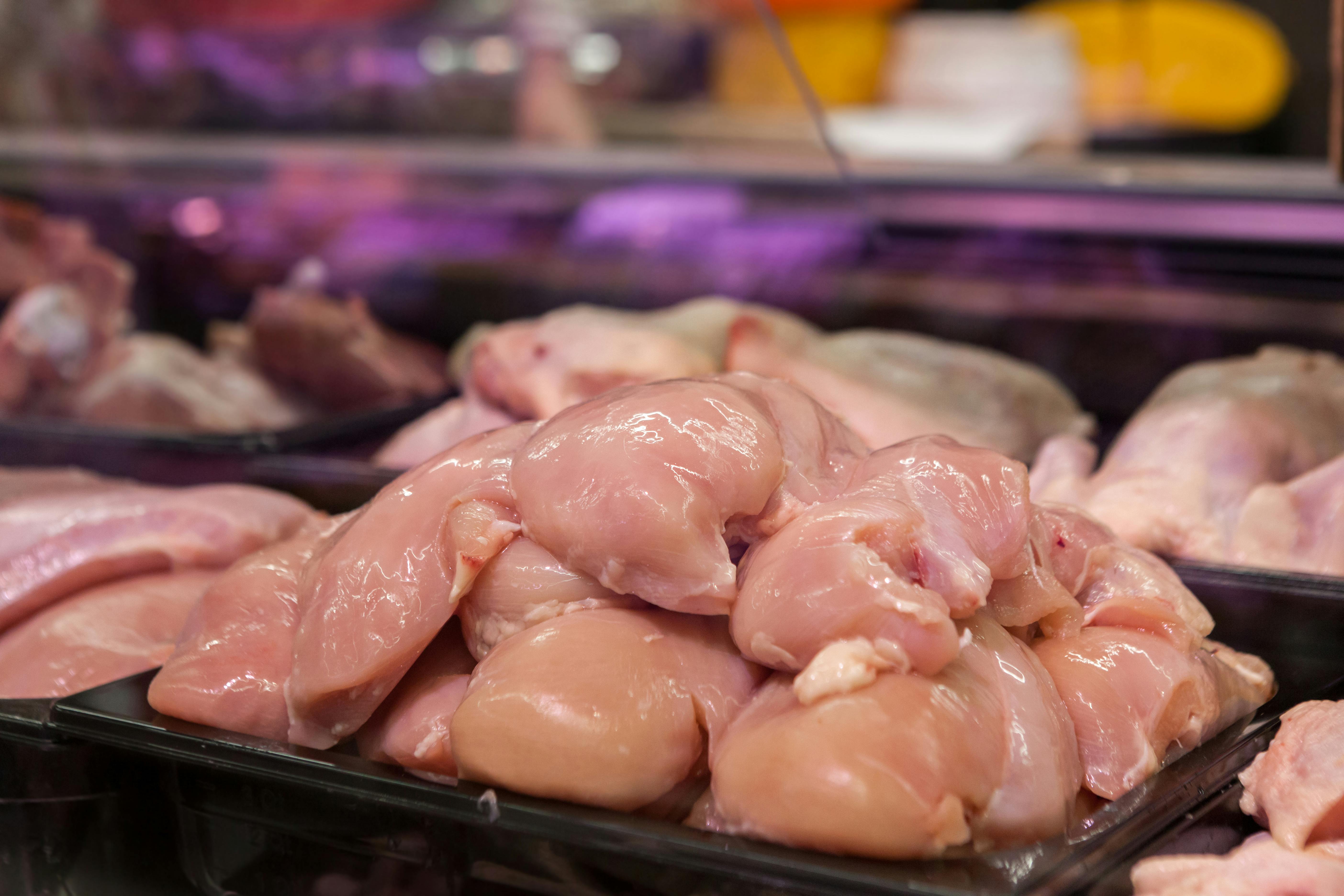
Chicken is one of the most purchased proteins in Canada, so its absence is especially noticeable. Yet at different points, Canadian shoppers have walked into stores to find reduced fresh chicken inventory or missing cuts with almost no warning.
One key reason has been avian influenza. Outbreaks in poultry flocks have led to culls, movement restrictions, and supply interruptions that tightened availability across provinces. The Canadian Food Inspection Agency has monitored such outbreaks closely, and even when food safety risks to consumers remained low, production impacts were still significant.
Labour shortages and processing bottlenecks added another layer. If farms had birds ready but processors lacked staff or faced transport delays, product could still fail to reach refrigerated cases on time. That gap helped create sudden-looking shortages even when the broader agricultural system was still functioning.
Unlike a discontinued snack, chicken shortages exposed the fragile timing of fresh food logistics. Because the supply chain moves quickly from farm to processor to store, even short disruptions can leave shelves looking stripped almost overnight.
French's ketchup made in Canada

Ketchup rarely becomes a national talking point, but in Canada it did. For years, many shoppers who wanted French's ketchup made with Canadian tomatoes found it suddenly hard to get as demand surged beyond expectations.
The backstory mattered. After Heinz closed its longtime tomato processing plant in Leamington, Ontario, the move triggered a powerful consumer response tied to jobs, local agriculture, and national identity. French's stepped into that opening by promoting ketchup made with Canadian-grown tomatoes, and shoppers responded enthusiastically.
In many stores, that popularity translated into intermittent disappearances. Retailers sold through inventory quickly, regional distribution varied, and the product could vanish from shelves even while other ketchup brands remained fully stocked. To shoppers, it looked like a mystery, but in reality it was a demand shock colliding with a still-scaling supply chain.
This was a different kind of grocery disappearance. It was driven less by crisis than by consumer sentiment, proving that buying habits can wipe out shelf stock just as effectively as recalls or crop failures.
Mustard
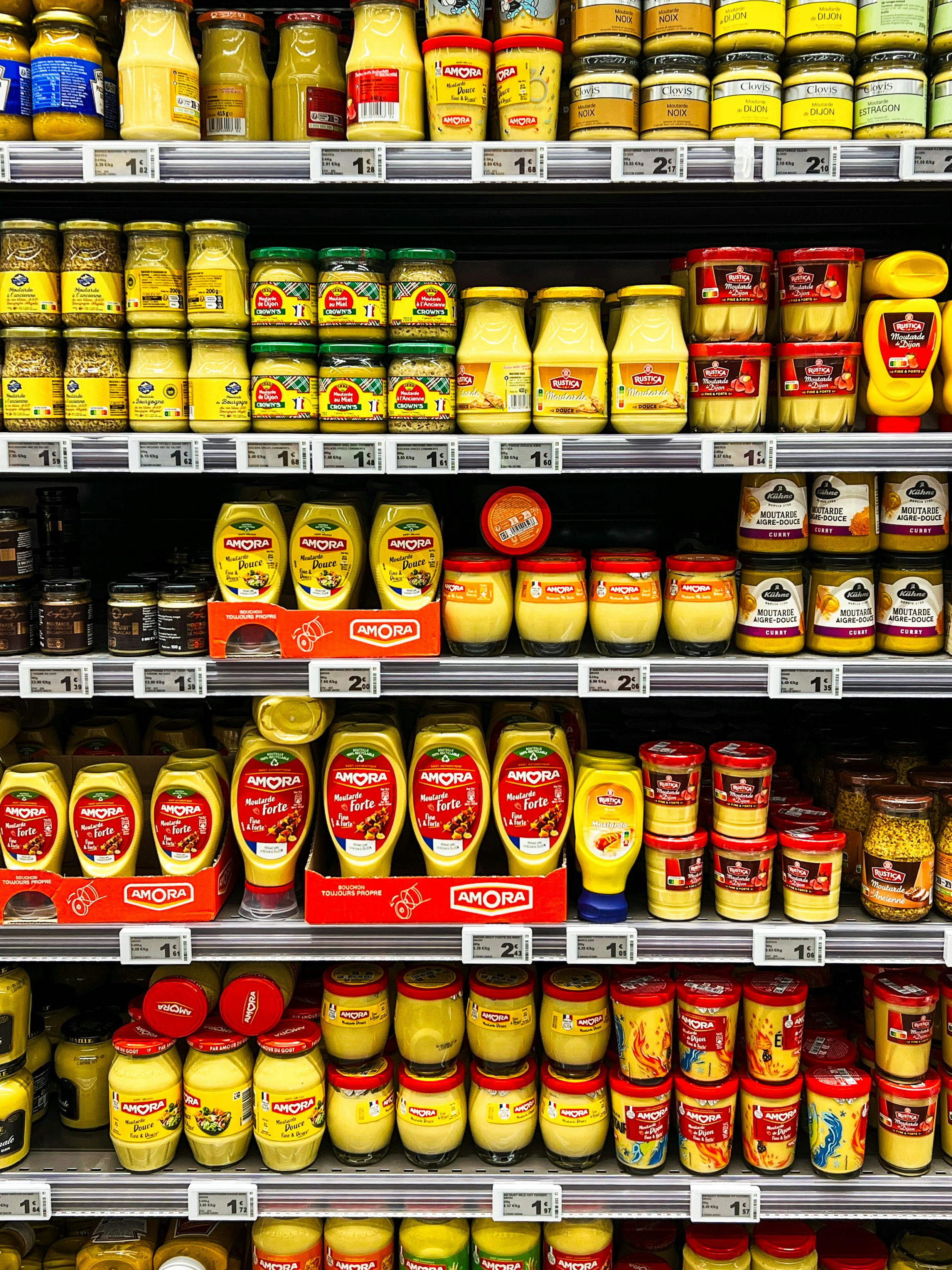
Mustard seems too basic to disappear, yet it did. In 2022 and 2023, Canadians saw shortages tied to a problem far upstream from the condiment aisle: the mustard seed harvest itself.
Canada is one of the world's largest producers and exporters of mustard seed, with Saskatchewan playing a major role. Extreme heat and drought damaged crops, sharply cutting production and pushing seed prices much higher. Manufacturers then had to manage limited supplies while still serving both domestic and export markets.
The retail effect arrived later but felt sudden. Bottles became harder to find, private label offerings thinned out, and some stores faced patchy availability depending on supplier contracts. Shoppers often noticed the shortage only when they went to replace an empty bottle and found a bare shelf instead.
Mustard's brief disappearance was a textbook case of climate stress reaching the kitchen table. A difficult growing season on the Prairies was enough to disrupt a product many assumed would always be available.
Frozen fries

A bag of frozen fries is usually one of the most dependable freezer staples. But during recent supply disruptions, Canadians found that even this simple side dish could vanish unexpectedly from grocery stores.
The causes were layered. Potato harvest issues affected some growing regions, while heavy demand from restaurants and foodservice competed with retail supply. Processing plants also faced labour constraints and transportation delays, creating pressure at exactly the point where raw potatoes are turned into finished frozen products.
Retailers responded by limiting assortment rather than eliminating the category entirely. One brand or cut might be gone while another remained, which made the shortage seem inconsistent. Still, shoppers loyal to crinkle-cut, shoestring, or specific premium brands often found empty sections where their usual choice had been.
Frozen fries highlighted a basic truth about modern groceries. Even when farms are producing and stores are open, a disruption in processing capacity can make a widely loved convenience food disappear without much warning.
Cream cheese

Cream cheese became an unlikely shortage story during the pandemic period. For many Canadians, the first sign was simple: grocery shelves looked strangely bare in the dairy section, with familiar brick and tub formats missing.
The reasons were broader than one factory issue. Pandemic demand shifted sharply toward at-home eating and baking, while labour shortages, transportation constraints, and packaging limitations complicated production. Dairy processors had to balance output across multiple products, and cream cheese did not always come out ahead.
Seasonal demand made matters worse. Around holiday baking periods, the gap became especially visible as shoppers looked for the same brands at the same time. Some retailers substituted smaller formats or alternative brands, but dependable availability disappeared in many markets.
Cream cheese was a reminder that shortages do not only affect niche imports or trendy sauces. Even a basic dairy staple can slip off shelves quickly when consumer habits change faster than processors can adapt.




Leave a Reply