
The restaurant business still looks glamorous from the outside. Underneath, it has become a scale game that increasingly rewards operators who plug into large franchise systems.
The economics now favor scale, not independence
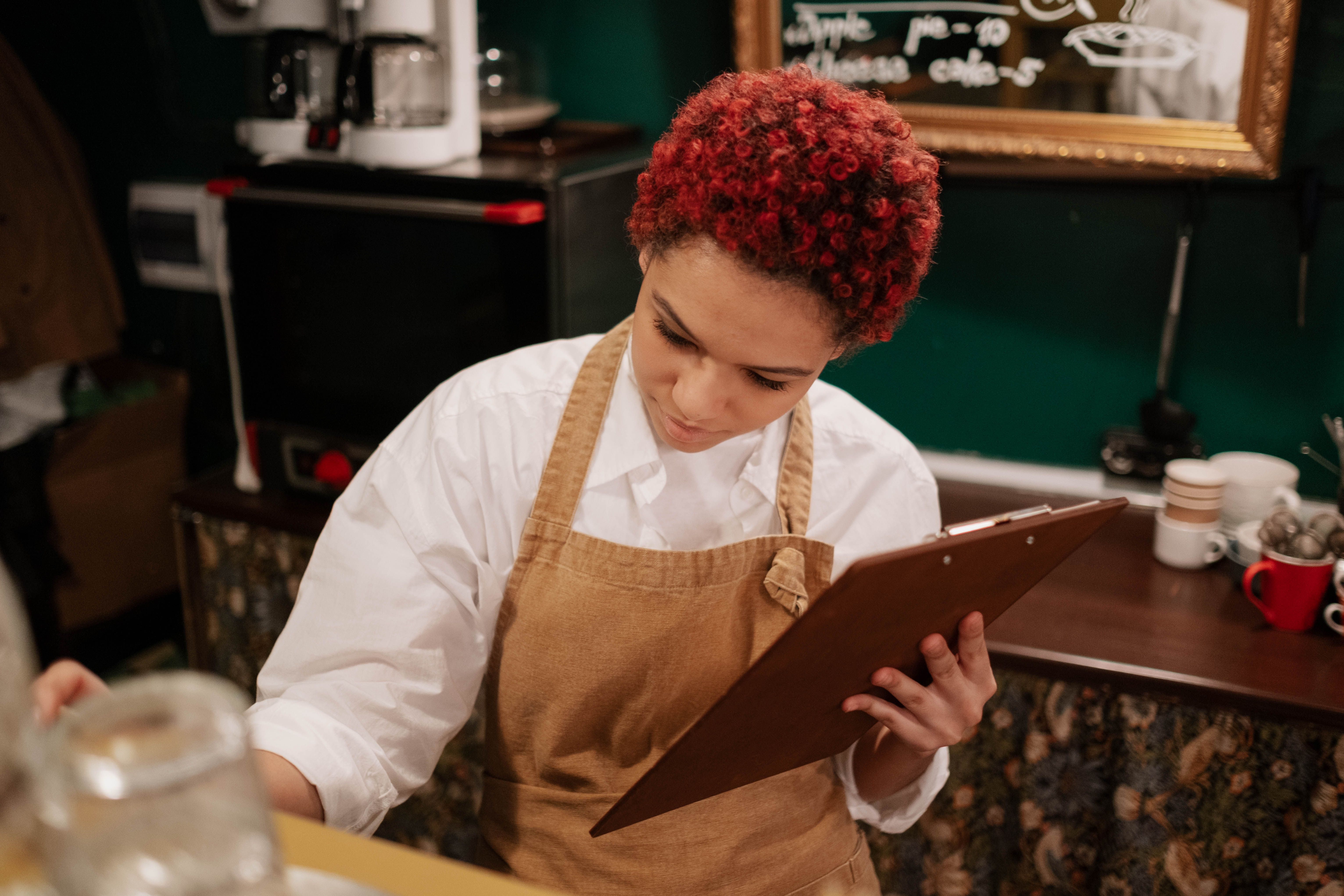
What changed first was the math. Food, packaging, insurance, rent, and wages all rose faster than many menu prices, leaving independent owners with thinner margins and less room for mistakes. The National Restaurant Association has repeatedly noted that labor and food remain the two biggest cost pressures, and small operators feel both more sharply.
Franchise operators, by contrast, buy into purchasing power. Large chains negotiate better prices on chicken, beef, fryer oil, cups, software, and cleaning supplies because they order at a national or regional level. That does not eliminate inflation, but it softens the blow in a way an independent burger shop or neighborhood diner simply cannot match.
The result is a business where a few percentage points determine survival. If a franchisee saves 2% on food costs and another 1% through standardized labor scheduling, that can be the difference between growth and distress. Independent owners often have better local instincts, but better instincts do not beat lower input costs forever.
Brand recognition is doing more work than ever

Consumers say they want to support local, but when budgets tighten, familiarity wins. In uncertain times, people gravitate toward names they already know, especially in quick-service and fast-casual dining. That trust matters because diners are becoming more selective about where they spend on meals away from home.
A franchise operator benefits from years of national advertising they did not have to build alone. When a chain launches a value meal, limited-time product, or loyalty campaign, every operator in the system gets traffic from that brand momentum. An independent owner has to create that awareness from scratch, often with a tiny marketing budget and uneven results.
This gap becomes even more obvious online. Big brands dominate map listings, app downloads, search visibility, and delivery platform recognition. A local restaurant may have better food, but if the customer already has a chain's app, points balance, and favorite order saved, convenience often beats discovery.
Systems are beating improvisation

Restaurants used to reward hustle above all else. Today they reward repeatable execution. Franchise operators inherit operating manuals, training systems, labor models, kitchen layouts, approved vendors, and tested menu engineering that have been refined across hundreds or thousands of locations.
That structure matters most when conditions get volatile. If sales weaken, a franchisee can lean on established playbooks for staffing, promotions, inventory control, and unit economics. Independent owners often have to invent responses in real time while also handling payroll, hiring, menu changes, repairs, and customer complaints.
Technology widens the gap further. Large franchise systems often provide point-of-sale integration, loyalty tools, mobile ordering, digital menu boards, demand forecasting, and benchmark reporting across stores. According to industry reporting from Reuters and Restaurant Business, operators with strong digital ecosystems have consistently been better positioned to protect traffic and average check.
Multi-unit operators have become the real power players
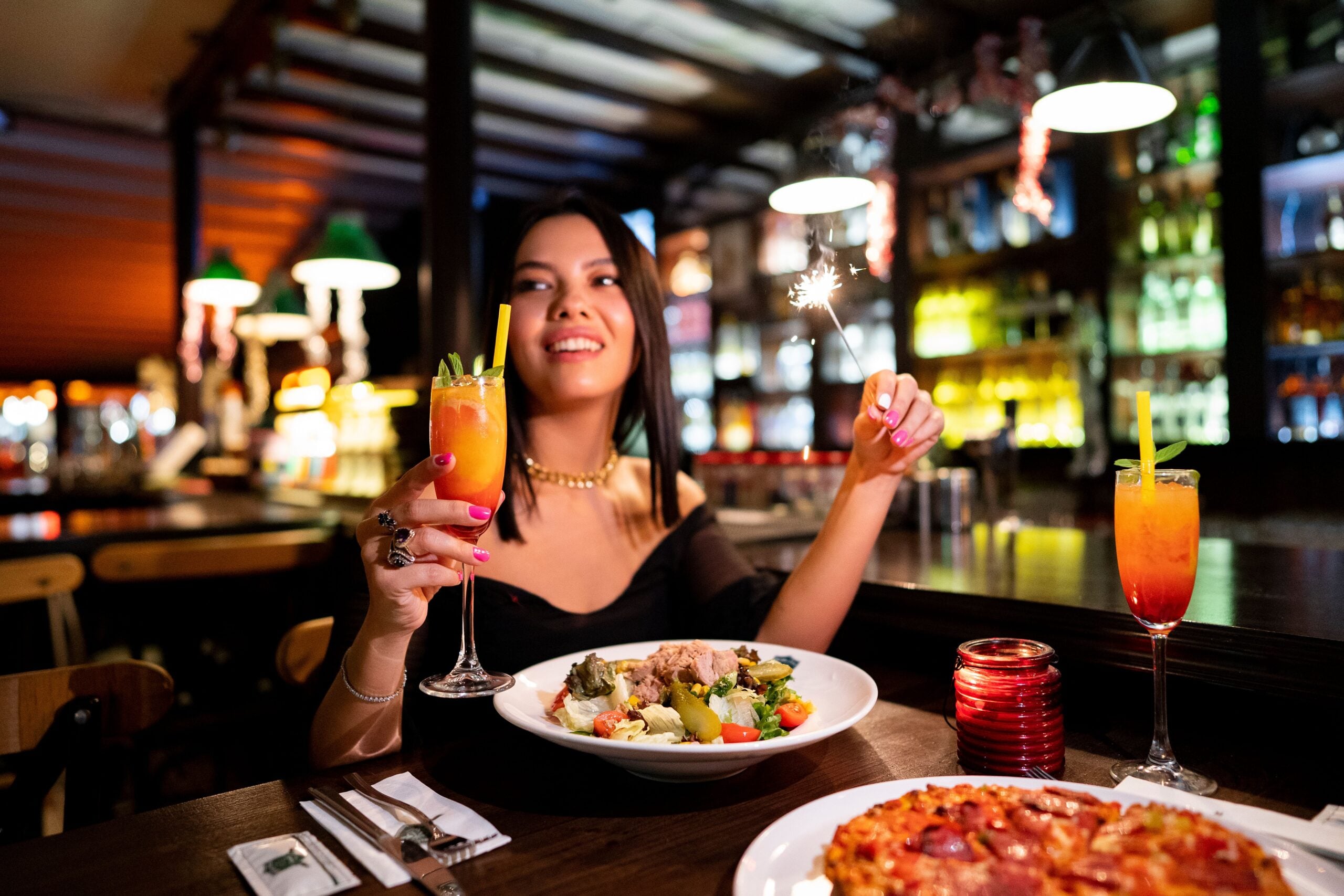
The biggest winners are not first-time franchisees running a single store. They are sophisticated multi-unit operators who treat restaurants like portfolios. Many control dozens of locations, spread overhead across markets, and employ specialized managers for finance, HR, training, construction, and analytics.
That creates advantages independent owners rarely have. A broken freezer, weak month, or staffing crisis can seriously damage one standalone restaurant. For a multi-unit franchise operator, that same problem is painful but manageable because risk is diversified and stronger stores can offset weaker ones.
Private equity and institutional capital noticed this years ago. They tend to favor scalable systems with predictable reporting, brand support, and replicable returns. That preference channels more money, better financing options, and stronger expansion opportunities toward franchise groups, while independent owners are often left relying on personal guarantees and expensive debt.
The customer experience is now built around consistency
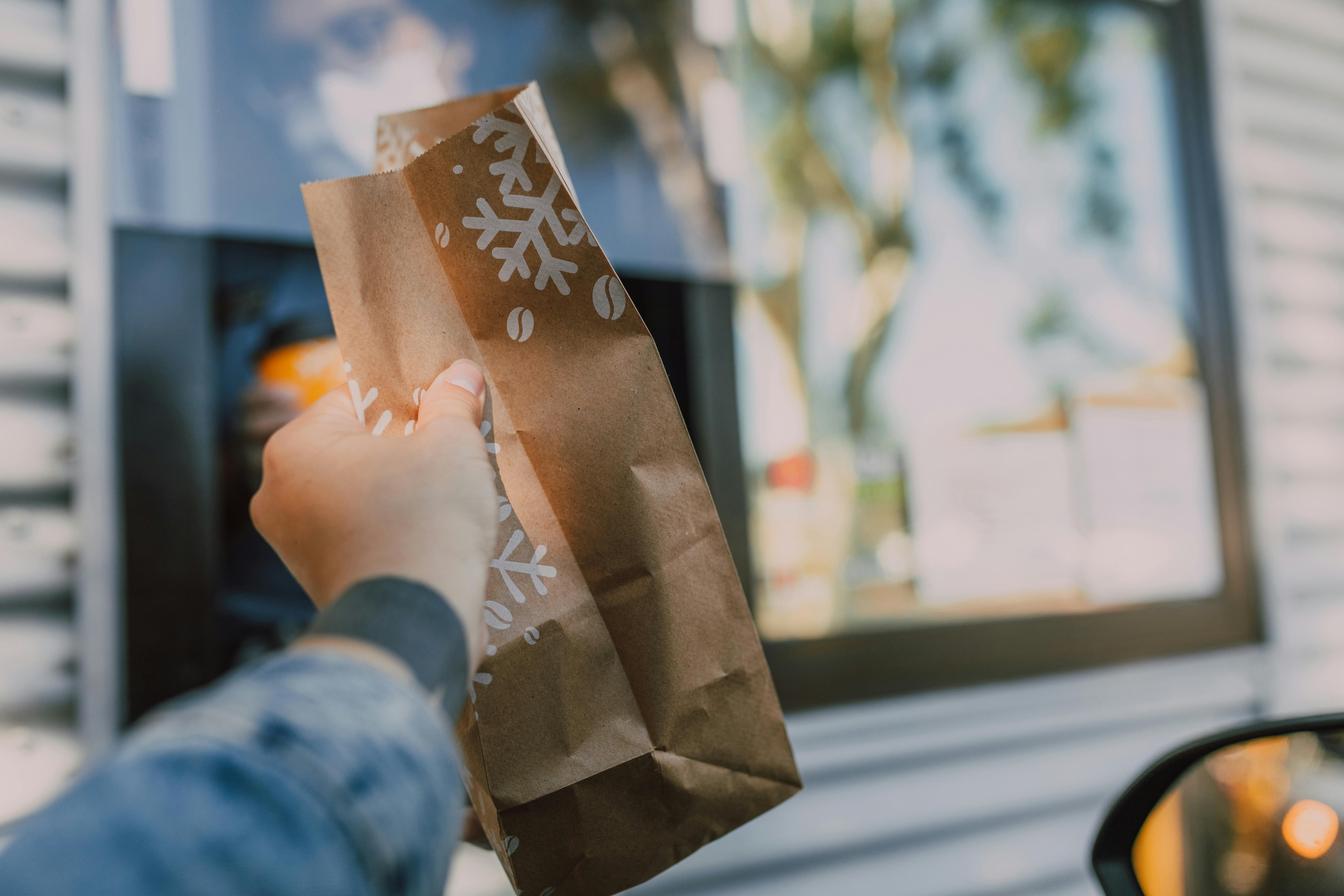
People once tolerated more variation from visit to visit. They do not anymore. A missed order, slow drive-thru line, or unavailable item can immediately push customers to a competitor, and franchise systems are built to reduce that variability through strict process control.
Consistency is not exciting, but it is profitable. Chains train crews to hit target ticket times, portion sizes, and service scripts because predictability drives repeat business. In categories like pizza, chicken, sandwiches, and coffee, customers are often buying reliability as much as food.
Independent restaurants can absolutely deliver excellent hospitality, and many do. But excellence that depends on one exceptional owner being present every day is hard to scale and hard to sustain. Franchise operators win because they build experiences that are good enough, dependable enough, and easy enough to repeat thousands of times.
What this means for the future of restaurants

The hard truth is that ownership and operational advantage are no longer the same thing. Owning a single restaurant may still deliver pride, community identity, and creative freedom, but those are not the traits the current market rewards most aggressively. The market rewards efficiency, leverage, standardization, and distribution.
That does not mean independents disappear. It means they survive by being truly differentiated, deeply local, and disciplined about costs. The middle ground is what gets crushed: places without chain-level systems and without unique enough appeal to justify higher prices or inconvenience.
Franchise operators are winning because they are not really playing the old restaurant game anymore. They are running branded operating systems with food attached. In this environment, that distinction explains almost everything.




Leave a Reply