
Few everyday transactions create as much quiet tension as the moment a payment screen asks for a tip. What was once a gesture of thanks now often feels like a test of character.
Tipping was meant to reward service, not replace wages
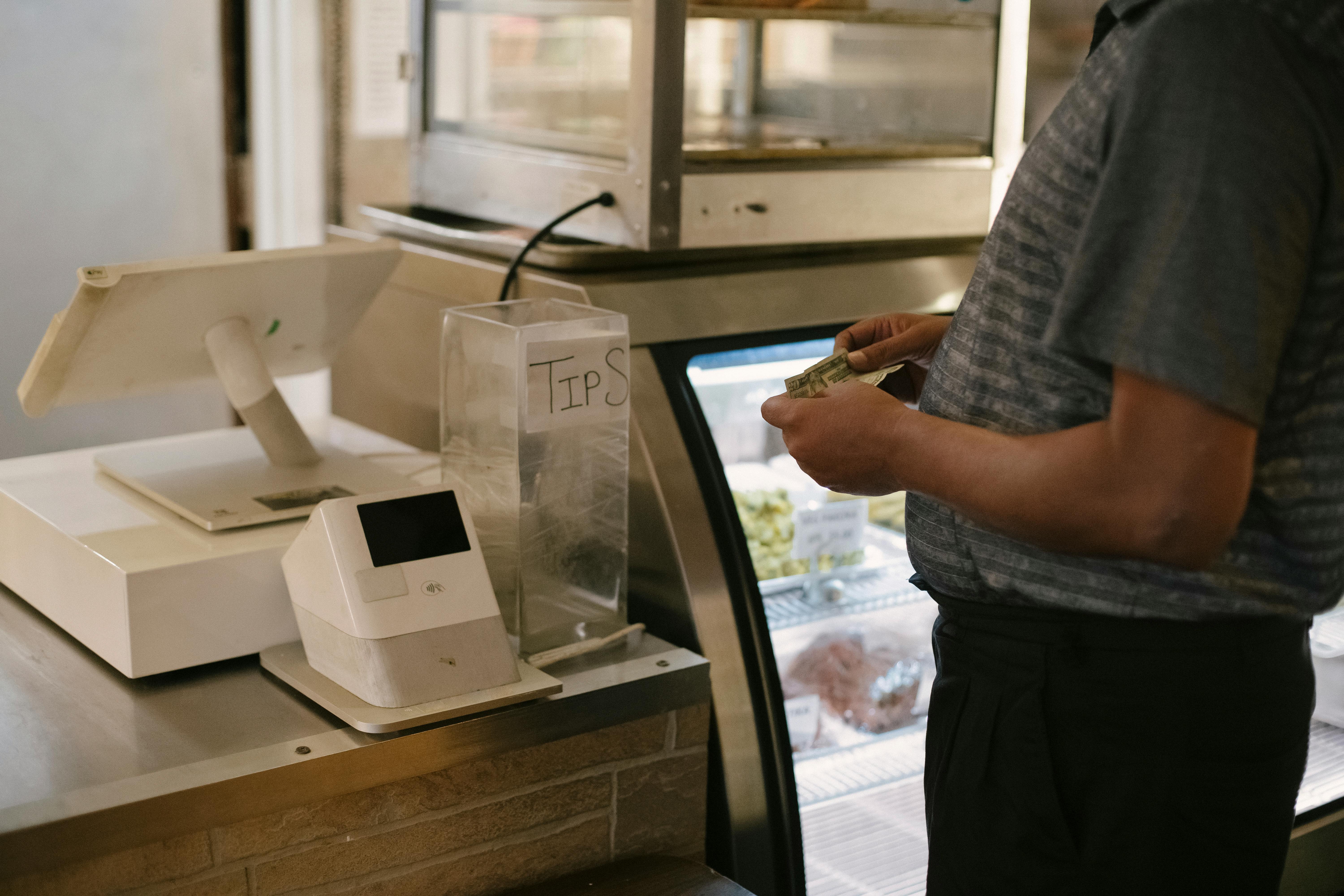
At its core, tipping is supposed to be voluntary. The original idea was simple: when service exceeded expectations, the customer could offer extra money as a sign of appreciation. That made tipping a personal choice tied to performance, not a built-in fee attached to nearly every purchase.
Over time, especially in the United States, that principle weakened. According to the U.S. Department of Labor, employers in some cases can count tips toward minimum wage through a tip credit system. This has allowed many businesses to keep base pay low while expecting customers to bridge the gap.
That shift matters because it changes the moral pressure of tipping. If a server depends on gratuities to earn a livable income, the customer is no longer simply rewarding good service. The customer is helping correct a wage structure that should be the employer's responsibility in the first place.
Obligation distorts the customer experience
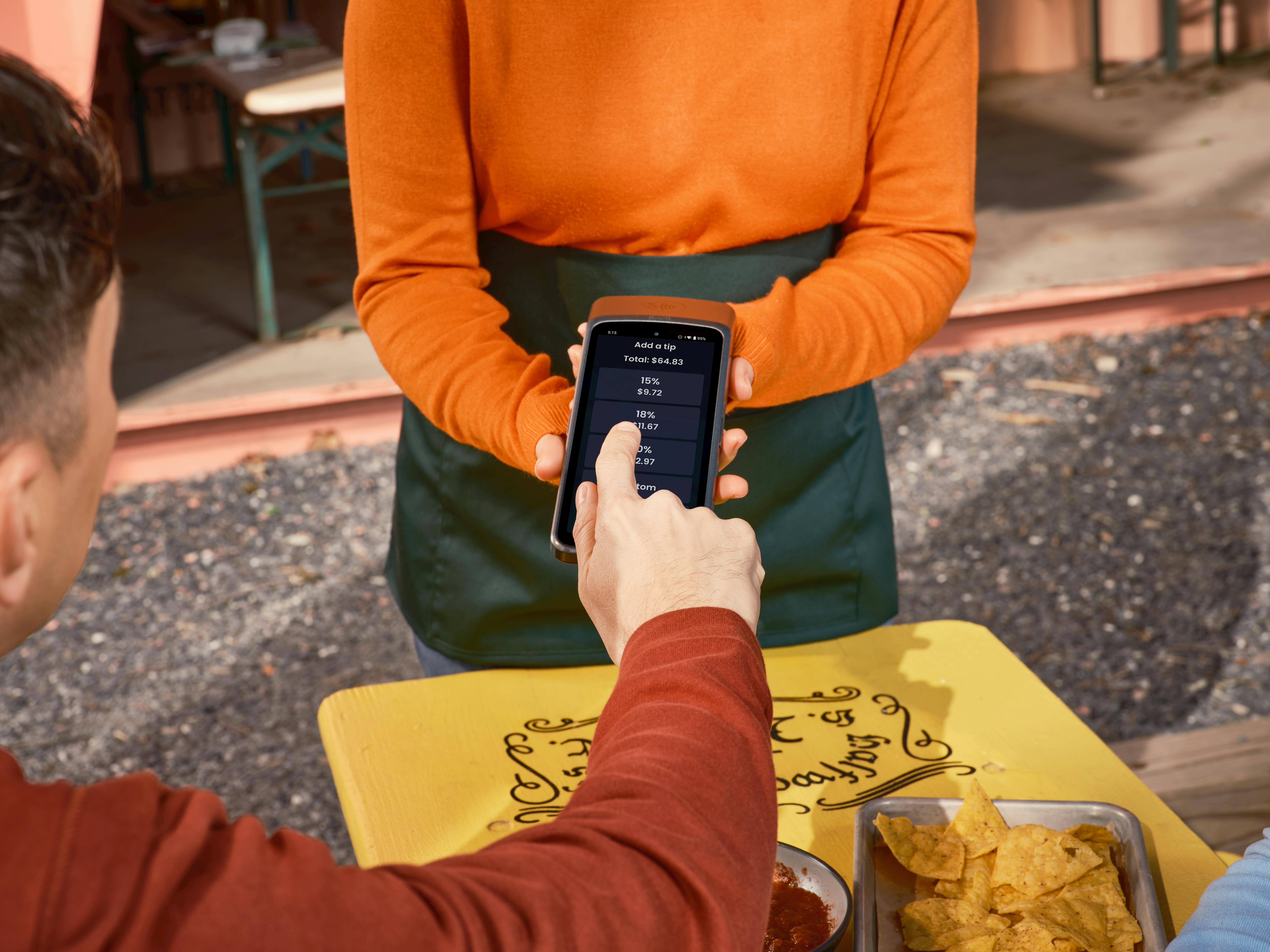
A voluntary tip feels generous. An expected tip feels compulsory, and that difference shapes how people experience dining, delivery, travel, and even coffee shops. Digital checkout systems have amplified this pressure by presenting preset tip options before any real service has even been delivered.
Many consumers now report "tip fatigue," a term widely used by economists and consumer behavior analysts. It describes the frustration people feel when they are asked to tip in more places, at higher percentages, and with more visible social pressure. That irritation can turn what should be a pleasant transaction into an uncomfortable negotiation.
When customers feel cornered, goodwill disappears. Instead of focusing on whether service was friendly, efficient, or thoughtful, they begin calculating whether the request itself is fair. That undermines the spirit of tipping and can even damage trust between customers and frontline workers.
Workers deserve stability that tips cannot guarantee

Here is the practical problem with tip-based income: it is unpredictable. A worker's earnings can vary by shift, season, location, customer traffic, and even weather. That is a fragile foundation for paying rent, buying groceries, or managing healthcare costs.
Research from the Economic Policy Institute and other labor-focused groups has long shown that workers in heavily tipped occupations face higher income volatility than workers paid standard hourly wages. Volatility does not just hurt monthly budgets. It also makes it harder to qualify for loans, plan childcare, or absorb emergencies.
A fair labor system should not rely on chance generosity. Workers deserve clear wages, legal protections, and dependable pay before tips are counted. If customers still choose to leave extra for excellent service, that bonus becomes meaningful again because it is truly additional, not essential.
Tipping culture can create unfairness and bias

One reason many critics oppose mandatory tipping norms is that tips are not distributed evenly. Studies in hospitality and labor economics have found that gratuities can be influenced by race, gender, age, physical appearance, and accent, not just service quality. That makes tips an imperfect and sometimes discriminatory measure of performance.
In practice, two equally skilled workers may earn very different amounts because customers carry conscious or unconscious bias. Workers in customer-facing roles may also feel pressure to tolerate inappropriate behavior just to protect their income. That dynamic creates a power imbalance that no fair workplace should normalize.
When basic pay depends too heavily on tips, bias becomes costly. A stronger wage floor reduces that risk by ensuring that workers are paid for their labor regardless of customer prejudice. Choice-based tipping can still exist, but it should sit on top of fairness, not substitute for it.
Other countries show there are alternatives

Many countries treat tipping differently, and the contrast is revealing. In Japan, tipping is often uncommon or even discouraged because good service is considered part of professional standards. In much of Europe, service charges or higher menu prices often reduce the expectation of large voluntary tips.
These systems are not perfect, but they prove that hospitality businesses can operate without making customers directly responsible for worker income. In Australia, for example, higher wage standards mean tipping is appreciated but generally not required. Customers can still reward exceptional service without feeling morally compelled every time.
The lesson is not that one model fits every country. It is that tipping culture is shaped by policy, wages, and business choices, not by some natural law. If systems can be built differently elsewhere, they can be improved wherever tipping has become burdensome.
The better standard is freedom with fairness

So, do I agree that tipping ought to be a customer's choice, not an obligation? Yes, emphatically, but with one important condition: workers must be paid fairly without depending on that choice for survival. Otherwise, "choice" exists only on paper while customers carry the emotional burden of subsidizing payroll.
The healthiest approach is straightforward. Employers should pay stable wages, laws should protect service workers, and businesses should price goods honestly enough to cover labor costs. Then tipping can return to its proper role as a sincere thank-you for outstanding service.
That model benefits everyone. Customers gain freedom, workers gain stability, and businesses operate with greater transparency. Most importantly, the act of tipping regains its original meaning: a voluntary expression of appreciation, not an unspoken social tax.




Leave a Reply