
Few brands invite as much daily grumbling and steady loyalty at the same time. Tim Hortons has become a Canadian contradiction that people complain about almost ritualistically, then visit again the next morning.
Complaints Are Part of the Tim Hortons Experience

Strangely, criticism itself has become part of the brand relationship. Canadians complain about weaker coffee, inconsistent food, slow drive-thrus, and stores that no longer feel as warm or local as they once did. The chain's shift in ownership and menu expansion only intensified that feeling that something familiar had changed.
Those complaints are not imaginary. Consumer frustration often centers on product inconsistency from one location to the next, especially with breakfast sandwiches, baked goods, and coffee preparation. In a country where the brand built its reputation on reliability, inconsistency feels like a personal letdown rather than a minor inconvenience.
Yet the act of complaining also shows attachment. People rarely spend this much energy criticizing places they have already abandoned. Tim Hortons remains close enough to daily life that every disappointing cup still feels worth mentioning.
Habit Is More Powerful Than Satisfaction

The simplest answer is often the strongest one. People keep going because routines are hard to break, and Tim Hortons is built directly into Canadian routines. Morning commutes, work breaks, road trips, hockey practices, and quick lunch stops have all long included a stop at Tims.
Behavioral experts often note that convenience habits beat quality judgments in everyday purchases. A customer may fully believe another café serves better coffee, but if Tim Hortons sits on the route to work with a familiar drive-thru, habit usually wins. Convenience narrows the space where higher standards can matter.
That is especially true in smaller towns and suburban corridors. In many places, Tim Hortons is not merely one option among many. It is the obvious option, and sometimes the only practical one open early, late, or right off the highway.
It Still Delivers on Price and Accessibility

For all the criticism, Tim Hortons continues to solve a basic consumer problem. It offers relatively affordable coffee, quick food, and broad geographic coverage. In an era of rising restaurant prices, many customers are willing to accept average quality if the bill stays manageable.
That value proposition matters more than brand romance. Specialty coffee chains may offer stronger espresso and independent cafés may provide fresher baking, but they often cost more and take longer. For families, shift workers, truckers, students, and seniors, small price differences add up over a week.
Accessibility is just as important as cost. Tim Hortons has thousands of locations, many with long hours, drive-thrus, mobile ordering, and spots inside hospitals, gas stations, and highway service centers. Complaints may shape opinion, but availability shapes behavior.
The Brand Still Feels Canadian, Even If Changed
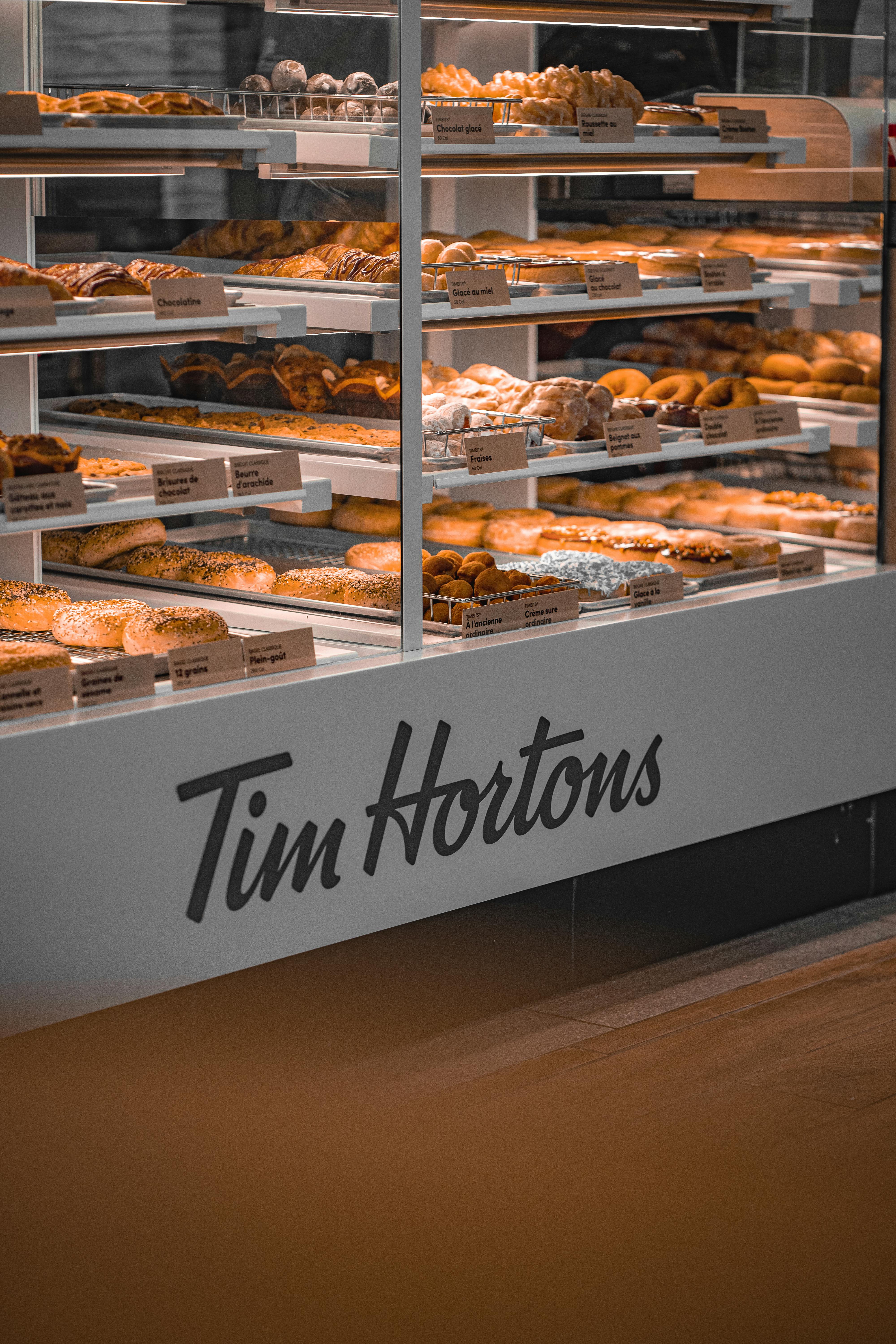
Here is the emotional core of the story. Tim Hortons is not only a restaurant chain in Canada. It is a national symbol tied to hockey, small-town life, winter commutes, and a certain idea of ordinary Canadian togetherness. That identity still carries enormous weight.
The company has leaned on that image for decades through community sponsorships, youth sports ties, and familiar menu traditions like Timbits and double-doubles. Even when customers say the food is worse than it used to be, they often speak with the disappointment reserved for institutions, not strangers.
That emotional familiarity gives Tim Hortons a cushion many brands never earn. Canadians may feel the chain no longer fully lives up to its image, but they still recognize themselves in it. In that sense, going there can feel less like a transaction and more like participating in a shared routine.
Nostalgia Keeps the Brand Stronger Than the Menu

Memory can outperform reality. Many loyal customers are not only buying what Tim Hortons is today, but also what they remember it being years ago. Older Canadians often recall simpler menus, in-store baking, thicker mugs, and coffee they believed tasted better before major corporate changes.
That nostalgia matters because it softens dissatisfaction. Customers may leave annoyed by a dry sandwich or long wait, yet their broader memory of the brand remains positive enough to bring them back. They are chasing consistency, but also a feeling that once seemed dependable.
Brands with nostalgic power often survive periods that would cripple competitors. Tim Hortons benefits from decades of emotional goodwill stored in family routines, school mornings, and road stops. Even when the present experience disappoints, the past keeps arguing for one more try.
People Stay Until a Better Daily Alternative Exists

In the end, many Canadians have not found a replacement that matches Tim Hortons across every practical measure. McDonald's coffee often gets favorable comparisons, and local cafés may beat Tim Hortons on freshness and atmosphere. But few rivals combine price, speed, hours, and location density at the same scale.
That is why dissatisfaction has not turned into mass abandonment. Complaints are loud because expectations remain high, not because customers have truly detached. People are frustrated precisely because Tim Hortons still occupies such a central place in ordinary life.
So the answer is not that Canadians secretly think Tim Hortons is perfect. It is that the chain remains useful, familiar, affordable, and deeply woven into the country's habits. Until another brand can replace all of that at once, the complaints will continue, and so will the lineups.




Leave a Reply